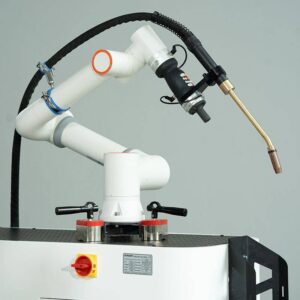
Introduction to 3kW laser cutting in Guadalajara’s Industrial Landscape
Guadalajara, often referred to as the “Silicon Valley of Mexico,” has evolved into a sophisticated hub for electronics, aerospace, and automotive manufacturing. As the industrial sector in Jalisco continues to modernize, the demand for precision fabrication has skyrocketed. At the center of this technological shift is the 3kW fiber laser cutting machine. This specific power rating—3,000 watts—represents the “sweet spot” for many local fabricators, offering a perfect balance between capital investment and high-performance output, particularly when processing non-ferrous metals like aluminum alloy.
The transition from traditional CO2 systems to fiber laser cutting has revolutionized how Guadalajara’s workshops handle aluminum. Aluminum’s high reflectivity and thermal conductivity previously posed significant challenges for older laser technologies. However, the 1.07-micron wavelength of a 3kW fiber laser is absorbed much more efficiently by aluminum, allowing for faster speeds and cleaner edges. This guide explores the technical nuances of utilizing 3kW laser power for aluminum alloys within the specific environmental and economic context of the Guadalajara metropolitan area.
The Technical Advantage of 3kW Power for Aluminum Alloys
When discussing laser cutting, power density is the critical metric. A 3kW fiber laser provides enough energy to penetrate aluminum alloys up to 10mm or 12mm with industrial precision, though its peak efficiency is found in the 1mm to 6mm range. In the context of Guadalajara’s electronics industry, where enclosures and heat sinks are frequently manufactured from 5000 and 6000 series aluminum, the 3kW system offers a throughput that far exceeds mechanical punching or plasma cutting.
Wavelength and Absorption
Aluminum is a highly reflective material in the infrared spectrum. Standard CO2 lasers operate at a wavelength of 10.6 microns, which aluminum reflects like a mirror, potentially damaging the resonator. Fiber lasers, including the 3kW models used in modern Guadalajara shops, operate at approximately 1.07 microns. This shorter wavelength is absorbed significantly better by aluminum alloys. This increased absorption means that more of the 3,000 watts is converted into heat at the material surface, resulting in a narrower kerf and a smaller heat-affected zone (HAZ).

Beam Quality and Focus
A 3kW laser cutting system typically utilizes a high-quality fiber source (such as IPG, Raycus, or nLIGHT) that maintains a stable BPP (Beam Parameter Product). For aluminum, maintaining a consistent focus is vital. Because aluminum melts at a lower temperature than steel but conducts heat away from the cut zone much faster, the laser must deliver a concentrated “punch” of energy. The 3kW configuration allows for a smaller spot size, which increases the power density to a level where the aluminum is vaporized and melted before the surrounding material can dissipate the heat, preventing warping in thin-gauge sheets.
Optimizing Parameters for Common Aluminum Series
In the Guadalajara industrial corridor, fabricators primarily encounter three types of aluminum: the 1000 series (pure aluminum), the 5000 series (magnesium-alloyed), and the 6000 series (silicon and magnesium-alloyed). Each responds differently to 3kW laser cutting.
The 5000 and 6000 Series Challenge
The 5052 and 6061 alloys are staples in the Mexican automotive and structural sectors. 5052 aluminum is known for its corrosion resistance and is frequently used for marine and fuel tank applications. 6061 is the workhorse of the aerospace industry in El Salto and Zapopan. When laser cutting these alloys with 3kW of power, the silicon and magnesium content actually helps the process by reducing the reflectivity compared to 1100 series pure aluminum. However, these elements can also lead to a “dross” or “burr” on the bottom of the cut if the gas pressure and feed rate are not perfectly synchronized.
Feed Rates and Acceleration
For a 3mm 5052 aluminum sheet, a 3kW laser cutting machine can achieve speeds of approximately 8 to 12 meters per minute, depending on the auxiliary gas used. In high-production environments like those found in Guadalajara’s industrial parks, maximizing these speeds is essential for ROI. However, high speed must be coupled with high acceleration (G-force). Modern 3kW machines often feature 1.2G to 1.5G acceleration, ensuring that the machine doesn’t slow down excessively during complex geometries or tight corners, which is where aluminum is most prone to melting and “rounding off” sharp edges.
The Role of Auxiliary Gases in the Cutting Process
The choice of assist gas is perhaps the most significant operational decision when using a 3kW laser cutting system on aluminum in the Jalisco region. The gas serves two purposes: it clears the molten material from the kerf and protects the focusing lens from splashes.
Nitrogen: The Standard for Quality
Nitrogen is the preferred gas for high-quality aluminum fabrication. It acts as an inert shield, preventing the aluminum from oxidizing during the melting process. This results in a bright, clean edge that is ready for welding or painting without secondary cleaning. In Guadalajara, industrial gas suppliers provide nitrogen in liquid dewars or high-pressure cylinders. For 3kW systems, high-pressure nitrogen (typically 15-20 bar) is required to effectively “blow out” the viscous molten aluminum. While more expensive than compressed air, the reduction in post-processing labor makes it the standard for the local aerospace and medical device sectors.
Compressed Air: The Economical Alternative
As the cost of industrial gases rises, many Guadalajara-based shops are moving toward high-pressure compressed air cutting for aluminum. A 3kW laser cutting machine equipped with a specialized air compressor and filtration system can cut 1mm to 4mm aluminum very effectively. The resulting edge has a slight oxide layer and a darker appearance than nitrogen-cut edges, but for many structural or hidden components in the electronics industry, this is an acceptable trade-off for the significant reduction in operating costs.

Environmental Factors and Maintenance in Guadalajara
Operating a 3kW laser cutting system in Guadalajara requires attention to the local climate. The city experiences a distinct rainy season and high afternoon temperatures, both of which can impact laser performance if not managed correctly.
Humidity and Optics
High humidity can lead to condensation on the laser’s optical components or within the beam delivery path. If moisture forms on the protective window of the 3kW cutting head, the laser energy will be absorbed by the water droplet, causing the glass to shatter instantly. Local shops must ensure their facilities are well-ventilated and that the compressed air lines (if used for cutting) are equipped with high-efficiency refrigerated dryers to remove every trace of moisture.
Chiller Management in High Temperatures
The 3kW fiber source and the cutting head generate significant heat. In Guadalajara’s warmer months, the industrial chiller becomes the most critical piece of peripheral equipment. The chiller must maintain the deionized water at a precise temperature (usually around 22-25°C) to prevent thermal expansion of the laser components. If the chiller fails to keep up with the ambient heat, the laser cutting quality will degrade, characterized by a “wandering” focus and inconsistent penetration.
Economic Impact and ROI for Local Manufacturers
Investing in a 3kW laser cutting machine is a strategic move for Guadalajara’s SMEs (Small and Medium Enterprises). Previously, many shops relied on outsourcing their aluminum work to larger firms in Monterrey or the United States. By bringing 3kW fiber technology in-house, local fabricators can offer faster lead times and lower prices.
Labor Efficiency
The precision of a 3kW laser cutting system eliminates the need for secondary deburring and grinding in most aluminum applications. In a region where skilled labor is in high demand, reducing the man-hours required per part is a significant competitive advantage. A part that comes off the laser bed ready for the assembly line allows Guadalajara’s manufacturers to compete on a global scale, particularly in the “nearshoring” trend where US companies look for Mexican partners.
Material Utilization
Aluminum is a costly raw material. The narrow kerf of the 3kW fiber laser allows for extremely tight nesting of parts. Advanced CAD/CAM software used by local engineers can maximize sheet utilization, often reaching 85-90%. In high-volume production, the scrap reduction alone can pay for the machine’s monthly financing costs within a few years.
Safety Standards and Training in Jalisco
The adoption of 3kW laser cutting technology must be accompanied by rigorous safety protocols. Fiber lasers are Class 4 laser products, and the 1.07-micron beam is invisible and highly dangerous to the human eye. In Guadalajara, compliance with STPS (Secretaría del Trabajo y Previsión Social) standards is mandatory.
Protective Enclosures
Most 3kW machines sold in the Mexican market feature a fully enclosed “cabin” design. The viewing windows are made of specialized laser-safety glass that filters out the 1070nm wavelength. Operators must be trained never to override the safety interlocks, as a reflected beam from a shiny aluminum sheet can cause permanent blindness instantly. Proper training programs, often provided by the machine vendors in Mexico, are essential for creating a safe and professional work environment.
Fume Extraction
Cutting aluminum alloys, particularly those containing magnesium or zinc, produces fine particulate dust and fumes. These can be hazardous if inhaled and are also highly flammable in high concentrations. A robust dust extraction and filtration system is a non-negotiable component of any 3kW laser cutting setup in Guadalajara. Ensuring that the filters are cleaned regularly is not just a health requirement but also prevents the internal optics of the machine from becoming contaminated by airborne dust.
Conclusion: The Future of Fabrication in Guadalajara
The 3kW sheet metal laser has become an indispensable tool for the modern Guadalajara workshop. Its ability to handle the complexities of aluminum alloy—speed, reflectivity, and thermal conductivity—makes it the ideal choice for the region’s diverse industrial base. As the city continues to attract international investment in the automotive and high-tech sectors, the fabricators who master the nuances of 3kW laser cutting will be the ones who lead the market.
By understanding the relationship between laser power, material science, and local environmental conditions, Jalisco’s engineers can push the boundaries of what is possible with aluminum. Whether it is producing lightweight components for electric vehicles or intricate enclosures for the electronics industry, the 3kW fiber laser is the engine driving the next generation of Mexican manufacturing excellence.