
Introduction to 3kW Precision Laser Systems in Tijuana’s Industrial Landscape
The manufacturing sector in Tijuana, Mexico, has evolved into a global powerhouse, particularly within the aerospace, medical device, and automotive industries. At the heart of this industrial evolution is the integration of high-precision technology designed to handle demanding materials. Among these technologies, the 3kW precision laser system stands out as a cornerstone for stainless steel fabrication. This guide explores the technical intricacies, operational advantages, and regional strategic importance of implementing 3kW fiber laser technology for stainless steel processing in the Tijuana-San Diego border region.
Stainless steel is prized for its corrosion resistance, aesthetic appeal, and structural integrity. However, its thermal properties and reflectivity require a sophisticated approach to machining. The 3kW fiber laser provides the optimal balance of power and beam quality to achieve high-speed laser cutting without compromising the material’s metallurgical properties. For manufacturers in Tijuana, where “just-in-time” delivery to the U.S. market is standard, the reliability of a 3kW system is indispensable.
The Technical Superiority of 3kW Fiber Lasers
The transition from CO2 lasers to fiber laser technology has revolutionized metal fabrication. A 3kW fiber laser operates at a wavelength of approximately 1.07 microns, which is absorbed much more efficiently by metals like stainless steel compared to the 10.6-micron wavelength of CO2 lasers. This increased absorption rate allows for faster processing speeds and the ability to cut thinner gauges with extreme precision.
In a 3kW system, the “precision” aspect is derived from the high beam quality (M2 factor). A lower M2 factor indicates a beam that can be focused into a smaller spot size, resulting in a higher power density. This allows the laser cutting process to create narrower kerfs, sharper corners, and more intricate geometries, which are essential for medical surgical instruments and aerospace components manufactured in Tijuana’s maquiladoras.
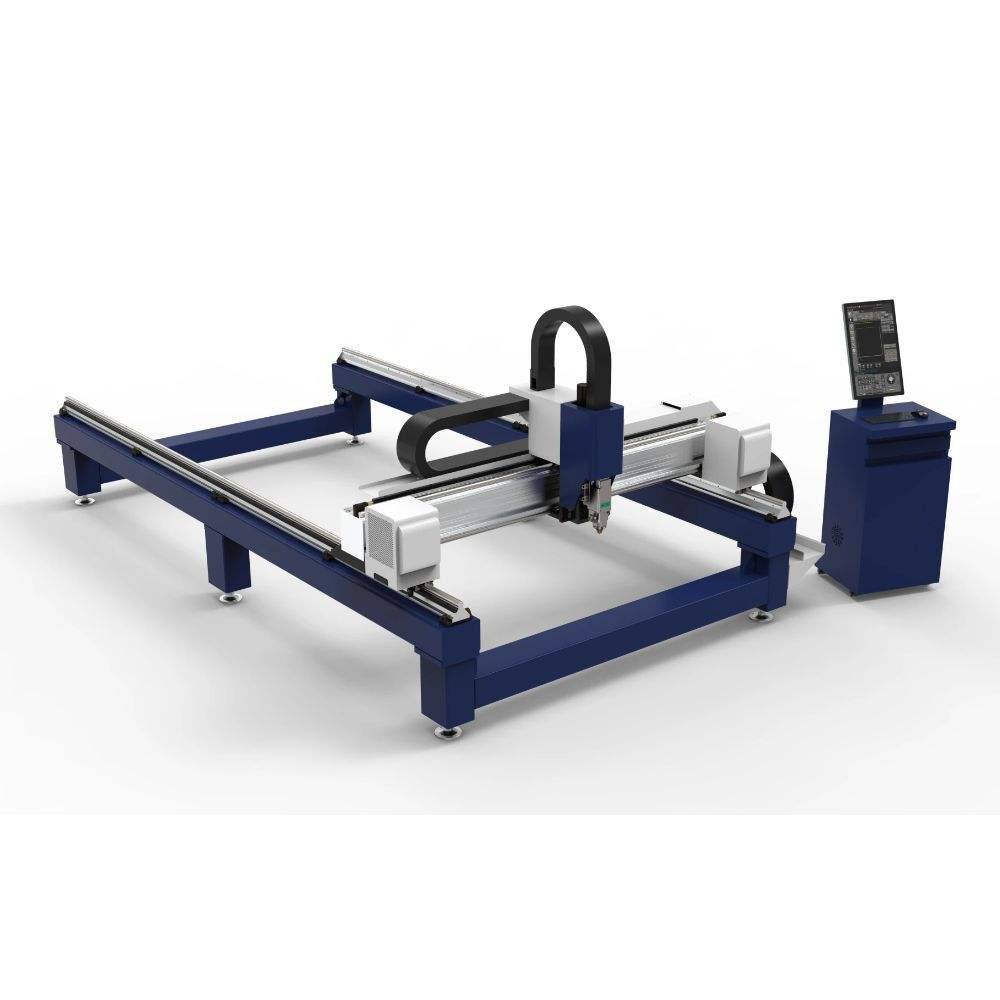
 laser cutting machine” style=”width:100%; max-width:800px; height:auto; margin: 20px 0;”>
Processing Stainless Steel: Material Dynamics and Challenges
Stainless steel, particularly grades 304 and 316, presents unique challenges during the laser cutting process. Its high chromium content and relatively low thermal conductivity compared to carbon steel mean that heat management is critical. If the heat-affected zone (HAZ) is too large, the material can lose its corrosion resistance or undergo warping.
Optimizing Assist Gases for Stainless Steel
One of the most critical factors in precision laser cutting of stainless steel is the choice of assist gas. For a 3kW system, nitrogen is the industry standard. Nitrogen acts as a shielding gas, blowing away the molten metal before it can react with atmospheric oxygen. This results in a “clean cut” or “oxide-free edge,” which is vital for parts that require subsequent welding or aesthetic finishing.
While oxygen can be used to increase cutting speeds in thicker stainless steel by introducing an exothermic reaction, it leaves a dark oxide layer on the edge. In the high-standard manufacturing environment of Tijuana, where many parts move directly from the laser bed to assembly, the burr-free, silver-bright edge produced by nitrogen-assisted 3kW laser cutting is often the preferred technical requirement.
Thickness Capabilities and Speed Efficiency
A 3kW precision laser is considered the “sweet spot” for many fabrication shops. It offers exceptional performance on stainless steel thicknesses ranging from 0.5mm to 10mm. While it can cut up to 12mm or even 15mm with specialized optics, its maximum efficiency is found in the 1mm to 6mm range. In this bracket, the 3kW system can achieve speeds that significantly outperform lower-wattage machines while maintaining a lower operational cost than 6kW or 10kW alternatives.
The Strategic Advantage of Tijuana for Laser Fabrication
Tijuana’s proximity to the United States makes it a strategic hub for high-tech manufacturing. The city hosts a dense cluster of medical device companies—the largest in North America. These companies require stainless steel components with tolerances often measured in microns. The 3kW precision laser system meets these stringent requirements while benefiting from Tijuana’s skilled labor force and sophisticated logistics infrastructure.
Meeting Medical and Aerospace Standards
In industries like aerospace and medical manufacturing, traceability and precision are non-negotiable. 3kW laser cutting systems are often integrated with advanced CNC controllers that allow for real-time monitoring of cutting parameters. This ensures that every part produced in a Tijuana facility meets ISO and FDA standards. The precision of the 3kW beam ensures that the mechanical properties of the stainless steel remain intact, preventing micro-cracking and ensuring the longevity of the component in high-stress environments.
Operational Excellence: Maintenance and Calibration
To maintain the “precision” in a 3kW laser cutting system, rigorous maintenance protocols must be followed. In the dusty or humid environments that can sometimes characterize industrial zones, protecting the optical path is paramount. Fiber lasers are generally lower maintenance than CO2 lasers because they do not have internal mirrors or bellows; however, the external optics—specifically the protective window in the cutting head—must be inspected daily.
Cooling Systems and Thermal Stability
A 3kW laser generates significant heat within the resonator and the cutting head. High-quality water chillers are essential to maintain thermal stability. In Tijuana, where ambient temperatures can fluctuate, a dual-circuit cooling system is necessary to independently regulate the temperature of the fiber source and the optics. Any deviation in temperature can lead to “thermal lensing,” where the focus of the laser shifts, resulting in inconsistent cut quality and increased scrap rates.
Software Integration and Nesting
Modern 3kW systems used in Tijuana are paired with sophisticated CAD/CAM software. This software allows for “nesting,” which optimizes the layout of parts on a stainless steel sheet to minimize waste. Given the high cost of stainless steel alloys, increasing material utilization by even 5% can result in tens of thousands of dollars in annual savings. Furthermore, precision laser cutting software can incorporate “common line cutting,” where two parts share a single cut path, further increasing throughput and reducing gas consumption.
Economic Impact and ROI for Tijuana Manufacturers
Investing in a 3kW precision laser system represents a significant capital expenditure, but the Return on Investment (ROI) is driven by three factors: speed, versatility, and reduced secondary processing. For a fabrication shop in Tijuana, the ability to offer laser cutting services for stainless steel means they can compete for high-value contracts that were previously outsourced to the U.S. or Asia.
Reducing Secondary Operations
Traditional machining or lower-quality plasma cutting often requires secondary operations such as grinding, deburring, or polishing. The precision of a 3kW fiber laser on stainless steel produces an edge finish that is often ready for immediate use. By eliminating secondary labor-intensive steps, manufacturers can reduce their lead times and lower their total cost per part, a critical advantage in the competitive Tijuana industrial market.
Energy Efficiency and Sustainability
Fiber lasers are significantly more energy-efficient than their CO2 predecessors. A 3kW fiber laser typically has a wall-plug efficiency of about 30-35%, compared to 8-10% for CO2 lasers. In the context of global sustainability goals and the rising cost of energy in industrial zones, the reduced carbon footprint and lower electricity bills associated with fiber laser cutting are increasingly important to multinational corporations operating in Mexico.
Future Trends in Precision Laser Cutting
As we look toward the future of manufacturing in Tijuana, the integration of Industry 4.0 and Artificial Intelligence (AI) with 3kW laser systems is the next frontier. AI-driven sensors can now detect the “spark” of a cut in real-time, automatically adjusting the feed rate or gas pressure if a “lost cut” is imminent. This level of automation allows for “lights-out” manufacturing, where the 3kW system can operate overnight with minimal human supervision.
Furthermore, the development of “beam shaping” technology allows a 3kW laser to modify its energy distribution. This means the same machine can be optimized for high-speed cutting of thin stainless steel and high-quality cutting of thicker plates at the touch of a button. For the versatile job shops of Tijuana, this flexibility is the key to long-term resilience and growth.
Conclusion
The 3kW precision laser system is more than just a tool; it is a catalyst for industrial sophistication in Tijuana. By mastering the nuances of stainless steel laser cutting, regional manufacturers are positioning themselves at the forefront of the global supply chain. The combination of high-speed fiber technology, precise gas dynamics, and strategic geographic advantages ensures that Tijuana will remain a vital center for high-quality metal fabrication for years to come. For engineers and facility managers, the 3kW system offers the perfect synthesis of power, precision, and profitability.
















