
Introduction to 3kW Precision Laser Systems in Queretaro’s Industrial Landscape
The industrial corridor of Queretaro has rapidly evolved into Mexico’s premier hub for advanced manufacturing, particularly within the aerospace, automotive, and appliance sectors. As production requirements shift toward higher precision and faster cycle times, the 3kW precision laser system has emerged as the gold standard for processing thin to medium-gauge materials. Specifically, when dealing with galvanized steel—a staple in Queretaro’s HVAC and automotive stamping industries—the 3kW fiber laser offers a unique balance of power density and thermal control.
Implementing a 3kW system requires more than just hardware; it demands a deep understanding of the metallurgical interactions between the laser beam and the zinc coating of galvanized sheets. In the high-altitude, temperate climate of Queretaro, environmental factors such as humidity and atmospheric pressure can subtly influence the laser cutting process. This guide provides a comprehensive technical overview of optimizing 3kW systems for galvanized steel, ensuring local manufacturers achieve maximum throughput with minimal secondary processing.

The Mechanics of 3kW Fiber Laser Technology
Fiber Laser Architecture and Beam Quality
A 3kW fiber laser operates by generating a high-intensity beam within an active optical fiber doped with rare-earth elements, typically ytterbium. This beam is then delivered through a flexible transport fiber to the cutting head. Unlike traditional CO2 lasers, the 1.07-micron wavelength of a fiber laser is highly absorbed by metals, particularly galvanized steel. This high absorption rate allows a 3kW source to outperform a 5kW CO2 laser in terms of cutting speed and edge quality for materials under 6mm.
The “Precision” aspect of these systems stems from the Beam Parameter Product (BPP). A lower BPP signifies a beam that can be focused into a smaller, more intense spot. For 3kW systems, this results in a high power density that can instantly vaporize steel, creating a narrow kerf width. This narrow kerf is essential for the intricate geometries often required by Queretaro’s electronics and aerospace suppliers.
Energy Efficiency and Operational Stability
From an engineering perspective, the 3kW threshold is an “efficiency sweet spot.” It provides sufficient energy to maintain high feed rates on 12-gauge to 16-gauge galvanized steel without the extreme power consumption or cooling requirements of 10kW+ systems. In Queretaro, where industrial energy costs and sustainability mandates are increasing, the wall-plug efficiency of fiber technology—often exceeding 30%—offers a significant competitive advantage over older plasma or CO2 alternatives.
Challenges and Solutions for Cutting Galvanized Steel
The Zinc Vaporization Dilemma
Galvanized steel presents a unique challenge for laser cutting due to its protective zinc coating. Zinc has a significantly lower melting point (approx. 419°C) and boiling point (approx. 907°C) compared to the base carbon steel (approx. 1500°C). During the cutting process, the zinc layer vaporizes before the steel melts. This rapid vaporization can create high-pressure gas pockets that interfere with the laser beam’s stability and cause “spatter” or “dross” to adhere to the bottom of the cut.
To mitigate this, 3kW systems utilize specialized nozzle designs and high-pressure assist gases. By fine-tuning the focal position—usually slightly below the material surface—the laser can ensure the steel is melted and the zinc is evacuated cleanly by the assist gas before it can contaminate the cut zone.
Assist Gas Selection: Nitrogen vs. Oxygen
The choice of assist gas is critical when processing galvanized steel in Queretaro’s demanding production environments.
- Nitrogen: This is the preferred gas for high-precision applications. Nitrogen acts as a mechanical force to blow away the molten metal without causing an exothermic reaction. This results in a “clean” or “silver” edge that is free of oxidation, making it ideal for components that require subsequent welding or powder coating.
- Oxygen: While oxygen can increase cutting speeds by creating an exothermic reaction (adding heat to the process), it often leads to a charred or oxidized edge on galvanized steel. Furthermore, the reaction with the zinc coating can be unpredictable, leading to inconsistent edge quality.
For the majority of 3kW applications in Queretaro, high-pressure Nitrogen (up to 20 bar) is the standard for maintaining the integrity of the galvanized layer near the cut edge.
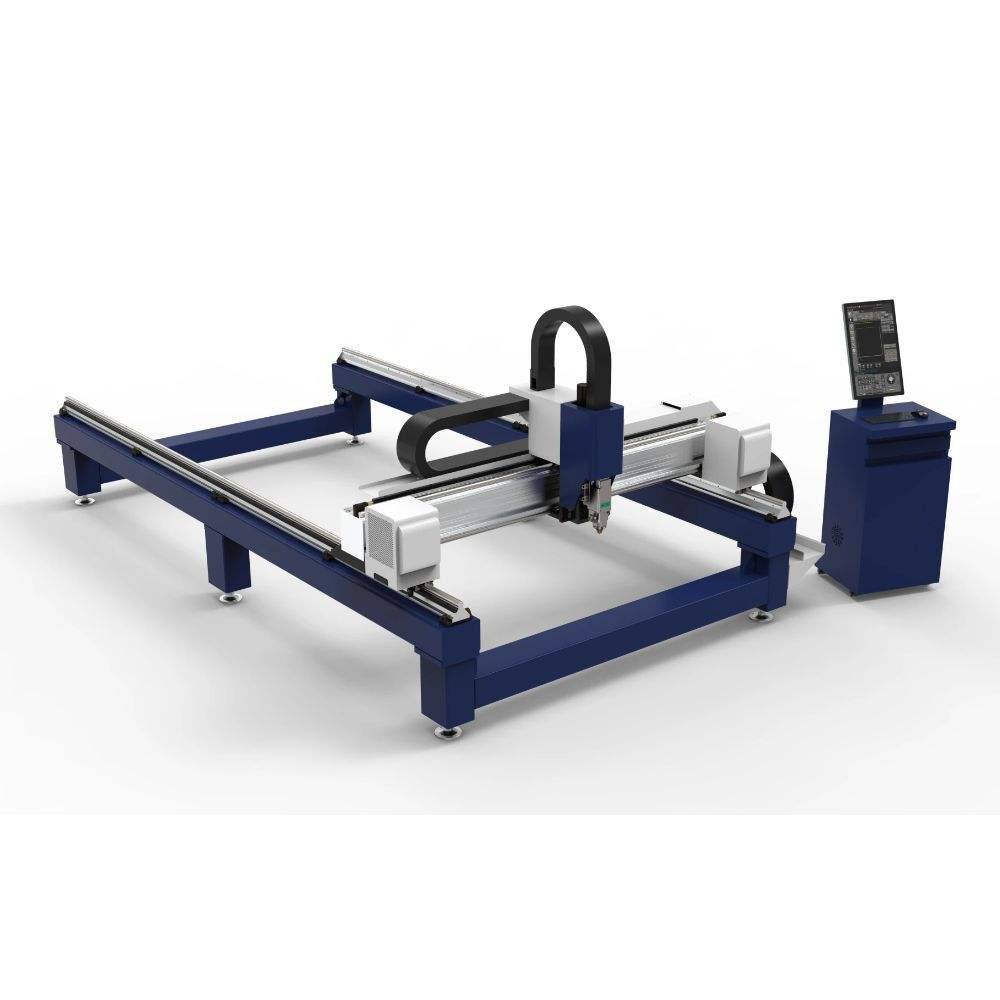 laser cutting machine for Precision Work” style=”max-width: 100%; height: auto; margin: 20px 0;”>
Optimizing the 3kW System for Queretaro’s Industrial Standards
Environmental and Climatic Considerations
Queretaro sits at an elevation of approximately 1,820 meters above sea level. The thinner air and lower atmospheric pressure can affect the cooling efficiency of the laser’s chiller units and the dynamics of the assist gas flow. Precision 3kW systems must be equipped with high-quality chillers that are rated for the local ambient temperature fluctuations. Furthermore, the air filtration systems must be robust; the dust associated with Queretaro’s rapid industrial expansion can quickly degrade optical components if not properly managed through pressurized bellows and clean-room maintenance protocols.
Integration with Industry 4.0
Modern 3kW laser cutting systems in the region are increasingly integrated into broader ERP and MES frameworks. Precision is not just about the cut; it is about the data. High-end systems feature real-time monitoring of nozzle condition, protective window temperature, and gas consumption. For a Tier 1 automotive supplier in Queretaro, this traceability ensures that every galvanized bracket or chassis component meets stringent international quality standards (IATF 16949).
Technical Specifications and Performance Metrics
Cutting Speed and Thickness Capacity
A 3kW precision system is optimized for the following performance metrics on galvanized steel:
- 0.5mm – 1.0mm: Speeds can exceed 40-60 meters per minute, depending on the complexity of the geometry.
- 2.0mm – 3.0mm: Provides a stable cutting speed of 10-15 meters per minute with excellent edge perpendicularity.
- Maximum Capacity: While a 3kW laser can cut up to 10mm or 12mm carbon steel, its “precision” peak for galvanized material is generally found under 5mm.
By maintaining these speeds, manufacturers can maximize the duty cycle of the machine, ensuring that the laser cutting station does not become a bottleneck in the assembly line.
Focus and Nozzle Calibration
Precision is maintained through automated focus heads. On galvanized material, the focus must be adjusted dynamically to account for variations in sheet flatness. Capacitive height sensing is mandatory; the nozzle must maintain a consistent distance (often 0.5mm to 1.0mm) from the zinc surface to prevent turbulence in the assist gas stream, which would otherwise result in “burr” formation.
Maintenance Protocols for High-Altitude Operation
Optical Path Integrity
In the 3kW fiber system, the delivery of the beam is relatively low-maintenance compared to CO2 systems, but the cutting head optics remain vulnerable. In Queretaro’s industrial parks, fine particulate matter can be an issue. Daily inspection of the protective window (cover slide) is essential. Any contamination on the lens will absorb the 3kW of energy, leading to thermal lensing—where the focus shifts during the cut—or total optical failure.
Chiller and Gas Filtration
The chiller is the heart of the system’s longevity. Using deionized water and maintaining the correct conductivity levels prevents corrosion within the laser source. Additionally, because galvanized laser cutting requires high-pressure Nitrogen, the gas delivery system must be equipped with high-flow filters to prevent “slugs” of moisture or oil from reaching the cutting head, which could instantly destroy the focus lens.
Economic Impact and ROI for Queretaro Manufacturers
The transition to a 3kW precision laser system represents a significant but justifiable capital investment for Queretaro-based firms. The primary return on investment (ROI) comes from the reduction in secondary operations. Because the 3kW fiber laser produces a clean, burr-free cut on galvanized steel, the need for manual deburring or grinding is eliminated. This not only reduces labor costs but also accelerates the “time-to-market” for critical components.
Furthermore, the precision of the 3kW beam allows for tighter nesting of parts. With material costs for galvanized steel fluctuating, the ability to save 5-10% in material through optimized nesting and narrow kerf widths can save a high-volume manufacturer thousands of dollars per month. In the competitive landscape of the Bajío region, these marginal gains are what separate market leaders from their competitors.
Conclusion: The Future of Laser Processing in the Region
The 3kW precision laser system is more than just a tool; it is a cornerstone of modern manufacturing in Queretaro. By mastering the nuances of galvanized steel processing—from gas dynamics to thermal management—local engineers can push the boundaries of what is possible in metal fabrication. As the region continues to attract global investment, the adoption of high-precision laser cutting technology will remain the driving force behind Queretaro’s reputation for industrial excellence. Whether it is for intricate automotive parts or heavy-duty HVAC ducting, the 3kW fiber laser provides the reliability, speed, and precision required to thrive in the global economy.
















