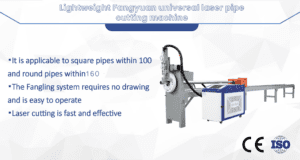
Technical Guide: 3kW Precision Laser System for Galvanized Steel in Mexico City
Introduction to High-Precision Fiber Laser Technology
The industrial landscape of Mexico City (CDMX) and its surrounding metropolitan areas, such as Tlalnepantla and Naucalpan, has seen a significant shift toward advanced manufacturing technologies. Among these, the 3kW precision fiber laser system stands out as a cornerstone for modern metal fabrication. This power level is widely considered the “sweet spot” for medium-gauge materials, offering an ideal balance between capital investment and operational throughput. In the context of laser cutting, the 3kW source provides enough energy density to process complex alloys while maintaining the fine kerf widths required for precision engineering.
For fabricators in Mexico City, the adoption of fiber laser technology represents more than just a speed upgrade; it is a transition toward higher repeatability and lower maintenance compared to legacy CO2 systems. The 3kW system utilizes an active optical fiber to generate the beam, which is then delivered via a flexible transport fiber to the cutting head. This eliminates the need for complex mirror paths and bellows, which are prone to misalignment in the high-vibration environments often found in dense industrial zones.

The Specifics of Processing Galvanized Steel
Galvanized steel is a staple material in the Mexican construction and automotive sectors due to its superior corrosion resistance. However, laser cutting galvanized steel presents unique metallurgical challenges. The material consists of a carbon steel core coated with a layer of zinc. Zinc has a significantly lower melting point (approximately 419°C) compared to steel (approximately 1,500°C). When the 3kW laser beam interacts with the surface, the zinc coating vaporizes before the steel melts, creating high-pressure gas that can interfere with the stability of the cutting process.
To achieve a precision finish, the 3kW system must be tuned to manage this vaporization. Without proper parameter control, the evaporating zinc can cause “spatter” or “dross” to adhere to the underside of the cut, requiring secondary finishing operations. High-precision systems mitigate this by using specialized nozzles and optimized gas flow dynamics that clear the molten material and zinc vapors instantaneously. This ensures that the protective properties of the zinc are maintained as close to the cut edge as possible, preventing premature oxidation of the finished part.
Environmental Considerations: The Mexico City Factor
Operating a 3kW precision laser in Mexico City requires specific engineering considerations due to the city’s unique geography. Located at an altitude of approximately 2,240 meters above sea level, the atmospheric pressure is significantly lower than at sea level. This affects the density of the ambient air and, consequently, the behavior of the assist gases used during laser cutting.
Lower air density can impact the cooling efficiency of the laser’s chiller system. A 3kW fiber laser generates substantial heat within the power source and the cutting head optics. In the thinner air of CDMX, heat exchangers must work harder to maintain the internal temperature within the optimal range (usually 20°C to 25°C). Furthermore, the assist gas pressure (Nitrogen or Oxygen) must be calibrated to account for the pressure differential to ensure the kinetic energy of the gas jet is sufficient to eject the molten galvanized slag. Fabricators in the region often utilize high-pressure boosters to maintain consistent gas delivery, ensuring that the laser cutting process remains stable regardless of seasonal atmospheric fluctuations.
Optimizing Assist Gas for 3kW Systems
The choice of assist gas is critical when processing galvanized steel with a 3kW laser. There are two primary approaches: Oxygen-assisted cutting and Nitrogen-assisted cutting. Oxygen acts as an exothermic reactant, adding thermal energy to the cut, which allows for higher speeds on thicker plates. However, when laser cutting galvanized steel with oxygen, the reaction can be too aggressive, leading to increased charring of the zinc coating.
Nitrogen, being an inert gas, is the preferred choice for high-precision applications in Mexico City’s electronics and medical device industries. It relies solely on the 3kW laser’s beam energy to melt the metal, while the high-pressure gas mechanically pushes the melt through the kerf. This results in a “clean” edge, free of oxide layers, which is crucial if the galvanized part requires subsequent painting or welding. Given the 3kW power rating, Nitrogen allows for extremely fast processing of 1mm to 4mm galvanized sheets, which are common in HVAC ducting and electrical enclosures.
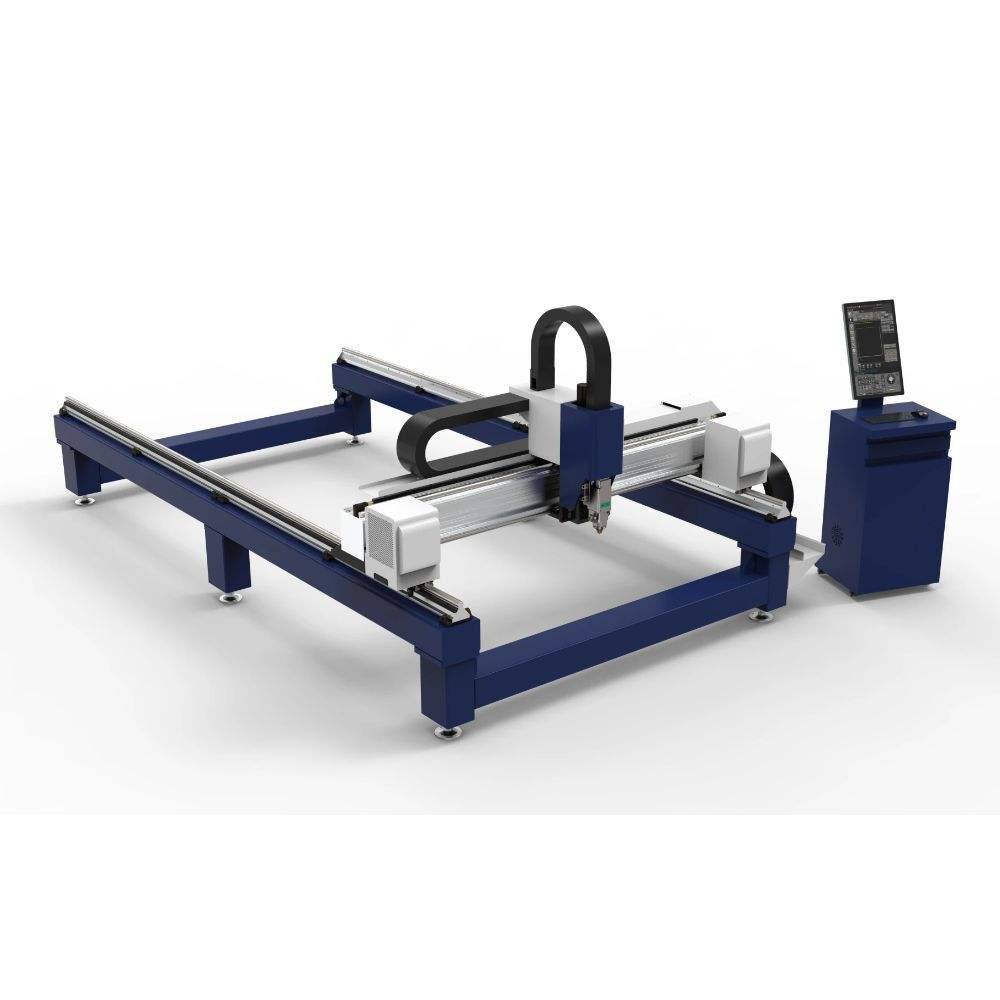
Technical Components of a Precision 3kW System
A precision 3kW laser cutting system is comprised of several high-end components that must work in harmony. The fiber laser source is the heart of the machine, typically offering a Beam Parameter Product (BPP) that allows for a small, intense focal spot. This small spot size is essential for galvanized steel, as it concentrates the energy to vaporize the zinc and melt the steel simultaneously with minimal heat-affected zones (HAZ).
The cutting head is another critical element. Modern 3kW systems often feature autofocus heads with integrated sensors. These sensors monitor the distance between the nozzle and the galvanized surface in real-time. Since galvanized sheets can sometimes have slight “oil-can” warping due to the heat of the coating process, the autofocus system compensates for these height variations at millisecond intervals. This prevents the nozzle from colliding with the workpiece and ensures a consistent focal point, which is the key to achieving a burr-free edge.
Maintenance and Longevity in Industrial CDMX
The industrial zones of Mexico City are known for high particulate matter and varying humidity levels. For a 3kW precision laser, maintaining the integrity of the optical path is paramount. While fiber lasers have fewer optics than CO2 lasers, the protective window (cover glass) in the cutting head is a consumable that requires diligent monitoring. When laser cutting galvanized steel, the zinc “pops” can occasionally send micro-spatter upward toward the lens. Using high-quality, coated cover slides and maintaining a clean-room environment for lens changes is essential for preventing “thermal lensing,” where debris on the glass absorbs laser energy and distorts the beam.
Additionally, the electrical grid in some parts of the Valley of Mexico can experience voltage fluctuations. It is highly recommended that 3kW systems be installed with industrial-grade voltage stabilizers and UPS systems. This protects the sensitive diodes within the fiber source from power surges, ensuring the 3kW output remains consistent over the 100,000-hour expected lifespan of the laser source.
Economic Impact and Throughput for Mexican Manufacturers
Integrating a 3kW laser cutting system provides a significant competitive advantage for Mexican SMEs (Small and Medium Enterprises). The ability to process galvanized steel at speeds exceeding 20 meters per minute (on thin gauges) allows shops to take on high-volume contracts for the automotive supply chain (Tier 2 and Tier 3 suppliers). In the competitive landscape of Mexico City, where floor space can be expensive in established industrial parks, the compact footprint of a 3kW fiber laser provides more “revenue per square meter” than traditional mechanical punching or plasma cutting.
Furthermore, the precision of the 3kW beam reduces the need for secondary grinding or deburring. In the labor market of CDMX, where skilled manual finishers are increasingly difficult to retain, automating the quality control through the laser cutting process itself is a strategic move. The digital nature of the CNC controllers allows for rapid prototyping, enabling engineers to move from a CAD drawing to a finished galvanized part in minutes, supporting the “just-in-time” manufacturing philosophy prevalent in the region.
Safety and Fume Extraction Requirements
A critical, often overlooked aspect of laser cutting galvanized steel is the health and safety requirement regarding zinc oxide fumes. When the 3kW laser vaporizes the zinc coating, it produces a fine, white smoke (zinc oxide) that can cause “metal fume fever” if inhaled by operators. In the enclosed environments of many Mexico City workshops, a robust filtration and extraction system is mandatory.
The 3kW system should be paired with a high-volume dust collector equipped with HEPA filters and, ideally, a spark arrestor. Because galvanized dust is fine and can be abrasive, the ducting must be designed to maintain high transport velocities to prevent dust settling. Proper ventilation not only protects the workforce but also prevents the accumulation of conductive dust on the machine’s electronic components, thereby extending the mean time between failures (MTBF).
Conclusion: The Future of Precision Cutting in the Valley of Mexico
The 3kW precision laser system represents the pinnacle of versatility for the modern fabricator in Mexico City. Its ability to master the complexities of galvanized steel—from managing zinc vaporization to overcoming altitude-related gas dynamics—makes it an indispensable tool for the region’s industrial growth. As the “Nearshoring” trend continues to bring more manufacturing from overseas to Mexico, the demand for high-precision laser cutting will only increase.
By investing in 3kW technology, local manufacturers are not just buying a machine; they are adopting a high-speed, high-accuracy workflow that meets international standards. Whether producing architectural facades, automotive brackets, or electrical cabinets, the precision of the 3kW fiber laser ensures that Mexican industry remains at the forefront of global manufacturing excellence.