
Introduction to 3kW Precision Laser Systems
In the rapidly evolving landscape of industrial manufacturing, the 3kW fiber laser has emerged as the definitive “sweet spot” for precision, efficiency, and cost-effectiveness. This power level provides the necessary energy density to process a wide range of materials while maintaining a footprint and utility requirement manageable for medium-sized enterprises. When applied to the specific challenges of galvanized steel, a 3kW system offers a balance of speed and edge quality that was previously unattainable with lower-wattage CO2 or plasma alternatives.
The transition toward high-precision laser cutting has been driven by the demand for tighter tolerances in the automotive, aerospace, and HVAC sectors. In regions like Leon, which has seen a significant surge in industrial infrastructure, the adoption of 3kW systems is not merely a luxury but a strategic necessity to remain competitive in a global supply chain. This guide explores the technical nuances of operating a 3kW precision laser system, focusing specifically on the intricacies of processing galvanized steel within the industrial context of Leon.

The Industrial Landscape of Leon and Precision Manufacturing
Leon has established itself as a pivotal hub for metal fabrication and mechanical engineering. With a strong tradition in the automotive and footwear industries—both of which increasingly rely on specialized metal components—the demand for high-quality laser cutting services has never been higher. The local economy’s shift toward advanced manufacturing requires tools that can handle high-volume production without sacrificing the precision required for complex assemblies.
Strategic Advantages for Local Fabricators
Fabricators in Leon benefit from a robust supply chain and a skilled workforce. However, the competitive edge often comes down to the technology employed on the shop floor. A 3kW laser system allows local shops to take on contracts involving thin-to-medium gauge galvanized steel (typically 0.5mm to 5mm), which is standard for automotive structural components and environmental control ducting. By integrating a 3kW system, Leon-based companies can offer faster turnaround times and superior edge finishes compared to traditional mechanical shearing or punching methods.
Technical Specifications of the 3kW Fiber Laser
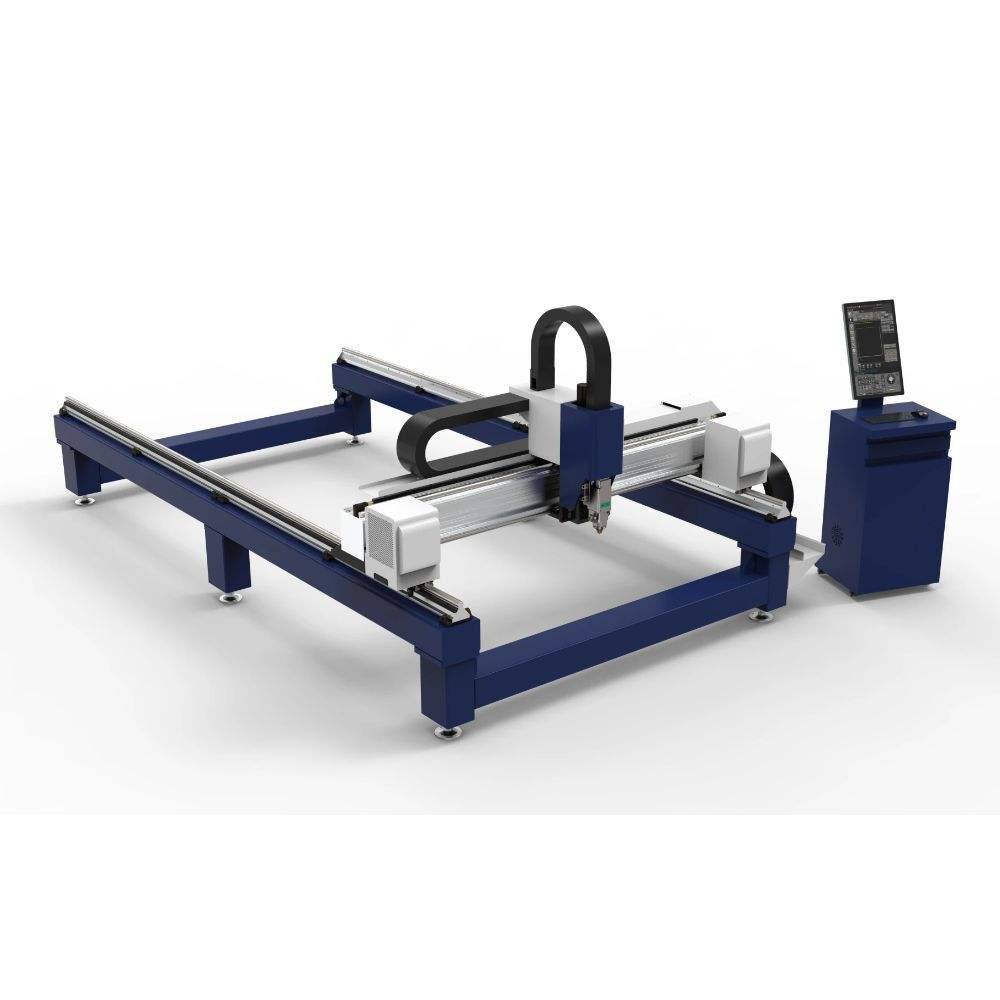
The 3kW fiber laser operates by generating a high-intensity beam through a series of laser diodes, which is then delivered via a flexible fiber optic cable to the cutting head. Unlike CO2 lasers, fiber lasers have a wavelength of approximately 1.06 microns, which is more readily absorbed by metals, particularly reflective ones like galvanized steel.
Beam Quality and Energy Density
The “precision” in a 3kW system comes from its Beam Parameter Product (BPP). A lower BPP signifies a higher quality beam that can be focused into a smaller spot size. For a 3kW system, this translates to an incredibly high energy density at the focal point, allowing for rapid vaporization of the material with a minimal Heat Affected Zone (HAZ). This is critical when working with galvanized steel, as excessive heat can damage the protective zinc coating adjacent to the cut.
Auxiliary Gas Requirements
In the laser cutting process, the choice of auxiliary gas is paramount. For galvanized steel, Nitrogen is the preferred choice. Nitrogen acts as a shielding gas, preventing oxidation of the cut edge and helping to blow away the molten zinc and steel. This results in a “bright” finish that requires no post-processing before welding or painting. While Oxygen can be used for thicker sections of mild steel, its exothermic reaction with the zinc coating on galvanized sheets often leads to excessive dross and a charred edge.
Challenges of Cutting Galvanized Steel
Galvanized steel is mild steel coated with a layer of zinc to prevent corrosion. While excellent for longevity, this coating introduces several variables into the laser cutting process. Zinc has a significantly lower melting point (approx. 419°C) than steel (approx. 1500°C). This temperature differential can cause the zinc to vaporize violently before the steel has even reached its melting point.
Managing Zinc Vapor and Splatter
As the laser penetrates the sheet, the vaporized zinc can create internal pressure, leading to “splatter” or “blow-back.” This can contaminate the laser nozzle and the protective window of the cutting head. A 3kW system provides enough power to maintain a stable “keyhole” during the cut, but the operator must fine-tune the nozzle height and gas pressure to ensure that the zinc vapor is effectively evacuated through the bottom of the kerf rather than upwards toward the optics.
Dross Formation and Edge Quality
Dross, or the solidified metal remains on the bottom of the cut, is a common issue with galvanized materials. Because the zinc coating alters the surface tension of the molten pool, the material is more prone to sticking. Achieving a dross-free cut with a 3kW laser involves optimizing the frequency and duty cycle of the laser pulse. High-frequency pulsing can help in creating a cleaner break at the bottom of the sheet, ensuring that the zinc does not “weld” the slag to the part.
Optimization Strategies for 3kW Systems
To maximize the efficiency of a 3kW system in a Leon-based facility, engineers must focus on several key parameters: focal position, cutting speed, and nozzle geometry.
Focal Position Calibration
For galvanized steel, the focal point is usually set slightly below the surface of the material. This ensures that the widest part of the beam cone interacts with the zinc layer, helping to clear it away before the core of the beam cuts through the steel. Regular calibration of the auto-focus cutting head is essential, as even a 0.1mm deviation can result in significant dross when processing 3mm galvanized plate.
Nozzle Selection and Maintenance
The use of “Double Layer” nozzles is highly recommended for galvanized steel. These nozzles are designed to provide a more laminar flow of auxiliary gas, which is crucial for stabilizing the cutting process. Furthermore, because zinc vapor is highly conductive and corrosive, the nozzle must be cleaned or replaced more frequently than when cutting standard cold-rolled steel. In the industrial parks of Leon, where humidity can fluctuate, ensuring a dry, clean air supply to the gas mixer is also vital to prevent nozzle contamination.
Integration of CAD/CAM and CNC Controls
The precision of a 3kW laser is only as good as the software driving it. Modern laser cutting systems utilize advanced CNC controllers that can adjust laser power in real-time based on the velocity of the cutting head. This is particularly important when navigating tight corners or intricate geometries in galvanized components.
Nesting and Material Efficiency
Given the rising costs of raw materials, maximizing sheet utilization is a priority for any Leon-based manufacturer. Advanced nesting software can calculate the optimal layout for parts, reducing scrap. For galvanized steel, the software must also account for “lead-ins” and “lead-outs” that prevent the initial pierce—which is often the messiest part of the cut—from damaging the finished part’s edge.
Lead-in Strategies
A “circular” or “ramped” lead-in is often preferred for galvanized sheets. This allows the 3kW laser to establish a stable cutting front before entering the actual geometry of the part. This technique minimizes the risk of zinc splatter accumulating on the start point, which can otherwise cause the laser to lose its cut or “trip” the height sensor.
Safety and Environmental Considerations in Leon
Operating a 3kW laser involves significant safety protocols. Beyond the obvious risks of high-intensity light, cutting galvanized steel releases zinc oxide fumes. These fumes are toxic and can lead to “metal fume fever” if not properly managed.
Fume Extraction Systems
A high-capacity dust collector and fume extraction system are non-negotiable. For a 3kW system, the extraction rate must be sufficient to pull the heavy zinc oxide particles away from the work area. In Leon, environmental regulations for industrial facilities require that these fumes be filtered through HEPA or specialized media before being exhausted into the atmosphere. Regular filter maintenance is necessary to ensure the system maintains peak static pressure.
Laser Safety Standards
The 3kW fiber laser is a Class 4 laser product. The machine should be fully enclosed in a light-tight housing with safety-rated viewing windows. Operators in Leon must be trained in the specific hazards of fiber laser wavelengths, which can cause permanent retinal damage even from diffuse reflections off the shiny galvanized surface.
Maintenance and Longevity of the System
To ensure a 3kW laser system remains a productive asset for years, a rigorous maintenance schedule must be followed. The Leon climate, which can be dusty during certain seasons, necessitates particular attention to the cooling system and optical path.
Chiller Maintenance
The laser source and cutting head are cooled by a dual-circuit water chiller. The conductivity of the coolant must be monitored weekly; if the water becomes too conductive, it can lead to electrical arcing within the laser diodes. Using deionized water and specialized additives is standard practice for high-precision laser cutting environments.
Optical Inspection
The protective windows (cover slips) are the most frequently replaced consumable. In a 3kW system cutting galvanized steel, these should be inspected at the start of every shift. Any speck of dust or zinc splatter on the window will absorb laser energy, heat up, and eventually crack the glass or damage the expensive focusing lenses above it.
Economic Impact and ROI for Leon Manufacturers
Investing in a 3kW precision laser system represents a significant capital expenditure, but the Return on Investment (ROI) is often realized within 18 to 24 months. The speed of a 3kW fiber laser on thin galvanized material is significantly higher than that of a 1kW or 2kW system, allowing for higher throughput and lower cost-per-part.
Furthermore, the precision of the laser cutting process reduces the need for secondary operations. Parts come off the machine ready for assembly, reducing labor costs and shortening lead times. For the growing industrial sector in Leon, this efficiency is the key to scaling operations and securing higher-value contracts in the international market.
Conclusion
The 3kW precision laser system stands as a cornerstone of modern fabrication, particularly for the challenging yet essential material that is galvanized steel. By understanding the interplay between laser physics, material science, and mechanical precision, manufacturers in Leon can leverage this technology to achieve unprecedented levels of productivity. As the region continues to evolve into a center of industrial excellence, the mastery of laser cutting will remain a vital skill set for any organization looking to lead in the age of advanced manufacturing.
















