
Introduction to 3kW Precision Laser Systems in Puebla’s Industrial Sector
The industrial landscape of Puebla, Mexico, has long been a cornerstone of the nation’s manufacturing prowess. Home to massive automotive complexes and a burgeoning aerospace supply chain, the region demands machining solutions that balance speed, accuracy, and cost-effectiveness. The 3kW precision laser system has emerged as the definitive standard for medium-to-heavy metal fabrication, particularly when dealing with carbon steel. This guide explores the technical intricacies of utilizing 3kW fiber laser technology within the unique environmental and economic context of Puebla.
In the realm of laser cutting, power is not merely about raw force; it is about the density of energy delivered to the material surface. A 3kW system provides a versatile window of operation, capable of handling thin-gauge sheets with blistering speed while maintaining the stability required for thicker plates. For engineers in Puebla’s industrial parks, such as FINSA or Chachapa, transitioning to high-precision fiber optics represents a significant leap in throughput compared to legacy CO2 systems or plasma cutting methods.
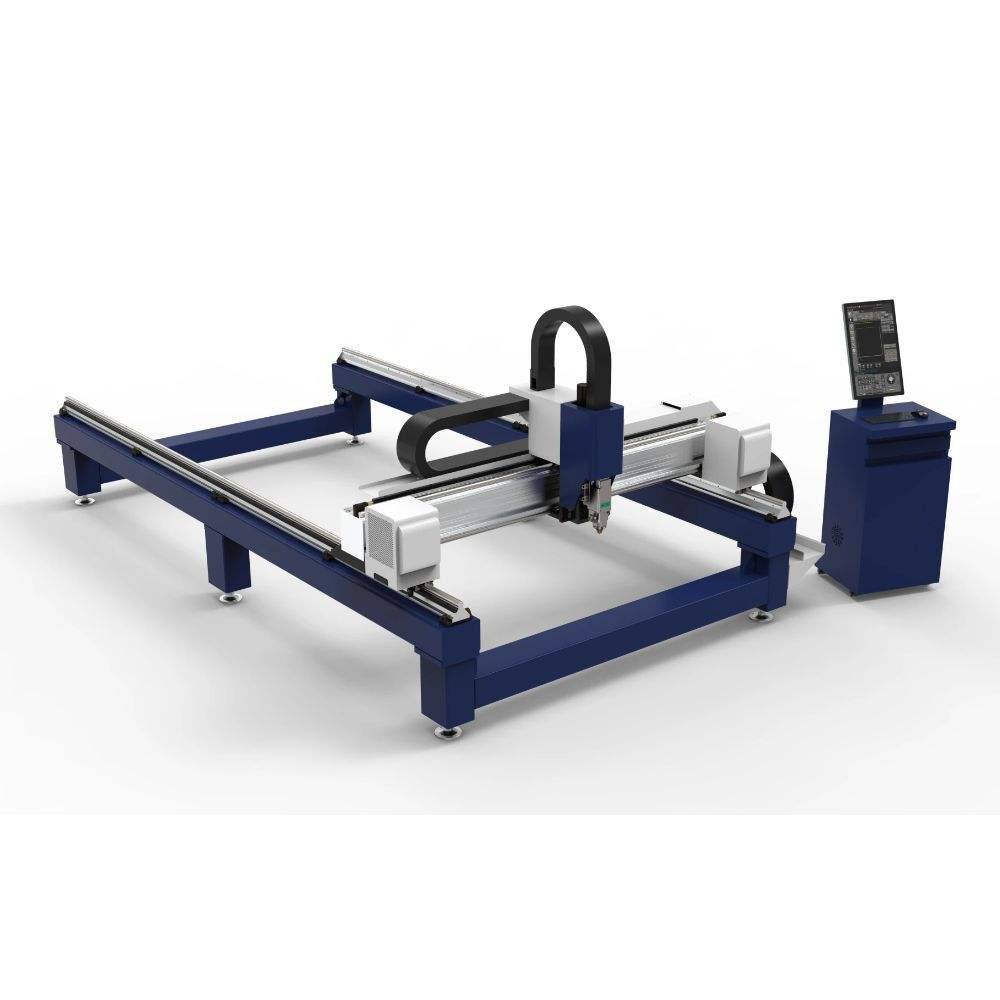 laser cutting machine“>
Technical Specifications of the 3kW Fiber Laser
The Physics of Fiber Laser Delivery
A 3kW fiber laser generates its beam through a series of laser diodes that pump light into specially doped optical fibers. Unlike CO2 lasers, which rely on a gas mixture and complex mirror alignments, the fiber laser delivers the beam directly through a flexible transport cable to the cutting head. This solid-state design is inherently more stable, making it ideal for the high-vibration environments often found in large-scale fabrication shops in Puebla.
The wavelength of a fiber laser is typically around 1.06 microns. This is approximately ten times shorter than the wavelength of a CO2 laser, allowing the beam to be focused into a much smaller spot size. For laser cutting carbon steel, this translates to a higher power density, a narrower kerf (the width of the cut), and a significantly reduced heat-affected zone (HAZ). This precision is critical for components destined for automotive assembly lines where tolerances are measured in microns.
Power Scaling and Efficiency
At 3000 watts, the system hits a “sweet spot” in electrical efficiency. Fiber lasers convert roughly 30% to 35% of electrical input into optical output. In a region like Puebla, where industrial electricity tariffs can fluctuate, the energy efficiency of a 3kW system offers a lower total cost of ownership (TCO) compared to higher-wattage systems that might be overkill for standard carbon steel applications. The 3kW threshold allows for efficient processing of carbon steel up to 20mm, though its peak efficiency is found in the 3mm to 12mm range.
Optimizing Carbon Steel Processing in Puebla
Material Grades and Surface Quality
Carbon steel is the workhorse of the Puebla manufacturing sector. Whether it is A36 structural steel or cold-rolled grades for automotive brackets, the laser cutting process must be tuned to the specific carbon content and surface finish of the material. In the high-altitude environment of Puebla (approximately 2,135 meters above sea level), the atmospheric pressure is lower, which can subtly influence the behavior of assist gases during the melt-ejection process.
For precision results, the 3kW laser utilizes oxygen as an assist gas for carbon steel. The oxygen reacts exothermically with the iron, adding thermal energy to the cut and allowing for faster speeds on thicker sections. However, this leaves a thin oxide layer on the edge. For parts requiring immediate powder coating or welding—common in Puebla’s furniture and appliance industries—operators may opt for high-pressure nitrogen cutting to achieve a “bright” finish, though this requires careful management of the 3kW power envelope to maintain speed.
Managing the Heat-Affected Zone (HAZ)
One of the primary challenges in laser cutting carbon steel is managing the thermal input. Excessive heat can lead to warping or changes in the metallurgical properties of the steel. The 3kW precision system uses advanced CNC pulsing techniques to control the “duty cycle” of the laser. By rapidly switching the laser on and off at microsecond intervals, the system can cut intricate geometries without over-saturating the surrounding material with heat. This is particularly vital for Puebla-based suppliers producing perforated panels or complex gear components.
Environmental and Geographic Considerations in Puebla
Altitude and Cooling Systems
Puebla’s elevation presents unique engineering challenges for laser cutting equipment. At higher altitudes, air is less dense, which reduces its cooling capacity. The 3kW laser system relies on a robust dual-circuit water chiller to maintain the temperature of both the laser source and the cutting optics. In Puebla, it is recommended to slightly oversize the cooling capacity or ensure that the chiller is rated for high-altitude operation to prevent thermal drifting during long production shifts.
Power Stability and Grid Integration
The precision of a fiber laser is highly dependent on the stability of the incoming voltage. While Puebla has a modern industrial infrastructure, localized voltage spikes or sags can occur. A 3kW system should always be paired with a high-quality industrial voltage stabilizer and a dedicated grounding system. This protects the sensitive laser diodes and the CNC controller from electrical interference, ensuring consistent laser cutting performance and longevity of the components.
Operational Best Practices for 3kW Systems
Nozzle Selection and Alignment
The choice of nozzle is paramount when laser cutting carbon steel. For a 3kW system, double nozzles are typically used with oxygen to create a laminar flow of gas that shields the lens while facilitating the exothermic reaction. Operators in Puebla must be trained in precise nozzle centering. Even a slight misalignment can cause “dross” (hardened slag) to adhere to the bottom of the cut, necessitating secondary grinding processes that increase labor costs.
Focus Point Calibration
For carbon steel, the focus point of the laser beam is usually set slightly above or at the surface of the material for thin sheets, and deeper into the material for thicker plates. Modern 3kW systems feature “auto-focus” cutting heads that adjust the focal position dynamically based on the material thickness programmed into the CNC. This automation reduces human error and ensures that the laser cutting process remains consistent across different batches of steel, which is essential for maintaining the quality standards required by Puebla’s Tier 1 automotive suppliers.
Maintenance Protocols for Industrial Longevity
Optical Path Integrity
In the dusty environment of a metal fabrication shop, the integrity of the optical path is the most critical maintenance factor. While the fiber itself is sealed, the protective window (cover glass) in the cutting head is a consumable item. In Puebla’s climate, where seasonal dust can be prevalent, cleaning the protective window daily with high-purity isopropyl alcohol is mandatory. A contaminated window will absorb laser energy, leading to “thermal lensing,” which shifts the focus point and can eventually crack the lens.
Gas Purity and Supply Lines
The quality of the laser cutting is only as good as the gas used. Oxygen used for carbon steel should have a purity of at least 99.5%. Impurities in the gas line can lead to inconsistent burning and a rougher edge finish. Furthermore, the supply lines must be kept free of moisture and oil. In the humid summer months in Puebla, ensuring that the air compressors and gas delivery systems have integrated dryers is essential to prevent contamination of the cutting head.
Economic Impact for Puebla’s Metalworking Industry
Return on Investment (ROI)
Investing in a 3kW precision laser cutting system offers a compelling ROI for Puebla-based workshops. The speed of fiber laser technology allows a single machine to replace multiple older mechanical shears or plasma cutters. By reducing the need for secondary finishing and decreasing material waste through tighter nesting, companies can often see a payback period of less than 24 months, depending on shift volume. The ability to handle carbon steel with such precision also opens doors to higher-margin contracts in the medical and electronics sectors.
Local Skill Development
The adoption of 3kW laser technology also drives the need for skilled labor. Puebla’s technical universities and vocational schools are increasingly focusing on CNC programming and laser optics. Operating these systems requires a blend of traditional metallurgy knowledge and modern digital literacy. This transition is elevating the local workforce, making Puebla an even more attractive destination for international manufacturing investment.
Conclusion: The Future of Fabrication in Puebla
The 3kW precision laser system represents the perfect intersection of power, precision, and practicality for the modern fabricator. For those working with carbon steel in Puebla, this technology provides the tools necessary to compete on a global stage. By understanding the technical nuances of the fiber laser—from the physics of the beam to the specific environmental adjustments required by Puebla’s geography—manufacturers can ensure high-quality output and long-term operational success.
As laser cutting continues to evolve, the integration of AI-driven monitoring and even higher efficiency ratings will further solidify the 3kW system’s role as an indispensable asset. For the industrial heart of Mexico, the future is bright, precise, and cut with a fiber laser.
















