
Mastering Carbon Steel Fabrication: The 3kW Precision Laser System Guide for Monterrey’s Industrial Sector
In the heart of Mexico’s industrial powerhouse, Monterrey, the demand for high-precision metal fabrication has never been greater. As the city continues to solidify its position as a global hub for automotive, aerospace, and heavy machinery manufacturing, the adoption of advanced 3kW fiber laser systems has become a strategic necessity. This guide explores the technical intricacies, operational advantages, and specific applications of 3kW precision laser cutting technology, focusing specifically on the processing of carbon steel—the backbone of Monterrey’s industrial output.
The Technical Advantage of 3kW Fiber Laser Power
The 3kW power rating represents a “sweet spot” in the fiber laser hierarchy. It offers a perfect balance between capital investment and operational capability. Unlike lower-wattage systems that may struggle with thicker materials, or ultra-high-power systems (12kW+) that carry significant utility costs, a 3kW system provides the high beam quality required for precision work while maintaining the muscle to penetrate substantial thicknesses of carbon steel.
The core of this technology lies in the fiber laser source. By using ytterbium-doped optical fibers, the system generates a laser beam with a wavelength of approximately 1.06 microns. This specific wavelength is highly absorbed by carbon steel, allowing for efficient energy transfer and a concentrated heat-affected zone (HAZ). For manufacturers in Monterrey, this means cleaner cuts, less material warping, and a significant reduction in secondary finishing processes.

Optimizing Carbon Steel Processing in Northern Mexico
Carbon steel, particularly grades such as A36, 1018, and 1045, is widely utilized across the Nuevo León region. When utilizing a 3kW laser cutting system, the interaction between the beam and the material is governed by several critical variables: assist gas selection, nozzle geometry, and focal position.
For carbon steel, oxygen (O2) is typically the assist gas of choice. The oxygen reacts exothermically with the heated steel, adding thermal energy to the cutting process and allowing the 3kW beam to sever plates up to 20mm (approximately 3/4 inch) in thickness. However, for thinner gauges where edge quality and speed are paramount, high-pressure nitrogen or even compressed air can be used to achieve a “clean cut” free of oxide layers, which is essential for components destined for immediate powder coating or welding.
Precision Engineering and Motion Control
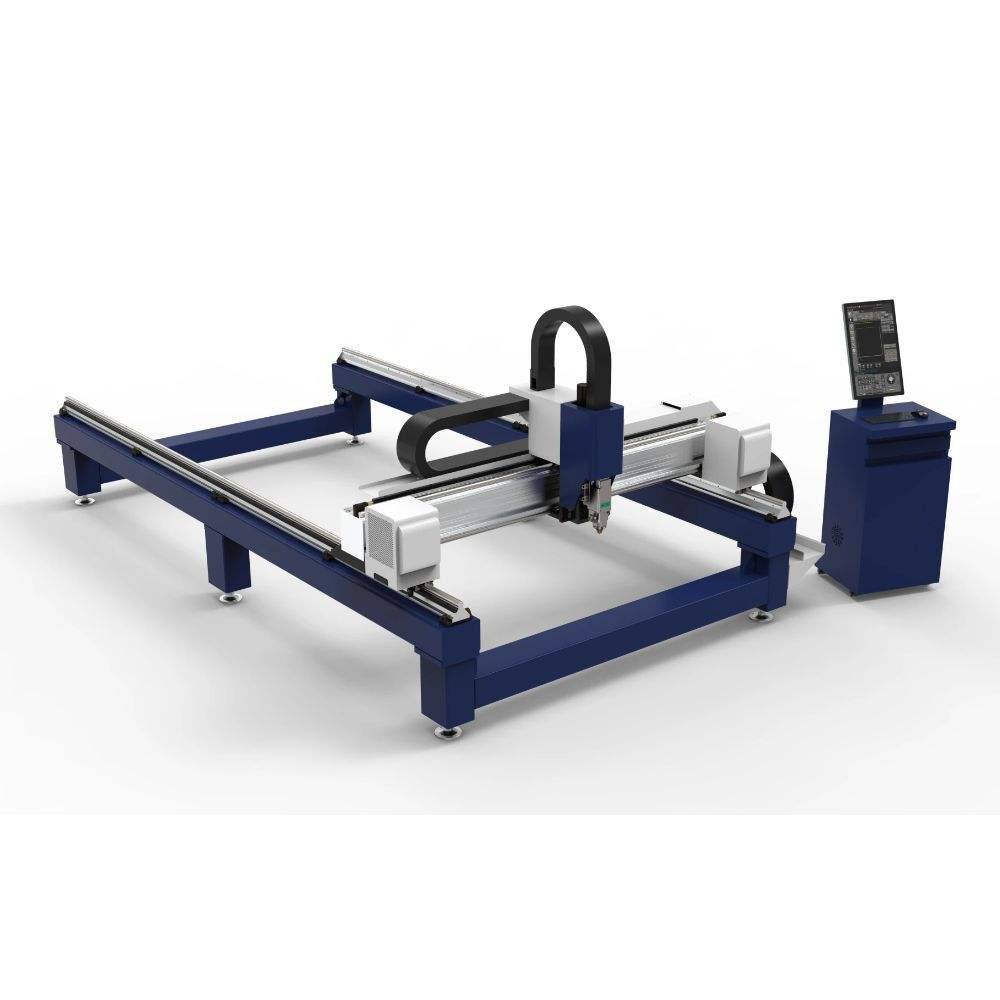
A 3kW laser source is only as effective as the machine frame and motion control system carrying it. In a precision laser cutting environment, the gantry must maintain high acceleration and deceleration rates without introducing vibration. Precision is measured in microns, and for Monterrey’s Tier 1 automotive suppliers, tolerances of +/- 0.05mm are often the standard.
Modern 3kW systems utilize high-torque AC servo motors and precision helical rack-and-pinion drives. These components ensure that even at high traverse speeds, the laser head follows the programmed path with absolute fidelity. Furthermore, the integration of capacitive height sensing allows the cutting head to maintain a constant distance from the material surface, compensating for any slight undulations in the carbon steel plate and preventing collisions.
The Impact of Monterrey’s Climate on Laser Performance
Operating high-precision machinery in Monterrey presents unique environmental challenges. The region’s extreme temperature fluctuations—ranging from intense summer heat to near-freezing winter nights—can affect the stability of the laser source and the mechanical alignment of the machine. A 3kW system requires a robust industrial chiller to maintain the laser source and the cutting head at a constant temperature.
Furthermore, humidity and dust control are vital. In the industrial zones of Santa Catarina or Apodaca, airborne particulates can settle on the optics, leading to beam distortion or lens damage. Precision laser systems must be equipped with pressurized bellows and high-efficiency filtration systems to protect the optical path. Regular maintenance schedules in this environment are not just recommended; they are mandatory for maintaining the “precision” aspect of the laser cutting process.
Operational Efficiency and Throughput for Local Fabricators
When evaluating a 3kW laser cutting system for carbon steel, throughput is the primary metric for Return on Investment (ROI). In a competitive market like Monterrey, the ability to process more parts per hour while minimizing scrap is the difference between a profitable contract and a loss. The 3kW system excels in the 3mm to 12mm thickness range, where it can maintain high feed rates without sacrificing edge quality.
Nesting software plays a crucial role here. By optimizing the layout of parts on a standard 5′ x 10′ or 6′ x 12′ carbon steel sheet, fabricators can achieve material utilization rates exceeding 80%. Advanced features like “common line cutting,” where two parts share a single cut path, further reduce the time the laser is active, extending the life of consumables like nozzles and protective windows.
Safety Standards and Regulatory Compliance
The power of a 3kW laser necessitates stringent safety protocols. These machines are Class 4 laser products, capable of causing permanent eye damage and skin burns through direct or reflected beams. A precision laser system should be fully enclosed with laser-safe viewing windows. In Mexico, adherence to international standards such as ISO 11553-1 (Safety of machinery — Laser processing machines) is critical for protecting the workforce and ensuring compliance with STPS (Secretaría del Trabajo y Previsión Social) regulations.
Fume extraction is another critical safety component. Cutting carbon steel produces fine dust and iron oxide particles. A high-volume dust collector with HEPA filtration is essential to maintain air quality within the facility and to prevent the accumulation of flammable dust on the machine components.
The Role of Software in Precision Laser Cutting
The bridge between a CAD drawing and a finished carbon steel part is the CAM software. For a 3kW system, the software must manage complex parameters such as lead-ins, lead-outs, corner cooling, and piercing strategies. When piercing thick carbon steel, the software may employ a “staged pierce” where the laser power and gas pressure are ramped up gradually to prevent “blowouts” that can damage the nozzle or ruin the part.
For Monterrey-based companies integrated into global supply chains, the ability to import various file formats (DXF, DWG, STEP) and automatically apply cutting technologies based on material thickness is a significant time-saver. This automation ensures that the precision of the 3kW laser is matched by the efficiency of the pre-production workflow.
Maintenance Best Practices for Longevity
To ensure a 3kW precision laser system remains a productive asset for 10 to 15 years, a rigorous maintenance regime is required. This includes:
- Optical Inspection: Daily checks of the protective window to ensure no dust or spatter has adhered to the surface.
- Chiller Maintenance: Monthly inspection of water conductivity and filter replacement to prevent internal corrosion of the laser source.
- Lubrication: Automatic lubrication systems for the linear guides and racks to ensure smooth motion and prevent mechanical wear.
- Gas Quality Control: Ensuring the oxygen and nitrogen supplies are of high purity (99.9% or higher) to prevent contamination of the cutting head.
Conclusion: The Future of Metal Fabrication in Monterrey
The 3kW precision laser system is more than just a tool; it is a catalyst for industrial growth in Monterrey. By providing the capability to cut carbon steel with extreme accuracy and speed, it allows local manufacturers to compete on a global scale. As the “Nearshoring” trend continues to bring more manufacturing back to North America, the shops equipped with high-efficiency laser cutting technology will be the ones that capture the most sophisticated and lucrative contracts.
Investing in a 3kW system is a commitment to quality. Whether you are producing structural components for construction, intricate parts for the automotive sector, or heavy-duty chassis for transport, the precision of fiber laser technology ensures that every cut meets the highest engineering standards. In the competitive landscape of Monterrey’s industrial parks, the 3kW laser is the definitive solution for modern carbon steel fabrication.
















