
The Industrial Evolution: 3kW Fiber laser cutting in Toluca
Toluca has long been recognized as one of Mexico’s premier industrial hubs, serving as a critical node for the automotive, aerospace, and food processing sectors. As manufacturing demands evolve toward higher precision and faster turnaround times, the adoption of advanced laser cutting technology has become a necessity rather than a luxury. Specifically, the 3kW fiber laser cutting machine has emerged as the industry standard for processing stainless steel, offering a perfect balance between power efficiency, operational cost, and edge quality.
In the high-altitude environment of the State of Mexico, engineering precision is paramount. The 3kW fiber laser utilizes a solid-state laser source to generate a high-density beam that is delivered via fiber optic cable to the cutting head. This method eliminates the need for the complex mirror arrays found in older CO2 systems, resulting in a more robust and reliable machine capable of meeting the rigorous production schedules of Toluca’s Tier 1 and Tier 2 automotive suppliers.
Technical Specifications of the 3kW Fiber Laser
The 3kW power rating is widely considered the “sweet spot” for stainless steel fabrication. At this power level, the machine can efficiently process stainless steel sheets ranging from 0.5mm to 12mm in thickness with exceptional speed and accuracy. The wavelength of a fiber laser is approximately 1.06 micrometers, which is ten times shorter than that of a CO2 laser. This shorter wavelength allows for a much higher absorption rate in metals, particularly stainless steel, leading to faster cutting speeds and a smaller heat-affected zone (HAZ).
Key components of these machines include the laser source (often from manufacturers like IPG or Raycus), high-precision linear guides, and advanced CNC control systems. The integration of these components ensures that the laser cutting process remains stable even during high-speed directional changes, which is vital for the intricate geometries often required in modern engineering components.

Precision Cutting of Stainless Steel Alloys
Stainless steel is prized for its corrosion resistance and aesthetic appeal, but it presents unique challenges during the laser cutting process. The material’s high melting point and thermal conductivity require precise control over the laser’s focal point and the assist gas pressure. In Toluca’s diverse manufacturing landscape, grades such as 304 and 316 are ubiquitous, especially in the production of medical equipment and industrial kitchenware.
When cutting stainless steel with a 3kW fiber laser, the goal is to achieve a “burr-free” finish. This is accomplished through high-pressure nitrogen cutting. Unlike oxygen, which creates an exothermic reaction that can oxidize the edge, nitrogen acts as a shielding gas. It physically blows the molten metal out of the kerf before it can react with atmospheric oxygen, resulting in a bright, clean edge that requires no secondary finishing. This is a significant advantage for businesses in Toluca looking to reduce labor costs and lead times.
The Role of Assist Gases and Nozzle Selection
Effective laser cutting of stainless steel depends heavily on the dynamics of the assist gas. For a 3kW system, nitrogen pressures typically range from 12 to 18 bar. The nozzle design—whether single or double layer—must be matched to the material thickness to ensure a laminar flow of gas. A single-layer nozzle is generally preferred for nitrogen cutting of stainless steel to maintain a concentrated gas stream that prevents dross attachment on the bottom of the workpiece.
Furthermore, the focal position must be adjusted deep into the material or even below the bottom surface for thicker sheets. This ensures that the widest part of the beam cone is at the top of the kerf, allowing the gas to enter and clear the molten pool more effectively. In the competitive market of Toluca, mastering these technical nuances allows fabricators to produce parts that meet international quality standards (ISO/ASTM).
Applications in Toluca’s Strategic Industries
The strategic location of Toluca makes it a focal point for the “nearshoring” trend in North America. Companies operating in the Lerma and Toluca industrial parks utilize 3kW fiber laser cutting machines for a variety of critical applications:
- Automotive Exhaust Systems: Stainless steel 409 and 304 are frequently used for heat shields and exhaust manifolds. The 3kW laser provides the speed necessary for high-volume production.
- Food and Pharmaceutical Grade Equipment: Toluca hosts several major food processing plants. Fiber lasers ensure that the stainless steel components used in these facilities are cut with the highest hygiene standards, avoiding carbon contamination.
- Architectural Metalwork: From decorative facades to structural supports, the precision of laser cutting allows for complex designs that were previously impossible or too expensive to manufacture.
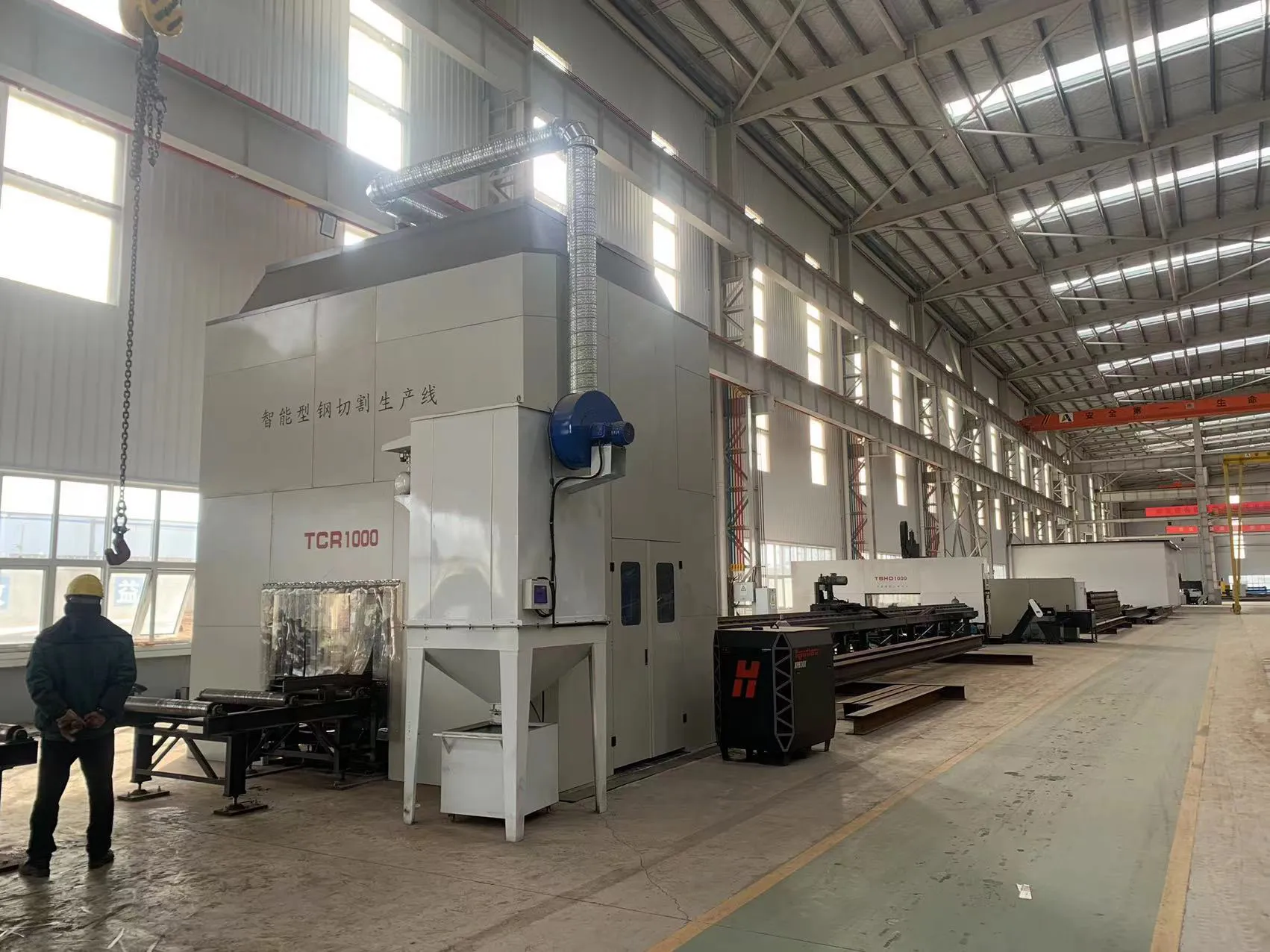
Optimizing the Laser Cutting Process for High Altitude
Toluca sits at approximately 2,660 meters above sea level. While fiber lasers are less affected by atmospheric pressure than CO2 lasers (which rely on gas mixtures for beam generation), the cooling systems and air compressors used in the laser cutting process must be rated for high-altitude operation. Thinner air means less efficient heat exchange in air-cooled chillers. Therefore, engineers in Toluca often specify oversized industrial chillers to ensure the laser source and cutting head maintain a constant temperature, preventing thermal drift and ensuring consistent cutting quality over long shifts.
Maintenance and Operational Longevity
A 3kW fiber laser is a significant investment, and its longevity depends on a rigorous maintenance schedule. Unlike traditional mechanical cutting tools, the “tool” in laser cutting does not wear out; however, the optical path must be kept pristine. The protective window (cover glass) is the most frequently replaced consumable. If dust or splatter from the stainless steel reaches the cover glass, it can absorb laser energy, heat up, and potentially damage the focusing lens.
Regular inspection of the ceramic ring and nozzle is also essential. In Toluca’s industrial environment, ensuring that the machine’s bed is leveled and the rack-and-pinion system is lubricated will prevent mechanical backlash. Modern machines often include “auto-lubrication” systems and “auto-nozzle cleaning” stations, which are highly recommended for shops running multi-shift operations to minimize downtime.
Software Integration and Smart Manufacturing
The hardware of a 3kW laser cutting machine is only as good as the software driving it. Professional nesting software (such as CypCut or Lantek) is used to optimize material utilization on stainless steel sheets. In Toluca, where material costs can fluctuate based on import tariffs and global nickel prices, reducing scrap through intelligent nesting is a key factor in profitability. Features like “Common Line Cutting” (sharing a single cut path between two parts) and “Frog-Hop” positioning significantly reduce processing time and gas consumption.
Economic Considerations for Toluca Businesses
Investing in a 3kW fiber laser provides a rapid Return on Investment (ROI) for Toluca-based fabricators. When compared to a 1kW or 2kW system, the 3kW machine offers significantly faster cutting speeds on 3mm to 6mm stainless steel, which are the most common thicknesses in industrial applications. This increased throughput allows shops to take on more contracts without increasing their physical footprint or headcount.
Moreover, the energy efficiency of fiber technology is roughly 30-35%, compared to the 8-10% efficiency of CO2 lasers. This leads to significantly lower electricity bills—a vital consideration given the industrial energy rates in Mexico. When combined with the lack of expensive laser gases (He, Ne, CO2) and the reduced need for mirror alignments, the total cost of ownership (TCO) makes the 3kW fiber laser the most economically viable solution for high-precision laser cutting in the region.
Conclusion: The Future of Fabrication in the State of Mexico
As Toluca continues to solidify its position as a global manufacturing powerhouse, the integration of 3kW fiber laser cutting technology will play a pivotal role. The ability to process stainless steel with extreme precision, speed, and cost-effectiveness allows local companies to compete on a global scale. By understanding the technical requirements—from assist gas dynamics to high-altitude cooling adjustments—engineers and business owners in Toluca can maximize the potential of their machinery, ensuring high-quality output and long-term industrial success.
Whether it is for the automotive lines of the North or the pharmaceutical plants of the South, the 3kW fiber laser remains the cornerstone of modern stainless steel fabrication, driving innovation and efficiency across the State of Mexico.
















