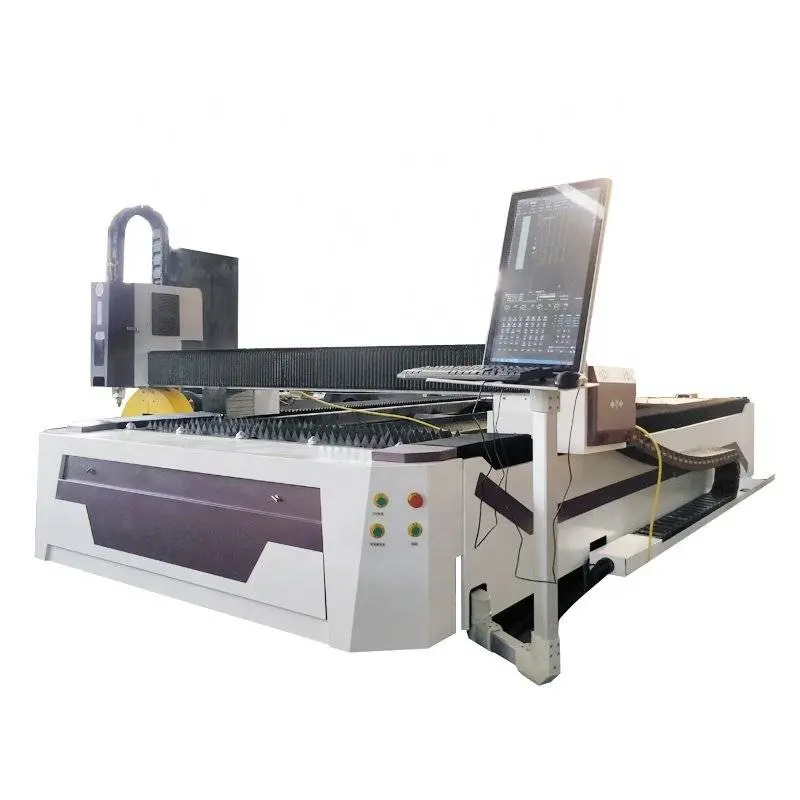
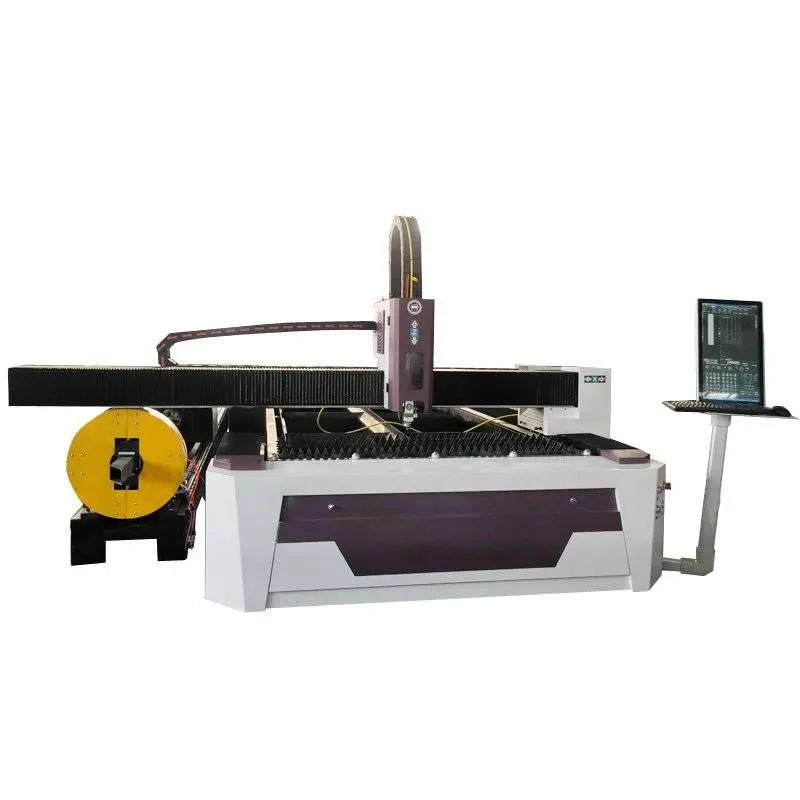
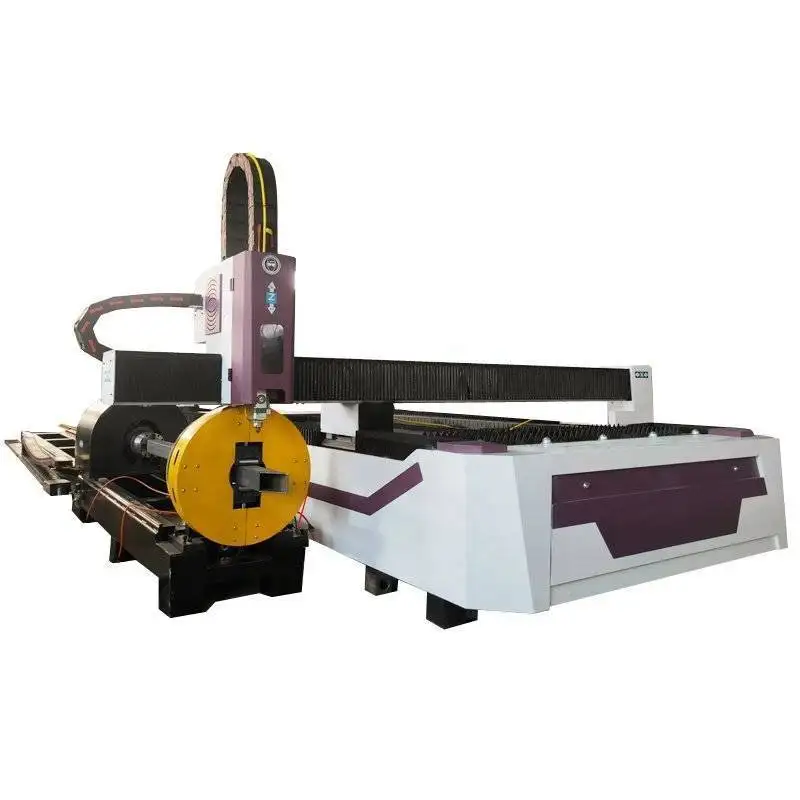
The Strategic Implementation of 3kW Fiber laser cutting for Stainless Steel in Puebla’s Industrial Sector
The industrial landscape of Puebla, Mexico, has undergone a significant transformation over the last decade. As a primary hub for automotive manufacturing, aerospace components, and food processing equipment, the demand for high-precision metal fabrication has never been higher. At the center of this technological shift is the 3kW fiber laser cutting machine. This specific power rating—3000 watts—represents a critical “sweet spot” for engineering firms in Puebla, offering an ideal balance between capital investment, operational speed, and the ability to process stainless steel with exceptional edge quality.
Stainless steel, particularly grades 304 and 316, is a staple in Puebla’s diverse economy. From the sterile requirements of the pharmaceutical industry to the structural integrity needed in automotive chassis components, the material’s resistance to corrosion and high tensile strength make it indispensable. However, processing stainless steel requires a level of precision that traditional CO2 lasers or plasma cutters often fail to provide efficiently. The introduction of fiber laser technology has redefined the parameters of what is possible in local fabrication shops.
Technical Specifications and the 3kW Advantage
A 3kW fiber laser cutting system operates by generating a high-intensity laser beam through a series of doped optical fibers. Unlike CO2 lasers, which use a gas mixture and mirrors, fiber lasers deliver the beam via a flexible fiber optic cable directly to the cutting head. This results in a beam with a much smaller focal diameter and significantly higher power density. For a fabricator in Puebla, this translates to a narrower kerf width and the ability to cut through stainless steel up to 10mm or 12mm with production-level efficiency.
The 3000W threshold is particularly significant for stainless steel because of the material’s thermal conductivity and reflectivity. Stainless steel reflects a portion of the laser energy, especially in its molten state. The high power density of a 3kW source overcomes this reflectivity more effectively than lower-powered units, ensuring a stable and continuous piercing process. This stability is vital for maintaining the “dross-free” finish that modern engineering standards demand.
Material Interaction: Laser Cutting Stainless Steel
When laser cutting stainless steel, the physics of the process involve a delicate balance of heat input and assist gas pressure. In Puebla’s manufacturing sector, the choice of assist gas—typically Nitrogen or Oxygen—is dictated by the required end-use of the part. For most stainless steel applications, Nitrogen is the preferred choice. Nitrogen acts as a shielding gas, blowing away the molten metal without allowing an exothermic reaction to occur. This results in a bright, oxide-free edge that requires no secondary finishing before welding or painting.
The 3kW fiber laser excels in this “high-pressure nitrogen cutting” environment. Because the beam is so concentrated, the heat-affected zone (HAZ) is remarkably small. This is a critical factor for engineers in Puebla working on heat-sensitive components. Minimizing the HAZ ensures that the mechanical properties of the stainless steel, such as its corrosion resistance and grain structure, remain intact near the cut edge. This is especially important for the food processing equipment manufactured in the region, where any surface degradation could lead to bacterial growth or structural failure over time.
Optimizing Throughput in the Puebla Automotive Supply Chain
Puebla is home to some of the largest automotive assembly plants in North America. The supply chain supporting these plants relies on Just-In-Time (JIT) manufacturing, where speed and repeatability are non-negotiable. A 3kW fiber laser cutting machine offers a significant increase in throughput compared to older technologies. In thin-gauge stainless steel (1mm to 3mm), a 3kW machine can reach cutting speeds that are two to three times faster than a 1kW or 2kW counterpart.
Furthermore, the reliability of fiber laser sources—often boasting a diode life of over 100,000 hours—means that Puebla-based workshops can run multiple shifts with minimal downtime. The integration of advanced CNC controllers, such as the CypCut system, allows for sophisticated nesting algorithms. These algorithms minimize material waste, a crucial factor when dealing with the relatively high cost of stainless steel alloys. By maximizing sheet utilization, local manufacturers can offer more competitive pricing in the global market.
Precision Engineering and Tolerances
In the realm of precision engineering, the 3kW fiber laser provides tolerances that were previously only achievable through expensive machining processes. Most modern fiber laser systems can maintain a positioning accuracy of ±0.03mm and a repeatability of ±0.02mm. For a stainless steel flange or a complex bracket destined for an aerospace assembly in Puebla, these tolerances ensure a perfect fit every time.
The mechanical construction of the machine plays a vital role in achieving these figures. High-quality 3kW machines typically feature a heavy-duty gantry, precision rack and pinion systems, and high-torque servo motors. In the high-altitude environment of Puebla, maintaining thermal stability in the machine frame is essential. Many local operators utilize chilled water systems to regulate the temperature of the laser source and the cutting head, ensuring that the beam quality remains consistent from the first cut of the morning to the last cut of the evening.
Operational Costs and Environmental Impact
One of the most compelling arguments for adopting 3kW laser cutting technology in Puebla is the reduction in operational costs. Fiber lasers are significantly more energy-efficient than CO2 lasers, with a wall-plug efficiency of approximately 30% to 35%, compared to the 8% to 10% seen in CO2 systems. This reduction in electricity consumption is a major benefit for local businesses looking to lower their overhead and reduce their carbon footprint.
Additionally, the lack of consumable mirrors and the elimination of laser gas (the gas used to generate the beam in CO2 systems) further drive down the cost per part. While the initial investment in a 3kW fiber laser is substantial, the “cost per meter” of cutting stainless steel is drastically lower. For a high-volume job shop in Puebla, the return on investment (ROI) can often be realized within 18 to 24 months, depending on the shift structure and material throughput.
Maintenance and Local Support in Puebla
To keep a 3kW fiber laser cutting machine operating at peak performance, a structured maintenance regimen is required. The most critical component is the protective window (or cover glass) in the cutting head. This glass protects the expensive internal optics from back-splatter during the piercing process. In the dusty or humid environments sometimes found in industrial zones, ensuring the cleanliness of the optical path is paramount.
Puebla’s industrial infrastructure has evolved to provide robust support for these machines. Local technicians are increasingly trained in the calibration of fiber optics and the troubleshooting of CNC systems. Furthermore, the availability of high-purity Nitrogen and Oxygen in the region ensures that the laser cutting process is not bottlenecked by gas supply issues. Regular maintenance of the water chiller and the air filtration system also ensures that the machine remains a reliable asset for years to come.
The Future of Stainless Steel Fabrication in Puebla
As we look toward the future, the role of 3kW fiber laser cutting in Puebla will only expand. The rise of Industry 4.0 means that these machines are becoming increasingly interconnected. Real-time monitoring of cutting parameters, predictive maintenance alerts, and automated loading/unloading systems are becoming the standard. For the stainless steel fabricator, this means higher levels of autonomy and lower error rates.
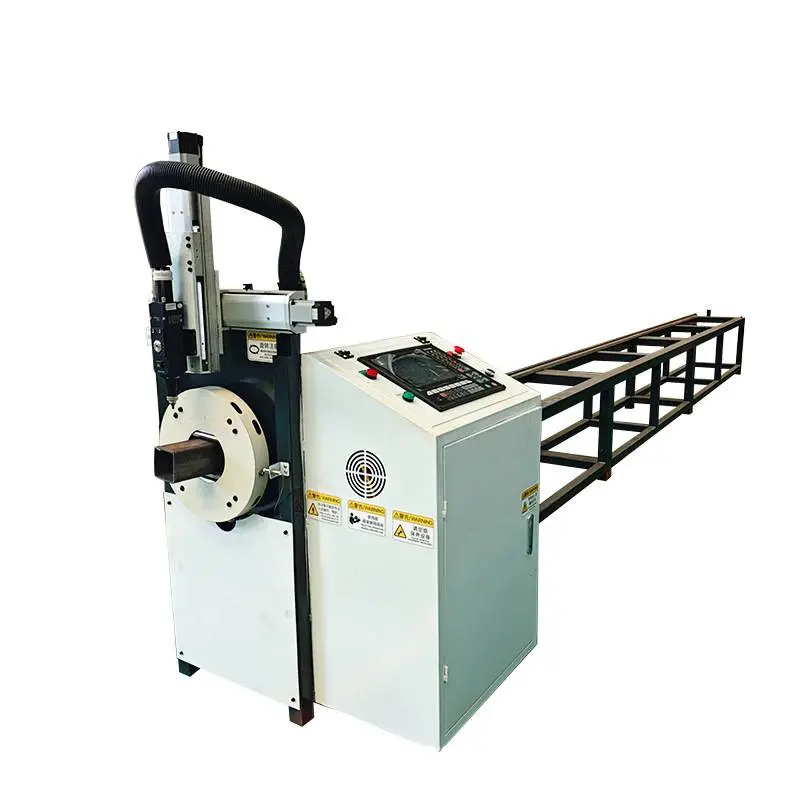
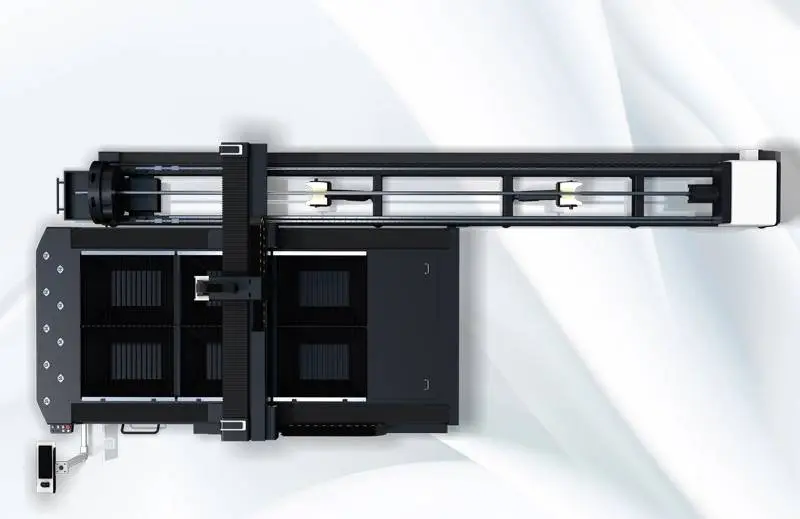
Moreover, the versatility of the 3kW source allows it to handle not just flat sheets but also stainless steel tubes and profiles when equipped with a rotary axis. This versatility is essential for the construction of architectural structures and custom exhaust systems, both of which are growing sectors in the Puebla region. The ability to switch between plate cutting and tube cutting on a single platform provides the flexibility that modern shops need to survive in a fluctuating economy.
Conclusion
The 3kW fiber laser cutting machine is more than just a tool; it is a catalyst for industrial growth in Puebla. By providing the precision, speed, and efficiency required to master stainless steel, it enables local manufacturers to compete on a global stage. Whether it is producing components for the next generation of electric vehicles or crafting high-end equipment for the food industry, the 3kW fiber laser remains the gold standard for versatility and performance. As technology continues to advance, the integration of these systems will remain a cornerstone of Puebla’s reputation as a leader in engineering and manufacturing excellence.