Comprehensive Engineering Guide: 3kW Fiber laser cutting for Stainless Steel in Monterrey
In the heart of Mexico’s industrial powerhouse, Monterrey, the demand for precision metal fabrication has reached unprecedented heights. As the “Industrial Capital of Mexico,” Monterrey serves as a critical hub for the automotive, aerospace, and home appliance sectors. Within this competitive landscape, the 3kW fiber laser cutting machine has emerged as the gold standard for processing stainless steel. This guide provides an in-depth technical analysis of why 3kW power levels are optimal for regional manufacturing requirements and how to maximize the efficiency of laser cutting operations.
The Evolution of Fiber Laser Technology in Monterrey’s Industrial Sector
The transition from traditional CO2 lasers to fiber laser technology has revolutionized the metalworking shops of Nuevo León. A 3kW fiber laser utilizes an optical fiber doped with rare-earth elements, such as ytterbium, to amplify light. This results in a wavelength of approximately 1.064 microns, which is absorbed much more efficiently by metallic surfaces compared to the 10.6 microns of a CO2 laser. For Monterrey’s manufacturers, this means faster processing speeds, lower electricity consumption, and significantly reduced maintenance costs.
The 3kW power bracket is particularly strategic. While 1kW machines may struggle with thicker gauges and 10kW+ machines represent a massive capital investment, the 3kW system offers the “sweet spot” of versatility. It provides sufficient energy density to vaporize stainless steel up to 10mm or 12mm with high-quality edge finishes, covering the vast majority of parts required by the local automotive and HVAC industries.

Technical Dynamics of Laser Cutting Stainless Steel
Stainless steel, particularly grades 304 and 316, is a staple in Monterrey’s fabrication shops due to its corrosion resistance and aesthetic appeal. However, laser cutting stainless steel requires precise control over several variables to ensure a dross-free, oxide-free edge. The 3kW fiber laser excels here because of its high beam quality (M² factor), which allows for a very small focal spot and high power density.
When processing stainless steel, the choice of assist gas is paramount. While oxygen can be used for carbon steel to facilitate an exothermic reaction, stainless steel is typically cut using high-pressure nitrogen. This “fusion cutting” process relies solely on the laser’s energy to melt the metal, while the nitrogen gas blows the molten material out of the kerf. Because nitrogen is inert, it prevents oxidation, resulting in a bright, silver edge that is ready for welding or painting without secondary cleaning processes.
Optimizing the 3kW Parameter Matrix
To achieve peak performance in a Monterrey-based facility, engineers must fine-tune the parameter matrix. For a 3kW machine cutting 3mm stainless steel, speeds can often exceed 15-20 meters per minute. As thickness increases to 6mm, the speed drops, but the 3kW source still maintains a stable arc and clean separation. Key factors include:
- Focal Position: For stainless steel, the focus is typically set inside the material (negative focus) to ensure a wider kerf at the bottom, helping the nitrogen gas evacuate the melt.
- Nozzle Selection: Double-layer nozzles or high-speed chrome-plated nozzles are essential for maintaining laminar gas flow at high pressures (often 15-20 bar).
- Frequency and Duty Cycle: Adjusting the pulse frequency is critical when navigating sharp corners to prevent “over-burning” or melting of the geometry.
The Monterrey Advantage: Logistics and Supply Chain
Operating a 3kW laser cutting system in Monterrey provides unique logistical advantages. The proximity to the United States and the presence of major steel distributors like Ternium and DeAcero ensure a steady supply of high-quality stainless steel coils and sheets. Furthermore, the regional infrastructure for industrial gases ensures that high-purity nitrogen—essential for 3kW operations—is readily available and cost-competitive.
Local engineering talent from institutions like Tec de Monterrey and UANL has also created a workforce highly skilled in CNC programming and CAD/CAM integration. This human capital is vital for optimizing the nesting software used in laser cutting, which minimizes material waste and maximizes the ROI of every stainless steel sheet processed.
Hardware Components of a Professional 3kW System
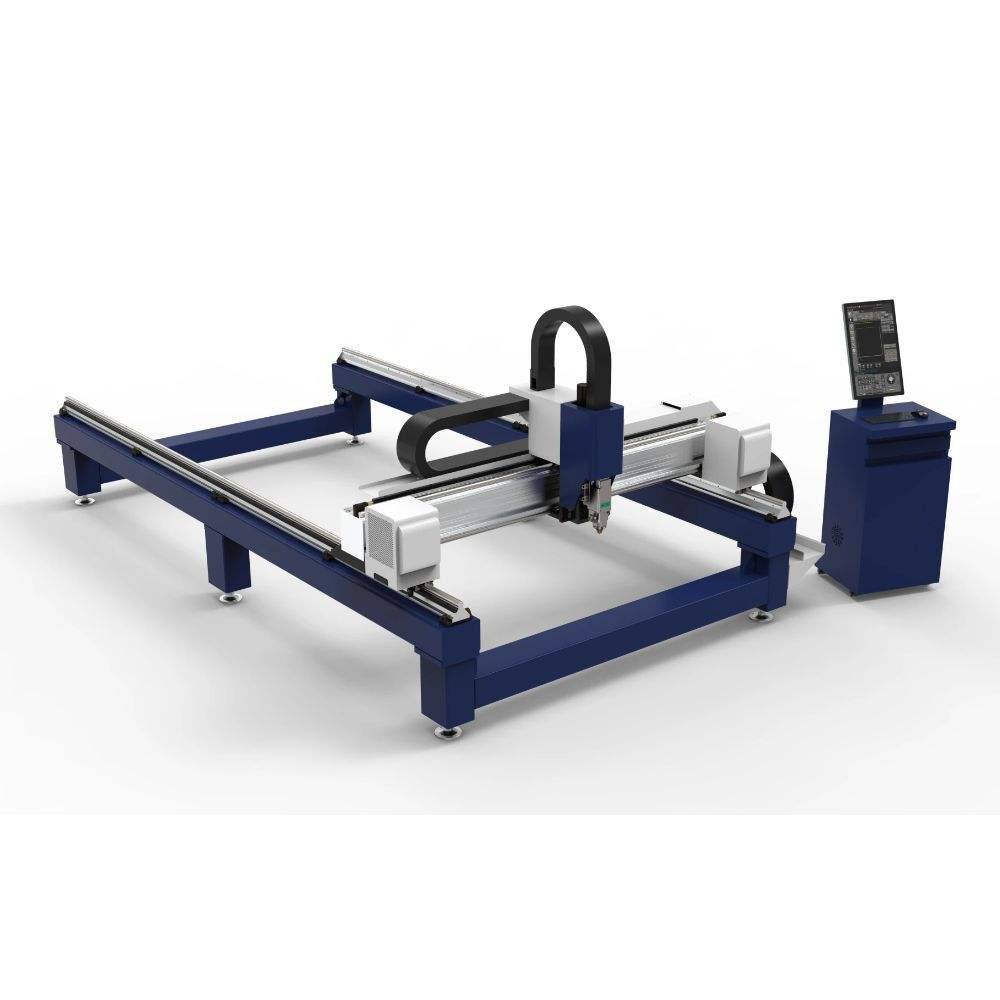
A 3kW laser cutting machine is only as good as its weakest component. For professional-grade stainless steel fabrication, the following sub-systems are critical:
1. The Laser Source
The heart of the machine is the fiber laser oscillator. Leading brands such as IPG Photonics, Raycus, or nLIGHT are preferred in the Monterrey market for their reliability and power stability. A 3kW source must maintain a power fluctuation of less than 1% to ensure consistent cut quality across long production runs.
2. The Cutting Head
Auto-focus cutting heads, such as those from Precitec or Raytools, are standard for 3kW systems. These heads use capacitive sensors to maintain a constant distance from the metal sheet, even if the material is slightly warped. This is particularly important for stainless steel, where even a 0.1mm deviation in focal height can result in dross formation.
3. Motion Control and Bed Construction
High-speed laser cutting requires a rigid frame to handle high acceleration and deceleration (G-forces). A heavy-duty, heat-treated machine bed prevents thermal deformation and vibration. Paired with high-precision rack and pinion systems and Yaskawa or Delta servo motors, the machine can achieve positioning accuracies within ±0.03mm.
Maintenance Protocols for the Monterrey Climate
Monterrey’s climate, characterized by high temperatures and occasional dust, poses specific challenges for fiber laser systems. A 3kW laser generates significant heat, requiring a robust dual-circuit water chiller. One circuit cools the laser source, while the other cools the optics in the cutting head. It is vital to use deionized water and maintain the chiller’s ambient temperature to prevent condensation within the laser modules.
Furthermore, cleanliness is the enemy of laser cutting. The protective windows in the cutting head must be inspected daily. Even a microscopic dust particle can absorb laser energy, heat up, and shatter the lens, leading to costly downtime. In Monterrey’s industrial zones, implementing a “clean room” or pressurized enclosure for the laser machine can significantly extend the lifespan of the optical components.
Economic Impact and Return on Investment (ROI)
For a Monterrey-based fabrication shop, the move to a 3kW fiber laser cutting machine is often driven by the bottom line. Compared to a 3kW CO2 laser, a 3kW fiber laser uses about 70% less electricity. Additionally, because there are no mirrors to align and no laser gas (He, CO2, N2) required for the resonator, the maintenance cost per hour is drastically lower.
When cutting stainless steel, the speed advantage of the 3kW fiber laser allows shops to take on more volume. A job that took 10 hours on an older system might only take 3 hours on a modern fiber laser. This increased throughput allows local manufacturers to compete more effectively with international suppliers, particularly in the “just-in-time” delivery models required by the automotive assembly plants in nearby Ramos Arizpe and Pesquería.
Conclusion: The Future of Metalworking in Nuevo León
The 3kW fiber laser cutting machine represents the perfect synergy of power, precision, and price for the Monterrey industrial market. As stainless steel continues to be the material of choice for high-end manufacturing, the ability to process it quickly and accurately is a significant competitive advantage. By understanding the technical nuances of assist gases, focal dynamics, and machine maintenance, Monterrey’s engineers can ensure their facilities remain at the forefront of the global manufacturing stage.
Investing in high-quality laser cutting technology is not just about buying a machine; it is about adopting a process that enhances every subsequent step of production. From cleaner welds to faster assembly times, the impact of a well-calibrated 3kW fiber laser resonates through the entire supply chain, reinforcing Monterrey’s status as a leader in industrial innovation.