
The Definitive Guide to 3kW Fiber laser cutting for Stainless Steel in Mexico City
The industrial landscape of Mexico City (CDMX) and the surrounding Estado de México has undergone a massive transformation over the last decade. As the hub of Mexico’s manufacturing sector, the demand for precision, speed, and cost-efficiency has led to the widespread adoption of fiber laser technology. Among the various power configurations available, the 3kW fiber laser cutting machine has emerged as the “sweet spot” for small to medium-sized enterprises (SMEs) and large-scale fabricators specializing in stainless steel. This guide explores the technical nuances, environmental considerations, and operational strategies for deploying a 3kW system in the unique high-altitude environment of Mexico City.
Industrial Evolution in the Mexican Capital
Mexico City serves as a critical node for the automotive, aerospace, and food processing industries. These sectors share a common requirement: high-quality stainless steel components. Traditionally, CO2 lasers dominated the market, but the advent of fiber technology—specifically the 3kW variant—has revolutionized the shop floor. The 3kW fiber laser offers a perfect balance between capital investment and processing capability. It is capable of handling the most common gauges of stainless steel (from 1mm to 10mm) with exceptional edge quality and speed, making it indispensable for the “maquiladora” culture and local precision workshops alike.

Technical Specifications of 3kW Fiber Systems
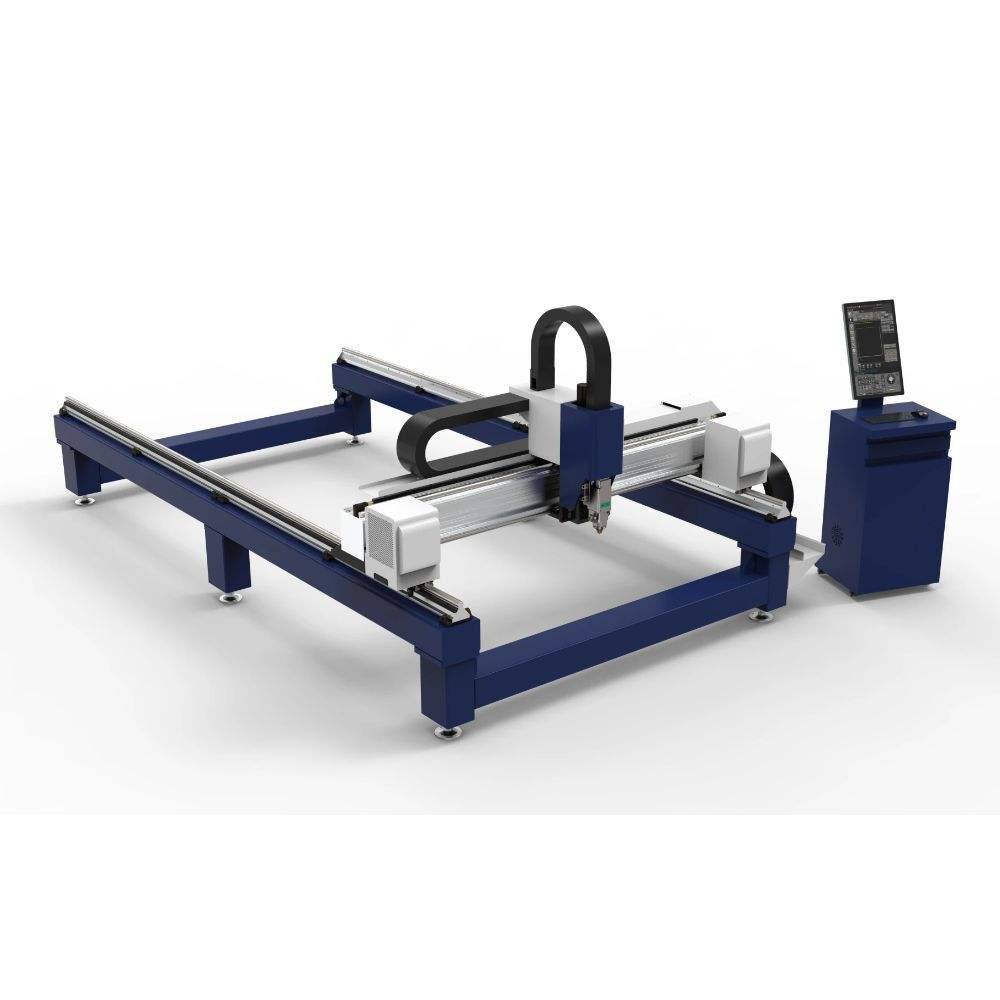
A 3kW fiber laser cutting machine utilizes an optical fiber doped with rare-earth elements as its gain medium. Unlike CO2 lasers, which use a gas mixture and mirrors, fiber lasers deliver the beam through a flexible fiber optic cable directly to the cutting head. This results in a much higher wall-plug efficiency (often exceeding 30%) and a significantly smaller beam spot size. For stainless steel, the 1.06-micron wavelength of the fiber laser is absorbed much more efficiently than the 10.6-micron wavelength of a CO2 laser, allowing for faster processing speeds on thin to medium materials.
Key technical parameters for a 3kW system include:
- Maximum Cutting Thickness (Stainless Steel): Approximately 10mm to 12mm for production quality, though 8mm is the “clean cut” threshold for many machines.
- Positioning Accuracy: ±0.03mm to ±0.05mm, essential for the tight tolerances required in aerospace components.
- Acceleration: Typically 1.0G to 1.5G, allowing for rapid direction changes during complex geometry cutting.
Optimizing Laser Cutting for Stainless Steel
Stainless steel, particularly grades 304 and 316, presents unique challenges due to its thermal conductivity and the requirement for a clean, oxide-free edge. In laser cutting, the choice of assist gas is paramount. For stainless steel, Nitrogen (N2) is the standard choice. Nitrogen acts as a mechanical force to blow the molten metal out of the kerf while simultaneously shielding the cut edge from oxygen. This prevents the formation of a dark oxide layer, ensuring that parts are ready for welding or finishing without secondary grinding.
When operating a 3kW machine, the focal point must be precisely managed. For thinner sheets, the focus is typically positioned slightly above or on the surface of the material. As the thickness increases toward the 8mm-10mm range, the focus is moved deeper into the material to ensure the kerf remains wide enough for the nitrogen to evacuate the dross effectively.
The Impact of Mexico City’s Altitude on Laser Operations
Operating a 3kW fiber laser in Mexico City requires specific engineering considerations due to the city’s altitude of approximately 2,240 meters (7,350 feet). The lower atmospheric pressure and thinner air affect the machine in several ways:
1. Cooling System Efficiency
Fiber lasers generate significant heat at the power source and the cutting head. Water chillers are used to maintain stable temperatures. At higher altitudes, the air’s ability to carry heat away from the chiller’s condenser is reduced. Engineers in CDMX must ensure that chillers are either oversized or equipped with high-efficiency heat exchangers to prevent thermal tripping during the hot afternoons in the Valle de México.
2. Assist Gas Dynamics
The behavior of high-pressure nitrogen changes slightly in thinner air. While the internal pressure of the gas cylinders or tanks remains the same, the pressure differential between the nozzle and the ambient atmosphere is higher. This can lead to subtle changes in the gas flow laminar patterns. Operators must often fine-tune their cutting parameters—specifically nozzle height and gas pressure—compared to sea-level settings to achieve the same “burr-free” finish on stainless steel.
3. Electrical Components
Lower air density also affects the dielectric strength of air, which can impact high-voltage components. While modern fiber lasers are well-insulated, ensuring a clean, climate-controlled environment for the electrical cabinets is vital in high-altitude industrial zones like Vallejo or Naucalpan to prevent premature component failure.
Assist Gas Management: Nitrogen vs. Oxygen
While Nitrogen is the gold standard for stainless steel, some 3kW operators in Mexico City utilize Oxygen (O2) for thicker sections of stainless steel where edge discoloration is not a primary concern. Oxygen creates an exothermic reaction, adding thermal energy to the cut, which allows the 3kW laser to pierce and cut thicker plates than it could with Nitrogen alone. However, this leaves a black oxide scale that must be removed if the part is to be painted or used in food-grade applications. For the majority of CDMX’s architectural and food-service fabricators, high-pressure Nitrogen remains the necessity, often requiring a dedicated cryogenic tank or a high-pressure Nitrogen generator to maintain continuous 24/7 laser cutting operations.
Key Components and Structural Integrity
A 3kW machine is a high-precision instrument that relies on the harmony of several critical components:
- The Laser Source: Leading brands like IPG, Raycus, or nLight provide the 3kW modules. In the Mexican market, serviceability and local technician availability for these brands are crucial factors in the purchasing decision.
- The Cutting Head: Autofocus heads (such as those from Raytools or Precitec) are standard at 3kW. They allow the machine to automatically adjust the focal position based on the material library, reducing setup time and operator error.
- The Motion System: High-precision rack and pinion systems, coupled with Yaskawa or Panasonic servo motors, ensure that the 3kW power is matched by movement speed. In a heavy industrial environment like Mexico City, a heavy-duty welded steel frame that has been stress-relieved via heat treatment is essential to maintain accuracy over years of vibration.
Maintenance Protocols in High-Output Environments
To maintain peak performance in a 3kW laser cutting system, a rigorous maintenance schedule is required. In the dusty industrial corridors of the Estado de México, air filtration is the first line of defense. The optical path must remain pristine; even a microscopic dust particle on the protective window can lead to “thermal lens” effects or catastrophic damage to the cutting head under 3000 watts of power.
Daily checks should include cleaning the protective lens, checking the nozzle condition, and ensuring the water level in the chiller is optimal. Monthly inspections should focus on the lubrication of the linear guides and the calibration of the capacitive height sensor. Because Mexico City’s power grid can experience fluctuations, the use of a high-capacity voltage stabilizer is non-negotiable for protecting the sensitive fiber source and CNC electronics.
Economic Viability and ROI in CDMX
The investment in a 3kW fiber laser is significant, but the Return on Investment (ROI) in the Mexican market is often realized within 12 to 18 months. The speed advantage over traditional methods—such as plasma cutting or waterjet—allows shops to take on more volume. Furthermore, the ability to cut stainless steel with such precision reduces the need for secondary processes, drastically lowering labor costs.
In the context of “Nearshoring,” where North American companies are moving production closer to home, Mexico City’s fabricators are ideally positioned. Having a 3kW laser cutting capability allows these shops to meet the stringent quality standards of US and European partners, particularly in the production of stainless steel enclosures, automotive brackets, and medical equipment components.
Conclusion
The 3kW fiber laser cutting machine represents the pinnacle of versatile fabrication for the modern Mexico City workshop. By understanding the specific requirements of stainless steel—such as assist gas purity and focal management—and accounting for the environmental challenges of high-altitude operation, manufacturers can achieve unprecedented levels of productivity. As the “Made in Mexico” label continues to gain prestige globally, the role of high-precision fiber laser cutting will only become more central to the nation’s industrial success.
















