Introduction to 3kW Fiber laser cutting in Puebla’s Industrial Sector
The industrial landscape of Puebla, Mexico, has undergone a significant transformation over the last decade. As a primary hub for automotive manufacturing and metal fabrication, the demand for precision, speed, and cost-effectiveness has never been higher. Among the various technologies driving this evolution, the 3kW fiber laser cutting machine stands out as a pivotal tool for workshops and large-scale factories alike. This guide explores the technical intricacies of utilizing 3kW fiber laser technology, specifically focused on the processing of galvanized steel within the unique economic context of the Puebla region.
Laser cutting has redefined the boundaries of what is possible in sheet metal fabrication. Unlike traditional CO2 lasers or plasma cutting, fiber laser technology utilizes a solid-state gain medium, resulting in a beam that is more concentrated and energy-efficient. For a 3kW system, this power level represents the “sweet spot” for many medium-sized enterprises in Puebla, offering enough wattage to handle thick plates while maintaining the agility required for intricate designs in thinner gauges.

Technical Specifications of the 3kW Fiber Laser
A 3000W (3kW) fiber laser source provides a substantial leap in productivity compared to entry-level 1kW or 1.5kW units. In professional engineering terms, the power density of a 3kW beam allows for significantly higher feed rates on materials like carbon steel, stainless steel, and aluminum. However, its performance on galvanized steel is where many Puebla-based manufacturers find the most value.
Beam Quality and Fiber Delivery
The 3kW fiber laser utilizes a delivery fiber to transport the beam from the resonator to the cutting head. This eliminates the need for complex mirror alignments found in older systems. The beam quality, often measured by the Beam Parameter Product (BPP), is exceptionally high in 3kW units, allowing for a smaller focal spot. This small spot size results in a narrower kerf width, which is essential for nesting parts closely together and reducing material waste—a critical factor given the rising costs of raw galvanized sheets.
Drive Systems and Motion Control
To match the speed of a 3kW laser, the machine must be equipped with high-performance motion systems. Most industrial-grade machines in the Puebla market utilize helical rack and pinion systems paired with Yaskawa or Delta servo motors. These components ensure that the machine can handle the high accelerations (often up to 1.2G or 1.5G) required to maintain efficiency during complex laser cutting paths.
The Challenges of Cutting Galvanized Steel
Galvanized steel is widely used in Puebla for HVAC ducting, automotive body parts, and construction brackets due to its excellent corrosion resistance. However, the zinc coating that provides this protection presents specific challenges during the laser cutting process. Zinc has a much lower melting point than the underlying steel, which can lead to instability in the cutting zone.
The Zinc Vaporization Issue
As the laser heats the material, the zinc coating vaporizes before the steel melts. This vapor can interfere with the laser beam and create “spatter” that adheres to the nozzle or the underside of the cut. To combat this, 3kW machines must be tuned with specific frequency and duty cycle settings. In Puebla’s high-altitude environment (approximately 2,135 meters above sea level), atmospheric pressure also plays a minor role in gas dynamics, requiring slight adjustments to the auxiliary gas pressures compared to sea-level operations.
Gas Selection: Nitrogen vs. Oxygen
When laser cutting galvanized steel, the choice of assist gas is paramount.
- Nitrogen: This is the preferred choice for a clean, burr-free edge. High-pressure nitrogen (often 15-20 bar) blows away the molten metal and zinc vapor quickly, preventing oxidation of the edge. This is crucial if the parts are to be painted or welded later.
- Oxygen: While oxygen can increase cutting speeds on thicker galvanized plates by inducing an exothermic reaction, it often leaves a charred or oxidized edge. For most precision engineering applications in Puebla, nitrogen is the standard.
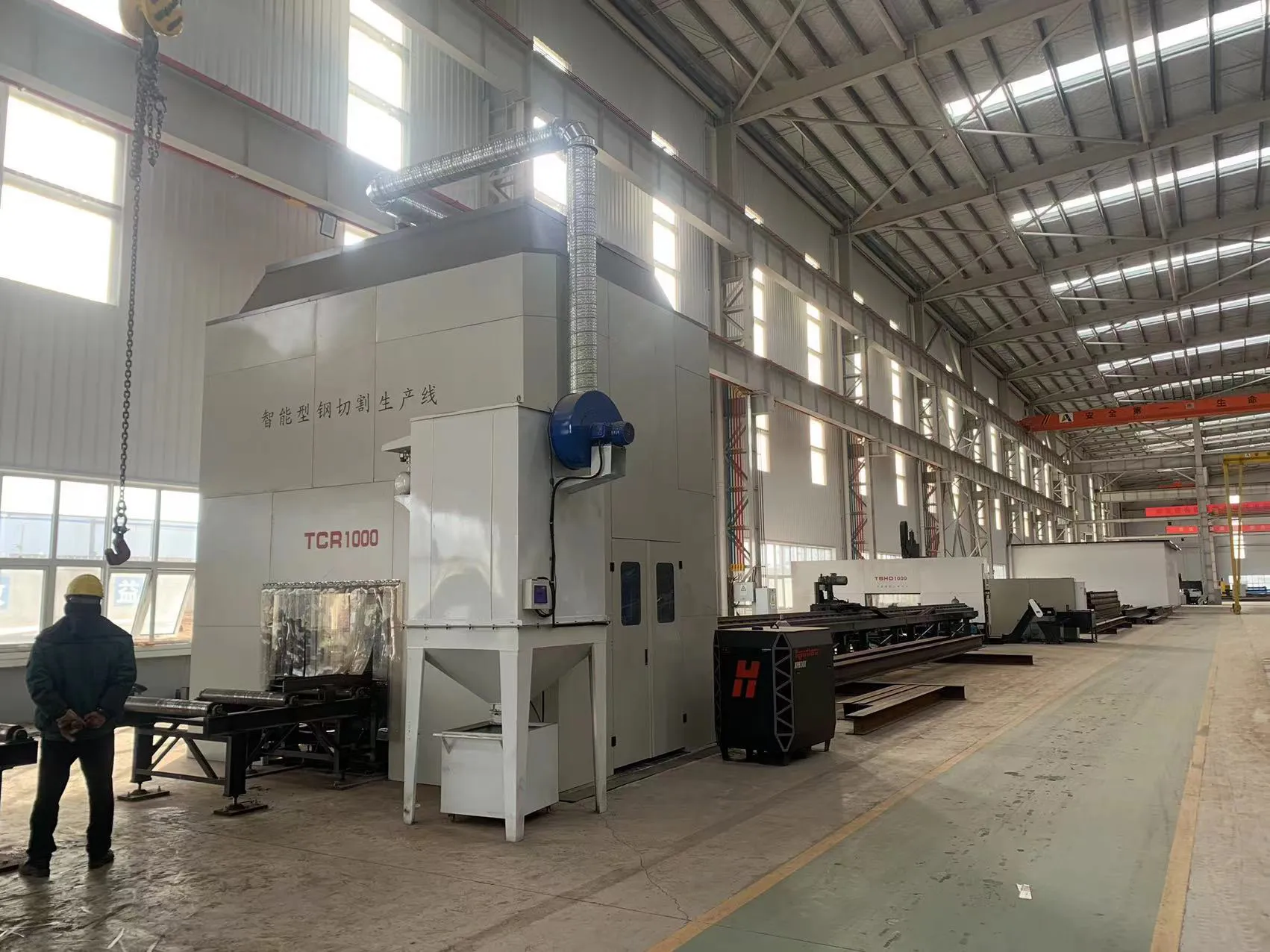
Why Puebla is the Ideal Hub for Fiber Laser Technology
Puebla’s strategic location along the “Automotive Corridor” makes it a prime candidate for advanced laser cutting infrastructure. With the presence of major OEMs like Volkswagen and Audi, a massive ecosystem of Tier 1 and Tier 2 suppliers has developed. These suppliers require components that meet stringent tolerances, often within +/- 0.05mm.
Integration with Local Manufacturing Workflows
A 3kW fiber laser cutting machine integrates seamlessly into the “Just-In-Time” (JIT) manufacturing philosophy prevalent in Puebla’s industrial parks like FINSA or Chachapa. The ability to switch from cutting 1mm galvanized sheet for an automotive heat shield to 6mm plate for a structural bracket in a matter of seconds—simply by changing a software profile—provides local shops with a competitive edge over those using traditional stamping or mechanical shearing.
Labor and Expertise
The region also benefits from a growing pool of skilled technicians graduated from institutions like BUAP and UTP. These engineers are increasingly trained in CAD/CAM software such as CypCut or Lantek, which are the standard operating systems for modern fiber laser cutting machines. This local expertise reduces the downtime associated with machine programming and troubleshooting.
Optimizing Parameters for 3kW Laser Cutting
Achieving the perfect cut on galvanized steel requires a balance of several variables. For a 3kW system, the following parameters are generally considered the baseline for engineering excellence:
Focal Position
For galvanized steel, the focal point is usually set slightly below the surface of the material when using nitrogen. This ensures that the energy is concentrated in a way that pushes the molten zinc through the bottom of the kerf, preventing “dross” or slag buildup. In 3kW heads, autofocus features are standard, allowing the machine to dynamically adjust the focus as it moves across potentially uneven sheets.
Cutting Speed and Power Modulation
While a 3kW laser can cut thin galvanized steel at speeds exceeding 40 meters per minute, maximum speed isn’t always the goal. “Corner cooling” and power modulation are necessary to prevent over-burning at sharp angles. Modern CNC controllers automatically reduce the power output as the machine slows down to navigate a corner, ensuring a consistent edge quality throughout the entire geometry of the part.
Maintenance and Longevity in Industrial Environments
Investing in a 3kW fiber laser cutting machine is a significant capital expenditure. To ensure a return on investment (ROI) within the typical 2-3 year window expected in the Puebla market, a rigorous maintenance schedule is mandatory.
Chiller Systems
The laser source and the cutting head generate significant heat. A dual-circuit water chiller is essential. In Puebla, where ambient temperatures can fluctuate, maintaining the coolant at a steady 25°C is vital for the stability of the fiber laser diodes. Using deionized water and regularly checking for contaminants prevents internal scaling within the laser source.
Optical Cleanliness
The protective window (cover glass) is the most replaced consumable in laser cutting. In the case of galvanized steel, the zinc spatter mentioned earlier can quickly degrade the glass. Operators must be trained to inspect and clean the optics in a “clean-room” environment to prevent dust from burning onto the lens, which could lead to a catastrophic failure of the cutting head.
The Economic Impact of 3kW Lasers in Puebla
Beyond the technical specifications, the adoption of 3kW fiber laser cutting technology has a profound economic impact on the local economy. By reducing the cost per part, small workshops in areas like San Jerónimo Caleras can now compete for contracts that were previously only accessible to large international firms. The high efficiency of the fiber laser—converting nearly 30-40% of electrical energy into light—results in significantly lower utility bills compared to CO2 lasers, which is a major consideration given the industrial electricity tariffs in Mexico.
Sustainability and Waste Reduction
Precision nesting software used in conjunction with laser cutting allows for maximum material utilization. In the production of galvanized components, this means less scrap metal and a smaller environmental footprint. As Puebla moves toward more “green” manufacturing initiatives, the energy efficiency of fiber technology aligns perfectly with regional sustainability goals.
Conclusion
The 3kW fiber laser cutting machine represents the pinnacle of versatility for the modern fabricator in Puebla. Whether processing galvanized steel for the automotive sector or decorative architectural elements, the combination of power, precision, and efficiency is unmatched. By understanding the specific technical requirements of galvanized materials and leveraging the local industrial expertise, manufacturers in Puebla can continue to lead the way in Mexico’s metalworking industry. As laser technology continues to advance, the 3000W platform remains the most reliable and profitable choice for high-quality production.