
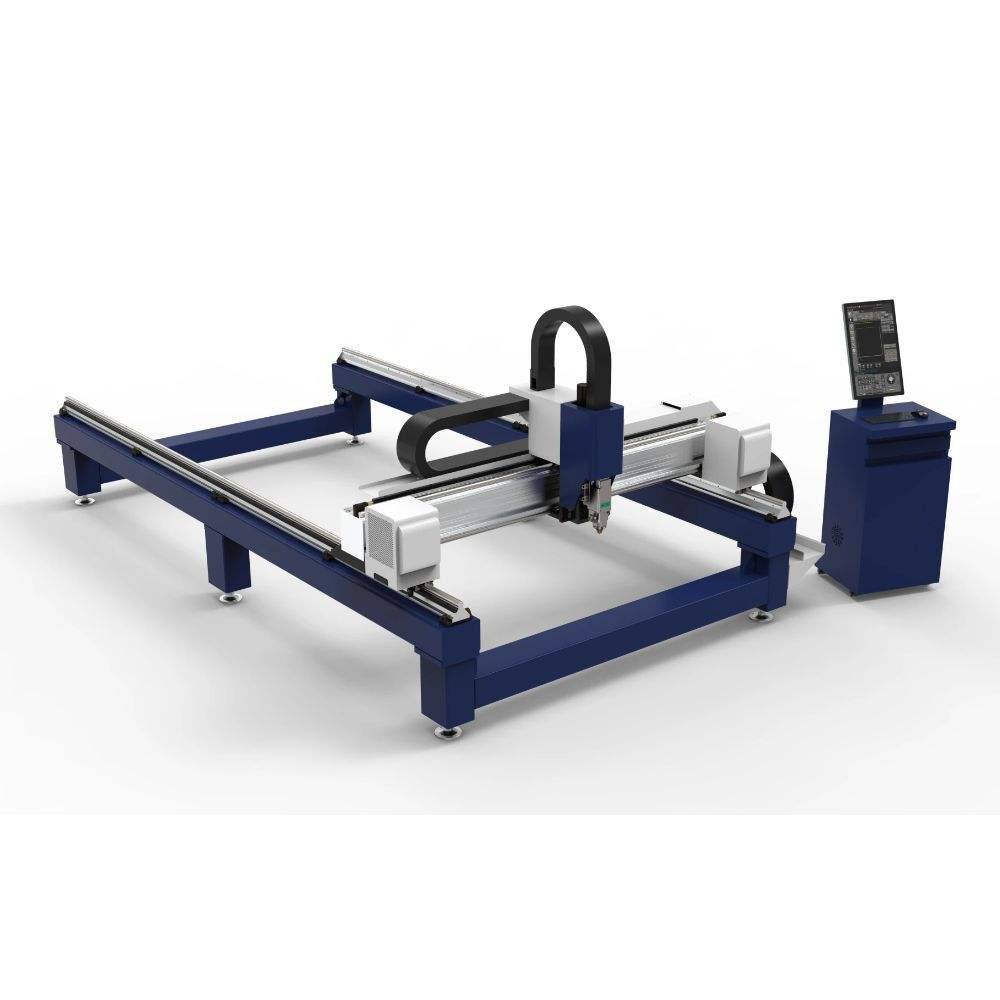
The Evolution of Industrial Manufacturing: The 3kW Fiber laser cutting Machine
In the heart of Mexico’s industrial powerhouse, Monterrey, the manufacturing sector is undergoing a rapid transformation. As the “Sultana del Norte” solidifies its position as a global hub for automotive, aerospace, and heavy machinery production, the demand for precision, speed, and cost-efficiency has never been higher. At the center of this technological shift is the 3kW fiber laser cutting machine, a tool that has become the gold standard for processing carbon steel. This guide explores the technical intricacies, operational advantages, and strategic importance of implementing 3kW fiber laser technology within the unique economic landscape of Monterrey.
Technical Specifications and the 3kW Advantage
The 3kW fiber laser cutting machine represents a critical “sweet spot” in the spectrum of industrial laser power. While 1kW machines are often limited to thinner gauges and 6kW+ machines require significantly higher capital investment and utility infrastructure, the 3kW variant offers a versatile balance. It provides sufficient power to penetrate thick carbon steel plates while maintaining the high-frequency precision required for intricate geometries.
Beam Quality and Wavelength
Fiber lasers operate at a wavelength of approximately 1.064 microns. This wavelength is significantly more efficient for metal absorption compared to the 10.6 microns of traditional CO2 lasers. In the context of carbon steel, this means the energy is concentrated more effectively, leading to a narrower kerf width and a smaller heat-affected zone (HAZ). For engineers in Monterrey’s rigorous quality-control environments, this translates to parts that require minimal post-processing or edge grinding.

Cutting Capacities for Carbon Steel
When processing carbon steel—the backbone of Monterrey’s construction and automotive industries—a 3kW fiber laser typically handles thicknesses ranging from 0.5mm to 20mm.
- Thin Gauge (1-3mm): The machine achieves “lightning-fast” speeds, often exceeding 30-40 meters per minute, depending on the motion system.
- Medium Gauge (4-12mm): This is the 3kW’s primary operational range, offering a perfect balance of clean edge quality and consistent throughput.
- Thick Gauge (14-20mm): While reaching the upper limits of the 3kW capacity, the machine can produce high-quality structural components using oxygen as an assist gas, essential for Monterrey’s heavy equipment manufacturers.
Optimizing Carbon Steel Processing in Monterrey
Carbon steel, characterized by its carbon content and varying degrees of alloying elements, reacts uniquely to laser energy. In Monterrey, where local steel mills like Ternium provide a steady supply of high-quality hot-rolled and cold-rolled coils, understanding the interplay between the laser and the material is vital for operational success.
The Role of Assist Gases
Laser cutting carbon steel involves a chemical reaction between the metal and the assist gas. The choice of gas drastically alters the outcome:
Oxygen (O2): Used for thicker carbon steel plates. The oxygen acts as an exothermic accelerant, helping the laser melt through the material. This process creates a thin oxide layer on the cut edge. While efficient, engineers must account for this layer if the parts are to be painted or powder-coated later, as it may require removal to ensure coating adhesion.
Nitrogen (N2): Often used for thinner carbon steel where a “bright cut” is required. Nitrogen acts as a shielding gas, blowing away the molten metal without a chemical reaction. This prevents oxidation, leaving a clean edge ready for immediate welding or painting. Given Monterrey’s high-volume export market, the “no-clean” edge provided by nitrogen cutting is a significant competitive advantage.
Thermal Management in High-Temperature Climates
Monterrey is known for its extreme temperatures, often exceeding 40°C during the summer months. For a fiber laser cutting machine, thermal management is non-negotiable. High-quality 3kW systems must be paired with robust industrial chillers that maintain the laser source and the cutting head at a constant temperature. Fluctuations in ambient temperature can affect the beam’s focal point and the stability of the fiber source. Local manufacturers must ensure their facilities have adequate ventilation or climate-controlled environments for the machine’s power cabinets to prevent thermal tripping and maximize uptime.
Strategic Importance: Nearshoring and the USMCA
The rise of “nearshoring” has placed Monterrey at the forefront of the North American supply chain. As companies move manufacturing closer to the United States to mitigate logistics risks, the demand for rapid prototyping and just-in-time (JIT) production has surged. The 3kW fiber laser cutting machine is the ideal tool for this environment.
Speed to Market
Unlike traditional stamping or plasma cutting, laser cutting requires no physical tooling. A CAD file can be converted into a finished carbon steel part in minutes. This agility allows Monterrey-based job shops to respond to RFQs from Texas or Michigan with unprecedented speed. The 3kW power level ensures that whether the order is for thin automotive brackets or thicker structural plates for the oil and gas sector, the shop has the capability to deliver.
Precision and Repeatability
In the automotive sector—heavily represented in the Santa Catarina and Apodaca districts—tolerances are measured in microns. Modern 3kW fiber lasers, equipped with high-precision linear motors or rack-and-pinion systems, offer repeatability within ±0.03mm. This level of precision ensures that every carbon steel component fits perfectly into automated assembly lines, reducing waste and improving the bottom line for Tier 1 and Tier 2 suppliers.
Operational Excellence: Maintenance and Software
Owning a 3kW fiber laser cutting machine in Monterrey requires a commitment to proactive maintenance and software integration. Because the industrial environment in Northern Mexico can be dusty and dry, the optical components of the laser must be protected.
Maintenance Protocols
The “fiber” in fiber laser refers to the delivery medium. Unlike CO2 lasers, there are no mirrors to align in the beam path. However, the protective window (cover glass) in the cutting head is a consumable that requires daily inspection. In Monterrey’s industrial parks, airborne particulates can settle on the lens if the piercing process is not properly managed. Regular cleaning and the use of high-purity assist gases are essential to prevent “lens burn,” which can lead to costly downtime.
CNC and Nesting Software
To maximize the ROI of a 3kW system, efficient nesting software is required. Carbon steel prices fluctuate, and minimizing scrap is essential for profitability. Advanced nesting algorithms can “bridge” parts together, use common-line cutting to reduce the number of pierces, and optimize the cutting path to prevent the laser head from traveling over tipped-up parts. For Monterrey manufacturers, integrating this software with ERP systems allows for real-time tracking of material usage and job costs.
Economic Impact and ROI
The investment in a 3kW fiber laser cutting machine is significant, but the ROI in the Monterrey market is often realized within 18 to 24 months. The primary drivers of this return are:
- Energy Efficiency: Fiber lasers convert electricity to light with roughly 30-35% efficiency, compared to 10% for CO2. This results in significantly lower utility bills.
- Labor Savings: The high cutting speeds and reduced need for secondary finishing mean fewer man-hours per part.
- Material Versatility: While this guide focuses on carbon steel, the 3kW fiber laser can also cut stainless steel, aluminum, and brass, allowing shops to diversify their client base.
Conclusion: The Future of Monterrey’s Metalworking Industry
As Monterrey continues to grow as a global manufacturing titan, the adoption of advanced laser cutting technology is no longer optional—it is a prerequisite for survival. The 3kW fiber laser cutting machine provides the perfect synergy of power, precision, and operational economy for processing carbon steel. By leveraging this technology, local manufacturers can meet the rigorous demands of the international market, capitalize on the nearshoring trend, and drive the future of industrial excellence in Mexico. Whether you are a small job shop in Guadalupe or a massive fabrication plant in San Nicolás, the 3kW fiber laser is the engine that will power the next generation of Mexican manufacturing.
















