
Introduction to 3kW Fiber laser cutting Technology in the Mexican Industrial Sector
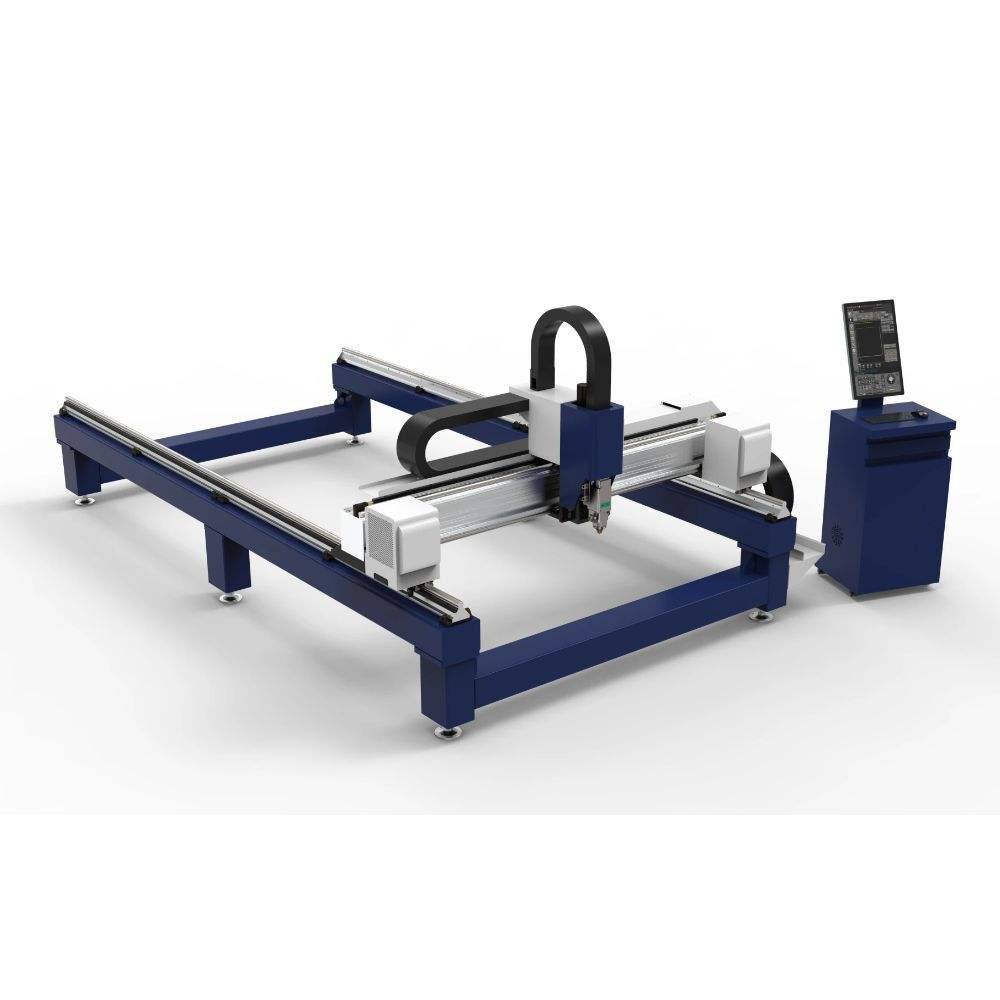
The industrial landscape of Mexico City and its surrounding metropolitan areas, such as Naucalpan, Tlalnepantla, and Iztapalapa, has undergone a significant technological shift over the last decade. As the hub of Mexico’s manufacturing prowess, the demand for precision, speed, and cost-efficiency has led to the widespread adoption of fiber laser technology. Specifically, the 3kW fiber laser cutting machine has emerged as the “gold standard” for medium-duty metal fabrication, offering a perfect equilibrium between capital investment and operational throughput.
For engineering firms and metal service centers in Mexico City, the transition from traditional plasma or CO2 systems to fiber laser cutting represents a quantum leap in productivity. Fiber lasers utilize a solid-state gain medium, where the laser beam is generated in an optical fiber doped with rare-earth elements. This beam is then delivered via a flexible fiber optic cable to the cutting head, eliminating the need for complex mirror alignments. At a 3kW power rating, these machines are exceptionally proficient at processing carbon steel, which remains the most utilized material in the regional construction, automotive, and appliance industries.
The Technical Advantages of 3kW Power for Carbon Steel
Carbon steel, ranging from low-carbon A36 to higher-strength alloys, is the backbone of Mexican infrastructure. A 3kW fiber laser cutting system provides the specific energy density required to achieve high-quality edge finishes on various thicknesses. While lower power units (1kW or 1.5kW) struggle with thicknesses above 10mm, the 3kW oscillator allows for consistent production-grade cutting of carbon steel up to 20mm, with a maximum piercing capability often reaching 22mm under optimal conditions.
The wavelength of a fiber laser is approximately 1.06 microns, which is ten times shorter than that of a CO2 laser. This shorter wavelength results in a much higher absorption rate in carbon steel. Consequently, the laser cutting process is not only faster but also more energy-efficient. In the context of Mexico City’s industrial electricity tariffs, reducing the kilowatt-hour per meter of cut is a critical factor in maintaining a competitive edge in the local market.

Optimizing Cutting Speeds and Thicknesses
When processing carbon steel with a 3kW fiber laser cutting machine, the relationship between thickness and speed is the primary concern for production managers. For thin gauge materials (1mm to 3mm), the 3kW source allows for “fly cutting” or high-speed nitrogen-assisted cutting, reaching speeds that can exceed 30 meters per minute. However, for the majority of structural applications in Mexico City, oxygen is the preferred assist gas for carbon steel.
Using oxygen as an assist gas creates an exothermic reaction, which adds thermal energy to the cutting process. This allows the 3kW laser to maintain efficient speeds on 6mm plate (approx. 2.4 – 3.0 m/min) and 12mm plate (approx. 1.2 – 1.5 m/min). The ability to maintain these speeds while ensuring a narrow kerf width is essential for workshops producing precision components for the automotive clusters in the State of Mexico.
Operational Challenges in Mexico City’s Environment
Operating high-precision laser cutting equipment in Mexico City presents unique environmental challenges that engineers must address to ensure machine longevity and accuracy. The two most prominent factors are the city’s high altitude and the stability of the local power grid.
The Impact of High Altitude on Cooling and Pneumatics
Mexico City sits at an average elevation of 2,240 meters above sea level. At this altitude, the air is thinner, which directly affects the heat exchange efficiency of the machine’s chiller unit. Fiber lasers are highly sensitive to temperature fluctuations; the laser source and the cutting head must be maintained within a strict thermal range. Engineers must ensure that the cooling systems are rated for high-altitude operation or are oversized to compensate for the reduced atmospheric pressure. Furthermore, the pneumatic systems used for assist gas delivery must be calibrated to account for the different air density to ensure consistent pressure at the nozzle.
Electrical Stability and Power Regulation
The industrial zones of CDMX often experience voltage fluctuations that can be detrimental to the sensitive electronics of a fiber laser cutting system. The CNC controller, the laser source, and the servo motors require a stable power supply. It is standard engineering practice in Mexico to install a high-capacity industrial voltage regulator and an isolation transformer alongside the 3kW laser. This protects the machine from “picos de voltaje” (voltage spikes) and ensures that the laser cutting quality remains consistent throughout the work shift, regardless of the load on the local grid.
Material Considerations: Carbon Steel Quality in the Mexican Market
The success of the laser cutting process is heavily dependent on the quality of the carbon steel being processed. In the Mexican market, steel sourced from major domestic producers like Ternium or AHMSA is generally of high quality, but surface conditions can vary. For 3kW fiber lasers, the presence of mill scale, rust, or oil can interfere with the beam’s absorption and the assist gas flow.
Surface Preparation and “Laser-Film” Steel
To achieve the best results, many high-end fabricators in Mexico City opt for “pickled and oiled” (P&O) steel or cold-rolled steel for thinner applications. If hot-rolled steel is used, it is vital to ensure the mill scale is tight and uniform. Modern 3kW machines often include a “pre-cleaning” or “evaporation” pass feature in their software, which uses a low-power laser pulse to clear the path of contaminants before the actual cutting occurs. This is particularly useful for structural steel plates stored in humid environments, which are common during the rainy season in central Mexico.
Nozzle Selection and Focal Position
For carbon steel, a 3kW fiber laser cutting machine typically utilizes a double nozzle. The double nozzle design helps stabilize the oxygen flow, reducing turbulence and resulting in a smoother edge. Engineers must also precisely calibrate the focal position. For thick carbon steel, the focus is generally set above the material surface to allow the oxygen to penetrate the kerf effectively, whereas for thin sheets, the focus is buried within the material to maximize cutting speed. In a 3kW system, the margin for error is smaller than in 10kW+ systems, requiring more diligent parameter management by the operator.
Maintenance Protocols for High-Altitude Fiber Lasers
Maintenance is the cornerstone of ROI for any laser cutting operation. In the dusty industrial corridors of Mexico City, preventative maintenance takes on even greater importance. The optical components, although sealed, must be checked in a clean-room environment if any contamination is suspected.
Chiller and Gas Filtration
The chiller’s water quality must be monitored weekly. In Mexico, where water hardness can vary significantly, using deionized water with the correct additives is mandatory to prevent scaling in the internal cooling circuits of the 3kW source. Additionally, because oxygen and nitrogen tanks are often stored outdoors in Mexican workshops, high-quality gas filtration systems are necessary to prevent moisture or particulates from reaching the cutting head, which could cause catastrophic failure of the protective window.
The Role of the Protective Window
The most common consumable in a 3kW laser cutting setup is the protective window (cover glass). This small quartz component protects the expensive focusing lens from backspatter during the piercing process. Given the atmospheric conditions in CDMX, ensuring the area around the cutting head is kept clean is vital. Operators should be trained to inspect the window every 4-8 hours of operation, as a dirty window will absorb laser energy, heat up, and eventually crack, potentially damaging the entire optical assembly.
Economic Impact and ROI for Mexican Fabricators
Investing in a 3kW fiber laser cutting machine is a strategic move for Mexican SMEs looking to move away from outsourcing. By bringing laser cutting capabilities in-house, companies can reduce lead times from weeks to days. The 3kW power level is particularly attractive because it offers a lower “cost per part” for the 3mm to 12mm thickness range, which constitutes the bulk of the demand in the local construction and metal-mechanic sectors.
Furthermore, the labor market in Mexico City is increasingly demanding skilled CNC operators. Implementing a fiber laser system allows a single operator to do the work of four or five manual saw or plasma stations, significantly increasing the “valor agregado” (added value) of the workshop. With the current trend of “nearshoring,” where North American companies are moving manufacturing to Mexico, having a 3kW fiber laser ensures that a shop meets the international quality standards required by global supply chains.
Conclusion: The Future of Metal Fabrication in CDMX
The 3kW fiber laser cutting machine represents a transformative technology for the carbon steel industry in Mexico City. By understanding the technical nuances of the 3kW power source, the environmental specificities of the high-altitude Valley of Mexico, and the material characteristics of local steel, fabricators can achieve unprecedented levels of precision and efficiency. As the region continues to grow as a global manufacturing hub, those who master the art of laser cutting will be best positioned to lead the market, providing the high-quality components that drive the modern economy.
Whether it is for architectural facades in Santa Fe, automotive brackets in Toluca, or heavy machinery components in Vallejo, the 3kW fiber laser is the tool that bridges the gap between traditional craftsmanship and the future of automated manufacturing. By adhering to rigorous engineering standards and maintenance protocols, Mexican enterprises can ensure their fiber laser systems remain productive assets for decades to come.
















