
Introduction to 3kW Fiber laser cutting in Leon’s Industrial Sector
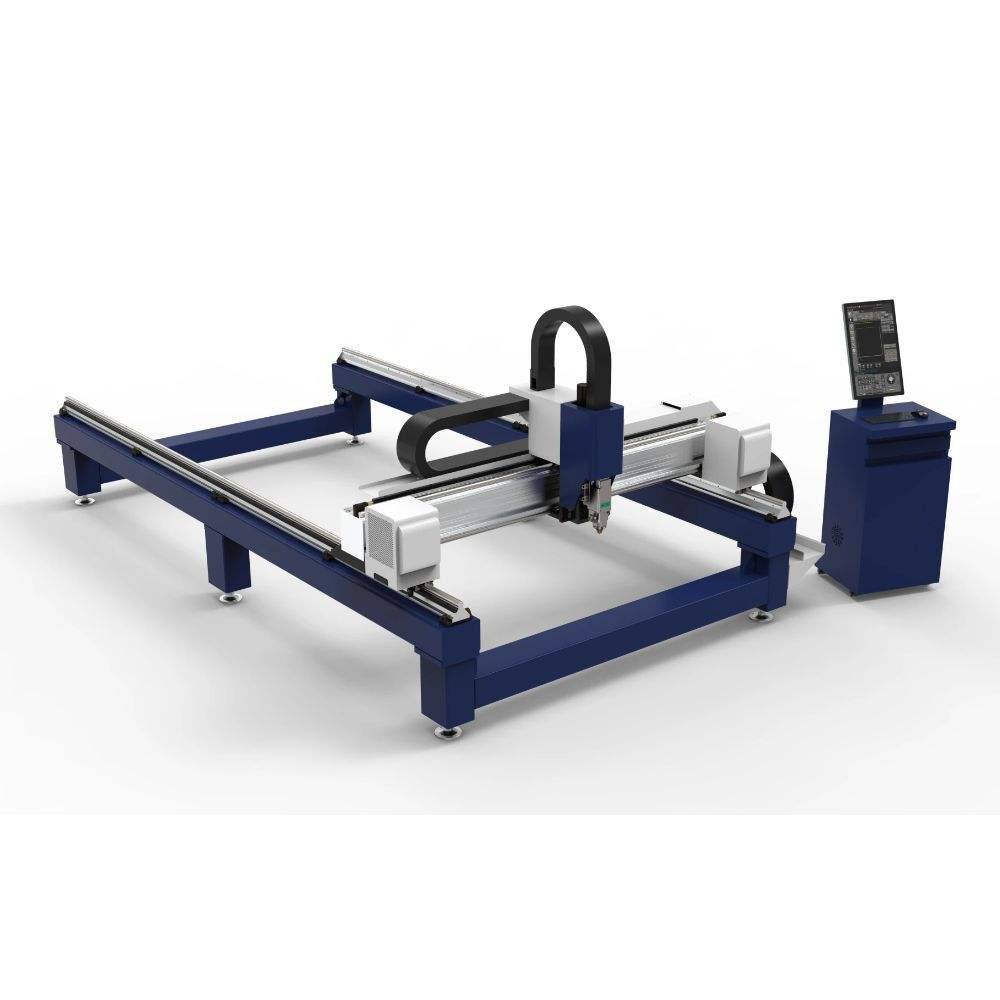
The industrial landscape of Leon has undergone a significant transformation over the last decade, transitioning from traditional mechanical fabrication to high-precision automated systems. At the heart of this evolution is the 3kW fiber laser cutting machine, a tool that has become the gold standard for processing carbon steel. For engineering firms and manufacturing plants in the region, the adoption of fiber laser technology represents a leap in efficiency, offering a combination of speed, accuracy, and cost-effectiveness that plasma or CO2 lasers simply cannot match.
A 3kW system is strategically positioned as a versatile powerhouse. It provides sufficient energy density to penetrate thick carbon steel plates while maintaining the agility required for intricate, high-speed thin-gauge work. This guide explores the technical nuances of utilizing a 3kW fiber laser for carbon steel applications, specifically tailored to the rigorous demands of Leon’s automotive, agricultural, and construction sectors.

The Engineering Behind 3kW Fiber Laser Power
To understand why a 3kW rating is ideal for carbon steel, one must look at the physics of the fiber laser. Unlike CO2 lasers, which use a gas mixture and mirrors, a fiber laser generates its beam through a “seed” laser and amplifies it within specially doped glass fibers. The resulting wavelength—typically around 1.06 microns—is approximately ten times shorter than that of a CO2 laser.
Energy Absorption and Beam Quality
Carbon steel has a high absorption rate for the 1.06-micron wavelength. This means that more of the 3kW energy is converted into heat upon contact with the metal surface, rather than being reflected. This high absorption efficiency allows for faster cutting speeds and a smaller heat-affected zone (HAZ). For manufacturers in Leon, this translates to parts that require less post-processing, as the edges remain structurally sound and free from excessive thermal warping.
The “3kW” designation refers to the continuous output power of the laser source. In the context of laser cutting, this power level is capable of processing carbon steel up to 20mm or even 22mm in thickness, though its “sweet spot” for high-volume production typically lies between 3mm and 12mm. Within this range, the machine operates with peak efficiency, balancing gas consumption with linear cutting speed.
Carbon Steel Processing: Material Dynamics and Precision
Carbon steel is the backbone of industrial fabrication in Leon. Whether it is A36 hot-rolled steel or cold-rolled variations, the material’s carbon content significantly influences how it reacts to laser cutting. The 3kW fiber laser offers the precision needed to handle the varying carbon concentrations found in industrial-grade plates.
Managing the Heat-Affected Zone (HAZ)
One of the primary concerns in engineering is the HAZ. Excessive heat can alter the grain structure of carbon steel, leading to brittleness at the cut edge. The high power density of a 3kW fiber laser allows the beam to pass through the material rapidly. By minimizing the time the laser dwells on any single point, the HAZ is kept to a minimum. This is critical for components in Leon’s automotive supply chain, where structural integrity and weldability of the cut edge are non-negotiable.
Optimized Cutting Parameters for Carbon Steel
Achieving a perfect cut on carbon steel involves a delicate balance of power, speed, focal position, and gas pressure. A 3kW machine provides the operator with a wide “process window,” but fine-tuning is necessary for superior results.
Focal Point Adjustment
For thin carbon steel (under 4mm), the focal point is usually set slightly above or at the surface of the material. However, as the thickness increases toward the 16mm-20mm range, the focal point must be shifted deeper into the plate. This ensures that the energy is distributed evenly throughout the kerf, preventing the bottom of the cut from becoming clogged with dross.
Speed and Feed Rates
In the competitive manufacturing environment of Leon, throughput is king. A 3kW fiber laser can cut 1mm carbon steel at speeds exceeding 30 meters per minute. When moving to 10mm plate, the speed naturally drops, but the 3kW source still maintains a productive pace of approximately 1.2 to 1.5 meters per minute, depending on the assist gas used. Maintaining these speeds is essential for preventing “over-burning,” where the oxygen assist gas reacts too violently with the steel, resulting in a ragged edge.
The Role of Assist Gases in High-Quality Finishes
In laser cutting carbon steel, the choice of assist gas is just as important as the laser power itself. The gas serves two purposes: it clears the molten metal from the kerf and, in some cases, facilitates the cutting process through a chemical reaction.
Oxygen (O2) Cutting
Oxygen is the most common assist gas for carbon steel. It triggers an exothermic reaction with the heated metal, adding extra thermal energy to the process. This allows a 3kW laser to cut through thick plates that would otherwise require much higher wattage. The trade-off is the formation of a thin oxide layer on the cut edge. For many industrial applications in Leon, this oxide layer is acceptable, though it must be removed if the part is to be powder-coated or painted.
Nitrogen (N2) and Compressed Air
For thinner carbon steel sheets where a clean, oxide-free edge is required, nitrogen or high-pressure compressed air can be used. Nitrogen acts as an inert shield, preventing oxidation. While it requires more laser power to achieve the same speed as oxygen (since there is no exothermic boost), the resulting edge is ready for immediate welding or painting. Modern 3kW machines are increasingly using air compressors to reduce operational costs while maintaining high speeds on 1mm to 3mm carbon steel.
Strategic Advantages for Leon’s Manufacturing Clusters
Leon, Guanajuato, is a nexus for the “Bajío” industrial region, known for its heavy investment in metal-mechanic processes. Integrating a 3kW fiber laser cutting machine into a local facility offers several strategic advantages.
Reduction in Material Waste
Precision laser cutting allows for advanced nesting techniques. Because the laser beam diameter is extremely small (often less than 0.1mm), parts can be placed very close together on a sheet of carbon steel. This maximizes material utilization, which is vital given the fluctuating prices of raw steel in the global market. Local shops in Leon can significantly improve their margins by reducing scrap rates.
Versatility in Production
The ability to switch between thin decorative panels and thick structural brackets on the same machine makes the 3kW system highly versatile. Leon’s diverse economy—ranging from footwear machinery to heavy-duty trailers—demands this flexibility. A fiber laser can handle various grades of carbon steel with minimal setup time, allowing for agile manufacturing and “just-in-time” delivery models.
Maintenance and Longevity of the Laser System
To maintain peak performance in Leon’s industrial environment, regular maintenance of the 3kW fiber laser is essential. Unlike older laser technologies, fiber lasers are relatively low-maintenance because they lack complex internal mirrors and glass tubes.
Optical Path Protection
The most critical component is the cutting head. It contains sensitive lenses and a protective window (cover glass). In carbon steel cutting, the piercing process can cause molten “spatter.” Ensuring the cover glass is clean and replaced when pitted is vital for maintaining beam quality. A dirty lens can cause the beam to diverge, reducing the effective power and resulting in poor cut quality.
Chiller and Environment Control
Leon’s climate can vary, and keeping the laser source at a stable temperature is paramount. The 3kW source requires a high-quality industrial chiller. The water in the chiller must be deionized and treated to prevent algae growth or mineral buildup, which could interfere with the cooling of the fiber or the cutting head. Furthermore, keeping the machine in a dust-controlled environment prevents metallic particles from interfering with the electronic components and the linear guides.
Economic Feasibility and Return on Investment
Investing in a 3kW fiber laser cutting machine is a significant capital expenditure, but the ROI for Leon-based businesses is often realized within 18 to 24 months. The primary drivers of this ROI are increased production speed and lower cost-per-part.
Energy Efficiency
Fiber lasers are remarkably energy-efficient, boasting a wall-plug efficiency of about 30-35%, compared to the 10% efficiency of CO2 lasers. This leads to lower electricity bills, a critical factor for large-scale operations in industrial parks. Additionally, the speed of laser cutting on carbon steel means that the machine can produce more parts in a single shift than two or three older plasma cutters combined.
Labor Costs and Automation
With intuitive CNC interfaces, these machines require fewer highly skilled operators to produce complex parts. Many 3kW systems in Leon are now being paired with automated loading and unloading systems, allowing for “lights-out” manufacturing. This reduces the labor cost associated with each part and allows human workers to focus on higher-value tasks like design and quality assurance.
Conclusion: The Future of Metal Fabrication in Leon
The 3kW fiber laser cutting machine is more than just a tool; it is a catalyst for industrial growth. For the carbon steel fabrication industry in Leon, it provides the precision, speed, and reliability needed to compete on a global stage. By understanding the engineering principles of fiber lasers and optimizing the parameters for carbon steel, local manufacturers can ensure high-quality output and long-term profitability.
As technology continues to advance, the integration of AI-driven cutting paths and even more efficient laser sources will further enhance the capabilities of these machines. However, for the foreseeable future, the 3kW fiber laser remains the optimal choice for the diverse and demanding world of carbon steel processing in the heart of Mexico’s industrial corridor.
















