
Introduction to 3kW Fiber laser cutting Technology in Puebla
The industrial landscape of Puebla, Mexico, has undergone a significant transformation over the last decade. As a primary hub for automotive manufacturing and precision engineering, the demand for advanced metal fabrication tools has skyrocketed. Among these technologies, the 3kW fiber laser cutting machine stands out as a cornerstone of modern production. This specific power rating—3,000 watts—represents a critical “sweet spot” for manufacturers who require a balance between high-speed processing of thin materials and the capability to penetrate thicker non-ferrous alloys.
In the context of Puebla’s diverse industrial sector, which ranges from the massive Volkswagen and Audi supply chains to boutique architectural metal shops in the city center, the 3kW fiber laser offers unparalleled versatility. While fiber lasers have traditionally dominated the processing of stainless and carbon steels, their application in cutting “yellow metals” like brass has historically presented challenges. However, modern 3kW systems equipped with advanced beam delivery and back-reflection protection have revolutionized how Puebla-based fabricators handle these reflective materials.
The Technical Superiority of 3kW Fiber Lasers for Brass
Brass, an alloy primarily composed of copper and zinc, is prized for its corrosion resistance, electrical conductivity, and aesthetic appeal. However, from a laser cutting perspective, brass is categorized as a “highly reflective” material. In the early days of CO2 lasers, cutting brass was nearly impossible because the material would reflect the laser’s infrared wavelength back into the resonator, causing catastrophic damage to the machine.
The advent of fiber laser technology changed this dynamic. Operating at a wavelength of approximately 1.06 microns—roughly ten times shorter than that of a CO2 laser—the fiber laser beam is much more readily absorbed by brass. A 3kW fiber laser provides sufficient energy density to quickly overcome the material’s initial reflectivity, creating a stable “keyhole” for the cutting process. In Puebla’s competitive manufacturing environment, the ability to process brass with high precision and minimal waste is a significant competitive advantage.

Understanding Power Density and Material Thickness
A 3kW system is particularly effective for brass thicknesses ranging from 1mm to 8mm. While higher wattage machines (6kW or 12kW) exist, they often represent an unnecessary capital expenditure for shops that primarily focus on decorative elements, electrical components, or automotive shims. The 3kW resonator delivers a focused beam that minimizes the Heat Affected Zone (HAZ), ensuring that the metallurgical properties of the brass remain intact. This is crucial for Puebla’s aerospace and electronics suppliers, where material integrity is non-negotiable.
Challenges and Solutions in Cutting Brass
Despite the advantages of fiber technology, laser cutting brass still requires a sophisticated understanding of thermodynamics. Brass has high thermal conductivity, meaning it dissipates heat away from the cut zone very rapidly. To counter this, the 3kW laser must maintain a high feed rate to ensure the energy stays concentrated enough to melt the metal.
Back-Reflection Protection
The primary concern for any operator in Puebla using a 3kW machine on brass is back-reflection. Even with the improved absorption of fiber wavelengths, a portion of the beam can still bounce back toward the laser source, especially during the initial piercing phase. Modern 3kW machines used in the region are equipped with optical isolators and sensors that detect reflected light and shut down the beam instantaneously if a danger threshold is reached. This allows for the safe processing of high-polish brass sheets commonly used in Puebla’s luxury architectural projects.
Assist Gas Selection: Nitrogen vs. Oxygen
The choice of assist gas is pivotal when laser cutting brass. For most industrial applications in Puebla, high-pressure Nitrogen is the preferred choice. Nitrogen acts as a mechanical force to eject the molten brass from the kerf without causing oxidation. This results in a clean, bright, and burr-free edge that requires no secondary finishing. While Oxygen can be used to speed up the cutting of very thick brass, it often leaves an oxide layer that must be removed if the part is to be plated or soldered later.
Industrial Applications in the Puebla Region
Puebla’s strategic location along the “Automotive Corridor” makes it a prime location for specialized laser cutting services. Brass components are vital in several local sectors:
- Automotive Electronics: Brass connectors, terminals, and busbars are essential for the electrical systems of modern vehicles. The 3kW fiber laser provides the precision needed for these small, intricate parts.
- Architectural Hardware: From the historic renovations in Puebla’s “Centro Histórico” to modern developments in Angelópolis, decorative brass signage, door hardware, and custom lighting fixtures are in high demand.
- Industrial Valves and Fittings: Brass is widely used in fluid handling. Local manufacturers use 3kW lasers to cut gaskets and specialized flanges with tight tolerances.
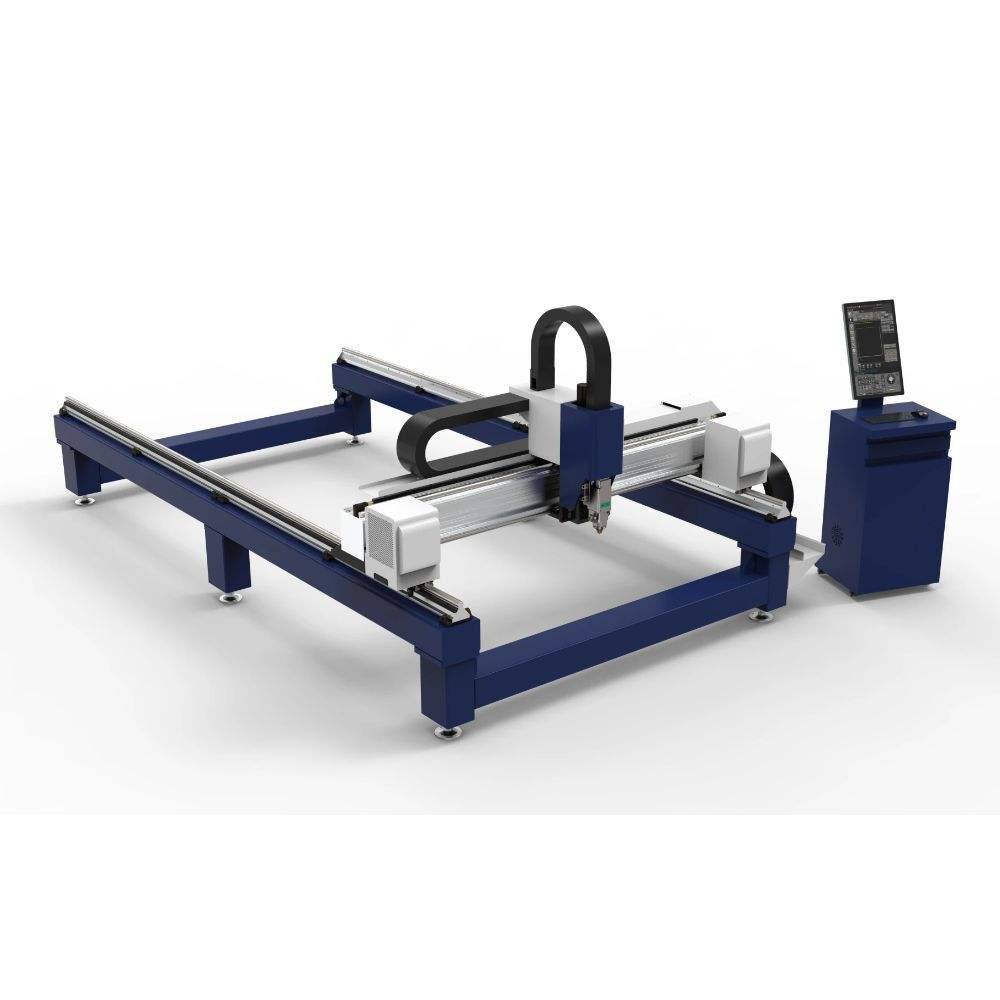
Optimizing the 3kW Laser Cutting Process
To achieve the best results with brass in a Puebla-based facility, several operational parameters must be finely tuned. Engineering teams must focus on the following variables:
Focal Position Management
For brass, the focal point is typically set slightly below the surface of the material or exactly on the surface, depending on the thickness. A 3kW laser has a relatively small “depth of field,” meaning the operator must ensure the sheet is perfectly flat. In Puebla, where humidity can fluctuate, maintaining a stable environment for the machine helps in keeping the beam alignment consistent.
Piercing Strategies
Piercing is the most vulnerable moment for the laser optics. Implementing a “multi-stage pierce” or a “circular pierce” helps mitigate back-reflection. By gradually increasing the power or using a pulsed frequency during the initial hole creation, the 3kW machine can safely transition into a continuous wave (CW) cut without risking the lens.
Nozzle Selection
A double-layer nozzle is often recommended for brass laser cutting. This configuration helps stabilize the gas flow and protects the internal optics from the fine metallic dust that brass produces during the melting process. Regular cleaning of the nozzle is mandatory, as brass “splatter” can adhere to the copper tip, disrupting the gas flow and degrading cut quality.
Maintenance and Longevity in the Puebla Environment
Operating heavy machinery in Puebla requires consideration of the local climate and infrastructure. The 3kW fiber laser is a sensitive piece of equipment that demands a rigorous maintenance schedule.
Cooling Systems (Chillers)
The 3kW resonator and the cutting head generate significant heat. In the warmer months in Puebla, the chiller unit must work efficiently to maintain a constant temperature (usually around 22°C to 25°C). Any fluctuation can cause the laser wavelength to shift slightly or lead to thermal expansion in the cutting head, which ruins the focus.
Dust Extraction
Cutting brass produces a fine zinc-oxide dust. If not properly extracted, this dust can settle on the linear guides and the rack-and-pinion system of the machine, leading to premature wear. Puebla shops must invest in high-capacity dust collectors and ensure that filters are changed according to the manufacturer’s specifications to maintain the machine’s 0.02mm positioning accuracy.
Economic Impact for Puebla Fabricators
The investment in a 3kW fiber laser cutting machine offers a rapid Return on Investment (ROI) for Puebla’s metalworking shops. Compared to traditional methods like waterjet cutting or CNC milling for brass, the fiber laser is significantly faster and results in less material waste. Given the high cost of brass as a raw material, the narrow kerf width of the laser (often less than 0.1mm) allows for tighter nesting of parts, saving thousands of pesos in scrap costs over a single production run.
Furthermore, the ability to offer laser cutting for reflective metals allows local shops to take on contracts that were previously outsourced to Mexico City or the United States. This keeps the value chain within Puebla, strengthening the local economy and fostering a more robust industrial ecosystem.
Conclusion: The Future of Metal Fabrication in Puebla
The 3kW fiber laser cutting machine is more than just a tool; it is a catalyst for industrial sophistication in Puebla. By mastering the nuances of laser cutting brass—from managing back-reflection to optimizing nitrogen flow—local manufacturers are positioning themselves at the forefront of the global supply chain. As technology continues to evolve, the integration of 3kW systems will remain a benchmark for quality, efficiency, and versatility in the heart of Mexico’s manufacturing sector.
For any engineer or business owner in Puebla looking to upgrade their capabilities, understanding the specific requirements of brass processing is the first step toward unlocking the full potential of fiber laser technology. With the right machine, proper maintenance, and expert operation, the possibilities for precision brass fabrication are virtually limitless.
















