
The Strategic Advantage of 3kW Fiber laser cutting for Brass in Guadalajara’s Industrial Hub
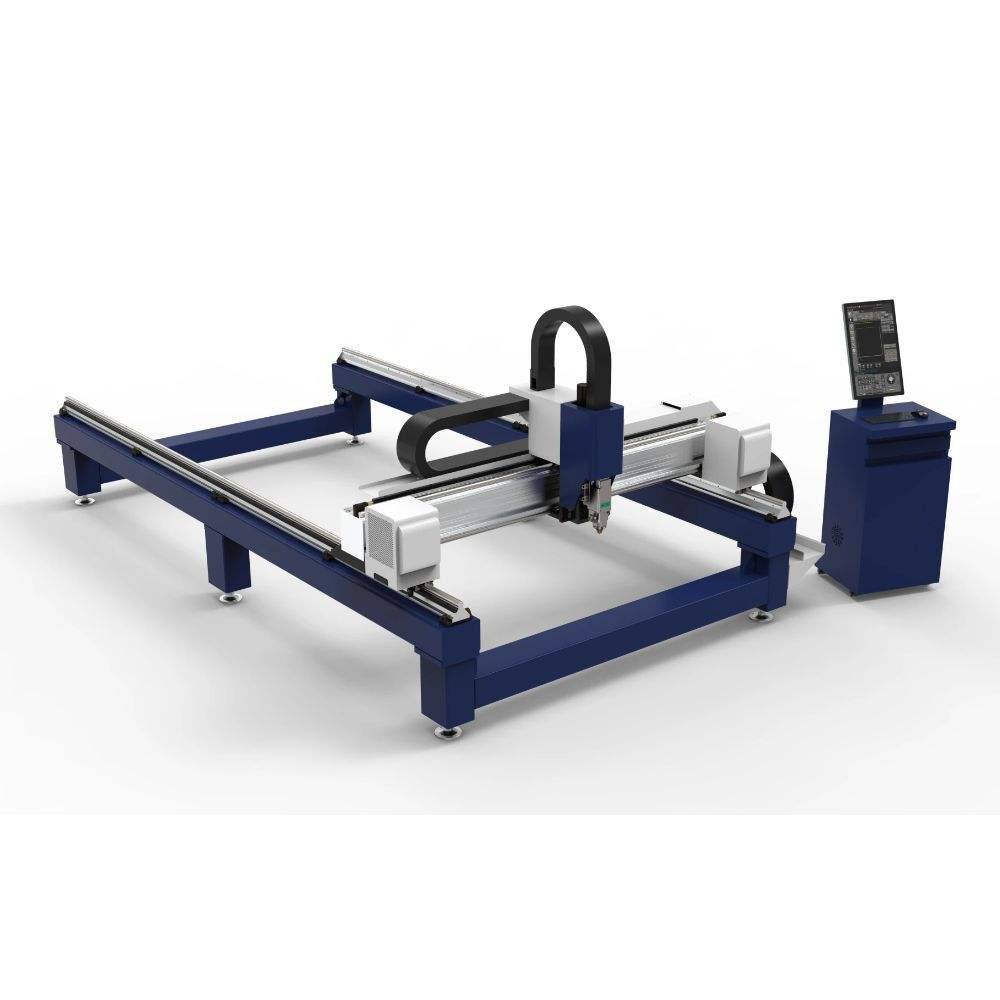
Guadalajara, often referred to as the “Silicon Valley of Mexico,” has evolved into a sophisticated manufacturing epicenter. As the capital of Jalisco, it hosts a diverse array of industries ranging from electronics and automotive components to high-end jewelry and decorative architectural hardware. In this competitive landscape, the adoption of a 3kW fiber laser cutting machine represents a significant technological leap for enterprises working with non-ferrous metals, particularly brass. The 3kW power rating is widely considered the “sweet spot” for medium-thickness brass processing, offering a balance of speed, precision, and operational cost-efficiency that CO2 lasers or lower-wattage fiber systems cannot match.
Laser cutting brass presents unique challenges due to the material’s high thermal conductivity and high reflectivity. Unlike carbon steel, which absorbs laser energy readily, brass tends to reflect a significant portion of the beam back toward the source, which can damage sensitive optical components. However, modern 3kW fiber laser systems are engineered with advanced back-reflection protection and high-frequency modulation, making them the ideal tool for the demanding workshops of Guadalajara.
Technical Specifications of the 3kW Fiber Laser Source
A 3kW fiber laser cutting machine utilizes a solid-state laser source where the “gain medium” is an optical fiber doped with rare-earth elements, typically ytterbium. This configuration allows for a beam with a wavelength of approximately 1.06 microns—roughly ten times shorter than that of a CO2 laser. This shorter wavelength is more readily absorbed by yellow metals like brass and copper, allowing the 3kW beam to penetrate the material with high power density.
For a typical 3kW system, the cutting capacity for brass generally ranges up to 8mm or 10mm in thickness, with the most efficient “clean cut” production speeds occurring in the 1mm to 6mm range. In Guadalajara’s electronics sector, where thin brass busbars and connectors are common, the 3kW system provides exceptionally high feed rates, often exceeding 30 meters per minute on 1mm material, ensuring high throughput for large-scale production runs.
The Physics of Laser Cutting Reflective Materials
Brass is an alloy of copper and zinc. Both elements are notorious for their ability to reflect infrared light. In the early days of laser cutting, processing brass was considered a high-risk operation. If the laser beam did not immediately pierce the material, the reflected energy could travel back through the delivery fiber and destroy the laser diodes. To mitigate this, 3kW fiber lasers used in modern Guadalajara facilities are equipped with optical isolators and sensors that can detect back-reflection and shut the system down in milliseconds if a hazard is detected.
Furthermore, the 3kW power level provides sufficient “punch” to overcome the initial reflectivity of the brass surface. Once the initial pierce is achieved, the absorption rate increases significantly as the material melts. The high power density of a 3kW beam creates a narrow kerf (the width of the cut), which minimizes material waste—a critical factor given the high market price of brass alloys in the Mexican metal exchange.
Optimizing Gas Selection for Guadalajara’s Climate
The choice of assist gas is paramount when laser cutting brass. Guadalajara’s altitude (approximately 1,566 meters) can affect the density of ambient air, making the purity and pressure of assist gases even more critical for achieving a dross-free finish.
Nitrogen: For most decorative and electronic applications in Jalisco, Nitrogen is the preferred assist gas. It acts as a cooling agent and prevents oxidation of the cut edge. This results in a bright, clean, “gold-like” edge that requires no post-processing or polishing. High-pressure Nitrogen (typically 15-20 bar) is required to effectively blow the molten brass out of the kerf.
Oxygen: While Oxygen can be used to increase cutting speeds on thicker brass sections by inducing an exothermic reaction, it often results in a darkened, oxidized edge. For Guadalajara’s artisanal jewelry and architectural industries, this is usually undesirable, as it necessitates secondary cleaning processes. Therefore, most 3kW installations in the region are paired with high-capacity Nitrogen generators or bulk liquid Nitrogen tanks.
Applications in Guadalajara’s Key Industries
The versatility of the 3kW fiber laser cutting machine allows it to serve multiple sectors within the Jalisco economy. In the automotive sector, brass components are often used in sensors, radiators, and specialized electrical connectors. The precision of fiber laser cutting ensures that these components meet the strict tolerances required by international OEMs (Original Equipment Manufacturers).
In the decorative and furniture sector—a hallmark of Guadalajara’s craftsmanship—brass inlays and hardware are highly sought after. A 3kW machine can execute intricate geometric patterns and filigree work that would be impossible with traditional mechanical stamping or waterjet cutting. The ability to switch between thin decorative sheets and thicker structural plates makes the 3kW fiber laser an indispensable asset for local custom fabrication shops.

Economic Impact and ROI for Local Manufacturers
Investing in a 3kW fiber laser cutting machine in Guadalajara is a strategic financial decision. While the initial capital expenditure is higher than that of a plasma cutter or a lower-power laser, the Return on Investment (ROI) is driven by three factors: speed, precision, and reduced secondary operations.
Because the 3kW laser produces a finished edge, the labor costs associated with grinding and deburring are virtually eliminated. In a region where labor costs are rising and the demand for quality is increasing, the automation of the laser cutting process allows shops to take on more complex projects with fewer personnel. Additionally, the energy efficiency of fiber technology—consuming up to 70% less power than older CO2 systems—is a vital consideration given the fluctuating energy costs in the Mexican industrial sector.
Operational Maintenance and Best Practices
To maintain peak performance in a 3kW system, Guadalajara operators must adhere to a strict maintenance schedule, particularly when processing brass. Brass fumes contain zinc oxide, which can settle on the machine’s protective windows and slats. High-quality dust extraction and filtration systems are mandatory to protect both the machine’s optics and the health of the operators.
Key maintenance areas include:
- Optical Inspection: Daily checks of the protective window (cover glass) to ensure no brass spatter has adhered to the surface.
- Chiller Calibration: The 3kW source and the cutting head generate significant heat. In Guadalajara’s warmer months, ensuring the water chiller is operating at the correct temperature and conductivity is essential for beam stability.
- Nozzle Centering: Given the narrow kerf of the 3kW beam, precise nozzle centering is required to ensure gas flow is perfectly concentric with the laser beam, preventing “beard” or dross on the underside of the brass plate.
Conclusion: The Future of Metal Fabrication in Jalisco
As Guadalajara continues to attract international investment and bolster its reputation as a high-tech manufacturing hub, the 3kW fiber laser cutting machine will remain a cornerstone of the workshop. For businesses specializing in brass, this technology offers the precision of a surgeon and the power of an industrial workhorse. By mastering the nuances of laser cutting—from gas selection to back-reflection management—local fabricators can produce world-class components that compete on a global stage.
Whether it is for the production of intricate jewelry, high-conductivity electrical components, or bespoke architectural elements, the 3kW fiber laser provides the flexibility and reliability required to thrive in Guadalajara’s dynamic industrial ecosystem. As the technology continues to evolve, the integration of AI-driven nesting and real-time monitoring will further enhance the productivity of these machines, ensuring that Jalisco remains at the forefront of the global manufacturing industry.
















