
Introduction to 3kW Fiber laser cutting in Toluca’s Industrial Sector
The industrial landscape of Toluca, State of Mexico, has undergone a significant transformation over the last decade. As one of Mexico’s primary automotive and aerospace hubs, the demand for high-precision component manufacturing has skyrocketed. Central to this evolution is the adoption of fiber laser technology. Specifically, the 3kW fiber laser cutting machine has emerged as the industry standard for processing non-ferrous metals, with aluminum alloy being the most prominent material in modern engineering applications.
A 3kW fiber laser provides the optimal balance between capital investment and operational throughput. In an environment like Toluca, where manufacturing efficiency is dictated by the requirements of global supply chains, understanding the nuances of laser cutting aluminum is essential. This guide explores the technical parameters, environmental considerations, and material-specific strategies required to master 3kW fiber laser operations in the region.
The Physics of 3kW Fiber Laser Technology
Fiber lasers utilize an optical fiber doped with rare-earth elements, typically ytterbium, as the active gain medium. Unlike traditional CO2 lasers, which operate at a wavelength of 10.6 micrometers, fiber lasers produce a beam at approximately 1.06 micrometers. This shorter wavelength is a critical advantage when laser cutting aluminum alloy.
Aluminum is naturally highly reflective. At the 10.6-micrometer wavelength of a CO2 laser, much of the energy is reflected off the surface of the metal, which can damage the machine’s optics. However, aluminum absorbs the 1.06-micrometer wavelength of a fiber laser much more efficiently. A 3kW power rating provides sufficient energy density to overcome the initial reflectivity of the material, creating a stable melt pool quickly and allowing for high-speed processing of sheets ranging from 1mm to 10mm in thickness.

Advantages of the 3kW Power Level
In the context of laser cutting, “3kW” represents a versatile middle ground. For Toluca-based workshops that handle a variety of contracts, this power level offers:
- High Precision: The beam quality (BPP) of a 3kW source allows for a very small focal spot, resulting in a narrow kerf width and intricate detail.
- Energy Efficiency: Fiber lasers boast a wall-plug efficiency of over 30%, significantly reducing electricity costs compared to older technologies.
- Speed on Thin Gauges: For aluminum alloys under 3mm, a 3kW laser can achieve cutting speeds that far exceed plasma or mechanical shearing.
Challenges of Laser Cutting Aluminum Alloy
While the 3kW fiber laser is highly effective, aluminum presents unique challenges due to its physical properties. It has high thermal conductivity and a low melting point compared to steel. This means heat dissipates rapidly from the cut zone, requiring a concentrated energy source to maintain a continuous melt.
Managing Reflectivity
Even with the favorable wavelength of fiber technology, back-reflection remains a concern during the initial piercing phase. Modern 3kW machines are equipped with back-reflection isolators and advanced sensors that can shut down the beam if reflected light is detected, protecting the laser source. Proper piercing parameters—using higher frequency and lower duty cycles—are essential to minimize this risk.
The Role of Assist Gases
In Toluca’s high-altitude environment, the choice and pressure of assist gas are paramount. For aluminum alloy, Nitrogen is the standard choice. Nitrogen acts as a mechanical force to eject the molten aluminum from the kerf without allowing it to oxidize. This results in a clean, “shiny” edge that often requires no post-processing. When laser cutting thicker aluminum (above 6mm), high-pressure Nitrogen (up to 20 bar) is necessary to ensure the dross is completely removed from the bottom of the cut.
Geographic and Environmental Factors in Toluca
Operating a 3kW fiber laser cutting machine in Toluca requires consideration of the local climate and geography. Toluca sits at an elevation of approximately 2,660 meters above sea level. This high altitude results in lower atmospheric pressure and lower oxygen density.
Impact of Altitude on Cooling Systems
The cooling system (chiller) of a laser cutting machine relies on heat exchange with the ambient air. At higher altitudes, air is less dense, which can reduce the efficiency of the heat exchanger. It is vital for operators in Toluca to ensure their chillers are rated for high-altitude operation or are slightly oversized to compensate for the reduced cooling capacity. Maintaining a stable temperature for the laser source and the cutting head is critical for beam stability and component longevity.
Humidity and Optical Integrity
Toluca experiences significant seasonal shifts in humidity. High humidity can lead to condensation on the internal optics of the cutting head if the cooling water temperature is set too low (below the dew point). This can cause “thermal lensing,” where the focus of the laser shifts during the cut, leading to poor edge quality or failed cuts. Professional setups in Toluca often include integrated air dryers and climate-controlled enclosures for the laser source to mitigate these risks.
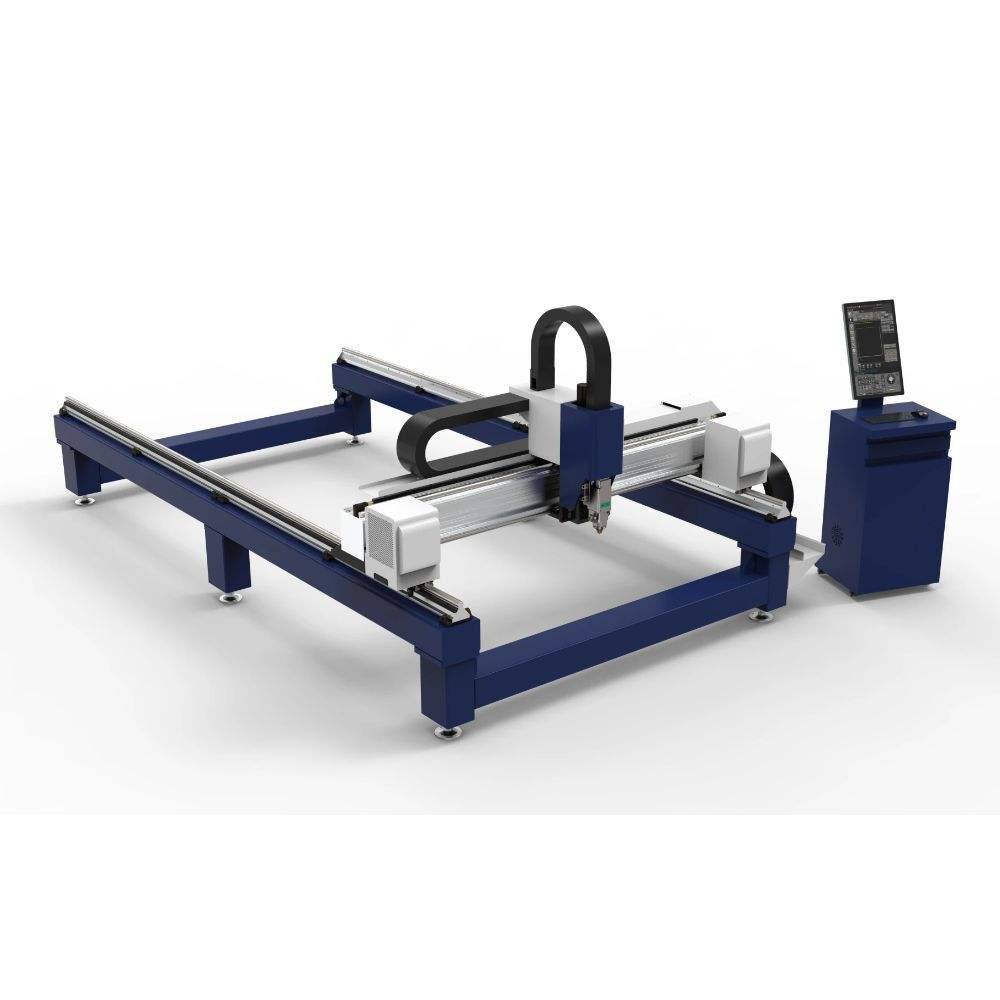
Optimization Strategies for Aluminum Alloys
To maximize the ROI of a 3kW fiber laser cutting machine, operators must fine-tune their parameters based on the specific aluminum grade, such as the 5000 series (marine grade) or 6000 series (architectural/structural).
Focal Point Positioning
Unlike steel, where the focal point is often near the surface, laser cutting aluminum usually requires the focus to be positioned deeper into the material. For a 3kW system, setting the focus at 1/3 to 1/2 of the material thickness below the surface helps create a wider kerf at the bottom, facilitating the ejection of the melt and preventing the formation of burrs.
Frequency and Pulse Modulation
Using a pulsed laser output rather than a continuous wave (CW) during the piercing stage can prevent “cratering” in aluminum. By modulating the frequency, the operator can control the heat input, ensuring that the material doesn’t overheat and warp, which is a common issue with thin aluminum sheets used in the automotive body panels produced in the Toluca-Lerma industrial corridor.
Maintenance and Long-Term Reliability
A 3kW fiber laser is a significant investment. In the dusty industrial environments often found in large manufacturing zones, maintenance is the difference between a 10-year lifespan and a 2-year lifespan.
Protective Window Care
The protective window (cover glass) is the most frequently replaced consumable. When laser cutting aluminum, the high-pressure nitrogen and the volatile nature of the melt can cause “spatter” to hit the glass. Regular inspection and cleaning in a clean-room environment are necessary. Even a tiny speck of dust on the window can absorb laser energy, heat up, and crack the glass or damage the lens above it.
Nozzle Selection
For aluminum, double-layer nozzles are often preferred. These nozzles provide a more stable and concentrated gas flow, which is essential for pushing through the viscous molten aluminum. Operators should check for nozzle centeredness daily; an off-center nozzle will result in an asymmetrical cut, where one side of the part has dross and the other is clean.
The Economic Impact for Toluca Manufacturers
Switching to a 3kW fiber laser cutting system offers Toluca manufacturers a competitive edge in the North American market (USMCA). The speed of fiber laser cutting reduces the “cost per part” significantly compared to CNC milling or waterjet cutting. Furthermore, the ability to nest parts tightly on a sheet reduces material waste—a vital factor given the fluctuating price of aluminum alloys.
As the automotive industry shifts toward electric vehicles (EVs), the use of lightweight aluminum is increasing. A 3kW machine is perfectly positioned to handle the battery enclosures, heat sinks, and structural brackets required for EV production. By localizing this high-tech capability in Toluca, shops can move up the value chain from basic fabrication to high-precision engineering partners.
Conclusion
The 3kW fiber laser cutting machine represents the pinnacle of efficiency for processing aluminum alloy in Toluca’s demanding industrial environment. By understanding the interaction between the 1.06-micrometer wavelength and the properties of aluminum, and by accounting for the unique atmospheric conditions of the State of Mexico, manufacturers can achieve unprecedented levels of precision and productivity.
As laser cutting technology continues to advance, the integration of automation and intelligent monitoring will further enhance the capabilities of these machines. For now, the 3kW fiber laser remains the workhorse of the modern aluminum fabrication shop, providing the power, speed, and reliability needed to succeed in a globalized manufacturing economy.
















