Optimizing 3kW Fiber laser cutting for Aluminum Alloy in Mexico City’s Industrial Sector
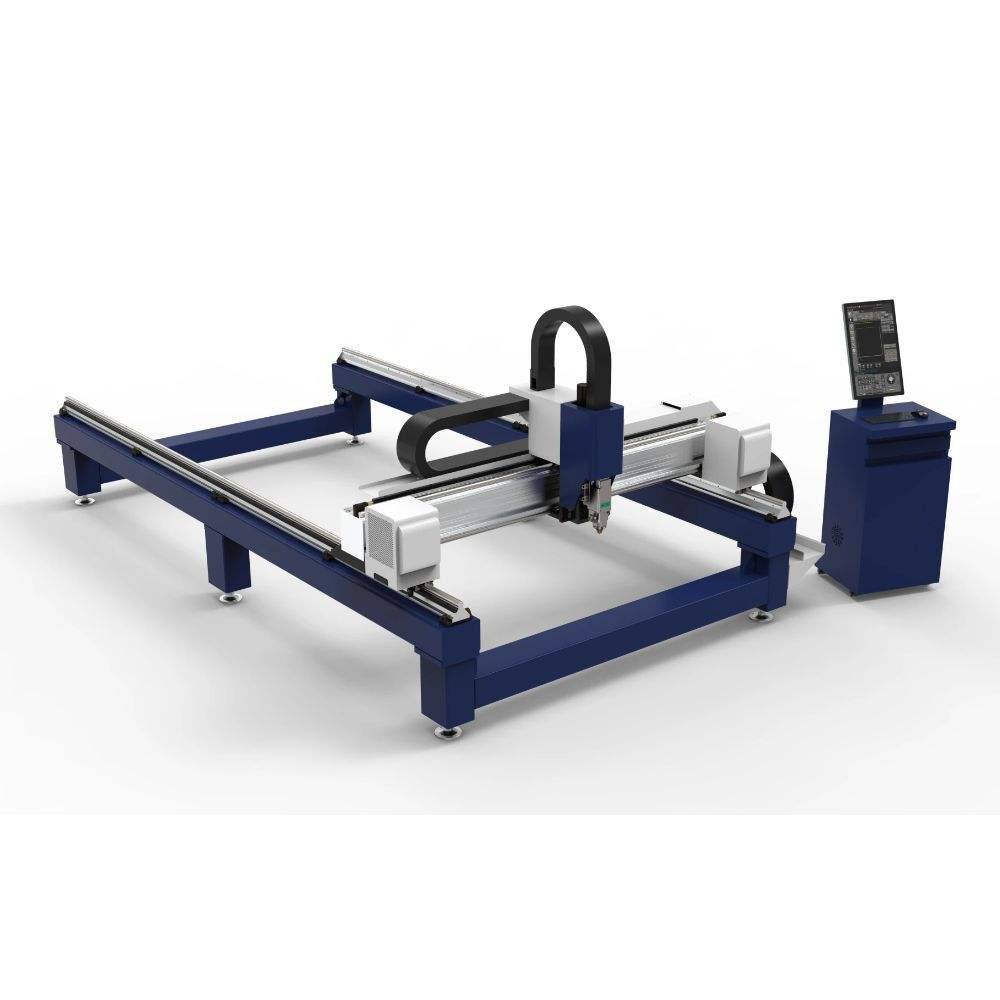
The manufacturing landscape in Mexico City (CDMX) and its surrounding metropolitan areas, such as Tlalnepantla and Naucalpan, is undergoing a significant technological transformation. As the demand for lightweight, high-strength components grows in the automotive, aerospace, and architectural sectors, the 3kW fiber laser cutting machine has emerged as the definitive standard for processing aluminum alloys. This guide explores the technical nuances, environmental considerations, and operational strategies required to master laser cutting in one of the world’s most dynamic industrial hubs.
For engineering firms operating at the high altitude of the Valley of Mexico, selecting the right power output is critical. A 3kW system offers the optimal balance between capital investment and processing capability, particularly for aluminum, which presents unique thermal and optical challenges compared to carbon steel or stainless steel.
The Physics of 3kW Fiber Laser Cutting on Aluminum Alloys
Aluminum is categorized as a highly reflective and thermally conductive material. In the context of laser cutting, these properties require a high power density to initiate the “keyhole” effect, where the material is vaporized rather than just melted. A 3kW fiber laser provides sufficient intensity to overcome the initial reflectivity of common alloys like 5052, 6061, and 7075.
Unlike CO2 lasers, which operate at a wavelength of 10.6 micrometers, fiber lasers operate at approximately 1.07 micrometers. This shorter wavelength is absorbed much more efficiently by aluminum. This increased absorption rate allows for faster feed rates and cleaner edges. In a 3kW configuration, the laser cutting process can comfortably handle aluminum sheets up to 10mm or 12mm in thickness, with the “sweet spot” for high-speed production lying between 1mm and 6mm.
Addressing the Challenges of Reflectivity and Back-Reflection
One of the primary concerns for engineers in Mexico City’s metalworking shops is the risk of back-reflection damaging the laser source. Aluminum, especially when polished, can act as a mirror. Modern 3kW fiber laser cutting systems are equipped with optical isolators and back-reflection protection software. These systems detect if the laser beam is being reflected back into the delivery fiber and automatically shut down the process to prevent catastrophic failure of the laser modules.
To further mitigate this, the laser cutting head is often programmed to perform a “pierce-on-the-fly” or a lead-in at a slight angle. This ensures that the initial burst of energy, which is most likely to reflect, is directed away from the vertical axis of the nozzle.
Environmental Factors: The Mexico City Altitude Effect
Mexico City sits at an elevation of approximately 2,240 meters above sea level. This altitude introduces specific variables that do not affect shops at sea level. The atmospheric pressure is lower, which influences the behavior of assist gases used during laser cutting. When using Nitrogen (N2) as an assist gas to achieve a dross-free finish on aluminum, the flow dynamics at the nozzle change. Engineers must often calibrate their gas pressures slightly higher than factory presets to compensate for the thinner air.
Furthermore, the cooling requirements for a 3kW laser cutting system are more stringent in CDMX. The lower air density reduces the efficiency of air-cooled chillers. It is imperative to ensure that the chiller unit is oversized or equipped with high-performance heat exchangers to maintain the resonator and cutting head at a stable operating temperature, preventing thermal drift during long production cycles.

Assist Gas Selection: Nitrogen vs. Oxygen vs. Compressed Air
The choice of assist gas is the most significant factor in the edge quality of laser cutting aluminum. For 3kW systems, the following strategies are typically employed in Mexican workshops:
- Nitrogen (High Pressure): This is the gold standard for aluminum. Nitrogen acts as a mechanical force to blow the molten metal out of the kerf without allowing it to oxidize. The result is a silver, shiny edge that requires no post-processing before welding or painting. This is essential for the automotive parts suppliers in the State of Mexico.
- Oxygen: While Oxygen is rarely used for thin aluminum due to excessive dross and oxidation, it can sometimes be used for thicker plates to assist the melting process through an exothermic reaction. However, the edge quality is significantly lower than with Nitrogen.
- Compressed Air: For cost-sensitive projects in the architectural sector, high-pressure dry compressed air is a viable alternative. While it introduces some oxidation, a 3kW laser cutting machine can achieve impressive speeds on 2mm-3mm aluminum sheets using air, significantly reducing the cost per part.
Optimizing Cutting Parameters for 3kW Power
To maximize the ROI of a 3kW fiber laser cutting machine, operators must fine-tune the relationship between power, speed, and focal position. For a 3mm aluminum 5052 alloy, a typical starting point would be a cutting speed of 12-15 meters per minute at 90% power, using Nitrogen at 14-16 bar. The focal point is usually set slightly into the material (negative focus) to ensure a wider kerf that allows for efficient melt expulsion.
In Mexico City’s competitive market, minimizing “pierce time” is crucial. Using a multi-stage piercing approach—where the laser starts at a lower power and ramps up—prevents the “crater” effect often seen in aluminum, leading to higher precision in nested parts where components are placed close together to save material.
Integration into the Mexican Supply Chain
The adoption of laser cutting technology in CDMX is closely tied to the “Nearshoring” trend. As North American companies move production to Mexico, they demand tolerances that traditional plasma or waterjet cutting cannot provide. A 3kW fiber laser provides a tolerance of ±0.05mm, meeting the strict requirements of the aerospace corridor and the electronics industry.
Furthermore, the versatility of the 3kW machine allows shops to pivot between different industries. In the morning, the machine might be laser cutting 1mm aluminum heat shields for the automotive sector; in the afternoon, it could be processing 8mm aluminum structural plates for a commercial construction project in Santa Fe.
Maintenance and Longevity in Industrial Environments
The industrial zones of Mexico City can be dusty and prone to power fluctuations. To protect a 3kW laser cutting investment, two things are non-negotiable: a high-quality voltage stabilizer and a rigorous lens maintenance schedule. Aluminum laser cutting produces a fine metallic dust that can be abrasive. If the extraction system is not optimized, this dust can settle on the protective windows of the cutting head.
Engineers should implement a daily check of the “cover glass.” A single speck of dust on the lens during a 3kW operation can absorb enough energy to shatter the glass, leading to costly downtime. In the high-humidity periods of the CDMX rainy season, ensuring the compressed air lines are equipped with refrigerated dryers is also vital to prevent moisture from contaminating the laser cutting path.
Conclusion: The Future of Metal Fabrication in CDMX
The 3kW fiber laser cutting machine represents the perfect intersection of power and precision for the aluminum alloy market in Mexico City. By understanding the specific challenges of the material—such as its reflectivity and thermal conductivity—and adjusting for local environmental factors like altitude, manufacturers can achieve world-class production standards. As the region continues to grow as a global manufacturing hub, mastery of fiber laser cutting will remain a key competitive advantage for any metalworking facility looking to thrive in the heart of Mexico.