
Introduction to 30kW Tube laser cutting Technology
The manufacturing landscape in Mexico City is undergoing a significant transformation, driven by the adoption of ultra-high-power fiber laser systems. Among these advancements, the 30kW tube laser cutter stands as a pinnacle of industrial engineering, specifically designed to handle the rigorous demands of heavy-duty carbon steel fabrication. As Mexico City continues to solidify its position as a hub for automotive, aerospace, and structural engineering, the integration of 30kW laser cutting technology provides a competitive edge in throughput, precision, and material versatility.
A 30kW fiber laser source offers unprecedented power density, allowing for the rapid processing of thick-walled tubes that were previously restricted to plasma cutting or mechanical sawing. This leap in wattage does not merely increase speed; it fundamentally changes the physics of the melt pool, enabling cleaner cuts with minimal heat-affected zones (HAZ). For engineers in the Vallejo or Naucalpan industrial zones, this translates to components that require little to no post-processing, streamlining the supply chain from raw carbon steel to finished assembly.

Technical Specifications and Carbon Steel Optimization
Carbon steel remains the backbone of Mexican infrastructure and manufacturing. When processing this material with a 30kW tube laser, the technical parameters must be meticulously calibrated. Carbon steel, particularly grades like A36 or 1018 commonly used in the region, reacts uniquely to high-power fiber wavelengths. The 30kW threshold allows for “high-speed air cutting” on medium thicknesses and “high-pressure oxygen cutting” on heavy-walled sections exceeding 25mm.
Beam Quality and Power Density
At 30,000 watts, the laser cutting head must manage immense thermal energy. Modern systems utilize advanced collimation and focusing optics to maintain a stable BPP (Beam Parameter Product). This ensures that even at the center of a 12-meter tube, the focus remains sharp. For carbon steel, the high power density allows the laser to vaporize metal instantly, reducing the time the surrounding material is exposed to heat, which prevents warping—a critical factor for long structural tubes used in CDMX construction projects.
Piercing Technology
One of the primary bottlenecks in tube processing is the piercing phase. The 30kW system utilizes “multistage frequency piercing” or “flash piercing” techniques. By modulating the power output, the machine can penetrate 20mm carbon steel in a fraction of a second without creating slag “volcanoes” on the surface. This is vital for maintaining the integrity of the tube’s internal geometry and ensuring that the laser cutting nozzle remains free from debris.
Environmental and Geographic Considerations in Mexico City
Operating high-power laser machinery in Mexico City presents unique engineering challenges due to its geography. At an elevation of approximately 2,240 meters, the atmospheric pressure and oxygen concentration differ significantly from sea-level facilities. This affects the gas dynamics of the laser cutting process.
Altitude and Assist Gas Dynamics
The lower atmospheric pressure in CDMX influences the behavior of assist gases (Oxygen, Nitrogen, or Compressed Air). For carbon steel, oxygen is the primary assist gas used to facilitate an exothermic reaction. At high altitudes, the flow rates and pressure settings must be adjusted to compensate for the thinner air. Engineers must calibrate the CNC parameters to ensure the “gas curtain” effectively clears the molten carbon steel from the kerf. A 30kW system provides the overhead necessary to maintain high-pressure flow without sacrificing cutting velocity.
Thermal Management and Cooling
Mexico City’s climate is generally temperate, but the high-altitude sun and industrial heat loads require robust chilling systems. A 30kW fiber laser generates substantial internal heat. Dual-circuit industrial chillers are mandatory—one circuit for the fiber source and another for the cutting head optics. In the high-altitude environment of Mexico, the efficiency of air-cooled heat exchangers in chillers can be slightly reduced, necessitating oversized cooling units to ensure 24/7 operational stability.
Structural Applications for Carbon Steel Tubes
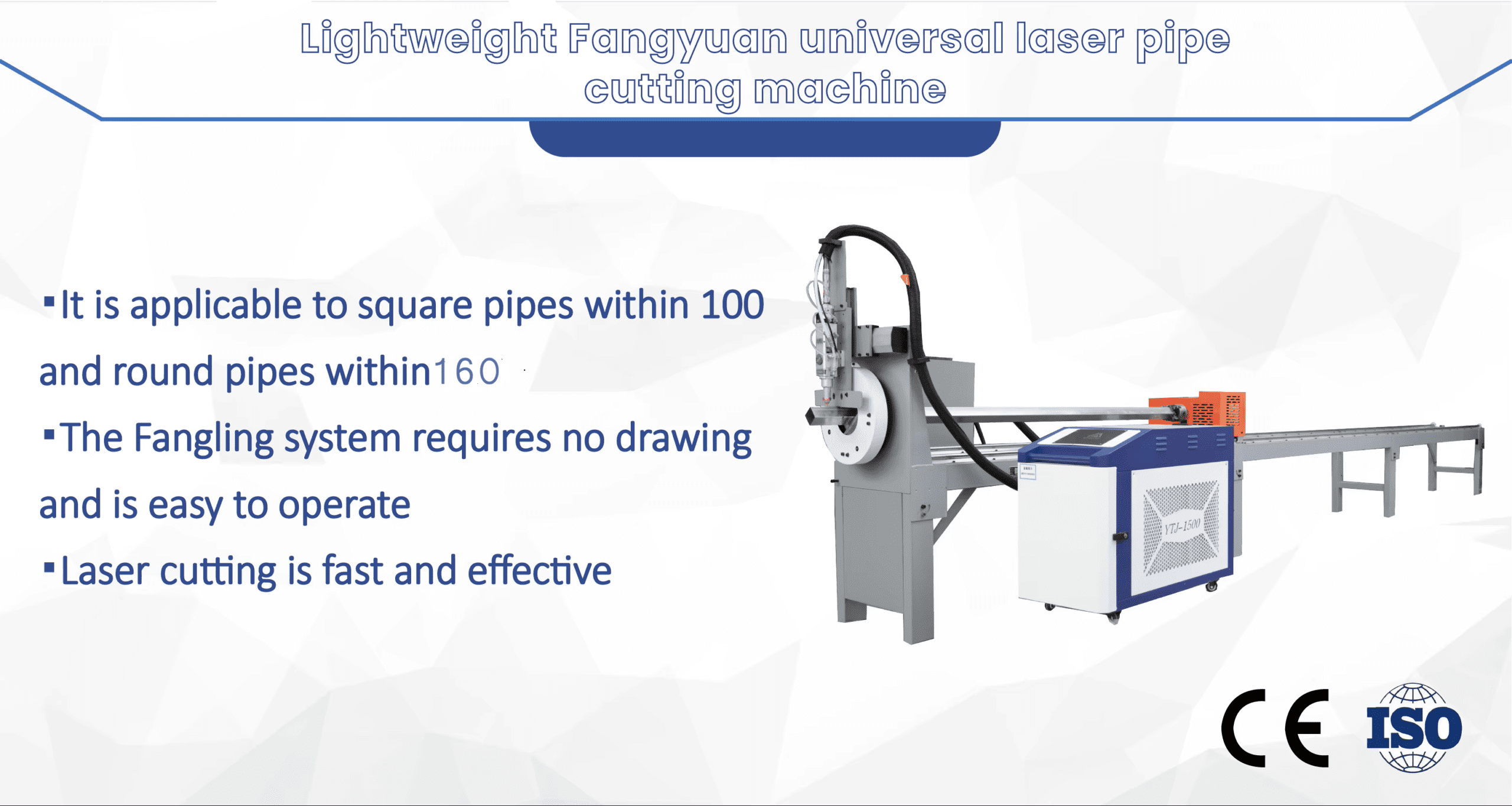
The versatility of the 30kW tube laser is best realized in the diversity of profiles it can process. In the Mexican market, square, rectangular, and circular carbon steel hollow sections (HSS) are staples of the construction industry. The ability to perform complex 3D intersections and bevel cuts directly on the tube opens new architectural possibilities.
Bevel Cutting and Weld Preparation
For heavy-duty carbon steel tubes used in oil and gas or structural frames, weld preparation is essential. The 30kW system, often equipped with a 5-axis tilting head, can perform V, Y, and K-type bevels during the laser cutting process. This eliminates the need for secondary grinding or milling. By achieving a precise bevel on 15mm or 20mm carbon steel, the subsequent welding process—whether manual or robotic—becomes significantly faster and more consistent.
Intricate Nesting and Material Yield
In a city where logistics and material costs are significant, maximizing the yield of every carbon steel tube is a priority. Advanced nesting software integrated with the laser cutting system calculates the optimal arrangement of parts. For long tubes (up to 12 meters), the software accounts for the “weld seam” detection, ensuring that holes or critical cutouts do not intersect with the longitudinal weld of the tube, which is a common point of failure in structural carbon steel.
Operational Excellence and Software Integration
The transition to 30kW requires a shift in operator mindset. The speed of the laser cutting process is so high that material handling often becomes the new bottleneck. Automated loading and unloading systems are highly recommended for facilities in Mexico City looking to maximize their ROI. These systems can feed bundles of carbon steel tubes into the machine, allowing for “lights-out” manufacturing.
CNC Control and Real-Time Monitoring
Modern 30kW machines utilize sophisticated CNC platforms (such as FSCUT or Beckhoff) that offer real-time monitoring of the cutting process. In the context of Mexico’s growing “Industry 4.0” initiative, these machines can be networked to provide data on gas consumption, power usage, and part counts. If the laser cutting head detects a “tip-up” or a potential collision due to material deformation, the sensors react in milliseconds, protecting the expensive optics and reducing downtime.
Power Grid Stability in Mexico City
A 30kW fiber laser has a significant power draw. Industrial facilities in areas like Iztapalapa or Tlalnepantla must ensure their electrical infrastructure can handle the peak loads. High-quality voltage stabilizers and transformers are essential to protect the sensitive laser diodes from fluctuations in the municipal power grid. Engineering teams should conduct a thorough power audit before installation to ensure the 30kW system operates within its optimal voltage window.
Maintenance Protocols for High-Power Systems
Longevity in laser cutting is dictated by the rigor of the maintenance schedule. For 30kW systems, the stakes are higher. The protective windows (cover slips) in the cutting head must be inspected daily. Even a microscopic speck of carbon steel dust can absorb enough energy at 30kW to shatter the lens, leading to costly repairs.
Gas Purity and Filtration
The purity of the assist gas is paramount. When cutting carbon steel with oxygen, any moisture or hydrocarbon contamination can lead to poor cut quality or “burring.” High-performance filtration systems are necessary to ensure that the gas delivered to the laser cutting nozzle is ultra-dry and clean. This is especially important in the urban environment of Mexico City, where particulate matter in the air can be higher than in rural areas.
Mechanical Calibration
The physical components of the tube cutter—the chucks, the rollers, and the gantry—must be kept in perfect alignment. Carbon steel tubes are heavy and can exert significant force on the machine’s mechanical structure. Regular lubrication of the rack and pinion system and calibration of the chuck’s centering force ensure that the laser cutting remains accurate over the entire length of the workpiece.
Conclusion: The Future of Metal Fabrication in CDMX
The adoption of 30kW tube laser cutting technology represents a milestone for the Mexican manufacturing sector. For companies specializing in carbon steel, this equipment offers a path toward higher productivity, lower per-part costs, and the ability to take on complex projects that were previously impossible. By understanding the specific requirements of high-altitude operation in Mexico City and maintaining a focus on technical precision, fabricators can leverage 30kW systems to dominate the regional market.
As the demand for rapid infrastructure development and high-quality automotive components grows, the 30kW tube laser will remain the tool of choice for those who refuse to compromise on power and precision. The synergy between advanced fiber laser technology and the robust nature of carbon steel ensures that Mexico City remains at the forefront of global industrial excellence.
















