The Rise of High-Power Fiber Laser Technology in Mexico City
In the heart of Mexico’s industrial corridor, specifically within the sprawling manufacturing zones of Vallejo, Naucalpan, and Tlalnepantla, the introduction of the 30kW tube laser cutter has redefined the boundaries of what is possible in metal fabrication. As Mexico City (CDMX) continues to solidify its position as a global hub for automotive, aerospace, and architectural engineering, the demand for high-precision processing of non-ferrous metals like brass has surged. The transition from traditional mechanical sawing or low-power CO2 systems to ultra-high-power fiber laser cutting represents a significant leap in throughput and edge quality.
A 30kW system is not merely a marginal improvement over its 10kW or 20kW predecessors; it is a transformative tool designed for heavy-duty industrial environments. In a city where space is at a premium and energy efficiency is increasingly scrutinized, the ability to process thick-walled brass tubes with unprecedented speed allows local fabricators to remain competitive in both domestic and international markets. This guide explores the engineering nuances of operating a 30kW tube laser cutter, with a specific focus on the unique challenges and opportunities presented by brass fabrication within the high-altitude environment of Mexico City.
Understanding the 30kW Tube Laser Cutter Architecture
The 30kW tube laser cutter is an engineering marvel that integrates high-density fiber laser sources with sophisticated motion control systems. Unlike flat-bed lasers, tube-specific machines utilize a series of pneumatic or hydraulic chucks to rotate and move the workpiece along the X, Y, and Z axes, often incorporating a tilting head (B-axis) for bevel cutting. At 30,000 watts, the energy density at the focal point is immense, necessitating a robust machine frame capable of absorbing high-frequency vibrations and managing the significant thermal loads generated during continuous operation.
For engineers in Mexico City, the choice of a 30kW system is often driven by the need to process large-diameter tubes with wall thicknesses that were previously “un-cuttable” by laser. The fiber laser source, typically utilizing an array of high-efficiency diode modules, delivers a beam via a flexible transport fiber to the cutting head. This beam is then collimated and focused through specialized optics—usually high-purity fused silica—to create a spot size capable of vaporizing brass in milliseconds.
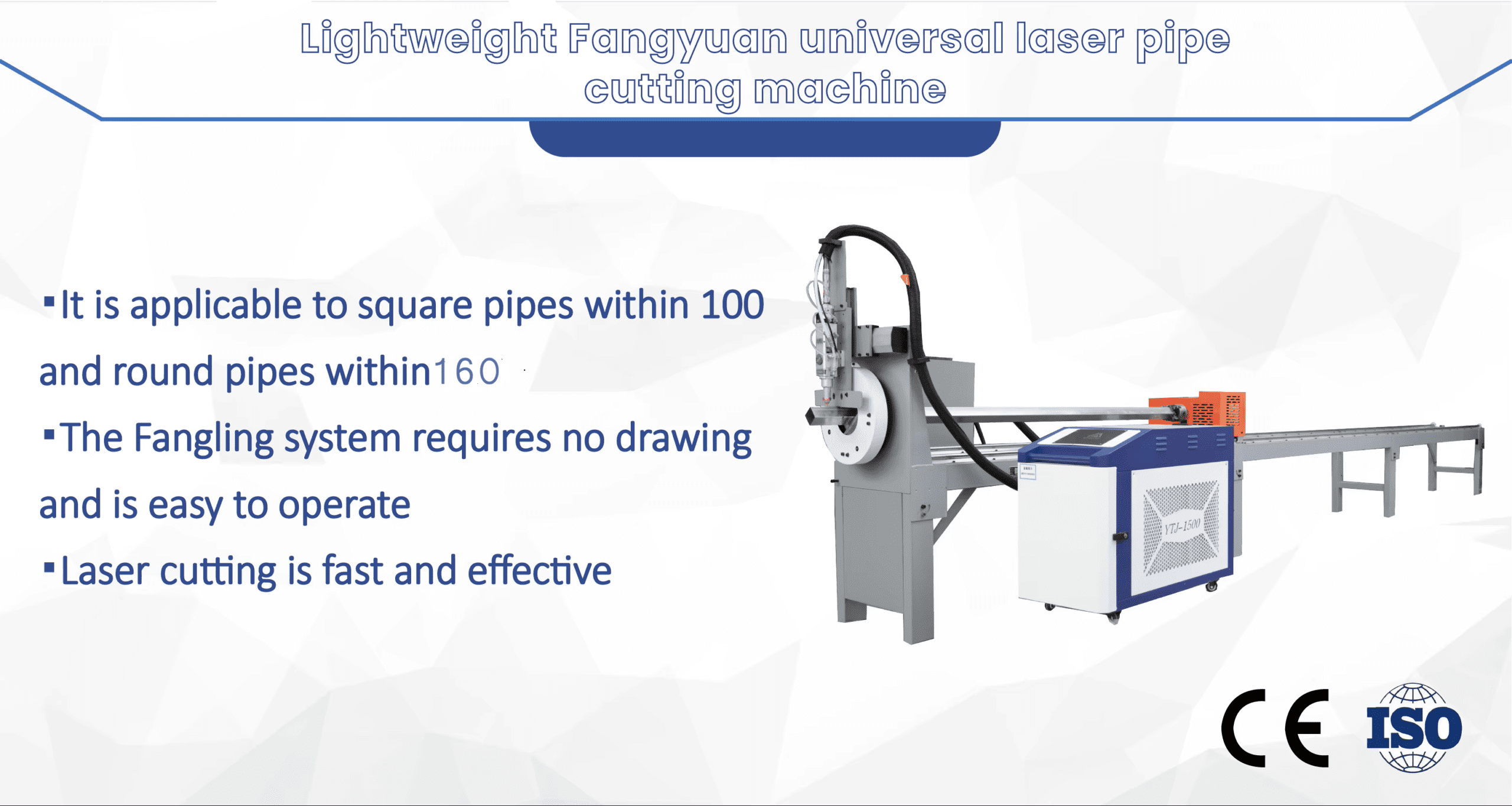 laser cutting machine MAK160″ style=”width: 100%; max-width: 800px; height: auto; margin: 20px 0;”>
Material Challenges: Laser Cutting Brass
Brass, an alloy of copper and zinc, is prized in the Mexican market for its corrosion resistance, electrical conductivity, and aesthetic appeal. However, it is historically one of the most difficult materials to process using laser cutting. Brass is highly reflective, particularly in the infrared spectrum used by fiber lasers. In lower-power systems, back-reflection—where the laser beam bounces off the surface of the metal and returns into the cutting head—can cause catastrophic damage to the optical components and the laser source itself.
The 30kW power threshold changes this dynamic. By delivering a massive amount of energy instantaneously, the laser pierces the material before a significant amount of energy can be reflected. This “brute force” approach, coupled with advanced back-reflection protection sensors, allows for the stable cutting of brass alloys like C260 or C360. Furthermore, brass has high thermal conductivity, meaning heat dissipates rapidly away from the cut zone. The high speed of a 30kW system ensures that the heat is concentrated at the kerf, minimizing the Heat Affected Zone (HAZ) and preventing the warping of thin-walled decorative tubes often used in CDMX’s luxury architectural sector.
Engineering Precision: Speed and Wall Thickness
When operating at 30kW, the relationship between power and speed is non-linear. For a 10mm thick brass tube, a 30kW laser can achieve cutting speeds that are 3 to 4 times faster than a 12kW system. This efficiency is critical for high-volume production runs in the automotive parts industry located on the outskirts of Mexico City. Precision is maintained through the use of high-speed bus communication (such as EtherCAT) between the CNC controller and the servo motors, ensuring that even at high velocities, the tolerances remain within the ±0.05mm range.
The “tube” aspect of the machine adds complexity. Calculating the proper lead-in and lead-out for circular, square, or elliptical profiles requires sophisticated nesting software. In brass processing, the software must also account for the material’s tendency to produce a “dross” or burr on the internal diameter of the tube. By fine-tuning the frequency and pulse width of the 30kW beam, engineers can achieve a “clean-cut” finish that requires little to no post-processing, a major cost-saver for Mexican manufacturers.
Environmental Factors: Operating at 2,240 Meters Altitude
One of the most overlooked aspects of laser cutting in Mexico City is the altitude. At 2,240 meters above sea level, the atmospheric pressure is significantly lower than at sea level. This has two primary effects on a 30kW laser system. First, the cooling efficiency of the water-to-air heat exchangers (chillers) is reduced. A 30kW laser generates substantial heat, and the thinner air in CDMX is less effective at carrying that heat away from the chiller’s condenser coils. Engineers must often over-spec the cooling systems or utilize refrigerated chillers with higher BTU ratings to compensate.
Second, the density of the assist gas is affected. Whether using Nitrogen or Oxygen, the flow dynamics through the nozzle change at higher altitudes. This requires recalibration of the gas pressure settings and nozzle diameters to ensure the molten brass is effectively ejected from the kerf. Failure to adjust for these atmospheric conditions can lead to inconsistent cut quality and increased gas consumption, impacting the overall cost-per-part in a competitive market.
Optimal Gas Selection for Brass Fabrication
In 30kW laser cutting, the choice of assist gas is pivotal for brass. Nitrogen is the preferred choice for most high-end applications because it acts as a cooling agent and prevents oxidation of the cut edge. This results in a bright, weld-ready finish. However, Nitrogen cutting requires high pressures (often exceeding 20 bar), which can be expensive in the Mexican industrial gas market.
Alternatively, some shops in Mexico City utilize “High-Pressure Air” or Oxygen for thicker brass sections. While Oxygen can increase cutting speeds by inducing an exothermic reaction, it often leaves a blackened oxide layer on the brass that must be removed via pickling or mechanical grinding. For 30kW systems, the sheer power often allows for “Air Cutting” of brass up to certain thicknesses, providing a middle ground between the cost of Nitrogen and the speed of Oxygen, provided the air is ultra-dry and oil-free.

Structural Applications in the Mexican Market
The applications for 30kW brass tube cutting in Mexico City are diverse. In the electrical sector, high-power lasers are used to cut heavy-walled brass busbars and connectors used in the city’s aging power grid upgrades. The precision of the laser ensures low contact resistance and high reliability. In the decorative and furniture industry—centered around districts like Polanco and Santa Fe—brass tubes are cut into intricate geometric patterns for high-end interior design elements.
Moreover, the burgeoning electric vehicle (EV) supply chain in Mexico is increasingly utilizing brass for specialized cooling tubes and battery connectors. The 30kW tube laser’s ability to handle highly reflective materials with high speed makes it the ideal tool for these Tier 1 and Tier 2 suppliers who must meet stringent international quality standards while maintaining high throughput.
Maintenance and Safety Protocols for 30kW Systems
Operating a 30kW laser requires a rigorous maintenance schedule and strict safety protocols. The intensity of the light generated is such that even a scattered reflection can cause permanent blindness or severe skin burns. In Mexico City, where industrial safety regulations (NOM standards) are strictly enforced, the machine must be housed in a fully light-tight enclosure with certified laser-safe viewing windows.
Maintenance focuses heavily on the optical path. At 30kW, even a microscopic dust particle on the protective window can absorb enough energy to shatter the lens, leading to costly downtime. Given the dust levels in certain industrial areas of CDMX, positive-pressure enclosures for the cutting head and high-grade air filtration systems are mandatory. Regular calibration of the chuck alignment is also necessary to ensure that long brass tubes (often up to 6 or 12 meters) do not suffer from “whipping” or vibration during high-speed rotation.
Conclusion: The Future of CDMX Industrial Hubs
The integration of 30kW tube laser cutting technology is a testament to the technical sophistication of the Mexican manufacturing sector. By mastering the complexities of high-power brass fabrication—from managing back-reflection to compensating for Mexico City’s high altitude—local engineers are setting new benchmarks for efficiency and quality. As the global economy shifts toward more localized and specialized production, the ability to process challenging materials like brass with extreme precision will ensure that Mexico City remains a cornerstone of North American industrial excellence. Investing in 30kW technology is not just about power; it is about the precision, speed, and versatility required to lead in the modern era of fabrication.