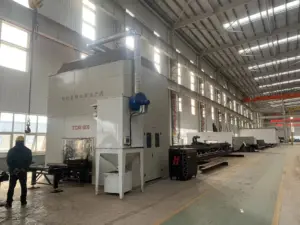
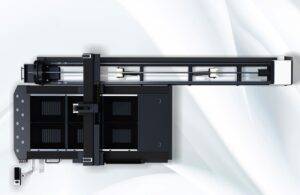
Introduction to 30kW laser cutting in the Mexican Industrial Sector
The manufacturing landscape in Mexico City (CDMX) and the surrounding Estado de México has undergone a radical transformation over the last decade. As the region solidifies its position as a global hub for automotive, aerospace, and food processing equipment, the demand for high-precision, high-volume fabrication has skyrocketed. At the forefront of this evolution is the 30kW fiber laser cutting system. This ultra-high-power class of machinery represents the pinnacle of current industrial capability, offering unprecedented speeds and the ability to process thick-section stainless steel with an edge quality that was previously unattainable without secondary finishing.
For engineering firms in the Valle de México, transitioning to 30kW power levels is not merely an incremental upgrade; it is a strategic shift in production philosophy. The 30kW laser cutting technology allows for the replacement of traditional plasma cutting or waterjet processes, providing a faster, cleaner, and more cost-effective solution for heavy-duty stainless steel applications. This guide explores the technical nuances of operating these machines specifically within the unique environmental and industrial context of Mexico City.
The Technical Superiority of 30kW Power for Stainless Steel
When processing stainless steel, particularly the 304 and 316 grades common in Mexico’s food and pharmaceutical industries, the power density of a 30kW source changes the physics of the cut. In lower power systems, the laser must move slowly to ensure the melt pool is fully evacuated. With 30kW, the energy concentration is so high that the material reaches its vaporization point almost instantaneously.
This high power allows for “Bright Surface” cutting. By using high-pressure nitrogen as an assist gas, the 30kW laser cutting process prevents oxidation, resulting in a silver, mirror-like finish on the cut edge. This is critical for Mexican manufacturers who must meet international sanitary standards, as it eliminates the need for manual grinding or chemical pickling to remove the oxide layer. Furthermore, the 30kW source enables the cutting of stainless steel plates up to 100mm in thickness, though its “sweet spot” for maximum efficiency lies in the 12mm to 40mm range, where it can outperform 12kW systems by over 300% in terms of linear meters per minute.

Environmental Considerations: Operating in Mexico City
Mexico City presents a unique set of challenges for high-power laser cutting equipment. Situated at an altitude of approximately 2,240 meters above sea level, the atmospheric conditions differ significantly from sea-level manufacturing hubs. The thinner air in CDMX affects both the cooling efficiency of the system and the dynamics of the assist gases.
Altitude and Cooling Dynamics
A 30kW fiber laser generates a substantial amount of heat, not just at the cutting head but within the power source itself. Most high-power systems rely on dual-circuit water chillers. At the elevation of Mexico City, the lower air pressure reduces the heat exchange efficiency of the chiller’s condensers. Engineers must ensure that the cooling systems are rated for high-altitude operation, often requiring oversized radiators or enhanced airflow management to prevent thermal tripping during the peak afternoon heat of the dry season (March to May).
Gas Pressure and Purity
In laser cutting, the assist gas is responsible for blowing the molten metal out of the kerf. In Mexico City, the lower atmospheric pressure means that the pressure differential between the nozzle and the environment is higher, but the air is less dense. When cutting stainless steel with nitrogen, maintaining a purity level of 99.99% is essential. Local suppliers in the Valle de México must provide consistent gas quality, as even minor impurities can lead to yellowing or dross formation on the stainless steel edges. For a 30kW system, the gas consumption is significant; therefore, many facilities in industrial zones like Vallejo or Tlalnepantla are opting for liquid nitrogen tanks with high-flow vaporizers to maintain the required 25-30 bar pressures.
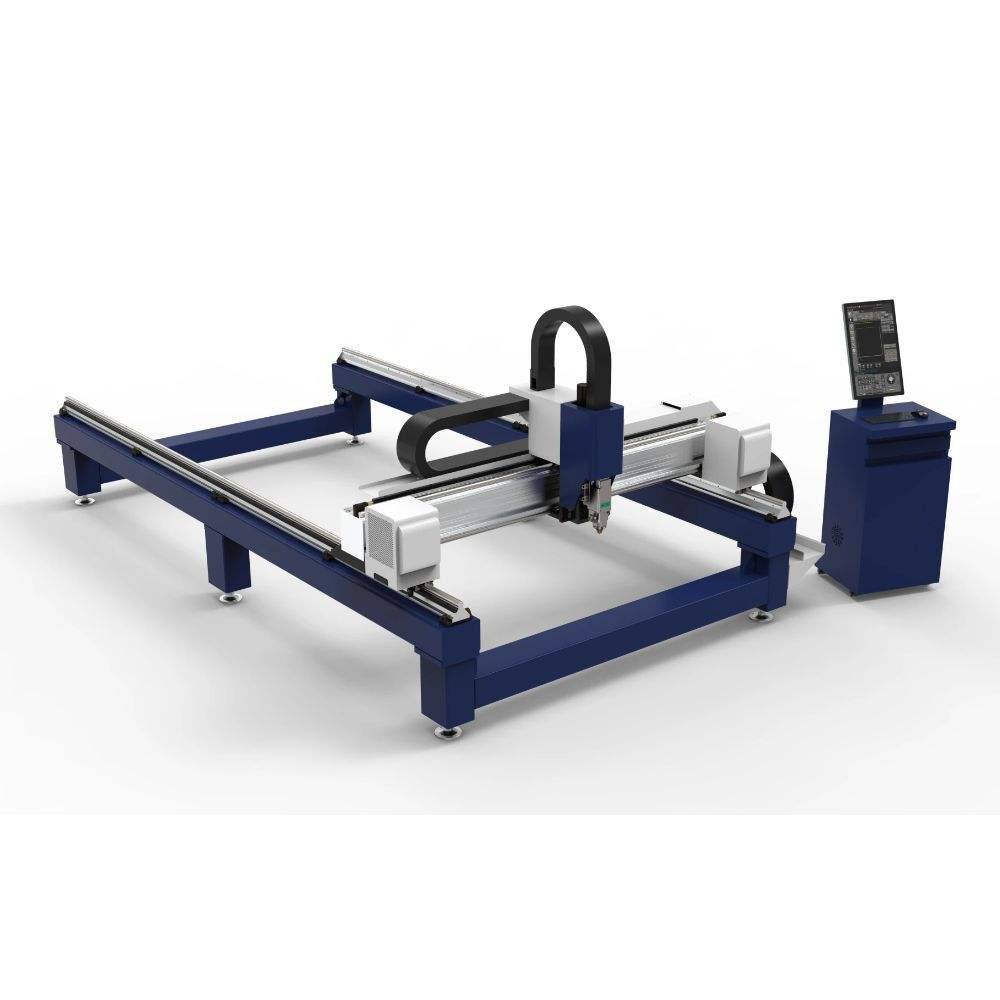
Optimizing 30kW Laser Cutting Parameters for Stainless Steel
Achieving the perfect cut on stainless steel requires a meticulous balance of power, speed, focal position, and gas pressure. On a 30kW machine, the “process window” is wider than on lower-power machines, but the stakes are higher. A slight misalignment at 30,000 watts can damage the cutting head optics within seconds.
Focal Geometry and Nozzle Selection
For thick stainless steel, a positive focal position (where the focus is inside or near the bottom of the plate) is often used to create a wider kerf, allowing the nitrogen to evacuate the melt more effectively. 30kW systems typically utilize sophisticated autofocus heads that can adjust the beam diameter and focal point dynamically. Nozzle selection is equally critical; double-layer nozzles are frequently used for stainless steel to stabilize the gas flow and protect the protective window from back-splash. In the high-speed environment of a 30kW laser cutting operation, the use of “cool-nozzle” technology, which circulates gas or water to keep the tip temperature low, prevents the nozzle from deforming and ensures consistent cut quality across long production runs.
Frequency and Duty Cycle
While 30kW represents the peak power, the laser is often modulated. For intricate geometries or sharp corners in stainless steel, the control system must rapidly decrease power and adjust frequency to prevent over-burning. Modern CNC controllers used in these machines are capable of microsecond adjustments, ensuring that a 30kW machine can cut a 2mm hole in a 20mm stainless steel plate with the same precision as a lower-power machine, but at a much higher throughput on the straightaways.
Economic Impact and ROI for Mexican Fabricators
The capital investment for a 30kW laser cutting machine is substantial. However, the Return on Investment (ROI) in the Mexican market is driven by the sheer volume of work that can be processed. In a competitive landscape like Mexico City, where labor costs are rising and the demand for “nearshoring” production from the United States is increasing, throughput is the primary metric of success.
Reduction in Cost Per Part
Although the hourly operating cost of a 30kW machine (considering electricity and gas) is higher than that of a 6kW or 12kW machine, the cost per part is significantly lower. This is because the 30kW machine can often produce five to six times the number of parts in the same timeframe. For a contract manufacturer in Querétaro or CDMX, this means the ability to take on larger contracts with tighter deadlines without increasing the shop floor footprint or the number of operators.
Secondary Process Elimination
One of the most significant savings for stainless steel fabricators is the elimination of secondary operations. Traditional methods of cutting thick stainless steel often leave a heavy dross or a heat-tinted edge. The 30kW fiber laser, when tuned correctly, produces a “burr-free” finish. For industries such as commercial kitchen manufacturing or chemical tank fabrication, this removes hours of manual labor, directly impacting the bottom line and improving overall shop safety by reducing the need for handheld grinding tools.
Maintenance and Technical Support in the Valle de México
Operating ultra-high-power equipment requires a disciplined maintenance regimen. The fiber laser source itself is solid-state and requires little maintenance, but the delivery optics and the mechanical structure of the machine are under immense stress. The high accelerations (often up to 2.0G or higher) required to keep up with the 30kW beam’s cutting speed demand that the rack-and-pinion systems and linear guides are lubricated and calibrated perfectly.
Local Expertise and Spare Parts
For businesses in Mexico City, proximity to technical support is vital. A 30kW machine is often the heart of a production line; downtime can cost thousands of dollars per hour. It is essential to partner with providers who have a local presence in Mexico, offering Spanish-speaking technicians and a local stock of consumables like nozzles, protective windows, and ceramic rings. Furthermore, given the electrical grid fluctuations occasionally experienced in certain industrial zones of CDMX, the installation of a heavy-duty industrial voltage stabilizer is mandatory to protect the sensitive laser diodes from power surges.
Conclusion: The Future of Metal Fabrication in Mexico
The adoption of 30kW laser cutting technology is a clear indicator of the maturity of the Mexican manufacturing sector. By mastering the processing of stainless steel at these extreme power levels, local fabricators are moving up the value chain, offering services that compete on a global scale. The combination of high-speed processing, superior edge quality, and the ability to handle massive plate thicknesses makes the 30kW fiber laser an indispensable tool for the modern Mexican workshop.
As the industry continues to evolve, the integration of automation—such as automated loading and unloading systems—will further enhance the capabilities of these machines. For now, the 30kW laser stands as the gold standard for stainless steel fabrication in Mexico City, providing the power, precision, and productivity required to drive the region’s industrial future.