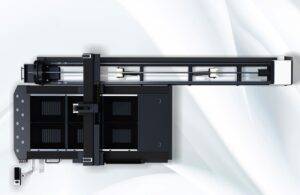
Introduction to 30kW Sheet Metal laser cutting in Toluca’s Industrial Sector
The industrial landscape of Toluca, State of Mexico, has long been a cornerstone of the nation’s manufacturing prowess. As a hub for automotive, aerospace, and heavy machinery production, the demand for precision and throughput has never been higher. The introduction of 30kW fiber laser technology represents a significant leap forward in metal fabrication capabilities. This guide explores the technical intricacies, operational advantages, and environmental considerations of deploying a 30kW sheet metal laser specifically for aluminum alloy processing within the unique geographic and industrial context of Toluca.
High-power fiber laser cutting has transitioned from a niche luxury to an industrial necessity. At 30,000 watts, the energy density at the focal point allows for the processing of ultra-thick materials while maintaining speeds on thinner gauges that were previously unthinkable. For manufacturers in Toluca, where global supply chains demand rapid turnaround times and exacting tolerances, the 30kW resonator offers a competitive edge that redefines the economics of sheet metal fabrication.
The Physics of 30kW Power and Aluminum Alloys
Aluminum alloys, such as the 5000 and 6000 series commonly used in the automotive and structural sectors, present unique challenges for laser cutting. Aluminum is highly reflective and possesses high thermal conductivity. In lower power systems, the laser beam can be reflected back into the optics, causing catastrophic damage, or the heat can dissipate so quickly into the surrounding material that the cut quality suffers due to a large Heat Affected Zone (HAZ).
Overcoming Reflectivity with High Power Density
A 30kW fiber laser overcomes these hurdles through sheer power density. By delivering 30,000 watts to a concentrated spot, the laser instantly pierces the material, establishing a stable “keyhole” or melt pool. This rapid transition from solid to molten state minimizes the window for back-reflection. Furthermore, the high speed of the 30kW system ensures that the heat is concentrated on the cut line, preventing the “soaking” effect that leads to warping in thinner aluminum sheets or dross accumulation in thicker plates.
In Toluca’s Tier 1 and Tier 2 automotive supplier plants, where 6061-T6 aluminum is frequently used for chassis components and heat shields, the ability to cut at high speeds without sacrificing edge quality is paramount. The 30kW system allows for a “gliding” cut, where the assist gas (typically nitrogen) can efficiently clear the molten aluminum, resulting in a burr-free finish that often requires no secondary deburring.
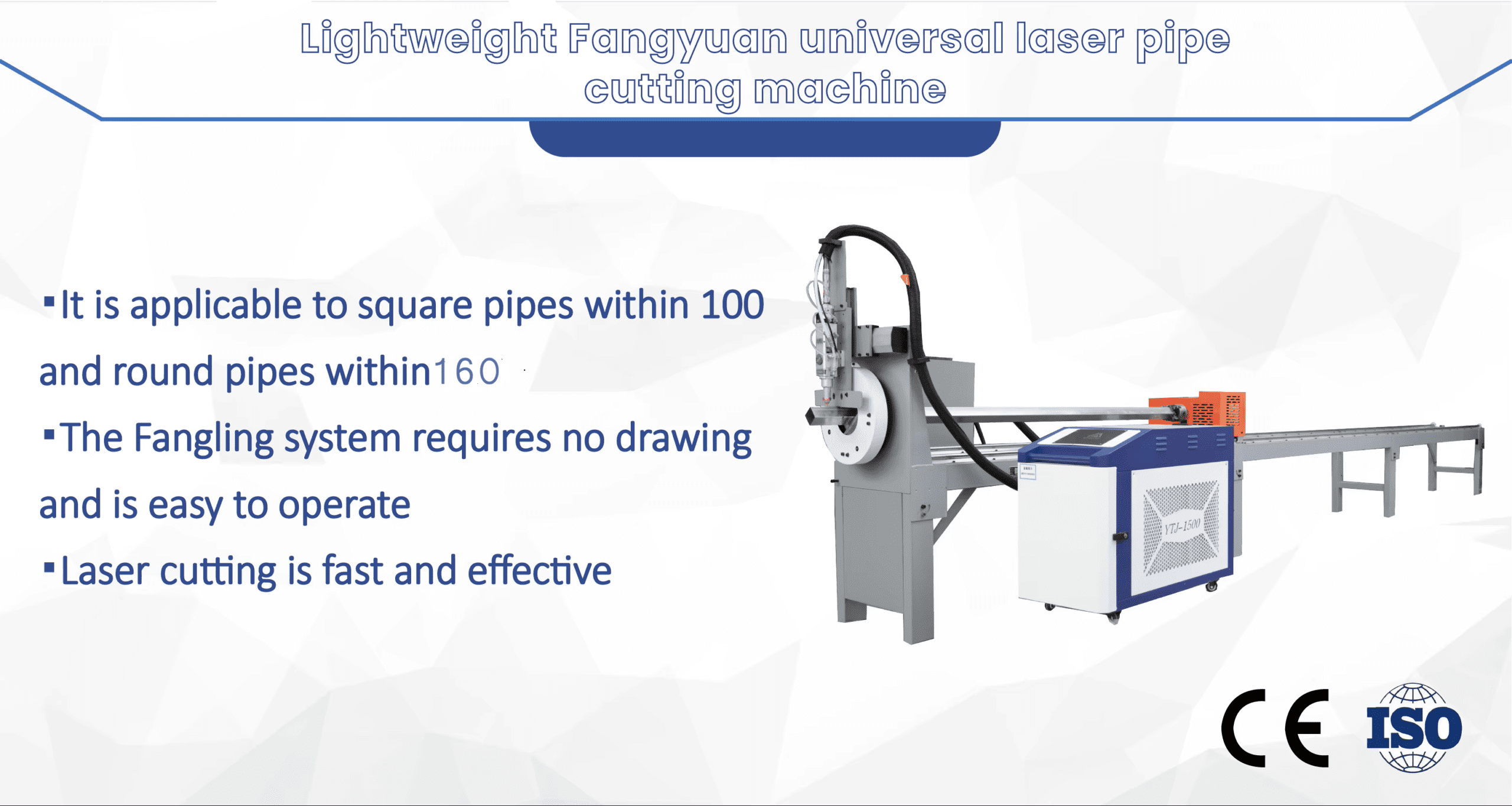 laser cutting machine MAK160″>
Technical Specifications and Performance Benchmarks
When evaluating a 30kW sheet metal laser, engineers must look beyond the wattage. The synergy between the resonator, the cutting head, and the CNC control system determines the machine’s ultimate efficiency. For aluminum alloy processing, the beam quality (BPP) is critical. A 30kW source must maintain a stable beam profile even at maximum output to ensure consistency across the entire 3000mm x 1500mm (or larger) cutting bed.
Cutting Speeds and Thickness Capacity
With 30kW of power, the thickness limits for aluminum are pushed significantly. While a 12kW machine might struggle with 30mm aluminum, a 30kW system can comfortably process 50mm to 80mm aluminum plate with a high-quality edge. More importantly, on “standard” thicknesses like 10mm or 12mm, the laser cutting speed increases exponentially. For instance, 10mm aluminum can be processed at speeds exceeding 15 meters per minute, depending on the assist gas configuration and nozzle geometry.
This increase in speed does not just improve throughput; it improves the metallurgical integrity of the part. Faster cutting means less time for heat to migrate into the grain structure of the aluminum alloy, preserving the material properties specified by engineers for safety-critical components.
The Toluca Factor: Altitude and Environmental Engineering
Operating high-power laser cutting equipment in Toluca presents specific engineering challenges due to the city’s elevation. Sitting at approximately 2,660 meters (8,727 feet) above sea level, the atmospheric pressure is significantly lower than at sea level. This impacts two critical systems: the cooling system (chiller) and the assist gas dynamics.
Cooling System Efficiency at High Altitude
A 30kW fiber laser generates a substantial amount of waste heat that must be dissipated to maintain the stability of the laser diodes and the cutting head optics. In the thinner air of Toluca, air-cooled heat exchangers are less efficient. Engineers must specify oversized chillers or specialized high-altitude cooling packages to ensure the resonator remains within its optimal operating temperature range (typically 22°C to 25°C). Failure to account for the altitude can lead to thermal lensing, where the optics slightly deform under heat, shifting the focal point and ruining the cut quality.
Assist Gas Dynamics
The lower atmospheric pressure also affects the behavior of assist gases. When using nitrogen for high-speed aluminum laser cutting, the gas flow must be precisely regulated to account for the pressure differential. 30kW machines often utilize high-pressure “power nozzles” that can handle up to 25 bars of pressure. In Toluca, the CNC parameters must be tuned to ensure the kinetic energy of the gas jet is sufficient to eject the molten aluminum from the kerf without creating turbulence that could mar the edge finish.

Optimizing Assist Gas for Aluminum Alloy
The choice of assist gas is a critical factor in the laser cutting of aluminum. While oxygen can be used for carbon steel, it is rarely used for aluminum because it creates a heavy oxide layer that is difficult to paint or weld. Nitrogen is the standard for 30kW systems, providing a “clean cut” by shielding the melt pool from oxygen.
Nitrogen vs. Compressed Air
For many manufacturers in Toluca, the cost of liquid nitrogen can be a significant operational expense. With the 30kW power levels, high-pressure compressed air (properly dried and filtered) has become a viable alternative for certain aluminum grades. The high power allows the laser to overcome the slight dross formation associated with air cutting, offering a massive reduction in gas costs. However, for aerospace-grade aluminum or components requiring subsequent high-quality welding, high-purity nitrogen remains the gold standard to ensure an oxide-free surface.
Economic Impact and ROI for Toluca Fabricators
The capital investment for a 30kW laser cutting system is substantial, but the Return on Investment (ROI) is driven by the “cost per part” metric rather than the “cost per hour.” In a competitive market like Toluca, where labor costs are rising and precision requirements are tightening, the ability to replace three 6kW machines with a single 30kW unit offers massive savings in floor space, electricity, and man-hours.
Energy Consumption and Efficiency
Modern 30kW fiber lasers are remarkably efficient, with wall-plug efficiencies reaching 40% or higher. This is a stark contrast to older CO2 lasers. In the context of Mexico’s energy market, where industrial electricity rates can fluctuate, the lower energy consumption per cut meter of a 30kW fiber laser is a significant advantage. By cutting faster, the machine spends less time in “high-load” states per part, reducing the overall carbon footprint of the manufacturing process—a growing requirement for international contracts.
Maintenance and Operational Best Practices
Maintaining a 30kW machine requires a disciplined engineering approach. At these power levels, even a microscopic speck of dust on the protective window can absorb enough energy to shatter the lens in milliseconds.
Optical Health Monitoring
Operators in Toluca must be trained in “clean room” protocols when handling the cutting head. Most 30kW systems now come equipped with real-time optical monitoring, which alerts the operator if the protective window is contaminated or if the beam is beginning to drift. Regular calibration of the height sensor is also vital, as the high speeds of 30kW laser cutting leave little room for error in the nozzle-to-plate distance.
Local Support and Spare Parts
Given Toluca’s proximity to Mexico City, access to technical support is generally good, but for a 30kW system, having a local stock of “consumables”—nozzles, ceramics, and protective windows—is essential. The high throughput of these machines means they consume parts faster than lower-power alternatives. A robust preventative maintenance schedule, focusing on the chiller’s deionization filters and the beam delivery fiber’s integrity, is non-negotiable for 24/7 operations.
Conclusion: The Future of Metal Fabrication in Toluca
The integration of 30kW sheet metal laser cutting technology is more than just an upgrade; it is a transformation of the manufacturing capability in Toluca. By mastering the challenges of aluminum alloy processing—from reflectivity to high-altitude gas dynamics—local fabricators can position themselves as leaders in the North American supply chain. As the automotive industry shifts toward electric vehicles (EVs), which rely heavily on lightweight aluminum structures, the 30kW laser will be the primary tool for shaping the future of transportation. For the engineers and business owners of Toluca, investing in this high-power frontier is the path to long-term sustainability and technical excellence.