
The Evolution of Ultra-High Power: 30kW laser cutting in Leon’s Industrial Sector
The manufacturing landscape in Leon has undergone a significant transformation with the introduction of ultra-high-power fiber laser systems. Specifically, the 30kW sheet metal laser has emerged as a cornerstone technology for heavy-duty fabrication. While previous decades relied on 4kW to 6kW CO2 systems or early 10kW fiber iterations, the leap to 30kW represents more than just a marginal increase in speed; it signifies a fundamental shift in the capacity to process non-ferrous metals, particularly aluminum alloys, with unprecedented precision and efficiency.
For engineering firms and fabrication shops in Leon, the adoption of 30kW technology addresses the historical bottlenecks associated with thick-plate processing. This guide explores the technical intricacies of utilizing a 30kW source for laser cutting aluminum alloys, focusing on metallurgical considerations, gas dynamics, and the specific regional advantages of Leon as a hub for advanced manufacturing.
The Physics of 30kW Fiber Laser Interaction
At a power level of 30,000 watts, the energy density at the focal point is immense. Fiber lasers operate at a wavelength of approximately 1.06 microns, which is significantly better absorbed by aluminum than the 10.6 microns of traditional CO2 lasers. This absorption rate is critical when dealing with the high reflectivity of aluminum alloys. A 30kW source provides enough photon density to instantaneously transition the metal from a solid to a molten state, minimizing the window for back-reflection which can damage optical components.
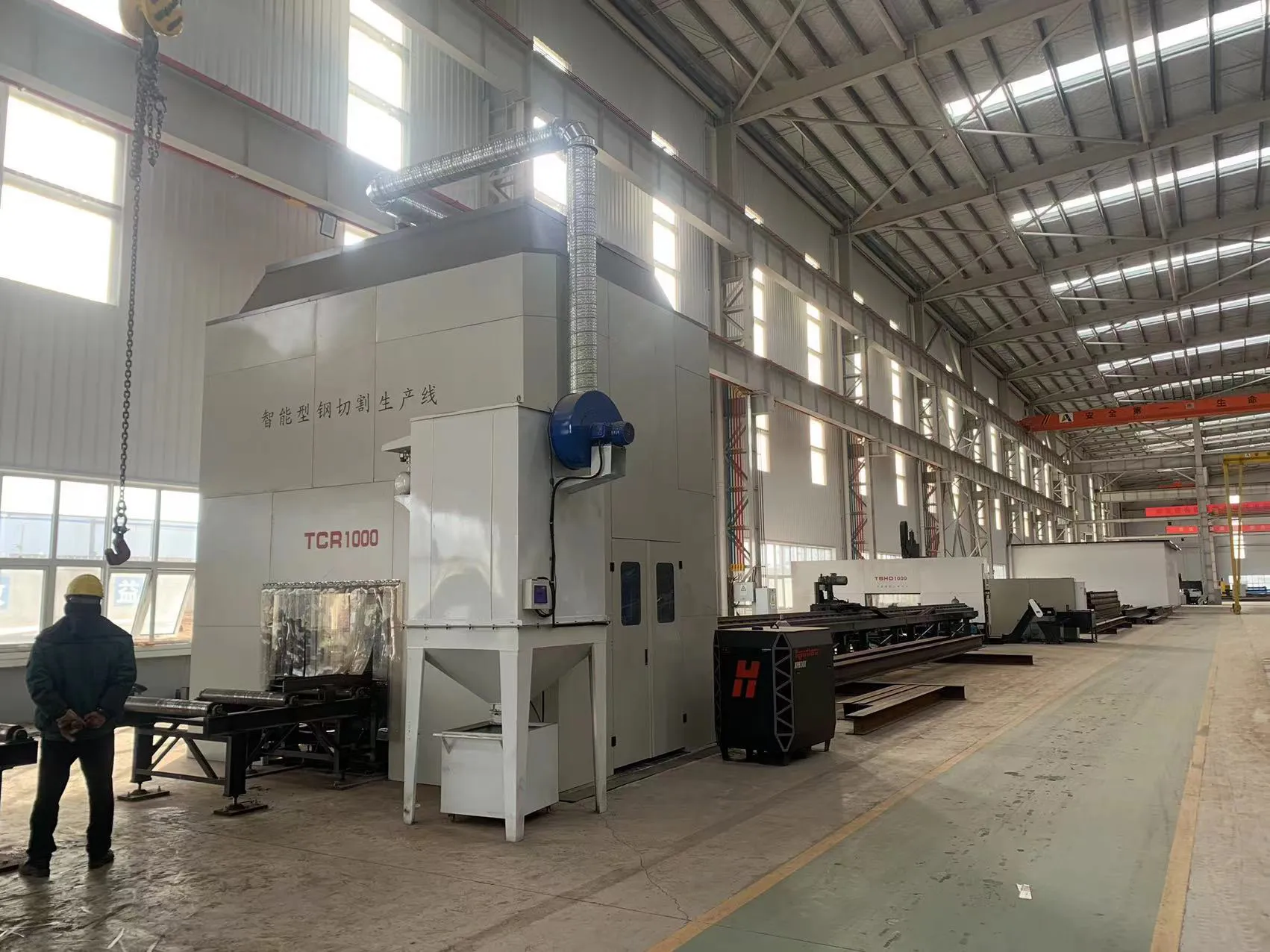 laser cutting machine” style=”width:100%; max-width:800px; height:auto; margin: 20px 0;”>
Processing Aluminum Alloys: Challenges and Solutions
Aluminum is often regarded as a “difficult” material for laser cutting due to its high thermal conductivity and low melting point relative to steel. However, the sheer force of a 30kW beam overcomes these thermal hurdles. In Leon’s aerospace and automotive supply chains, common alloys such as 5052, 6061, and 7075 are frequently processed. Each presents unique challenges:
- 5000 Series (Magnesium Alloys): Known for excellent corrosion resistance. The 30kW laser allows for high-speed processing of these alloys without the “dross” or slag buildup typically found with lower-power units.
- 6000 Series (Silicon/Magnesium Alloys): These are prone to cracking if the heat-affected zone (HAZ) is too wide. The high feed rates achievable at 30kW ensure that the heat is concentrated and dissipated quickly, preserving the structural integrity of the part.
- 7000 Series (Zinc Alloys): Often used in high-stress applications. The precision of ultra-high power laser cutting ensures that the mechanical properties of these heat-treatable alloys remain within strict tolerances.
Optimizing Gas Dynamics for Thick Aluminum
While the laser provides the thermal energy, the auxiliary gas is responsible for removing the molten material from the kerf. For aluminum alloys, Nitrogen is the preferred choice to achieve a “bright” or oxide-free edge. At 30kW, the pressure and flow rate of Nitrogen must be meticulously calibrated. If the pressure is too low, the molten aluminum—which has high surface tension—will cling to the bottom of the sheet, creating dross. If it is too high, turbulence can occur, leading to a rougher surface finish.
High-power laser cutting at 30kW also enables the use of “Air Cutting” for certain aluminum grades. By using compressed air at high pressures, fabricators in Leon can significantly reduce operational costs while maintaining speeds that exceed those of Oxygen-assisted cutting on carbon steel. The resulting edge may have a slight oxide layer, but for many structural applications in Leon’s construction sector, this is an acceptable trade-off for the massive increase in throughput.
Leon: A Strategic Hub for High-Power Fabrication
Leon has established itself as a pivotal region for industrial excellence, particularly in the integration of CNC technologies. The local infrastructure supports a sophisticated supply chain that demands high-volume, high-precision components. The 30kW laser cutting systems installed in this region are often paired with automated loading and unloading systems to maximize the duty cycle of the machine. In an environment where labor costs and energy efficiency are critical, the ability to cut 30mm or 40mm aluminum plate at speeds previously reserved for 5mm sheet provides a significant competitive edge.

Technical Parameters for 30kW Aluminum Cutting
To achieve optimal results with aluminum alloys, engineers must focus on three primary variables: Focal Position, Nozzle Diameter, and Feed Rate. In a 30kW environment, the focal point is typically set deeper into the material compared to steel. This ensures that the widest part of the beam “cone” interacts with the surface, facilitating a wider kerf that allows for easier melt expulsion.
The Importance of Nozzle Technology
High-power laser cutting requires specialized nozzle designs. Double-layer nozzles are often employed to stabilize the gas flow. For aluminum, a larger nozzle diameter (e.g., 3.0mm to 5.0mm) is frequently used when processing plates over 20mm thick. This allows a higher volume of Nitrogen to enter the cut, cooling the surrounding material and ensuring a smooth, taper-free edge. In Leon’s precision workshops, the use of “cool-touch” nozzles prevents the accumulation of aluminum dust, which can otherwise lead to beam scattering or nozzle damage.
Thermal Management and Machine Stability
Operating a 30kW laser generates significant heat, not just in the workpiece but within the machine structure itself. High-end systems used in Leon feature reinforced gantries and specialized bed designs to handle the thermal load. The “shuttle table” design is standard, allowing one sheet to be processed while another is loaded. For aluminum, which reflects more energy than steel, the internal housing of the laser cutting head must be equipped with advanced sensors to monitor back-reflection and temperature in real-time, automatically shutting down the beam if parameters exceed safety limits.
Maintenance Protocols for High-Power Systems
Maintenance in a 30kW environment is non-negotiable. The optical path must be kept under positive pressure with ultra-clean, dry air to prevent contamination. Even a single microscopic dust particle on a protective window can be vaporized by the 30kW beam, leading to a catastrophic failure of the cutting head. Fabricators in Leon typically follow a rigorous daily inspection routine, checking the centering of the beam, the condition of the nozzle, and the integrity of the cover glass.
Economic Impact and Future Outlook
The investment in 30kW laser cutting technology is substantial, but the ROI (Return on Investment) is driven by the reduction in processing time. For an aluminum alloy part that previously took five minutes to cut on a 6kW machine, a 30kW system can often complete the task in under sixty seconds. This throughput allows Leon-based companies to take on larger contracts and compete on a global scale. Furthermore, the ability to cut thicker aluminum plates reduces the need for secondary processes like milling or plasma cutting, which are slower and produce a larger heat-affected zone.
As we look toward the future, the integration of AI-driven nesting and real-time beam shaping will further enhance the capabilities of 30kW systems. In Leon, the trend is moving toward “smart factories” where the laser cutting machine is fully integrated into the ERP (Enterprise Resource Planning) system, allowing for just-in-time production of complex aluminum assemblies.
Conclusion
The 30kW sheet metal laser represents the pinnacle of current thermal cutting technology. For those working with aluminum alloys in Leon, it offers a path to higher productivity, better edge quality, and the ability to process thicknesses that were once considered impossible for fiber lasers. By understanding the unique metallurgical properties of aluminum and optimizing the gas and power parameters of a 30kW source, manufacturers can ensure they remain at the forefront of the industrial sector. The precision of laser cutting at these power levels is not just an incremental improvement—it is a revolution in how we shape the world around us.
















