
Introduction to 30kW Precision Laser Systems in Puebla’s Industrial Sector
The industrial landscape of Puebla, Mexico, has long been a cornerstone of the North American automotive and aerospace manufacturing sectors. As global demand for lightweight, high-strength materials accelerates, the adoption of ultra-high-power fiber laser technology has become a strategic necessity. The 30kW precision laser system represents the current pinnacle of industrial laser cutting, offering unprecedented speed, accuracy, and the ability to process thick-section aluminum alloys that were previously the domain of plasma or waterjet cutting.
In Puebla’s competitive manufacturing environment, where Tier 1 and Tier 2 suppliers service giants like Volkswagen and Audi, the transition to 30kW systems is driven by the need for higher throughput and reduced secondary processing. This guide explores the technical intricacies of deploying 30kW laser technology specifically for aluminum alloy fabrication, focusing on the unique metallurgical challenges and the operational advantages provided by this power level.
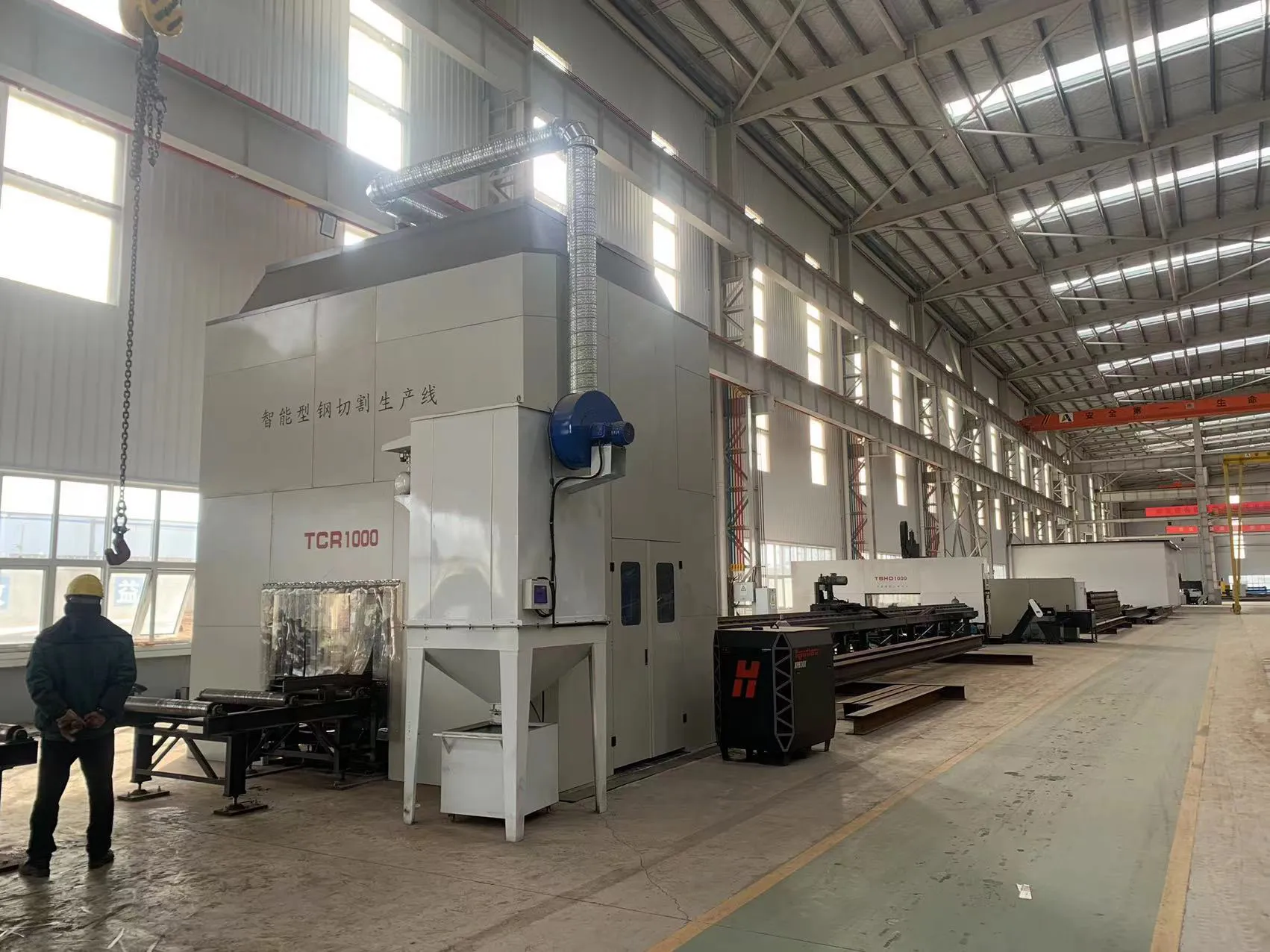
The Physics of 30kW Laser Cutting on Aluminum Alloys
Overcoming Reflectivity and Thermal Conductivity
Aluminum is notoriously difficult to process with lower-power lasers due to its high reflectivity and high thermal conductivity. At lower power densities, a significant portion of the laser energy is reflected back into the cutting head, which can damage optical components. Furthermore, aluminum’s ability to rapidly dissipate heat away from the cut zone often results in a wide heat-affected zone (HAZ) and inconsistent melt pools.
A 30kW fiber laser overcomes these hurdles through sheer power density. By delivering a massive amount of energy to a concentrated spot, the system achieves instantaneous vaporization of the material, surpassing the threshold of reflectivity before the material can conduct the heat away. This results in a much narrower kerf and a significantly reduced HAZ, ensuring the structural integrity of the aluminum alloy is maintained—a critical requirement for aerospace components produced in the Puebla region.
Thickness Capabilities and Speed Advancements
While a 10kW or 12kW laser can cut aluminum, the 30kW system shifts the “sweet spot” of production. For aluminum plates ranging from 10mm to 30mm, a 30kW system can increase cutting speeds by 300% to 500% compared to a 12kW unit. In high-volume production environments, this translates to a drastic reduction in cost-per-part. Moreover, the 30kW system extends the maximum cutting capacity, allowing for the precision laser cutting of aluminum alloys up to 50mm or even 60mm in thickness with a clean, perpendicular edge finish.
Technical Specifications of High-Precision 30kW Systems
Advanced Motion Control and Gantry Dynamics
To harness 30kW of power, the mechanical structure of the machine must be exceptionally rigid. Precision laser cutting at high speeds requires high-acceleration linear motors and a reinforced gantry system. In Puebla’s manufacturing plants, where precision is measured in microns, the vibration damping characteristics of the machine bed (often made of high-strength flake graphite cast iron) are essential to prevent striations on the cut surface of the aluminum.
Optical Path and Intelligent Cutting Heads
The cutting head of a 30kW system is a masterpiece of engineering. It must incorporate advanced cooling circuits to manage the thermal load on the lenses. Modern systems utilize intelligent sensors to monitor the temperature of the protective windows and the focus position in real-time. For aluminum alloys, which are prone to dross (slag) adhesion, the ability to dynamically adjust the focal point and gas pressure during the cut is vital for achieving a “burr-free” finish.
 laser cutting machine“>
Optimizing the Cutting Process for Aluminum Alloys
Gas Assist Strategies: Nitrogen vs. Compressed Air
The choice of assist gas is pivotal when laser cutting aluminum. Nitrogen is the standard for high-quality finishes, as it acts as a shielding gas to prevent oxidation, leaving a bright, weld-ready edge. However, with 30kW of power, high-pressure compressed air has become a viable and cost-effective alternative for certain grades of aluminum. The high power allows the laser to overcome the slight dross formation associated with air, providing a balance between speed and edge quality that is highly attractive for structural automotive parts.
Managing the “Puebla Factor”: Altitude and Environment
Puebla sits at an elevation of approximately 2,135 meters above sea level. This altitude affects the density of the air and the efficiency of traditional cooling systems. When installing a 30kW laser system in this region, engineers must calibrate the gas delivery systems and the chiller units to account for lower atmospheric pressure. Failure to do so can lead to inconsistent beam quality and overheating of the resonator. Precision 30kW systems designed for high-altitude environments often feature oversized cooling units and specialized pressure regulators to ensure consistent performance.
Metallurgical Considerations for 5000 and 6000 Series Aluminum
Preventing Micro-Cracking and Grain Distortion
In the automotive industry centered in Puebla, 5000 series (magnesium-alloyed) and 6000 series (silicon and magnesium-alloyed) aluminum are the most common. These alloys are sensitive to thermal cycles. The high-speed nature of 30kW laser cutting minimizes the time the material spends at elevated temperatures, which helps in preserving the T6 temper or other heat-treated states of the alloy. This precision ensures that the mechanical properties—such as tensile strength and fatigue resistance—remain within the strict tolerances required for safety-critical components.
Surface Treatment and Reflectivity Management
Even with 30kW of power, the surface condition of the aluminum (e.g., polished, brushed, or oxidized) can influence the initial piercing phase. Modern 30kW systems utilize “active reflection protection” and specialized piercing cycles that use modulated pulses to break the surface tension without causing back-reflections. This is particularly important for Puebla-based shops working with marine-grade aluminum or aesthetic architectural panels.
Economic Impact and ROI for Puebla Manufacturers
Throughput and Competitive Edge
The primary driver for investing in 30kW technology is the compression of production timelines. In a region like Puebla, where labor costs are rising and the demand for “just-in-time” delivery is the norm, the ability to cut three times faster than the competition is a significant advantage. A 30kW system can often replace two or three lower-power machines, reducing the footprint required on the factory floor and lowering the total energy consumption per part produced.
Maintenance and Longevity
While the initial capital expenditure for a 30kW system is higher, the “cost per meter” of cutting is significantly lower for aluminum alloys. Furthermore, because the 30kW system is often operating at only 60-70% of its maximum capacity for medium-thickness materials, the stress on the source and the optics is reduced, potentially leading to a longer service life compared to a 10kW machine constantly pushed to its limits. Local technical support in Puebla is also evolving, with specialized technicians now capable of maintaining these high-end fiber sources.
Safety and Environmental Standards
Radiation Shielding and Filtration
A 30kW laser generates intense infrared radiation and significant amounts of fine particulate matter when cutting aluminum. Precision systems must be fully enclosed with Class 1 safety housing. In accordance with Mexican environmental regulations (NOM), high-efficiency dust extraction and filtration systems are mandatory. These systems capture aluminum dust, which is not only an inhalation hazard but also potentially explosive if allowed to accumulate in high concentrations.
Integration with Industry 4.0
The modern 30kW laser cutting ecosystem in Puebla is increasingly integrated with Industry 4.0 protocols. These machines feed real-time data into Manufacturing Execution Systems (MES), allowing managers to track gas consumption, power usage, and cutting efficiency. Predictive maintenance algorithms can alert operators to potential nozzle wear or lens contamination before they result in scrapped parts, further enhancing the precision and reliability of the aluminum fabrication process.
Conclusion
The deployment of 30kW precision laser systems marks a transformative era for aluminum alloy fabrication in Puebla. By effectively neutralizing the traditional challenges of aluminum—reflectivity and thermal conductivity—this technology enables local manufacturers to meet the stringent demands of the global automotive and aerospace markets. As the industry continues to evolve, the combination of ultra-high power, advanced motion control, and local engineering expertise will ensure that Puebla remains at the forefront of advanced manufacturing. Investing in 30kW laser cutting is no longer just an upgrade; it is a strategic imperative for those aiming to lead in the high-precision metalworking landscape.
















