
The Evolution of 30kW laser cutting in Monterrey’s Industrial Landscape
The industrial sector in Monterrey, Nuevo León, has long been the engine of Mexico’s manufacturing prowess. As the region transitions toward Industry 4.0, the demand for high-capacity, high-precision machinery has surged. Among these advancements, the 30kW precision laser system represents the pinnacle of current fiber laser technology. This leap from the standard 10kW or 12kW systems to 30kW is not merely an incremental upgrade; it is a fundamental shift in how heavy-duty materials, particularly aluminum alloys, are processed in the “Sultan of the North.”
For Monterrey-based manufacturers serving the automotive, aerospace, and structural engineering sectors, the 30kW fiber laser offers unprecedented speed and the ability to cut through extreme thicknesses that were previously the sole domain of plasma or waterjet cutting. However, unlike plasma, laser cutting with a 30kW source maintains a level of precision and a minimal heat-affected zone (HAZ) that eliminates the need for secondary finishing processes. This efficiency is critical in a competitive market where “nearshoring” demands rapid turnaround times and exacting quality standards.
Technical Specifications and Beam Dynamics of 30kW Systems
A 30kW precision laser system operates on the principle of fiber-delivered light, where the laser beam is generated through a series of pump diodes and concentrated into a fiber optic cable. At 30,000 watts, the energy density at the focal point is immense. This allows for the sublimation of metals almost instantaneously. The beam quality, often measured by the Beam Parameter Product (BPP), is optimized in these high-power systems to ensure that despite the high wattage, the kerf remains narrow and the edges remain square.
In Monterrey’s heavy industrial zones, such as Apodaca and Santa Catarina, these machines are often equipped with advanced CNC controllers that manage real-time adjustments to focal position and gas pressure. When processing aluminum, the system must account for the material’s unique physical properties, which require a sophisticated approach to power modulation and pulse frequency.
 laser cutting machine” style=”width: 100%; max-width: 800px; height: auto; margin: 20px 0;”>
Aluminum Alloy Processing: Engineering Challenges and Solutions
Aluminum is widely regarded as one of the most challenging materials for laser cutting due to its high thermal conductivity and high reflectivity. In its molten state, aluminum acts like a mirror to infrared light, which can cause back-reflections that damage the laser source. However, the 30kW systems utilized in Monterrey are designed with specific “back-reflection protection” modules that isolate the laser resonators from returning photons.
The 30kW power threshold allows the laser to overcome the “reflectivity barrier” through sheer intensity. By delivering more energy than the material can reflect or conduct away, the laser achieves a stable “keyhole” welding-cutting effect. This is particularly vital for 5xxx and 6xxx series aluminum alloys, which are staples in the Monterrey automotive supply chain for chassis components and structural brackets.
Overcoming Thermal Diffusivity in Thick Aluminum
Aluminum dissipates heat rapidly. In lower-power systems, this leads to a buildup of heat across the entire part, causing warping or “dross” (hardened slag) on the underside of the cut. The 30kW system solves this by increasing the cutting speed. At higher velocities, the laser moves faster than the heat can conduct into the surrounding material. The result is a clean, burr-free edge that meets the strict tolerances required by international aerospace standards. This high-speed processing is a significant advantage for Monterrey shops looking to maximize throughput without sacrificing the integrity of the alloy’s temper.
Strategic Implementation in Monterrey’s Industrial Corridor
Monterrey’s strategic location near the United States border makes it a hub for export-oriented manufacturing. The implementation of 30kW laser cutting technology provides local firms with a massive competitive edge under the USMCA framework. As companies like Tesla and their Tier 1 suppliers establish a presence in the region, the requirement for high-volume production of aluminum components has reached an all-time high.
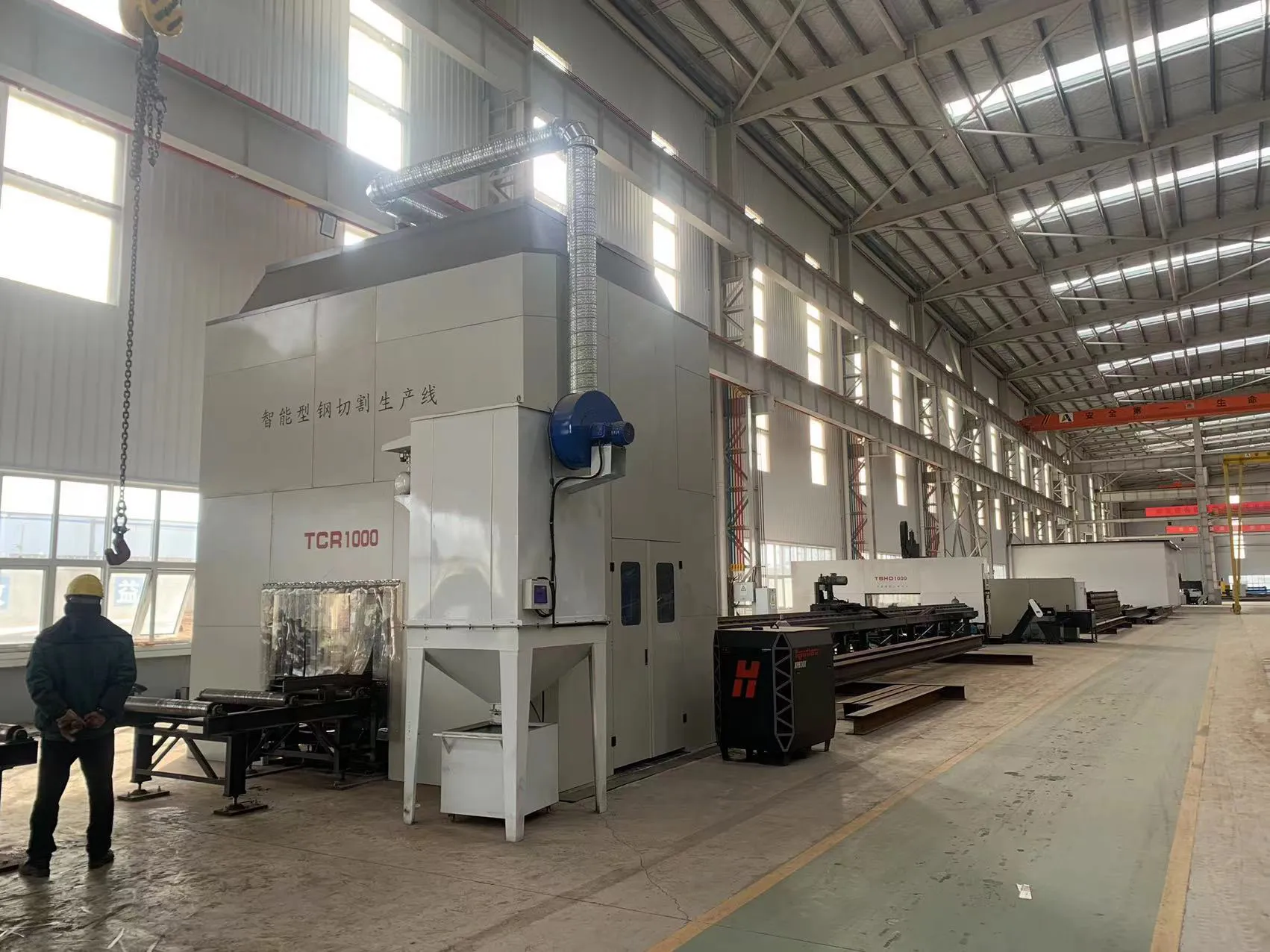
The integration of these systems into Monterrey factories involves more than just the machine itself. It requires a robust infrastructure, including stabilized high-voltage power grids and high-capacity industrial chillers. Because a 30kW laser generates significant heat within the cabinet, specialized cooling systems are mandatory to maintain the stability of the fiber laser source and the cutting head optics.
Supply Chain and Local Maintenance Support
One of the primary considerations for Monterrey engineers is the availability of consumables and technical support. High-power laser cutting requires specialized nozzles, protective windows, and ceramic rings that can withstand the intense UV radiation and heat associated with 30kW output. The local ecosystem in Nuevo León has evolved to provide these components rapidly, reducing downtime. Furthermore, the presence of factory-trained technicians in Monterrey ensures that the complex optical alignments required for precision cutting are maintained according to OEM specifications.
Optimizing the Laser Cutting Process for Maximum Throughput
To truly harness the power of a 30kW system when working with aluminum alloys, operational parameters must be meticulously tuned. This involves a delicate balance between laser power, cutting speed, and assist gas pressure. For aluminum, the choice of assist gas is often Nitrogen, which prevents oxidation and results in a shiny, weld-ready edge finish.
In Monterrey’s fast-paced production environments, the use of “High-Pressure Air” as an assist gas is also gaining traction for aluminum up to certain thicknesses. While Nitrogen provides the best aesthetic finish, compressed air can significantly reduce operational costs while still providing the kinetic energy needed to eject molten aluminum from the kerf, thanks to the massive power of the 30kW beam.
Assist Gas Selection: Nitrogen vs. Compressed Air
When cutting 25mm to 40mm aluminum plate, Nitrogen is the gold standard. It acts as a cooling agent and flushes the melt pool without reacting with the metal. However, the volume of Nitrogen required for a 30kW system is substantial. Many Monterrey facilities are now investing in on-site Nitrogen generators to keep up with the demand of 24/7 laser cutting operations. For thinner gauges (under 12mm), high-pressure air cutting with a 30kW laser can reach speeds that are nearly double those of a 12kW system, providing a massive boost to the bottom line.
Economic Viability and ROI for Mexican Manufacturers
The capital expenditure for a 30kW precision laser system is significant. However, the Return on Investment (ROI) is realized through the “cost per part” metric. Because the 30kW system cuts thicker materials faster and with better quality, it can often replace two or three lower-power machines. In the context of Monterrey’s labor market and rising energy costs, the ability to produce more parts per kilowatt-hour is a decisive economic factor.
Furthermore, the 30kW system extends the range of materials a shop can handle. Monterrey fabricators can now bid on contracts involving 50mm aluminum or 100mm stainless steel, markets that were previously inaccessible to laser shops. This versatility ensures that the machine remains a profit center regardless of shifts in regional industry demand.
Future-Proofing with Precision Laser Technology
As we look toward the future of manufacturing in Northern Mexico, the trend toward lightweighting in the transport sector will only increase the reliance on aluminum alloys. A 30kW laser cutting system is a future-proof investment. It provides the headroom necessary to handle new, tougher alloys and the speed to remain competitive in a global market. By adopting this technology, Monterrey-based companies are not just buying a machine; they are securing their position as leaders in the high-tech manufacturing landscape of North America.
In conclusion, the 30kW precision laser system is the ultimate tool for processing aluminum alloys in Monterrey. Its combination of raw power and refined control allows for the production of complex components with unmatched efficiency. For the engineers and business owners of Nuevo León, mastering this technology is the key to unlocking the next level of industrial productivity.
















