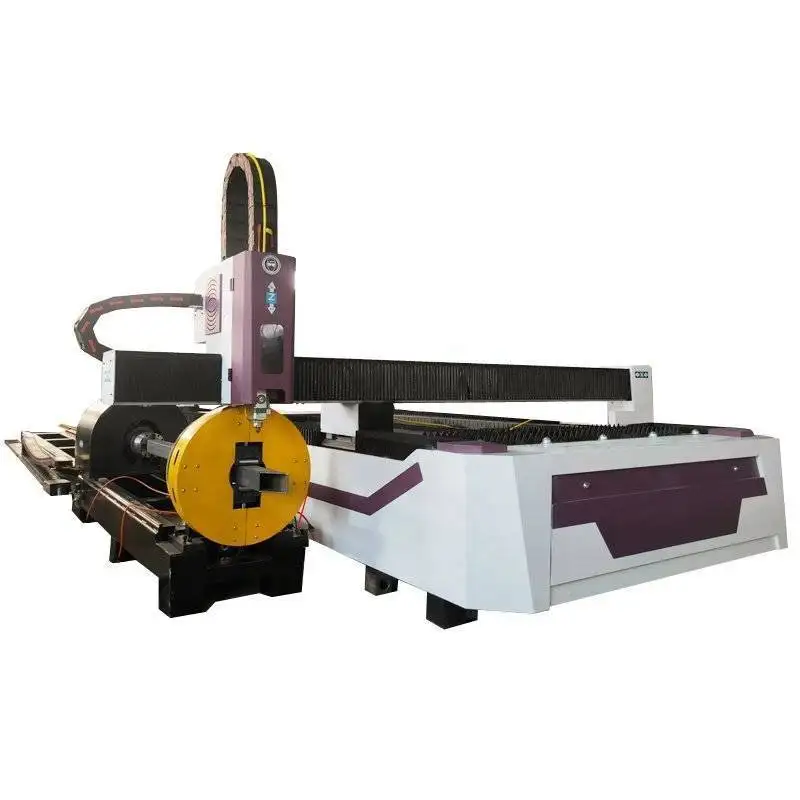
The Industrial Convergence: Monterrey and the Future of Rail
Monterrey has long been recognized as the “Sultana del Norte,” the industrial heart of Mexico. Its proximity to the United States border and its deep-rooted history in steel production—led by giants like Ternium—make it the ideal theater for the next generation of heavy infrastructure fabrication. As the global supply chain shifts toward regionalized production, Monterrey is capturing a significant share of the railway infrastructure market.
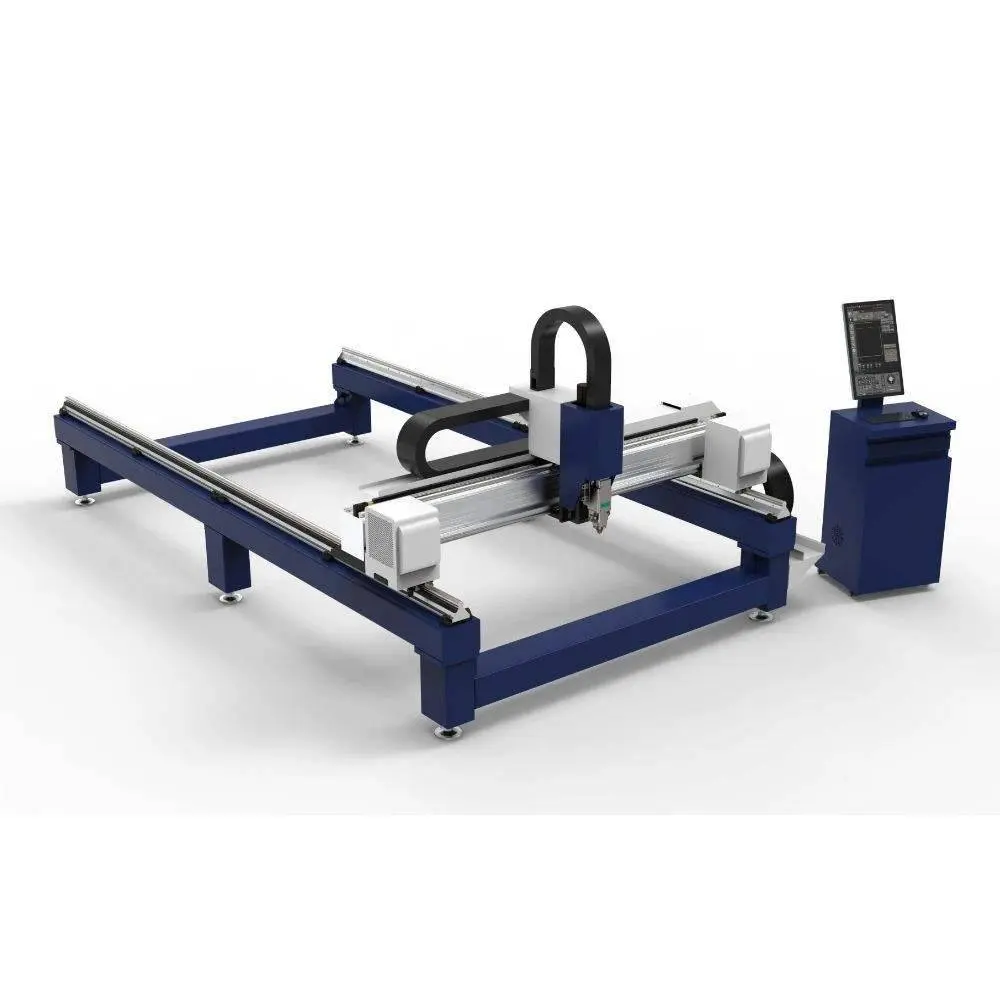
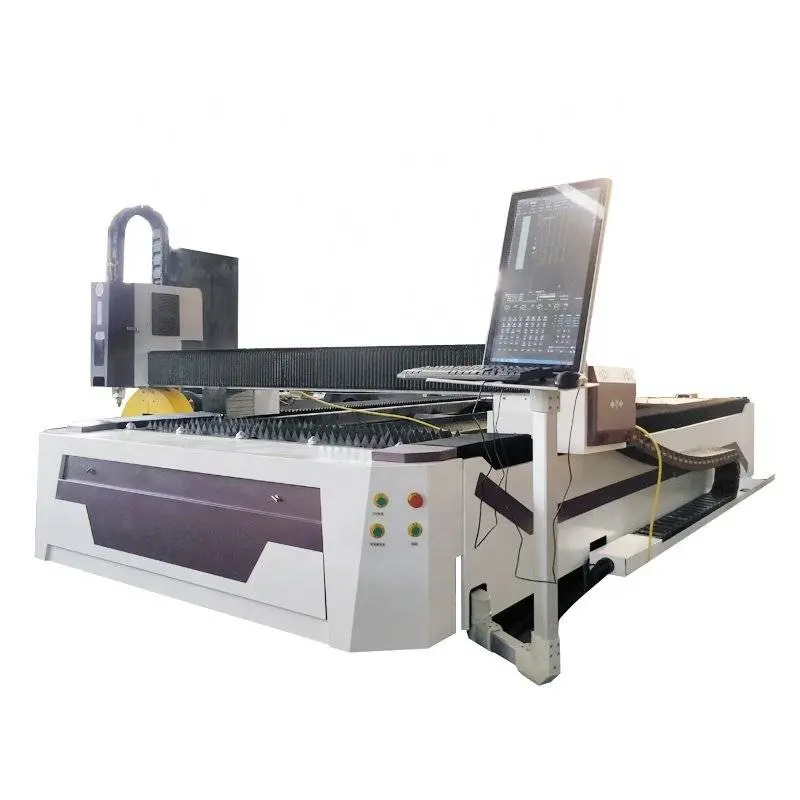
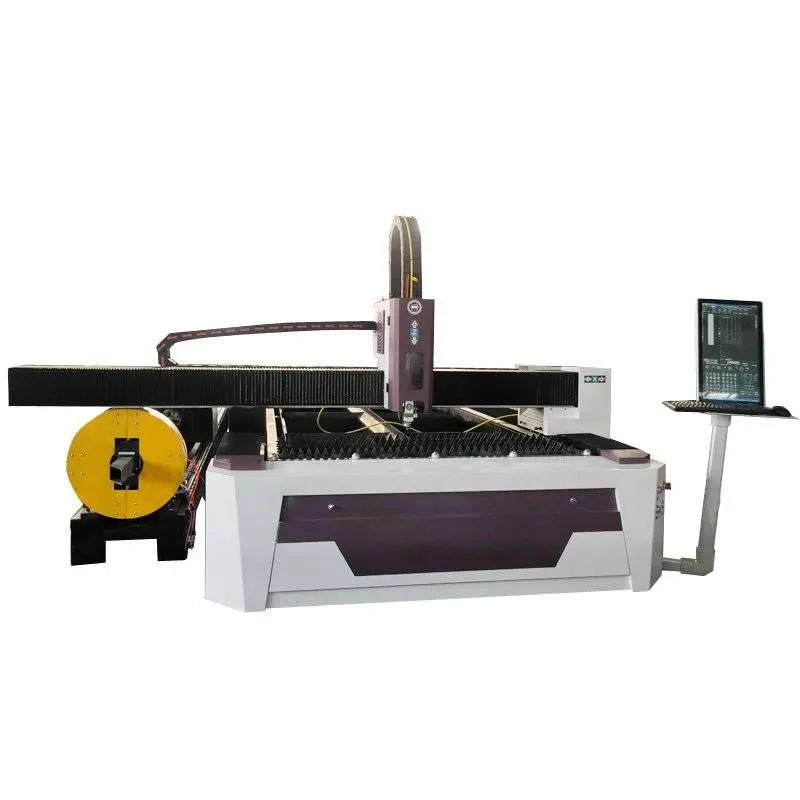
Railway projects, such as the expansion of cross-border freight corridors and domestic passenger lines, demand structural components that can withstand immense dynamic loads and environmental stress. The H-beam, the literal backbone of bridges, station frameworks, and catenary supports, requires a level of fabrication precision that traditional plasma or oxy-fuel cutting struggles to provide. Enter the 30kW fiber laser: a machine designed to bridge the gap between heavy-duty structural requirements and aerospace-level precision.
The Power of 30kW: Redefining Throughput and Quality
For decades, the limitation of laser cutting in the structural steel industry was the thickness of the material. Fiber lasers were seen as tools for thin sheet metal. However, the advent of the 30kW resonator has shattered these preconceptions. At 30,000 watts, the laser beam possesses a power density capable of vaporizing thick-walled H-beams (up to 50mm or more) with a narrow kerf and a minimal heat-affected zone (HAZ).
In the context of railway infrastructure, this power translates to two critical advantages: speed and structural integrity. A 30kW system can process structural steel several times faster than a 10kW or 12kW system, significantly reducing the “time-per-part” metric. More importantly, the high speed of the laser prevents excessive heat from soaking into the surrounding metal. In railway engineering, maintaining the original metallurgical properties of the steel is vital to prevent brittle fractures under the constant vibration of passing trains. The precision of the 30kW fiber laser ensures that every bolt hole and every miter cut is perfectly executed, reducing the need for secondary grinding or rework.
3D Processing of H-Beams: Geometry Without Limits
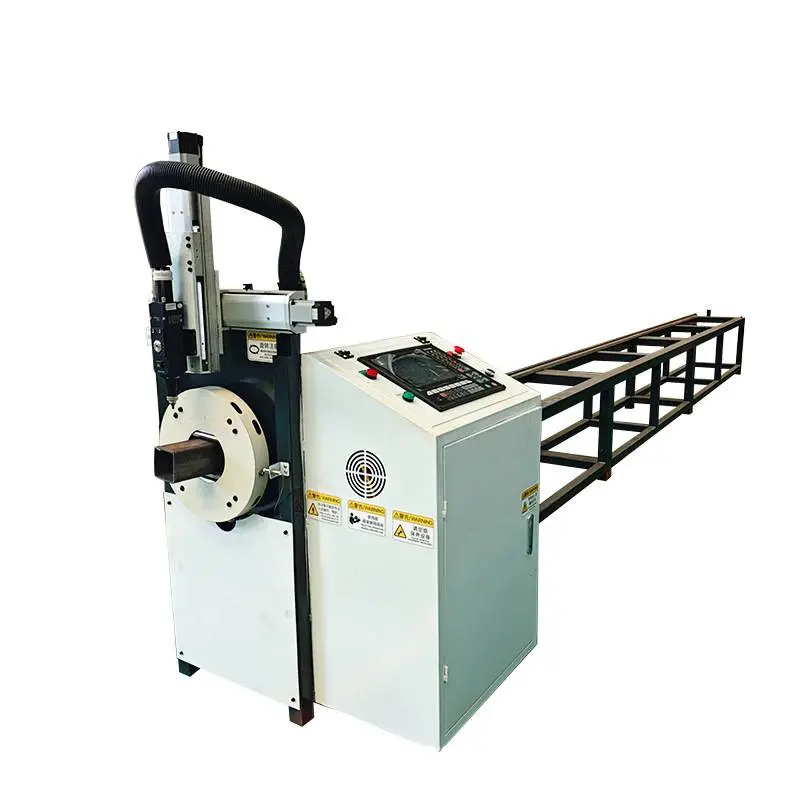
Traditional H-beam fabrication involves a fragmented process: sawing to length, drilling holes on a separate line, and manual torch cutting for complex notches or bevels. The 30kW H-Beam Laser Cutting Machine integrates all these functions into a single, automated workstation.
Equipped with a 5-axis cutting head or a robotic arm, these machines can orbit the H-beam, cutting through the flange and the web with seamless transitions. This capability is essential for the complex geometries required in railway bridge trusses and station canopies. The laser can execute bevels for weld preparation in a single pass, ensuring that when the beams arrive at the construction site in Monterrey or are exported to a project in Texas, they fit together with sub-millimeter accuracy. This “Lego-like” precision accelerates on-site assembly, a crucial factor in minimizing rail traffic disruptions during infrastructure upgrades.
Zero-Waste Nesting: Economics Meets Sustainability
One of the most significant challenges in structural steel fabrication is material waste. Steel is a volatile commodity, and in large-scale railway projects, even a 5% waste margin can represent millions of dollars in lost revenue. This is where “Zero-Waste Nesting” technology becomes a game-changer.
Advanced CAD/CAM software tailored for 30kW lasers uses sophisticated algorithms to pack parts onto a single H-beam with maximum density. For railway components—which often involve repeating patterns of plates, brackets, and beams—Zero-Waste Nesting allows for “common-line cutting.” This technique enables the laser to share a single cut path between two adjacent parts, not only saving material but also reducing the total cutting time and gas consumption.
In Monterrey’s competitive fabrication landscape, the ability to squeeze every usable inch out of a steel profile allows manufacturers to bid more competitively on international tenders. Furthermore, it aligns with the growing global emphasis on “Green Steel” and sustainable construction. By reducing the scrap rate, the carbon footprint associated with the melting and recycling of offcuts is drastically lowered, making the 30kW laser a cornerstone of environmental responsibility in heavy industry.
Addressing the Railway Infrastructure Demand
The demand for high-quality railway components in North America is at a generational high. From the “Tren Maya” in southern Mexico to the massive rail modernization projects in the United States, the requirement for standardized, high-strength structural components is relentless.
The 30kW fiber laser machines in Monterrey are specifically geared toward these demands. They are used to fabricate:
– **Bridge Girders:** Large-scale H-beams that form the primary support for rail overpasses.
– **Catenary Masts:** The vertical supports for overhead electrification lines, which must be perfectly uniform for miles of track.
– **Switch and Signal Components:** Heavy-duty housings and supports that require high precision for mechanical integration.
– **Rolling Stock Frames:** The underlying chassis of freight cars and locomotives that demand the highest power-to-weight ratios in their structural members.
By utilizing 30kW technology, Monterrey fabricators can guarantee compliance with international standards such as those set by the American Railway Engineering and Maintenance-of-Way Association (AREMA). The repeatability of the laser ensures that the 1,000th beam is identical to the first, a necessity for the long-term safety of rail transport.
The “Monterrey Advantage”: Integration and Expertise
While the hardware is impressive, the success of 30kW laser technology in Monterrey is also a result of the local ecosystem. The city boasts a highly skilled workforce of engineers and technicians who are adept at managing the complex software-hardware interface of modern fiber lasers.
Local integration companies in Monterrey are now offering turnkey solutions that include the laser machine, automated loading and unloading systems (material handling), and localized technical support. This reduces downtime and ensures that the machines operate at the 90%+ OEE (Overall Equipment Effectiveness) required for high-volume railway contracts. The synergy between the local steel supply from Monterrey’s mills and the high-tech fabrication capabilities creates a closed-loop system that is difficult for other regions to replicate.
The Technological Horizon: Intelligence and Automation
The next step for 30kW H-beam cutting in Monterrey is the integration of Artificial Intelligence (AI) and the Internet of Things (IoT). Modern machines are now equipped with sensors that monitor the health of the cutting head, the purity of the assist gas, and the consistency of the beam. If the system detects a slight deviation in the cut quality while processing a critical railway component, it can automatically adjust parameters in real-time.
Furthermore, the data generated by Zero-Waste Nesting software is being used to provide “digital twins” of the fabricated parts. This means that every H-beam used in a railway bridge has a digital record of its fabrication, including the specific heat of steel used and the laser parameters applied. This level of traceability is becoming a standard requirement for government-funded infrastructure projects, and Monterrey’s tech-forward shops are leading the charge.
Conclusion: A New Era for Monterrey’s Steel Legacy
The introduction of 30kW Fiber Laser H-Beam Cutting Machines with Zero-Waste Nesting marks a pivotal moment for Monterrey’s industrial sector. By combining the raw power needed for heavy railway infrastructure with the surgical precision of fiber laser technology, Monterrey is proving that it is no longer just a center for raw material production, but a global leader in high-value-added fabrication.
As rail networks expand to meet the needs of a more connected and sustainable world, the efficiency, cost-savings, and precision offered by these machines will be the standard by which all structural fabrication is measured. For the railway industry, this means safer, more durable infrastructure. For Monterrey, it means a solidified position at the forefront of the global industrial stage, turning steel into progress with zero waste and infinite precision.