The Dawn of Ultra-High Power: Why 30kW is Necessary for Pune’s Infrastructure
In the realm of structural steel fabrication, the move from 10kW to 30kW is not merely an incremental upgrade; it is a paradigm shift. For a city like Pune—a burgeoning hub of engineering and the gateway to Western Maharashtra—the demands of the new international airport project necessitate machinery that can handle heavy-duty H-beams with surgical precision.
A 30kW fiber laser source provides a power density that allows for the “vaporization cutting” of thick-walled H-beams, which traditionally required plasma cutting or mechanical sawing and drilling. Where plasma leaves a significant Heat Affected Zone (HAZ) and requires secondary grinding, the 30kW laser produces a clean, dross-free edge on carbon steel sections up to 50mm or even 80mm thick. In airport construction, where massive roof trusses and support pillars must bear extreme loads, the absence of micro-cracks in the cut edge is critical for long-term fatigue resistance.
3D H-Beam Profiling: Navigating Complex Geometries
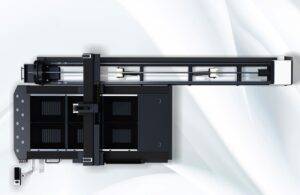
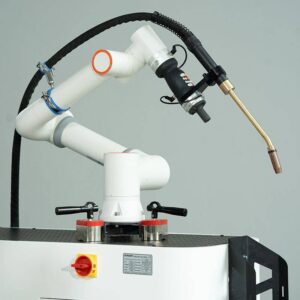
Cutting an H-beam is significantly more complex than cutting flat sheet metal. It requires a 5-axis or 6-axis laser head capable of navigating the flanges and the web of the beam simultaneously. The 30kW H-Beam laser cutting Machine utilizes a sophisticated chuck system that rotates the beam while the laser head performs intricate bevel cuts, bolt holes, and interlocking joints.
For the Pune Airport’s terminal architecture, which often features organic, flowing rooflines and complex intersections, these machines allow for “ready-to-assemble” parts. This means that a 12-meter H-beam can be loaded into the machine and emerge with every bolt hole, miter cut, and utility pass-through completed in a single process. This eliminates the need for manual layout and multi-stage machining, reducing the margin of human error to near zero.
The Science of Zero-Waste Nesting in Structural Steel
One of the most significant cost drivers in large-scale construction is material wastage. Traditionally, when cutting various lengths and profiles from standard H-beams, “drops” or offcuts are inevitable. However, with modern Zero-Waste Nesting software integrated into 30kW laser systems, this inefficiency is being phased out.
Zero-waste nesting uses AI-driven algorithms to analyze the entire project’s bill of materials. It looks at the thousands of beam segments required for the airport terminal and calculates the most efficient way to “nest” them within the raw stock lengths. Features like **Common Line Cutting** allow two different parts to share a single cut line, effectively removing the kerf waste between them.
In Pune’s competitive fabrication market, where steel prices fluctuate, the ability to squeeze an extra 5-10% of usable parts out of every ton of steel is a massive economic advantage. Furthermore, the software can manage “remnant tracking,” cataloging offcuts and automatically suggesting them for smaller components in future sections of the airport project.
Impact on the Pune Airport Construction Timeline
The expansion of Pune’s aviation infrastructure is under intense scrutiny regarding timelines. Traditional fabrication methods for H-beams involve a “decoupled” workflow: sawing to length, moving to a drilling station, and then moving to a manual beveling area.
A 30kW Fiber Laser H-Beam machine consolidates these three steps into one. A process that once took six hours of manual labor and movement can now be completed in under 20 minutes. For the Pune Airport project, this means the structural skeleton of the terminal can be erected months ahead of schedule. The high-speed piercing capabilities of the 30kW source—which can penetrate 30mm steel in less than a second—further compound these time savings across thousands of structural members.
Precision and Safety: Meeting International Aviation Standards
Airport terminals are high-occupancy public spaces with stringent safety codes. The structural integrity of the H-beams used is paramount. Fiber laser cutting, unlike oxy-fuel or plasma, minimizes the thermal input into the material. Excessive heat can alter the crystalline structure of the steel, potentially making it brittle.
The 30kW laser’s speed ensures that the heat is concentrated in a very narrow area, preserving the metallurgical properties of the H-beam’s core. Additionally, the precision of the holes cut for high-strength friction grip (HSFG) bolts ensures a perfect fit during site assembly. In the windy conditions and seismic considerations relevant to the Pune region, the tighter tolerances (within ±0.1mm) provided by laser technology ensure that the structure behaves exactly as the engineers modeled it in their BIM (Building Information Modeling) software.
Pune as the Hub for Advanced Laser Fabrication
Pune is uniquely positioned to lead this technological revolution. With a dense ecosystem of automotive and heavy engineering firms in areas like Chakan, Talegaon, and Pimpri-Chinchwad, the local workforce already possesses a high degree of technical literacy.
The deployment of a 30kW H-beam laser in this region encourages a “Smart Factory” approach. These machines are often equipped with IoT sensors that monitor power consumption, gas pressure, and nozzle condition in real-time. For contractors working on the Pune Airport, this data provides a transparent audit trail of fabrication quality, ensuring that every beam that arrives at the construction site meets the specific grade and tension requirements of the project.
Sustainability: The Green Footprint of Fiber Lasers
Sustainability is a key pillar of modern airport design. The 30kW fiber laser contributes to this in two major ways. First, the energy efficiency of fiber laser sources is significantly higher (around 35-45% wall-plug efficiency) compared to older CO2 lasers or high-def plasma systems.
Second, the Zero-Waste Nesting capability directly reduces the carbon footprint associated with steel production. Every ton of steel saved through intelligent nesting represents a reduction in the energy required for smelting, transport, and recycling. By minimizing the “scrap-to-part” ratio, Pune’s fabricators are delivering a “greener” airport, aligning with global trends in sustainable construction.
Overcoming Challenges: Shielding Gases and Maintenance
Operating a 30kW machine in Pune’s climate requires specific expertise. At such high power, the choice of shielding gas—Oxygen or Nitrogen—is crucial. For H-beams used in airport construction, Nitrogen is often preferred for its “clean cut” that leaves no oxide layer, allowing for immediate painting or galvanizing without the need for acid pickling.
Furthermore, a 30kW system generates significant heat within the machine’s internal optics. Advanced chilling systems and dust extraction are vital, especially given the dusty environments often found near major construction sites in Maharashtra. Leading Pune-based service providers are now offering 24/7 remote monitoring for these machines, ensuring that the airport construction remains on track without unplanned downtime.
Conclusion: Building the Future of Pune
The 30kW Fiber Laser H-Beam Cutting Machine represents the pinnacle of modern structural fabrication. As Pune continues to expand its footprint on the global stage, the infrastructure supporting that growth—starting with its international airport—must be built using the most efficient, precise, and sustainable methods available.
By embracing zero-waste nesting and ultra-high-power laser technology, the city is not just building a terminal; it is building a blueprint for the future of Indian infrastructure. The synergy between high-end photonics and heavy civil engineering ensures that the structures we build today will be safer, cheaper, and more durable for generations to come. In the heart of Maharashtra’s industrial belt, the hum of the 30kW laser is the sound of progress, cutting through steel and old inefficiencies with equal ease.