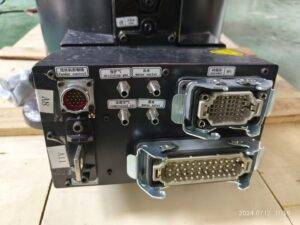
Advancing Industrial Precision: The 30kW Fiber laser cutting Machine in Queretaro
The industrial landscape of Queretaro has undergone a seismic shift over the last decade, transitioning from a regional manufacturing hub to a global powerhouse in aerospace, automotive, and heavy machinery sectors. Central to this evolution is the adoption of ultra-high-power laser cutting technology. As production demands increase and material thicknesses grow, the 30kW fiber laser cutting machine has emerged as the definitive solution for high-volume stainless steel processing. This guide explores the technical intricacies, economic advantages, and regional applications of 30kW technology within the Queretaro industrial corridor.
The Evolution of Power: Why 30kW Matters
In the realm of laser cutting, power dictates both speed and capacity. While 6kW and 12kW machines were once considered the industry standard for medium-gauge metals, the introduction of the 30kW fiber laser has redefined the boundaries of what is possible. For stainless steel—a material known for its toughness and thermal reflectivity—the jump to 30kW is not merely an incremental improvement; it is a transformative leap in throughput.
A 30kW system utilizes a high-density fiber optic delivery method to focus an immense amount of energy onto a microscopic point. This allows for the “vaporization” of stainless steel at speeds that were previously unthinkable. In Queretaro’s fast-paced automotive supply chains, where “Just-In-Time” (JIT) manufacturing is the norm, the ability to cut 20mm stainless steel at five times the speed of a 12kW machine translates directly into increased market competitiveness and reduced lead times.

Processing Stainless Steel: Technical Considerations
Stainless steel is a primary material for Queretaro’s food processing equipment and aerospace components. However, it presents unique challenges during laser cutting. The material’s chromium content and its tendency to retain heat require precise control over the laser beam’s characteristics. A 30kW laser cutting machine provides the necessary power reserve to maintain a stable “keyhole” during the cutting process, ensuring clean edges and minimal dross.
When processing thick-plate stainless steel (up to 100mm in some configurations), the 30kW source allows for the use of nitrogen as an assist gas at higher pressures. This prevents oxidation on the cut edge, eliminating the need for secondary finishing processes like grinding or polishing. For manufacturers in Queretaro looking to meet international quality standards (such as AS9100 for aerospace), the edge quality produced by a 30kW fiber laser is a critical requirement.
Queretaro’s Industrial Synergy and Ultra-High Power
Queretaro is home to one of the most sophisticated industrial ecosystems in North America. The state’s focus on the “Triple Helix” model—collaboration between government, academia, and industry—has created a fertile ground for high-tech investments. The 30kW laser cutting machine fits perfectly into this ecosystem by supporting the heavy-duty fabrication needs of the region’s specialized sectors.
In the aerospace sector, specifically, the demand for high-strength alloys and thick stainless steel brackets is constant. Traditional plasma cutting often leaves a large Heat Affected Zone (HAZ), which can compromise the structural integrity of flight-critical parts. The 30kW fiber laser cutting process minimizes the HAZ due to its extreme speed, ensuring that the metallurgical properties of the stainless steel remain intact. This precision is why many Tier 1 suppliers in Queretaro are upgrading their shop floors with ultra-high-power fiber systems.
Key Components of a 30kW Fiber Laser System
A 30kW machine is a complex symphony of engineering. To handle the immense energy, several components must be specialized:
- The Laser Source: Typically powered by multi-module fiber resonators, these units are designed for high wall-plug efficiency and stability.
- The Cutting Head: At 30kW, the cutting head must feature advanced cooling systems and high-grade optics to prevent thermal lensing, which can distort the beam.
- The Machine Bed: The structural frame must be exceptionally rigid. A 30kW laser cutting machine often processes plates weighing several tons; therefore, a hollow-structure, heat-treated bed is essential to prevent deformation over time.
- Control Software: Advanced CNC systems are required to manage the dynamic power adjustment, ensuring that corners are cut with the same precision as straight lines.

Economic Impact: ROI and Cost-per-Part
While the initial investment in a 30kW laser cutting machine is higher than lower-wattage alternatives, the Return on Investment (ROI) is often realized faster in high-production environments. The primary driver of this ROI is the reduction in cost-per-part. By significantly increasing cutting speeds, the machine reduces the labor and overhead costs allocated to each component produced.
Furthermore, the 30kW system expands a workshop’s capabilities. A shop in Queretaro that previously had to outsource thick-plate cutting to specialized heavy-industry providers can now bring that work in-house. This vertical integration not only improves profit margins but also gives the manufacturer total control over quality and delivery schedules. In a region where logistics costs are a major factor, the ability to process everything from 1mm sheet metal to 80mm stainless steel plate on a single machine is a massive strategic advantage.
Optimizing Nitrogen and Oxygen Assist Gases
The choice of assist gas is pivotal when utilizing a 30kW laser cutting machine for stainless steel. Nitrogen is the preferred choice for most applications because it acts as a cooling agent and prevents the molten metal from reacting with oxygen, resulting in a bright, weld-ready finish. However, at 30kW, the consumption of nitrogen can be significant.
Many forward-thinking facilities in Queretaro are now installing high-pressure air compressors or nitrogen generation systems. With 30kW of power, high-pressure air can often replace nitrogen for certain grades of stainless steel, providing a “good enough” finish at a fraction of the gas cost. This flexibility allows operators to tune the process based on the specific requirements of the end-user, whether they are in the architectural sector or the heavy industrial equipment market.
Safety and Maintenance in High-Power Environments
Operating a 30kW laser cutting machine requires a rigorous approach to safety. These machines are Class 4 laser products, and their beams can cause instantaneous damage to skin and eyes, even from reflections. Fully enclosed housings with laser-safe glass are mandatory. In Queretaro’s industrial parks, compliance with STPS (Secretaría del Trabajo y Previsión Social) regulations is essential, and 30kW machines are designed with redundant safety interlocks to meet these standards.
Maintenance is equally critical. The high power levels mean that even the smallest amount of dust on a protective window can lead to catastrophic failure of the cutting head optics. Implementing a “clean room” protocol for lens changes and ensuring a consistent supply of chilled water for the cooling system are non-negotiable aspects of operating an ultra-high-power laser cutting system. Professional training for local operators in Queretaro is a vital component of a successful installation.
The Future of Manufacturing in Queretaro
As we look toward the future, the integration of Industry 4.0 features with 30kW laser cutting technology will further enhance Queretaro’s manufacturing prowess. Real-time monitoring of beam quality, automated nozzle changing, and AI-driven nesting algorithms are becoming standard. These technologies ensure that material waste is minimized—a crucial factor when dealing with expensive stainless steel alloys.
The 30kW fiber laser cutting machine represents more than just a tool; it is a symbol of Queretaro’s commitment to industrial excellence. By providing the power to cut faster, thicker, and more accurately, it enables local manufacturers to compete on a global stage, meeting the rigorous demands of the world’s most sophisticated industries. For any fabrication business in the Bajío region looking to future-proof their operations, the move to 30kW is no longer a question of “if,” but “when.”
Conclusion
In conclusion, the 30kW fiber laser cutting machine is the pinnacle of current thermal cutting technology. Its application in Queretaro’s stainless steel sector offers unparalleled advantages in terms of speed, precision, and versatility. By understanding the technical requirements and economic drivers of this technology, businesses can leverage its power to drive growth, innovation, and efficiency in one of Mexico’s most dynamic industrial landscapes.