Introduction to 30kW Fiber laser cutting Technology
The evolution of industrial manufacturing has reached a pivotal junction with the introduction of ultra-high-power fiber lasers. The 30kW fiber laser cutting machine represents the pinnacle of current thermal cutting technology, offering unparalleled speed, precision, and the ability to process thick-section non-ferrous metals that were previously considered challenging or impossible for lower-wattage systems. In the industrial heart of Mexico City, where the automotive, aerospace, and decorative architectural sectors are rapidly expanding, the adoption of 30kW technology is not merely an upgrade—it is a competitive necessity.
Laser cutting at the 30,000-watt level utilizes a high-density coherent light beam to melt and vaporize material with extreme efficiency. Unlike CO2 lasers or lower-power fiber units, a 30kW system provides the power density required to overcome the high reflectivity and thermal conductivity of materials like brass, while maintaining a narrow kerf and minimal heat-affected zone (HAZ). This guide explores the technical intricacies of deploying these machines specifically for brass fabrication within the unique environmental and economic context of Mexico City.

The Mechanics of Cutting Brass with High-Power Lasers
Brass, an alloy of copper and zinc, is notoriously difficult to process using traditional laser cutting methods. Its high reflectivity means that a significant portion of the laser energy can be bounced back into the cutting head, potentially damaging the optical components. Furthermore, its high thermal conductivity causes heat to dissipate rapidly throughout the workpiece, making it difficult to maintain a stable melt pool.
Overcoming Reflectivity
A 30kW fiber laser overcomes these challenges through sheer power density and wavelength optimization. The 1.06-micron wavelength of a fiber laser is absorbed more readily by brass than the 10.6-micron wavelength of a CO2 laser. At 30kW, the energy delivered to the surface is so intense that it transitions the material from a solid to a molten state almost instantaneously, bypassing the high-reflectivity phase of the solid metal. This “keyhole” effect ensures that the beam is trapped within the cut, protecting the machine’s internal optics while maximizing energy efficiency.
Thermal Management and Precision
Precision in laser cutting brass requires a delicate balance between power and feed rate. Because 30kW machines can operate at significantly higher speeds than 6kW or 10kW units, the “dwell time” of the laser on any single point is minimized. This reduces the total heat input into the part, preventing the warping and dross accumulation that often plague thick brass components. For manufacturers in Mexico City producing high-end architectural fixtures or precision electrical components, this results in a mirror-like edge quality that requires little to no post-processing.
Strategic Importance for Mexico City’s Industrial Sector
Mexico City (CDMX) and its surrounding metropolitan area serve as a critical hub for North American manufacturing. The local industry is characterized by a mix of heavy industrial production and intricate artisanal fabrication. The 30kW fiber laser cutting machine addresses the needs of both ends of this spectrum.
Altitude and Atmospheric Considerations
Operating high-power laser cutting equipment in Mexico City requires an understanding of the local geography. At an elevation of approximately 2,240 meters, the atmospheric pressure is significantly lower than at sea level. This affects the dynamics of the assist gases (Oxygen, Nitrogen, or Compressed Air) used during the laser cutting process. Lower air density can impact the cooling of the cutting head and the efficiency of the gas jet in blowing away molten brass. Engineering teams must calibrate the gas pressure and nozzle geometry to compensate for these altitude-related variables to ensure consistent cut quality.
Market Demand: Automotive and Decorative
The automotive supply chain in the State of Mexico relies heavily on precision-cut brass for connectors, bushings, and decorative interior trim. Simultaneously, the city’s booming luxury real estate market demands high-quality brass facades and ornamental metalwork. A 30kW machine allows a single shop to pivot between high-volume thin-gauge electrical components and low-volume, high-thickness architectural plates (up to 50mm or more), providing a versatile return on investment.
Technical Specifications and Machine Architecture
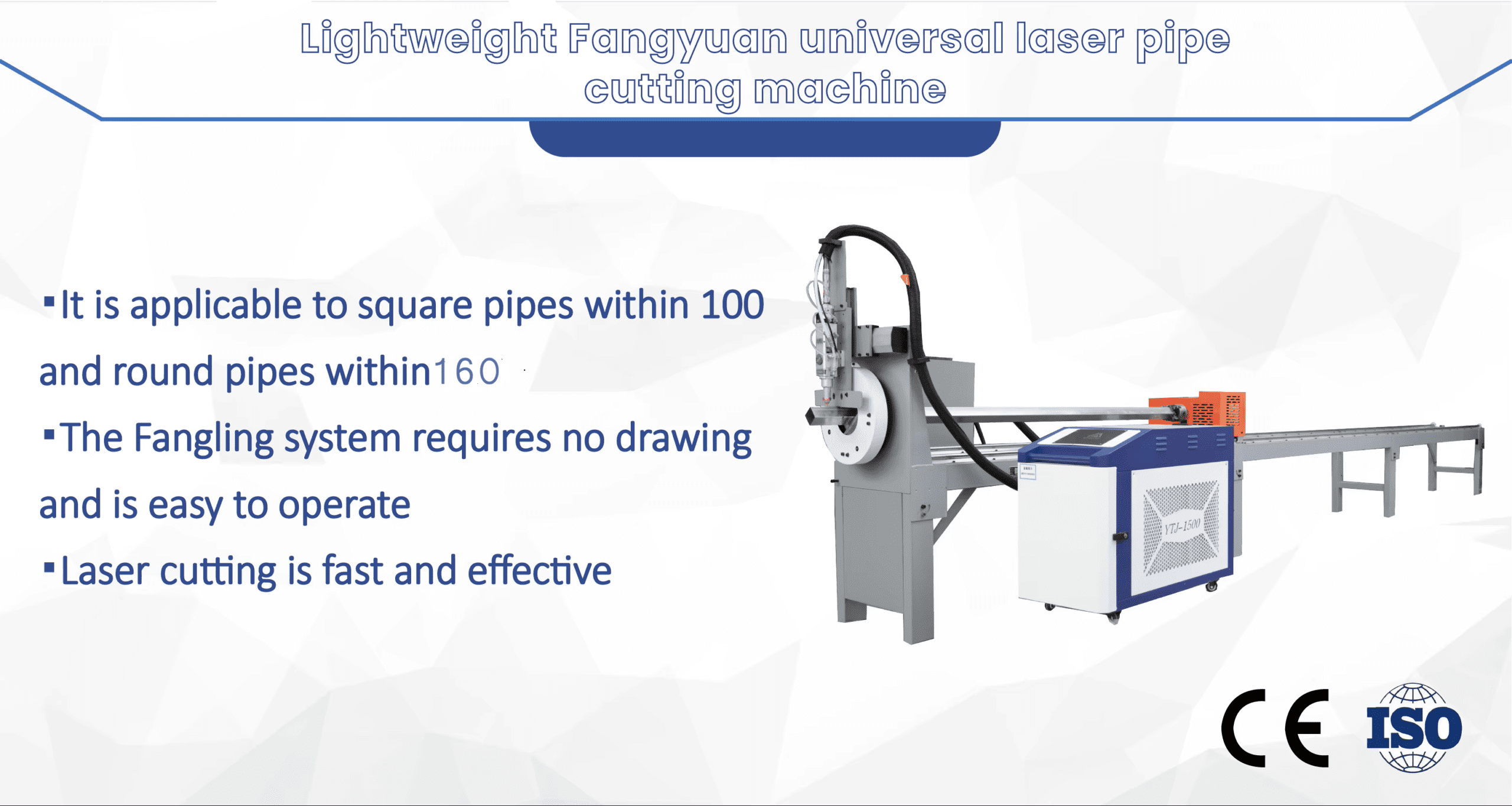
A 30kW fiber laser cutting machine is a complex assembly of high-end engineering components designed to withstand extreme thermal and mechanical stresses. When selecting a machine for the Mexico City market, several key specifications must be prioritized.
Laser Source and Beam Delivery
The heart of the system is the fiber laser source (typically from manufacturers like IPG, Raycus, or nLIGHT). At 30kW, the beam delivery system must be perfectly aligned. The use of high-quality quartz lenses and specialized coatings is mandatory to prevent thermal lensing—a phenomenon where the lens deforms slightly due to heat, shifting the focal point and ruining the cut quality. Advanced cutting heads, such as those from Precitec, feature automated focal adjustment and real-time monitoring of the protective window to ensure the 30,000 watts of power are always precisely targeted.
Bed Stability and Motion Control
To handle the massive speeds of a 30kW laser cutting process, the machine bed must be exceptionally rigid. Many top-tier machines utilize a hollow-welded or cast-iron frame that has been stress-relieved through heat treatment. The motion system—comprising linear motors or high-precision rack-and-pinion drives—must achieve accelerations of 2.0G or higher. Without this acceleration, the machine cannot reach the optimal cutting speeds required for thin brass, leading to overheating and poor edge quality.
Optimizing Assist Gas for Brass Fabrication
The choice of assist gas is critical when laser cutting brass. The gas serves two purposes: it facilitates the removal of molten metal from the kerf and protects the optics from smoke and debris.
Nitrogen Cutting
For most brass applications, Nitrogen is the preferred assist gas. It acts as a cooling agent and prevents oxidation of the cut edge. Because brass is often chosen for its aesthetic appeal, maintaining a clean, bright, and oxide-free edge is paramount. At 30kW, Nitrogen pressures must be high (often exceeding 20 bar) to effectively clear the heavy molten brass from the cut, especially in plates thicker than 10mm.
Compressed Air: A Cost-Effective Alternative
In the competitive Mexico City market, many fabricators are turning to high-pressure compressed air for laser cutting brass. With a 30kW source, the machine has enough power to overcome the slight inefficiencies of air compared to pure nitrogen. While the edge may show slight discoloration, the significant reduction in gas costs can dramatically lower the price per part, making the shop more competitive in high-volume bidding.
Maintenance and Operational Longevity
Owning a 30kW fiber laser cutting machine in an environment like Mexico City requires a disciplined maintenance regimen. The combination of high power and the city’s specific environmental factors (dust and altitude) can accelerate wear if not managed correctly.
Chiller Systems and Thermal Stability
A 30kW laser generates an immense amount of waste heat. The dual-circuit cooling system must be robust enough to maintain a constant temperature for both the laser source and the cutting head. In Mexico City’s temperate but variable climate, ensuring the chiller is properly sized and filled with high-quality deionized water is essential to prevent internal corrosion and laser instability.
Dust Extraction and Filtration
Cutting brass produces fine metallic dust and zinc oxide fumes. High-efficiency dust extraction systems are mandatory, not only for worker safety but also to protect the machine’s mechanical components. In the densely populated industrial zones of CDMX, environmental regulations regarding emissions are becoming stricter; therefore, investing in a high-capacity filtration unit is both a legal and operational necessity.
Conclusion: The Future of Metal Fabrication in CDMX
The 30kW fiber laser cutting machine is transforming the landscape of metal fabrication in Mexico City. By providing the power necessary to master challenging materials like brass, these machines enable local manufacturers to take on complex projects that were previously outsourced. The combination of extreme speed, thick-plate capability, and high precision ensures that any facility equipped with this technology remains at the forefront of the global supply chain.
As the “Made in Mexico” label continues to gain prestige in the international market, the integration of ultra-high-power laser cutting will be the catalyst for a new era of industrial excellence. For the engineers and business owners in Mexico City, the 30kW fiber laser is not just a tool; it is the engine of future growth.