
Introduction to 30kW Fiber laser cutting Technology
The industrial landscape of metal fabrication is undergoing a seismic shift, driven by the rapid escalation of power in fiber laser sources. Among the most significant advancements is the 30kW fiber laser cutting machine, a powerhouse designed to redefine throughput and capability limits. In regions like Leon, known for its robust manufacturing sectors ranging from automotive components to intricate decorative hardware, the adoption of high-power laser cutting is not merely an upgrade—it is a competitive necessity. This guide explores the technical intricacies, operational advantages, and specific applications of 30kW laser cutting, with a particular focus on the challenges and solutions associated with processing brass.
The Physics of 30kW Laser Power
A 30kW fiber laser operates by generating a high-intensity beam of light via optical fibers doped with rare-earth elements. At this power level, the energy density at the focal point is immense. For manufacturers in Leon, this translates to the ability to vaporize thick materials almost instantaneously. Unlike lower-wattage systems, a 30kW source provides a significant “power reserve,” which allows for much higher feed rates on medium-thickness materials and the ability to penetrate ultra-thick plates that were previously the sole domain of plasma or waterjet cutting.
Wavelength and Absorption in Non-Ferrous Metals
Fiber lasers operate at a wavelength of approximately 1.07 microns. This wavelength is particularly advantageous for laser cutting because it is more readily absorbed by metals compared to the 10.6-micron wavelength of traditional CO2 lasers. When processing brass—a highly reflective and thermally conductive alloy—this absorption rate is critical. At 30kW, the beam overcomes the initial reflectivity of brass so quickly that the risk of back-reflection damaging the resonator is virtually eliminated, provided the machine is equipped with proper back-reflection isolation technology.
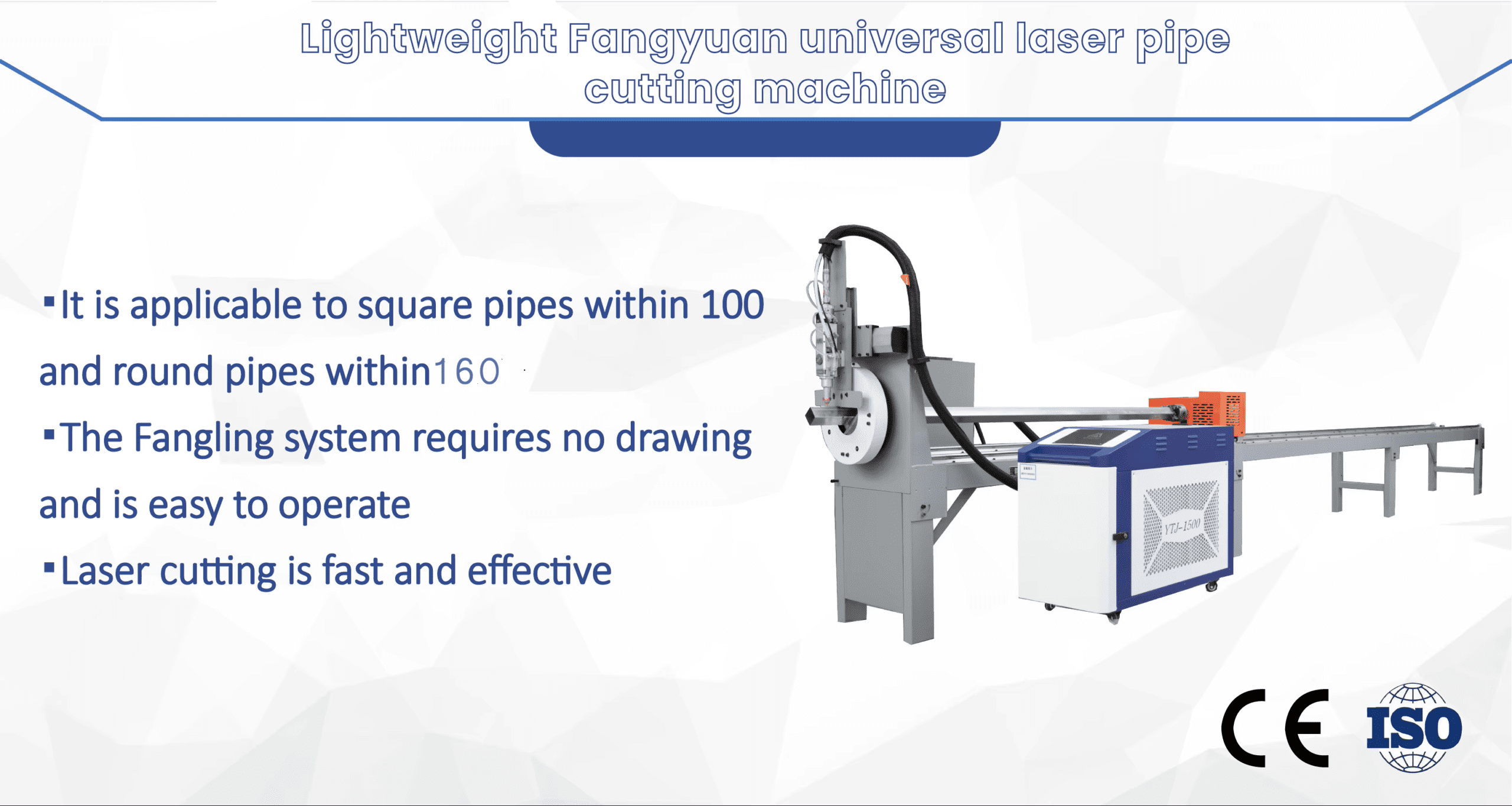
Processing Brass: The High-Power Advantage
Brass has long been considered a “difficult” material for laser cutting due to its high thermal conductivity and its tendency to reflect laser energy. However, the 30kW fiber laser has transformed brass from a challenge into an opportunity. In the industrial hubs of Leon, where brass is frequently used for electrical components, plumbing fixtures, and architectural accents, the 30kW machine offers unprecedented precision.
Overcoming Reflectivity
The primary hurdle with brass is its reflective nature in its solid state. A 30kW laser cutting system utilizes high energy density to transition the material from solid to molten state in microseconds. Once the material is molten, its reflectivity drops significantly, and the laser energy is absorbed more efficiently. The sheer power of 30kW ensures that the “pierce” phase is nearly instantaneous, preventing the heat-affected zone (HAZ) from spreading and maintaining the structural integrity of the surrounding material.
Cutting Speed and Edge Quality
With 30kW of power, the cutting speed for brass is exponentially faster than that of 6kW or 10kW systems. For example, 10mm brass can be processed with a nitrogen assist gas at speeds that leave a mirror-like finish on the cut edge. This eliminates the need for secondary grinding or polishing, which is a major cost driver for workshops in Leon. The high-speed airflow of the assist gas, combined with the intense heat, ensures that dross (slag) is blown away cleanly, resulting in a burr-free bottom edge.
Technical Specifications of a 30kW System
Operating a 30kW laser cutting machine requires a platform built with extreme structural rigidity. The dynamic forces generated by high-speed movements, coupled with the weight of thick brass or steel plates, necessitate a heavy-duty machine bed.
Machine Bed and Gantry Design
A 30kW machine typically features a reinforced, hollow-welded or cast-iron bed designed to withstand thermal deformation. The gantry is often made of aerospace-grade aluminum to minimize inertia, allowing for accelerations of up to 2.0G. In the climate of Leon, where temperature fluctuations can affect metal expansion, a thermally stabilized bed is essential for maintaining micron-level accuracy over long production shifts.
Advanced Cutting Heads
The cutting head is the heart of the laser cutting process. For 30kW applications, the head must feature sophisticated cooling systems for both the optics and the nozzle. Auto-focusing capabilities are standard, allowing the machine to adjust the focal point dynamically based on the material thickness and type. When cutting brass, the head must also be equipped with high-pressure sensors to manage the assist gas flow precisely, ensuring consistent cut quality across the entire worktable.

The Industrial Context of Leon
Leon is a strategic center for manufacturing, particularly within the automotive and hardware industries. The introduction of 30kW laser cutting technology into this market allows local suppliers to move up the value chain. By being able to cut thicker brass plates and complex geometries with high precision, Leon-based shops can compete on a global scale.
Automotive and Electrical Applications
The automotive industry relies heavily on brass for connectors, sensors, and decorative interior trim. A 30kW laser cutting machine allows for the rapid prototyping and mass production of these components with minimal lead time. The ability to switch between thin-gauge brass and thick structural steel on the same machine provides the versatility needed in a modern “just-in-time” manufacturing environment.
Architectural and Decorative Brass
Beyond industrial use, Leon has a rich history in craftsmanship. High-power laser cutting enables architects and designers to incorporate thick, intricate brass panels into building facades and interior designs. The precision of the 30kW laser allows for complex patterns that would be impossible to achieve with mechanical die-cutting or lower-power lasers.
Assist Gas Dynamics in High-Power Cutting
The choice of assist gas is pivotal when utilizing a 30kW laser cutting system for brass. The gas not only clears the molten metal from the kerf but also protects the optics from contamination and, in some cases, influences the chemical reaction at the cut site.
Nitrogen vs. Oxygen
For brass, Nitrogen is the preferred assist gas. It acts as an inert cooling agent, preventing oxidation and ensuring that the cut edge retains the natural color of the brass. At 30kW, the pressure of the Nitrogen must be carefully regulated; too little pressure results in dross, while too much can cause turbulence that disturbs the molten pool. Oxygen is rarely used for brass as it causes heavy oxidation, though it remains the standard for thick carbon steel applications on the same 30kW platform.
Compressed Air Cutting
One of the economic advantages of 30kW laser cutting is the ability to use high-pressure compressed air as an assist gas for certain brass grades and thicknesses. While the edge quality may not be as pristine as with Nitrogen, the significant reduction in gas costs makes it a viable option for internal components where aesthetics are secondary to functional dimensions.
Operational Maintenance and Safety
A 30kW laser is a precision instrument that requires a disciplined maintenance regimen. Given the high energy levels, safety protocols must be strictly enforced. The machine must be fully enclosed (Class 1 safety rating) to protect operators from stray reflections, which are a particular risk when laser cutting reflective materials like brass.
Optical Cleanliness
At 30kW, even a microscopic speck of dust on the protective window can absorb enough energy to shatter the lens. Operators in Leon must be trained in clean-room techniques for lens replacement and inspection. Most modern 30kW machines include “smart” monitoring systems that alert the operator if contamination is detected on the optics before damage occurs.
Cooling Systems (Chillers)
The thermal load of a 30kW laser source is substantial. A high-capacity industrial chiller is required to maintain the temperature of the laser source and the cutting head within a narrow window. In the warmer months in Leon, the chiller’s efficiency is paramount; any deviation in temperature can lead to beam instability and a drop in cut quality.
Economic Impact and ROI
While the initial investment in a 30kW fiber laser cutting machine is higher than lower-power models, the Return on Investment (ROI) is often realized faster through sheer volume. The ability to cut 20mm brass at speeds previously reserved for 5mm material means a single 30kW machine can often replace two or three 6kW units. This reduces the footprint on the factory floor in Leon, lowers labor costs per part, and significantly reduces the energy consumption per meter of cut.
Conclusion
The 30kW fiber laser cutting machine represents the current zenith of metal fabrication technology. For the industries in Leon, particularly those working with demanding materials like brass, this technology offers a path to unprecedented productivity. By mastering the nuances of high-power laser cutting—from gas dynamics to optical maintenance—manufacturers can achieve edge qualities and production speeds that were once thought impossible. As the global market demands faster turnaround times and higher precision, the 30kW laser stands as the definitive tool for the modern industrial age.
















