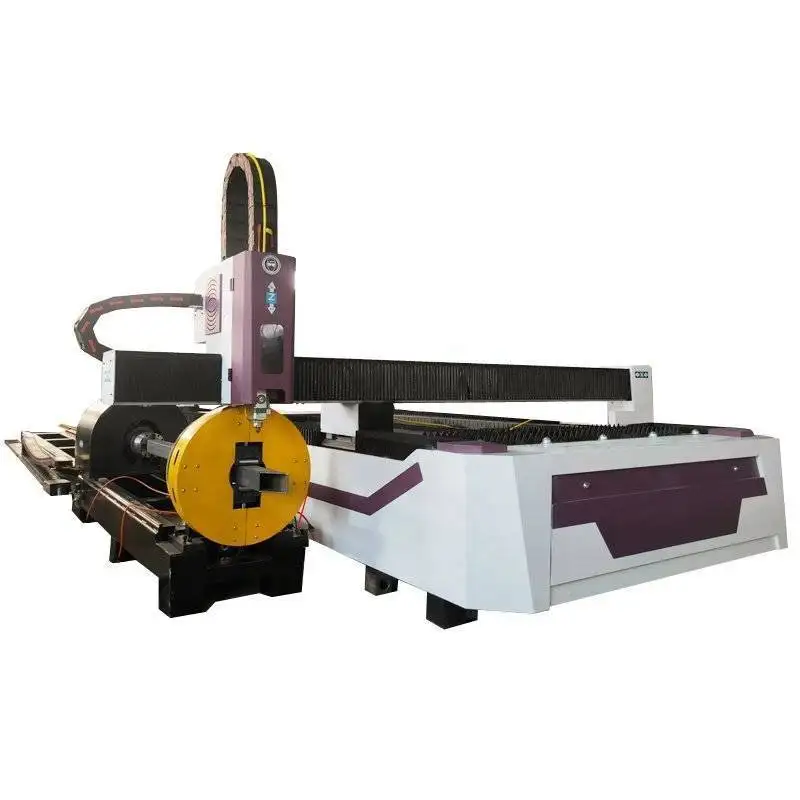
The Dawn of Ultra-High Power in Indonesian Fabrication
The industrial landscape of Jakarta and its surrounding provinces, such as West Java and Banten, has long been the backbone of Indonesia’s heavy engineering capabilities. However, as offshore exploration pushes into deeper waters and harsher environments, the requirements for structural steel have become increasingly stringent. Traditional methods of processing heavy steel—such as plasma cutting, oxy-fuel torching, and manual grinding—are often slow, imprecise, and labor-intensive.
The arrival of the 30kW fiber laser represents a quantum leap in capability. At 30kW, the energy density of the laser beam is so high that it can vaporize thick-walled structural steel almost instantly. For offshore platforms, where wall thicknesses of 20mm to 50mm are common, the 30kW source provides the “brute force” necessary to maintain high feed rates without sacrificing the narrow Kerf (cut width) and minimal Heat Affected Zone (HAZ) that fiber lasers are known for. This power level ensures that the metallurgical properties of the steel remain intact, a non-negotiable requirement for structures subjected to the cyclical loading of ocean waves.
The Infinite Rotation 3D Head: Redefining Geometry
The most significant mechanical advancement in this processing center is the Infinite Rotation 3D Head. Traditional 3D cutting heads are often limited by cable management systems, requiring the head to “unwind” after a certain degree of rotation. In a high-volume production environment like a Jakarta shipyard, these seconds of downtime add up.
The infinite rotation capability allows the laser head to rotate continuously around the C-axis and tilt on the A-axis without interruption. For offshore structural steel—which often involves complex intersections like “pipe-to-pipe” or “beam-to-pipe” joints—this allows the laser to follow the contour of the workpiece in a single, fluid motion. This is particularly vital for creating specialized weld preparations. Offshore platforms require V-type, Y-type, X-type, and K-type bevels to ensure full-penetration welds. The 3D head can execute these bevels with a precision of ±0.1mm, a feat impossible to achieve with manual plasma cutting. When these parts reach the welding station, the fit-up is perfect, drastically reducing the amount of filler wire needed and the time spent on corrective grinding.
Structural Steel Versatility: From H-Beams to Thick-Walled Pipes
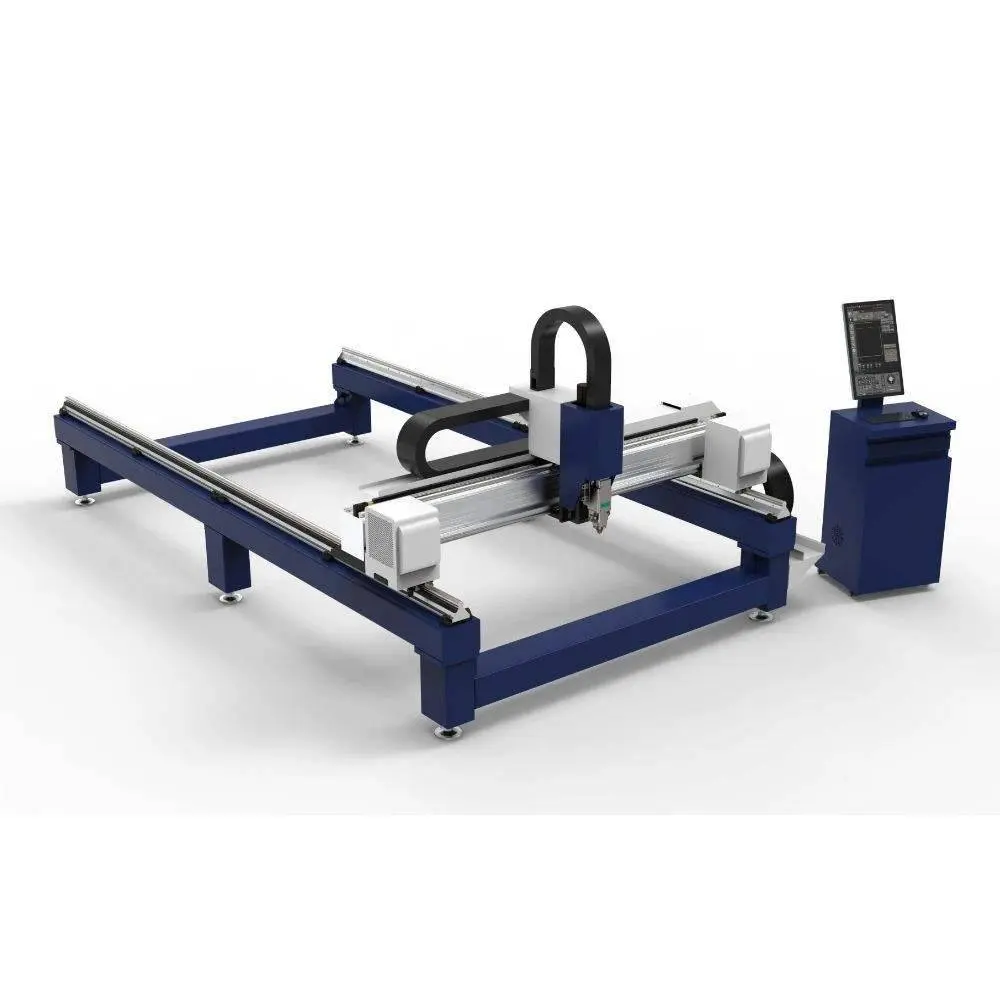
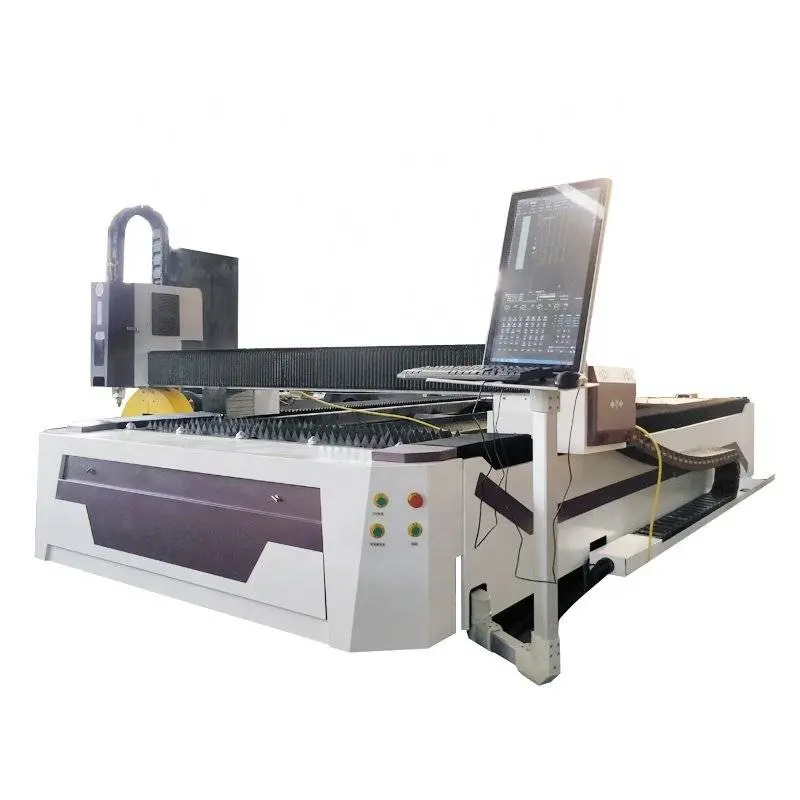
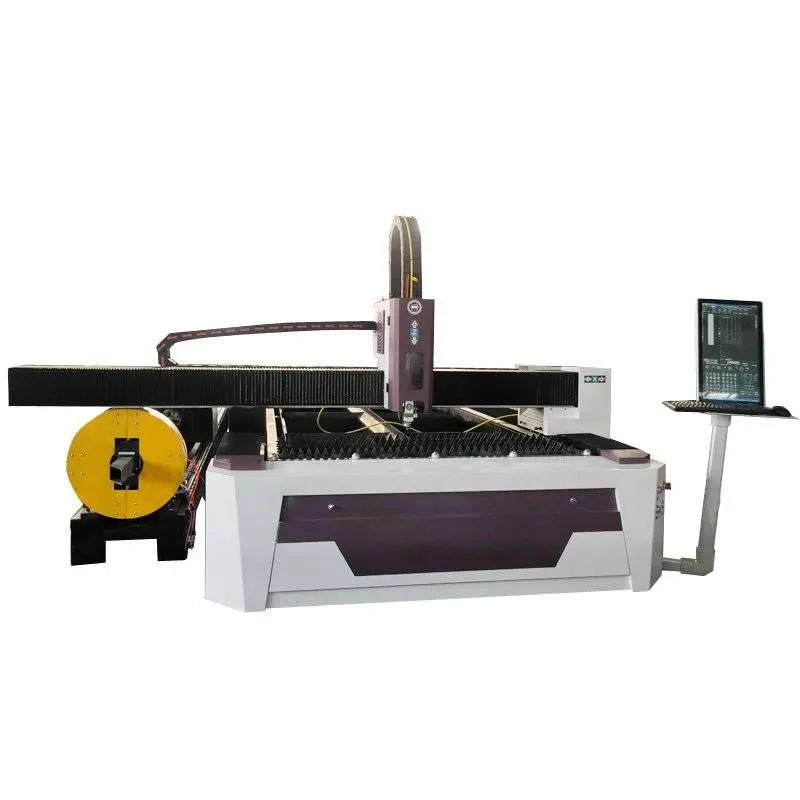
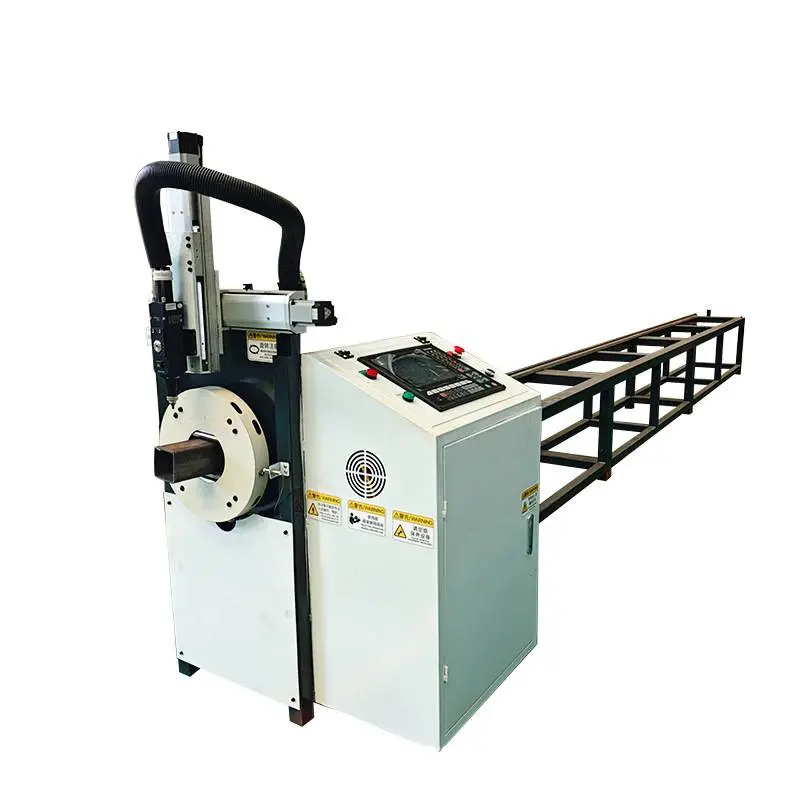
A 3D Structural Steel Processing Center is not a mere flatbed laser; it is a multi-functional machining hub. In Jakarta’s offshore fabrication yards, the diversity of steel profiles is immense. This machine is designed to handle:
1. **H-Beams and I-Beams:** Used for the primary framing of platform topsides. The laser can cut bolt holes, cope ends, and notch flanges in a single pass.
2. **Circular Hollow Sections (CHS):** Essential for the “legs” and bracing of offshore jackets. The 30kW laser easily penetrates the thick walls of these pipes, creating perfect saddles for intersecting braces.
3. **Square and Rectangular Profiles:** Used in secondary structures, stairways, and handrails.
4. **Large Channels and Angles:** Used for specialized support equipment.
The automation integrated into these centers includes heavy-duty loading and unloading systems that can manage profiles up to 12 meters or more in length. In the context of Jakarta’s logistics, being able to process these massive components in-house reduces the risk of transport damage and simplifies the supply chain.
Jakarta as the Strategic Hub for Offshore Innovation
Choosing Jakarta as the site for such advanced technology is a strategic move. As the capital and largest economic center of Indonesia, Jakarta offers the necessary infrastructure, including stable (though demanding) power grids and proximity to Tanjung Priok, the country’s busiest seaport.
However, operating a 30kW fiber laser in a tropical environment like Jakarta presents unique challenges. The high humidity and ambient temperatures require advanced chilling systems and climate-controlled cabinets for the laser source and electrical components. An expert-level installation in Jakarta includes double-circuit industrial chillers and desiccated air filtration systems to ensure that the laser beam remains stable and the optics remain free of condensation. Furthermore, the local availability of technical support and specialized gases (Oxygen and Nitrogen) in the Jakarta industrial corridor ensures that these high-power machines maintain maximum “up-time.”
Enhancing Structural Integrity and Safety in Offshore Platforms
In the offshore industry, failure is not an option. A single crack in a weld can lead to catastrophic structural failure and environmental disasters. The 30kW fiber laser contributes directly to the safety of these platforms through superior edge quality.
When steel is cut with plasma or oxy-fuel, the edge often develops a hardened layer or “dross” that must be removed before welding. The fiber laser’s high-frequency pulse and 30kW intensity produce a clean, square edge with almost zero dross. Because the heat is so localized, there is minimal thermal distortion. This means that large-scale assemblies—such as the massive trusses of an offshore rig—align perfectly during the assembly phase. The precision of the 3D head also allows for “slot and tab” designs in structural steel, which act as mechanical jigs, holding massive components in place for the welders and ensuring that the final dimensions of the platform are exactly as specified in the CAD model.
Economic Impact: ROI and the “Making Indonesia 4.0” Initiative
The investment in a 30kW 3D laser center is significant, but the Return on Investment (ROI) in the offshore sector is rapid. By replacing multiple traditional machines (saws, drills, plasma cutters) with a single laser center, fabricators reduce their footprint and labor costs. More importantly, the speed of 30kW cutting means that projects that previously took months can now be completed in weeks.
This aligns perfectly with the Indonesian government’s “Making Indonesia 4.0” roadmap, which aims to modernize the country’s manufacturing sector through the adoption of high-tech automation and IoT-integrated machinery. These laser centers are often equipped with smart monitoring systems that track gas consumption, power usage, and cutting efficiency in real-time, allowing Jakarta-based firms to compete on a global scale with shipyards in Singapore, Korea, and China.
Environmental Considerations and the Future of Green Fabrication
Offshore energy is transitioning, and even traditional oil and gas players are looking for “greener” ways to build. Fiber laser technology is significantly more energy-efficient than older CO2 lasers or high-def plasma systems. The 30kW fiber laser converts electricity into light with high efficiency, and because it cuts so much faster, the total energy consumed per meter of cut is lower.
Additionally, the precision of the laser reduces material waste. Advanced nesting software can pack parts tightly onto a beam or pipe, saving tons of high-grade steel over the course of a large project. For Jakarta’s industry, reducing waste is not just an environmental goal; it is a cost-saving necessity in an era of fluctuating steel prices.
Conclusion: Setting a New Standard for the Region
The 30kW Fiber Laser 3D Structural Steel Processing Center with Infinite Rotation is more than just a tool; it is a statement of intent for Indonesia’s maritime future. By installing these systems in Jakarta, the industry is signaling its readiness to take on the most complex offshore challenges in the world.
The combination of extreme power, 360-degree mechanical freedom, and the ability to process heavy structural profiles with sub-millimeter precision ensures that Jakarta will remain a central player in the global offshore supply chain. As we look toward the future, the integration of AI-driven path planning and even higher power levels will continue to push the boundaries of what is possible, ensuring that the platforms built today are safer, stronger, and more efficiently constructed than ever before. For the fiber laser expert, the sight of a 30kW beam effortlessly slicing through a 40mm thick H-beam in a Jakarta workshop is a glimpse into the future of heavy industry—a future defined by light, precision, and infinite possibilities.