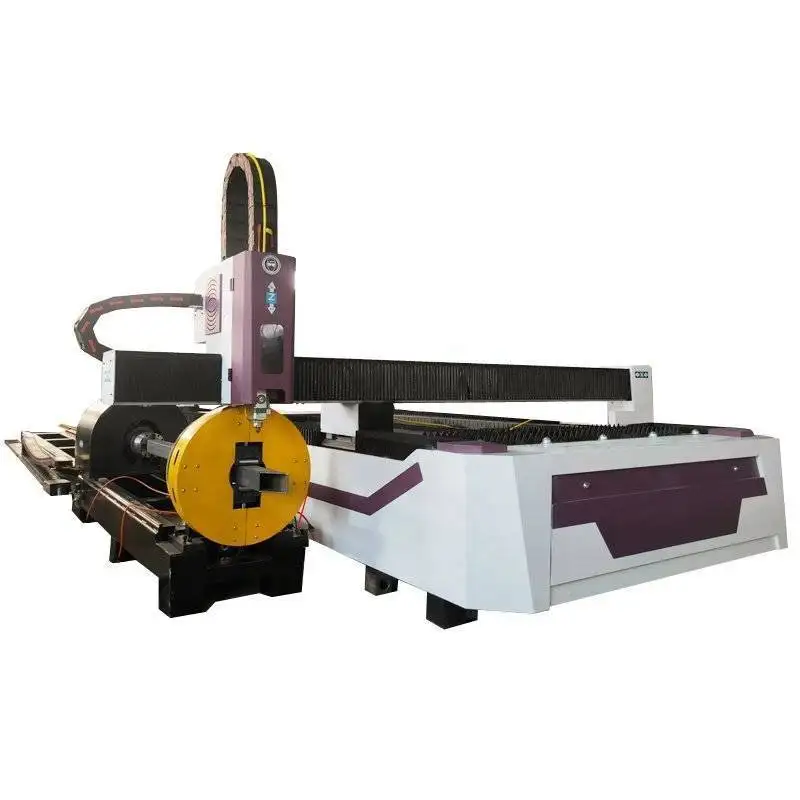
The Dawn of Ultra-High Power: Why 30kW Matters for Bridge Engineering
In the realm of fiber laser technology, the leap to 30kW is not merely a linear increase in power; it is a fundamental shift in the capability of the machine to interact with structural steel. For decades, bridge engineering relied on plasma cutting or lower-power lasers (6kW to 12kW) which often struggled with the thick-gauge carbon steels required for primary load-bearing members.
A 30kW fiber laser source provides the energy density required to achieve “high-speed melt-shearing” even in plates exceeding 50mm in thickness. In the context of Ho Chi Minh City’s humid, tropical environment, bridge components must be fabricated with minimal Heat Affected Zones (HAZ) to prevent long-term corrosion and fatigue cracking. The 30kW laser cuts so rapidly that the heat has less time to dissipate into the surrounding material, preserving the metallurgical properties of the high-strength steel (such as Q355 or Q420 grades commonly used in Vietnamese infrastructure). This precision ensures that the structural integrity of the bridge is compromised neither by the cutting process nor by the environmental stressors of the Mekong Delta region.
±45° Bevel Cutting: The Holy Grail of Weld Preparation
The most significant bottleneck in traditional bridge fabrication is weld preparation. In bridge engineering, structural joints must be incredibly strong, requiring deep-penetration welds. Traditionally, this meant cutting a steel profile to size and then employing manual grinders or secondary beveling machines to create the V, Y, X, or K-shaped grooves necessary for welding.
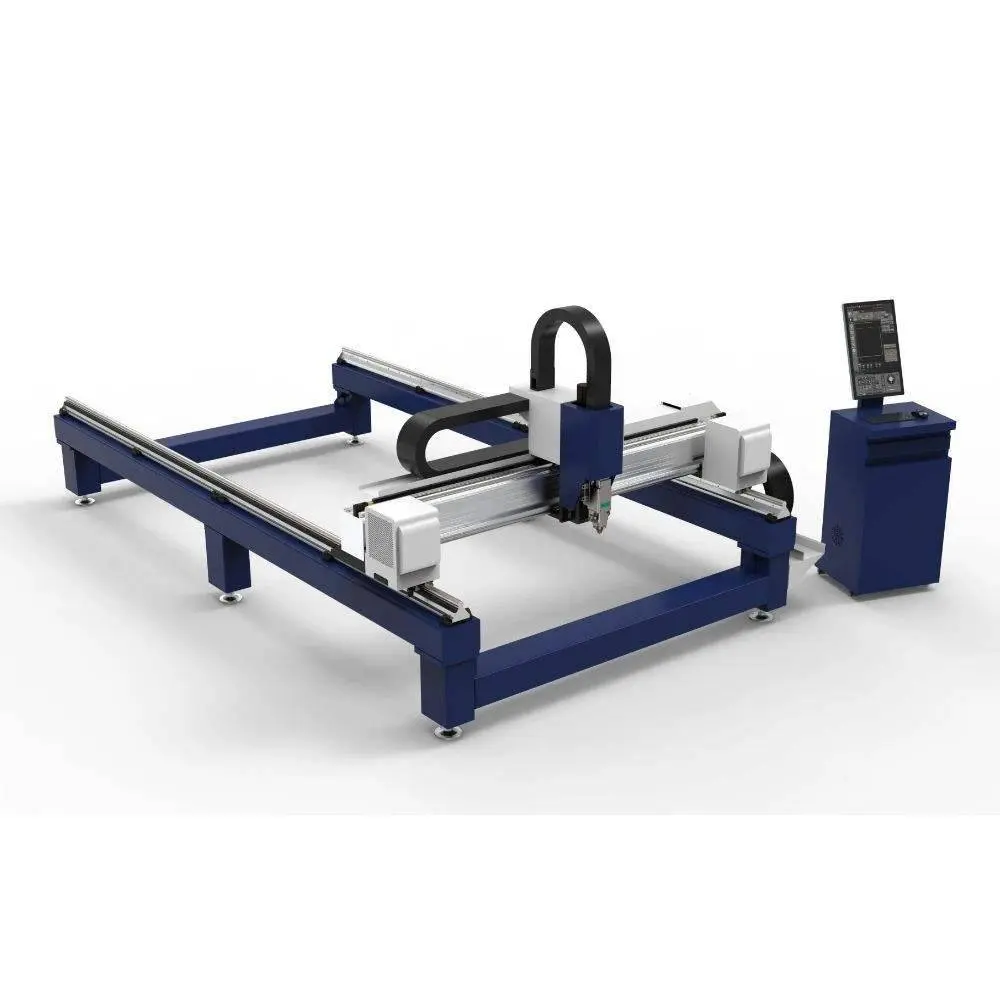
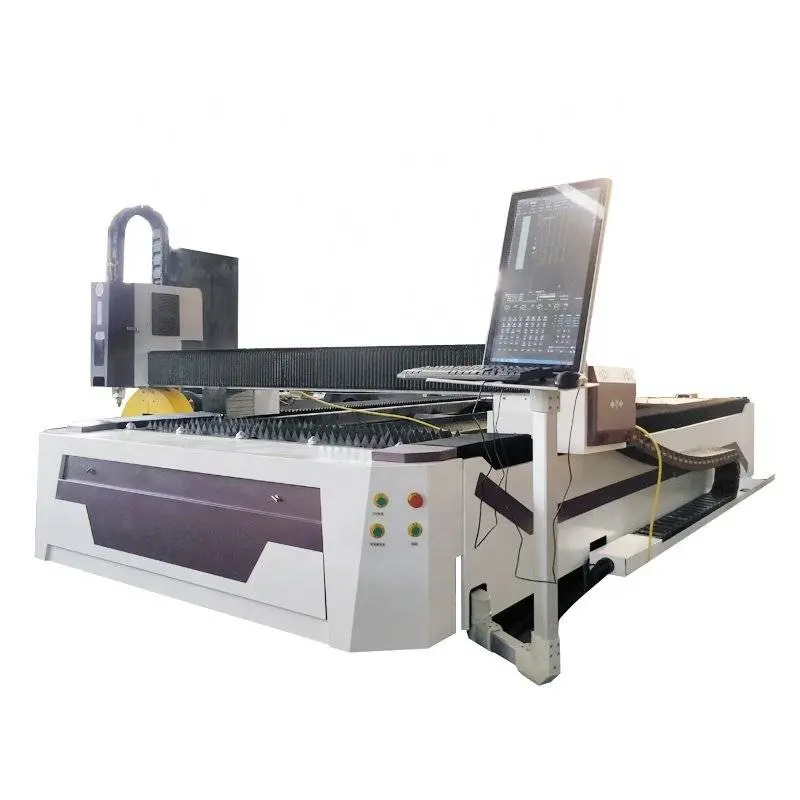
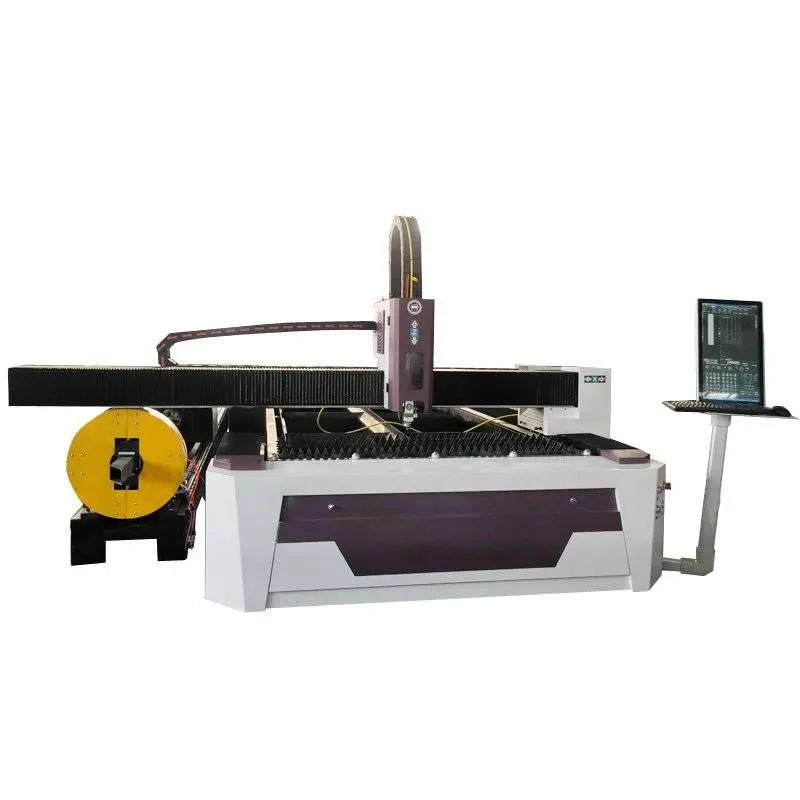
The 30kW 3D Processing Center eliminates this entire secondary stage. By utilizing a sophisticated 5-axis linkage cutting head, the machine can execute a ±45° bevel while simultaneously following the 3D geometry of the structural member. Whether it is an H-beam, a circular pipe, or a complex box girder, the laser can create the perfect groove angle in a single pass.
For the engineers in Ho Chi Minh City, this means that components arriving at the construction site or the assembly yard fit together with surgical precision. A perfect ±45° bevel ensures that the robotic or manual welding systems can achieve full penetration with minimal filler material, reducing both the cost of consumables and the likelihood of weld defects that could lead to catastrophic failure.
3D Structural Processing: Beyond the Flatbed
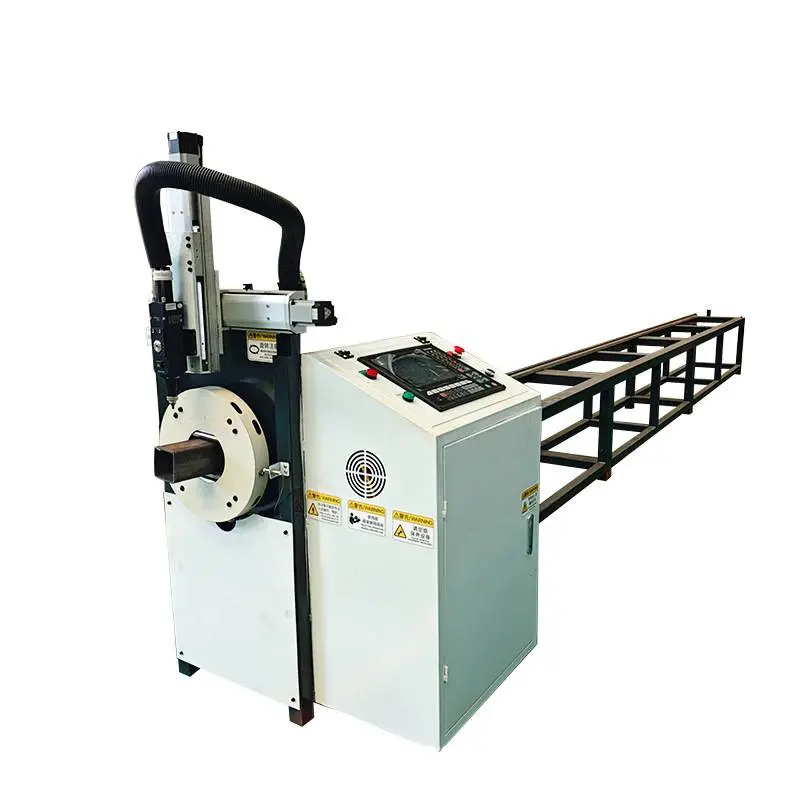
Bridge construction is rarely about flat sheets. It is about the complex interplay of H-beams, I-beams, C-channels, and heavy-walled tubes. Traditional 2D lasers are insufficient for these geometries. The “3D Structural Processing Center” refers to a machine architecture that includes a massive rotary axis and a multi-chuck system capable of handling profiles that can weigh several tons and extend up to 12 or 18 meters in length.
In the fast-growing industrial zones surrounding Ho Chi Minh City, such as those in District 9 or neighboring Binh Duong, these machines are being used to process the complex nodes of cable-stayed bridges. The 3D capability allows for the cutting of “intersections”—where one pipe meets another at a complex angle. The software calculates the “saddle cut” perfectly, ensuring that when the two pipes meet, there is no gap. This level of fit-up is impossible to achieve consistently with manual thermal cutting, but it is standard for a 30kW 3D fiber laser.
Strategic Impact on Ho Chi Minh City’s Infrastructure Roadmap
Ho Chi Minh City is currently at a critical juncture in its urban development. With projects like the Ring Road 3, the expansion of the Metro system, and the continuous need for new bridges to connect the city center with the eastern districts, the volume of structural steel required is staggering.
The adoption of 30kW laser technology within the city’s fabrication hubs provides several strategic advantages:
1. **Throughput Acceleration:** A 30kW laser can cut 20mm steel at speeds five times faster than a 6kW laser. For a city racing against population growth and traffic congestion, the ability to produce bridge components weeks ahead of schedule is a massive economic boon.
2. **Labor Optimization:** Vietnam’s skilled labor market is evolving. By automating the most dangerous and tedious parts of steel fabrication—the heavy cutting and grinding—companies can redirect their skilled workforce to high-level assembly and quality control.
3. **Material Efficiency:** Advanced nesting software integrated with these laser centers optimizes how parts are cut from a single beam or plate. In large-scale bridge projects, a 5% saving in steel waste can translate into millions of dollars in cost reduction.
Precision and Quality Control in the Tropical Climate
Bridge engineering in a tropical maritime environment like Ho Chi Minh City requires strict adherence to international standards (such as AWS or Eurocodes). The precision of the 30kW fiber laser is vital here. When bolt holes are cut into thick structural members, the laser ensures a “perpendicularity” and “roundness” that plasma simply cannot match.
This means that when steel girders are lifted into place over the Saigon River, the bolt holes align perfectly. There is no need for “reaming” or forcing components into place, which can introduce internal stresses into the bridge structure. Furthermore, the smooth surface finish of a 30kW laser cut (with a surface roughness often below Ra 12.5) provides a superior substrate for anti-corrosion coatings and paints, which are essential for protecting the steel against Vietnam’s high humidity and salinity.
Technical Synergy: Software and Hardware Integration
The success of a 30kW 3D processing center in HCMC isn’t just about the raw power of the laser; it’s about the “intelligence” of the system. These machines utilize advanced CAD/CAM software that can take a 3D model of a bridge directly from an architectural firm and convert it into G-code for the laser.
The system accounts for “beam compensation”—the tiny width of the laser cut—and the “kerf” to ensure that the final part is accurate to within ±0.05mm. For bridge builders, this means that even massive components behave like high-precision mechanical parts. The 5-axis head’s ability to maintain a constant standoff distance, even while tilting at 45°, is managed by ultra-fast sensors that react in milliseconds to any deviations in the steel’s surface. This “follow-up” technology is crucial when dealing with structural beams that may have slight factory deformations.
Conclusion: Setting a New Standard for Vietnamese Engineering
The deployment of a 30kW Fiber Laser 3D Structural Steel Processing Center in Ho Chi Minh City is more than an equipment upgrade; it is a statement of intent for the Vietnamese construction industry. By embracing ±45° bevel cutting and high-power 3D processing, local firms are positioning themselves at the forefront of global bridge engineering capabilities.
As HCMC continues to bridge the gaps between its districts and islands, the speed, precision, and efficiency offered by these machines will be the invisible force behind the city’s rising skyline and its sprawling, resilient transport networks. For the bridge engineer, the 30kW fiber laser offers a tool that finally matches the scale of their ambition, turning complex designs into steel reality with the press of a button. In the competitive landscape of Southeast Asian infrastructure, this technology ensures that Ho Chi Minh City remains the industrial engine of the region, building bridges that are not only functional but are masterpieces of modern manufacturing.