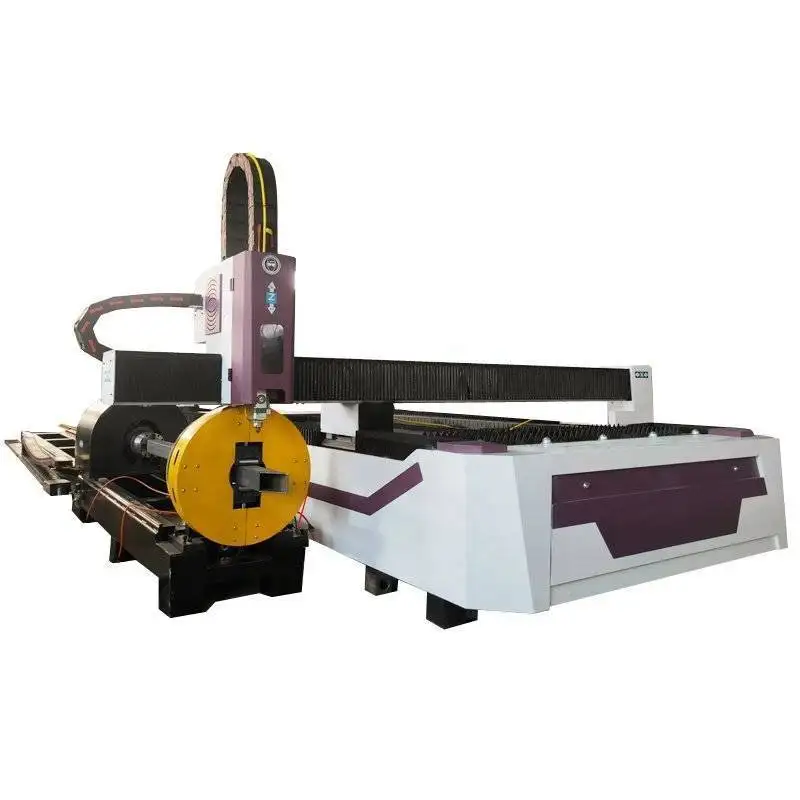
The Dawn of Ultra-High Power in Brazilian Infrastructure
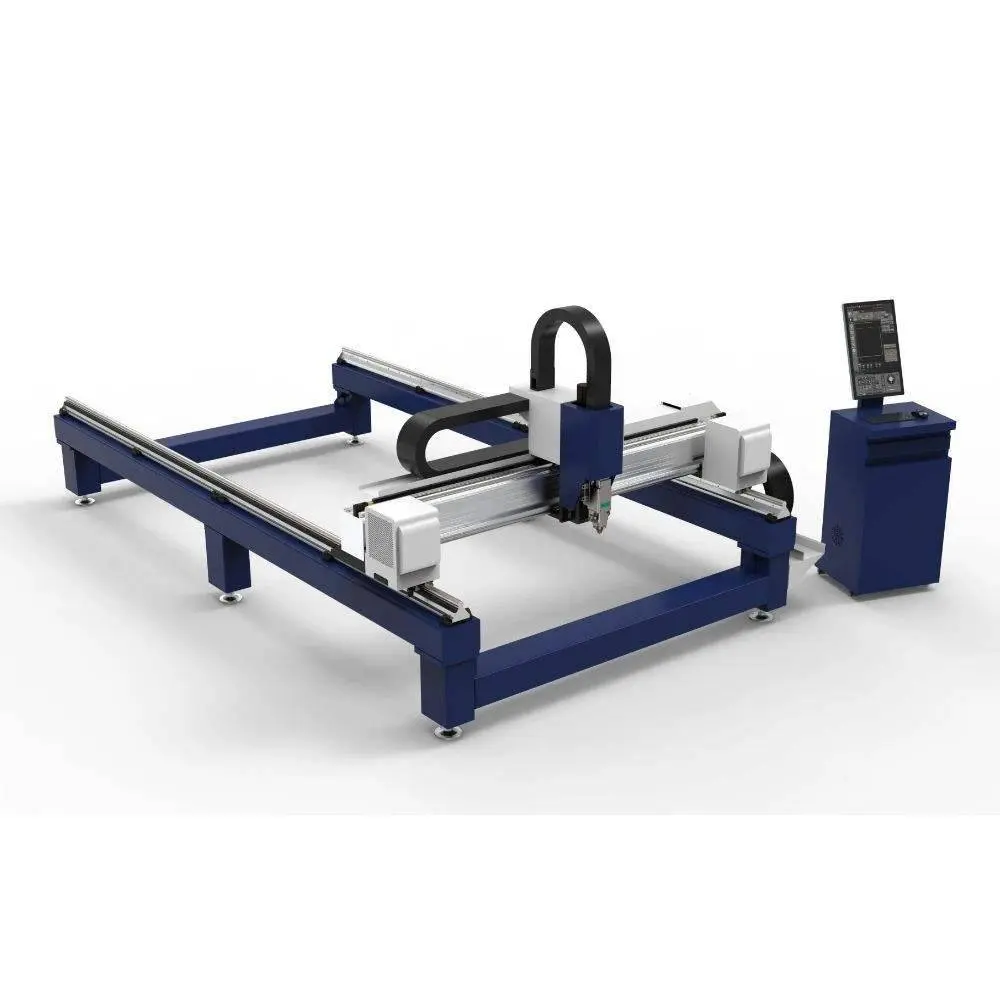
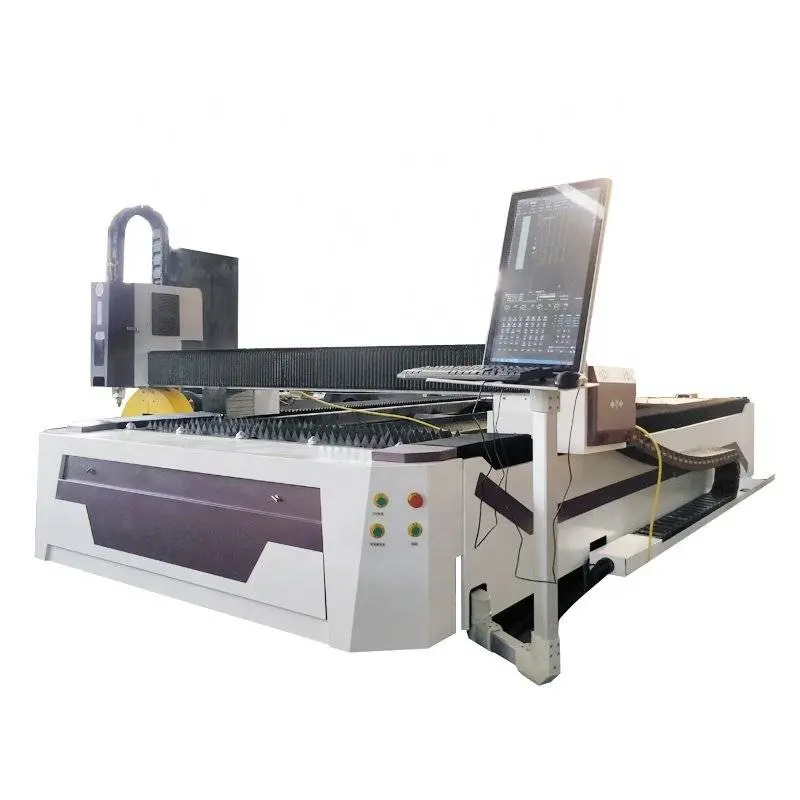
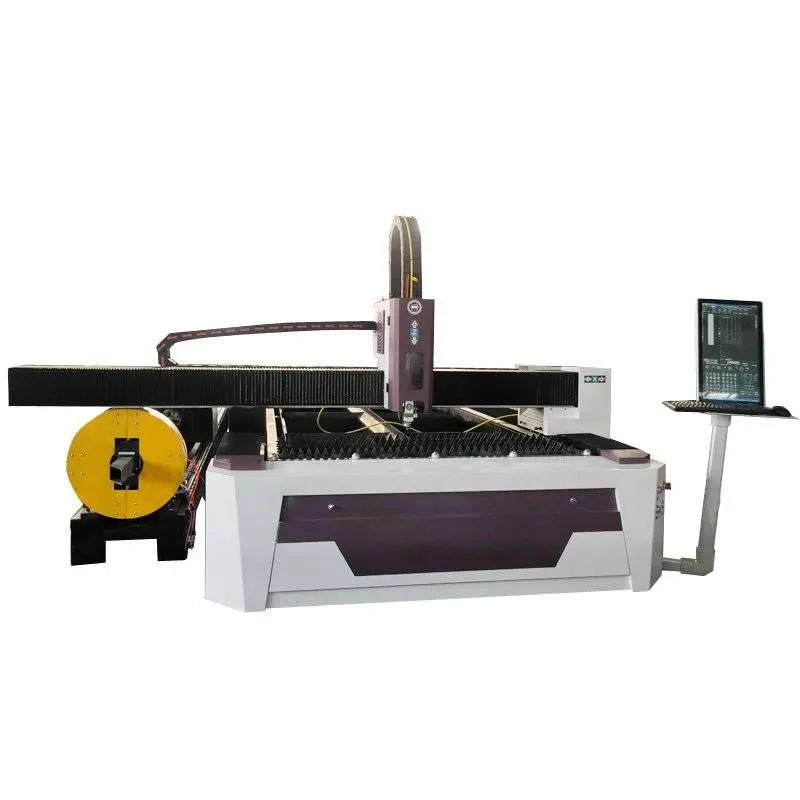
As Sao Paulo continues to solidify its position as the primary logistics and aviation hub of Latin America, the demand for rapid, high-quality infrastructure development has reached an all-time high. The modernization of airport terminals, cargo facilities, and hangars requires structural steel components that can withstand immense loads while adhering to stringent international safety standards. Enter the 30kW Fiber Laser 3D Structural Steel Processing Center—a machine that represents the pinnacle of contemporary fabrication technology.
For decades, structural steel processing relied on a fragmented workflow involving mechanical sawing, drilling, and manual oxy-fuel or plasma cutting. These methods, while functional, often introduced human error and required significant post-processing. The introduction of 30kW fiber laser power changes the equation entirely. At this power level, the laser is capable of piercing through thick structural sections with surgical precision, maintaining a minimal heat-affected zone (HAZ) and delivering edge finishes that require zero secondary grinding. In the context of Sao Paulo’s ambitious airport projects, this means that the heavy skeletons of new terminals can be produced faster and with greater structural reliability than ever before.
Mastering Complexity: 3D Processing of Structural Sections
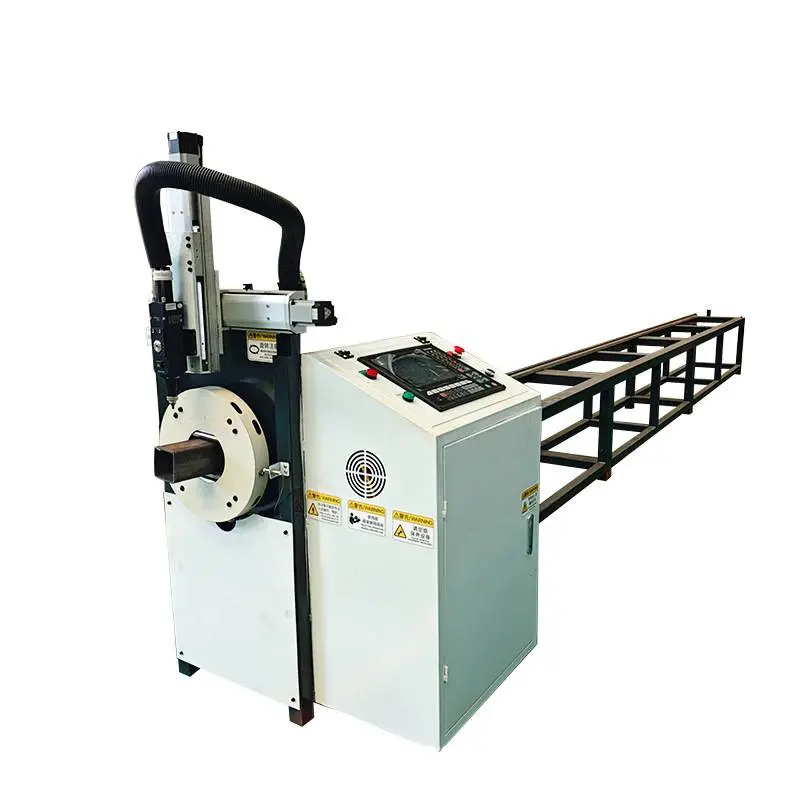
Unlike traditional flatbed lasers designed for sheet metal, a 3D Structural Steel Processing Center is engineered to handle the three-dimensional reality of heavy industry. Airport architecture often demands the use of varied profiles, including H-beams, I-beams, channels, and large-diameter square and rectangular tubing. The 30kW system in Sao Paulo utilizes a multi-axis robotic head and a sophisticated material handling system to rotate and position these massive workpieces.
The “3D” aspect refers to the machine’s ability to perform complex cuts across multiple planes of a single beam. Whether it is cutting bird-mouth joints for circular hollow sections or intricate notches for interlocking H-beams, the laser moves with a level of fluidity that manual tools cannot replicate. For airport construction, where large-span roof structures and complex architectural geometries are common, this capability allows architects to design more daring and efficient structures, knowing that the fabrication technology can execute the required precision.
The ±45° Bevel Cutting Advantage: Precision for Weld Preparation
Perhaps the most critical feature of this processing center is its ability to perform ±45° bevel cutting. In heavy structural engineering, beams are rarely joined with simple 90-degree cuts. To ensure the integrity of a building—especially in high-traffic environments like airports—welders require specific bevel profiles (V, X, K, or Y joints) to allow for full-penetration welds.
Previously, these bevels were created using manual torches or specialized milling machines, a process that was both time-consuming and prone to inconsistency. The 30kW fiber laser’s 5-axis cutting head can tilt up to 45 degrees in either direction, allowing it to “carve” the necessary weld preparations directly into the beam during the initial cutting phase. This integration of cutting and beveling into a single automated step reduces material handling by up to 70% and ensures that every joint fits perfectly during on-site assembly. For the Sao Paulo airport expansion, this precision translates to faster erection times and a significant reduction in onsite welding failures.
Optimizing the Aviation Supply Chain in Sao Paulo
The strategic location of this technology in Sao Paulo is no coincidence. As the industrial engine of Brazil, Sao Paulo hosts a sophisticated network of steel suppliers and engineering firms. By centralizing high-power laser processing, the region can now support “Just-in-Time” delivery models for massive construction sites.
In airport construction, logistical delays are incredibly costly. The 30kW laser’s high throughput ensures that if a design change occurs—a common reality in multi-year infrastructure projects—the fabrication center can pivot almost instantly. The digital nature of the fiber laser means that BIM (Building Information Modeling) files can be uploaded directly to the machine, ensuring that the physical output is a perfect “digital twin” of the architectural intent. This synchronization reduces the “waste” of both time and material, making the Sao Paulo project a model for sustainable and efficient large-scale construction.
Enhancing Structural Integrity and Safety
Safety is the paramount concern in aviation infrastructure. The 30kW fiber laser contributes to this by providing superior edge quality. Traditional thermal cutting methods like plasma can sometimes lead to micro-cracking or carbonization of the steel edge, which can compromise the strength of a weld over time. The fiber laser’s concentrated energy density and high-speed gas assist (often using oxygen or nitrogen) result in a cleaner cut with virtually no dross.
Furthermore, the precision of the 3D processing center ensures that bolt holes and connection points are aligned to within fractions of a millimeter. In the massive truss systems used for hangar roofs, even a small deviation can lead to structural stress. By utilizing the 30kW system, engineers in Sao Paulo can guarantee that every component of the airport’s skeleton is perfectly aligned, distributing loads exactly as calculated and enhancing the overall lifespan of the facility.
Economic and Environmental Impact of High-Power Lasers
Beyond the technical specifications, the 30kW Fiber Laser 3D Structural Steel Processing Center offers a compelling economic argument. While the initial investment in such high-power technology is significant, the operational savings are immense. Fiber lasers are significantly more energy-efficient than CO2 lasers or older plasma systems. Additionally, the speed of 30kW cutting reduces the cost-per-part by maximizing the number of beams processed per shift.
From an environmental perspective, the reduction in scrap material is a major win. Advanced nesting software, paired with the narrow kerf (cut width) of the laser, allows fabricators to squeeze the maximum usage out of every ton of Brazilian steel. As the aviation industry faces increasing pressure to reduce its carbon footprint, adopting “Green Construction” practices through high-efficiency fabrication technology is a vital step forward.
Conclusion: Setting a New Standard for South America
The installation of the 30kW Fiber Laser 3D Structural Steel Processing Center in Sao Paulo for airport construction is more than just an upgrade in machinery; it is a statement of intent for the Brazilian construction industry. By harnessing the power of ±45° bevel cutting and 3D processing, Sao Paulo is proving that it can meet the most demanding engineering challenges with local expertise and world-class technology.
As the new terminals and logistics hubs rise to meet the growing demands of global travel, the silent, precise hum of the fiber laser serves as the heartbeat of this modernization. This technology ensures that the foundations of Brazil’s future are not only built to last but are crafted with a level of precision that was once thought impossible in heavy structural steel. The sky is no longer the limit for what Sao Paulo’s engineering sector can achieve.