
Introduction to 2kW Tube laser cutting in Guadalajara’s Industrial Sector
Guadalajara, often referred to as the “Silicon Valley of Mexico,” has evolved into a sophisticated hub for high-tech manufacturing and metal fabrication. Within this ecosystem, the demand for precision-engineered stainless steel components has skyrocketed. The 2kW tube laser cutter has emerged as the industry standard for workshops and factories looking to balance power, precision, and operational costs. This guide explores the technical nuances of utilizing 2kW fiber laser technology specifically for stainless steel tube processing within the unique industrial landscape of Jalisco.
The transition from traditional mechanical sawing and manual drilling to automated laser cutting represents a significant leap in productivity. For engineering firms in Guadalajara, the 2kW power rating is particularly strategic. It provides sufficient energy to penetrate common stainless steel wall thicknesses while maintaining a smaller heat-affected zone (HAZ) compared to higher-wattage systems, ensuring that the structural integrity and aesthetic finish of the material remain uncompromised.
Technical Specifications of the 2kW Fiber Laser Source
At the heart of the tube laser cutting system is the 2kW fiber laser source. Unlike CO2 lasers, fiber lasers use a solid gain medium, typically ytterbium-doped optical fibers. This results in a wavelength of approximately 1.06 microns, which is highly absorbable by metals, particularly stainless steel. This absorption efficiency is what allows a 2kW system to outperform much higher-powered CO2 lasers in terms of cutting speed and edge quality.
Beam Quality and Precision
The “2kW” designation refers to the continuous wave output power. In the context of tube processing, this power is focused through a series of lenses into a spot size often smaller than 0.1mm. This high power density allows the laser cutting process to vaporize stainless steel almost instantaneously. For manufacturers in Guadalajara producing medical equipment or high-end furniture, this precision means that complex geometries—such as interlocking joints or decorative perforations—can be executed with tolerances as tight as +/- 0.05mm.
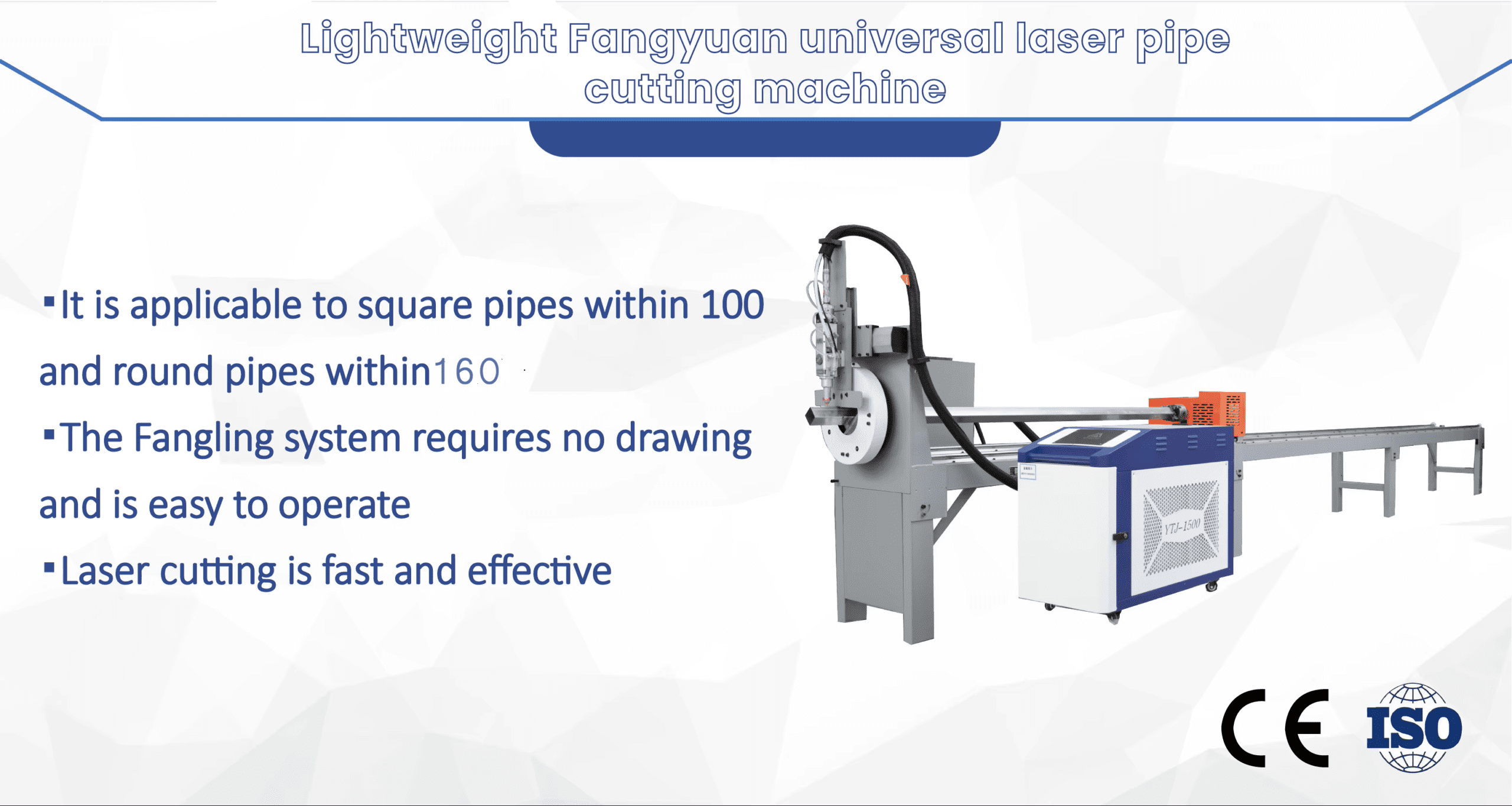 laser cutting machine MAK160″ style=”max-width: 100%; height: auto; margin: 20px 0;”>
Energy Efficiency and Operational Costs
For businesses operating in the Guadalajara metropolitan area, energy costs are a critical factor in the total cost of ownership (TCO). A 2kW fiber laser is remarkably efficient, converting about 30-35% of electrical input into laser light. This efficiency reduces the demand on the local power grid and lowers the requirements for industrial chilling units, further driving down monthly utility expenditures compared to legacy plasma or CO2 systems.
Processing Stainless Steel: Material Considerations
Stainless steel is favored in Guadalajara’s food processing, pharmaceutical, and automotive industries due to its corrosion resistance and strength. However, its physical properties—specifically its high melting point and low thermal conductivity—require specific laser cutting parameters to achieve a burr-free finish.
Grade Selection: 304 vs. 316
The majority of laser cutting applications in the region involve Grade 304 (standard) and Grade 316 (marine/medical grade). A 2kW system handles these with ease. Grade 304 is widely used in local kitchenware manufacturing, while 316 is the standard for chemical processing components. The 2kW laser provides the necessary intensity to cut through the nickel and chromium alloys present in these grades without causing excessive oxidation, provided the correct assist gas is used.
The Role of Assist Gases
In stainless steel laser cutting, the choice of assist gas is paramount. While oxygen can be used for carbon steel, it causes discoloration (oxidation) on stainless steel. Therefore, high-pressure nitrogen is the standard for Guadalajara’s precision shops. Nitrogen acts as a mechanical force to blow the molten metal out of the kerf while simultaneously shielding the cut edge from oxygen. This results in a “bright” finish that requires no post-processing or polishing, significantly reducing labor hours in the assembly phase.
Capabilities of Tube Laser Cutting Systems
Unlike flatbed lasers, a tube laser cutting machine must manage the rotation and longitudinal movement of the workpiece simultaneously. This is achieved through a synchronized chuck system that holds the tube (round, square, rectangular, or even D-shaped profiles) while the laser head moves along the Z and X axes.
Maximum Wall Thickness and Diameter
A 2kW laser source is optimized for stainless steel wall thicknesses ranging from 1mm to 6mm. While it can push slightly higher, the 1mm-5mm range is the “sweet spot” where cutting speeds remain high and edge quality remains pristine. In terms of tube diameter, most machines in this class can accommodate tubes from 20mm up to 160mm or 220mm, covering the vast majority of industrial requirements in the Jalisco region.
Complex Geometry and Nesting
Advanced CNC software allows for sophisticated nesting on tubes. This means that multiple parts can be cut from a single 6-meter length of stainless steel pipe with minimal waste. Features like “common line cutting”—where two parts share a single cut path—are easily implemented, further maximizing the efficiency of the laser cutting process.

Applications in Guadalajara’s Industrial Hub
The versatility of the 2kW tube laser makes it an indispensable tool across several sectors in the Guadalajara area. Its ability to handle stainless steel precisely opens doors to high-margin contracts.
Automotive and Transportation
With Mexico being a global leader in automotive assembly, Guadalajara-based Tier 2 and Tier 3 suppliers use tube laser cutting for exhaust systems, chassis reinforcements, and seat frames. The 2kW laser ensures that the stainless steel used in exhaust components is cut without introducing micro-cracks that could lead to failure under thermal stress.
Commercial Kitchen and Food Processing
Jalisco has a massive food and beverage industry. Stainless steel is the material of choice for hygiene reasons. 2kW lasers are used to fabricate conveyor frames, industrial ovens, and mixing vats. The precision of the laser ensures that every joint is tight, minimizing areas where bacteria could grow, which is essential for health and safety compliance.
Architectural and Furniture Design
Guadalajara is also a center for design and architecture. Stainless steel furniture, handrails, and decorative facades require the aesthetic perfection that only a fiber laser can provide. The 2kW system allows designers to incorporate intricate patterns into square or round tubing that would be impossible to achieve with traditional machining.
Maintenance and Longevity of the Equipment
To maintain peak performance in a high-production environment like Guadalajara, a rigorous maintenance schedule is required. Fiber lasers are generally low-maintenance compared to CO2 lasers because they lack moving mirrors and gas refill requirements in the resonator.
Optical Path Protection
The most critical maintenance task is ensuring the cutting head’s protective window is clean. Even a tiny speck of dust can absorb the 2kW energy, heating up and shattering the lens. Operators must work in a controlled environment and use specialized cleaning kits to maintain the optics.
Chiller Calibration
Guadalajara’s climate can be warm, which puts pressure on the laser’s cooling system. The chiller must maintain the laser source and the cutting head at a constant temperature (usually around 20-25°C). Failure to maintain the chiller can lead to wavelength shifts or, in extreme cases, permanent damage to the fiber modules.
Conclusion: The Future of Fabrication in Jalisco
The integration of 2kW tube laser cutting technology is a defining step for Guadalajara’s manufacturing sector. As the demand for stainless steel components continues to grow globally, local shops equipped with fiber laser technology are well-positioned to compete on both quality and price. By understanding the technical requirements of the 2kW system—from assist gas selection to optical maintenance—engineers can unlock new levels of creativity and efficiency.
Investing in a 2kW tube laser is not just about purchasing a machine; it is about adopting a philosophy of precision. For the fabricators of Guadalajara, this technology represents the bridge between traditional metalworking and the future of automated, high-speed industrial production. Whether it is for the automotive lines in El Salto or the furniture workshops in Tlaquepaque, the 2kW tube laser is the tool that will drive the next generation of Mexican engineering excellence.
















