
Introduction to 2kW Tube laser cutting in Puebla
The industrial landscape of Puebla, Mexico, has undergone a significant transformation over the last decade. As a primary hub for the automotive and heavy manufacturing sectors, the demand for high-precision metal components has never been higher. Central to this evolution is the adoption of fiber laser cutting technology, specifically the 2kW tube laser cutter. This power class represents the optimal balance between capital investment and operational throughput for small to medium-sized enterprises (SMEs) and large-scale Tier 2 suppliers alike.
A 2kW tube laser cutter is engineered to handle a variety of metallic profiles, including round, square, rectangular, and oval tubes. For the specific requirements of the Puebla industrial corridor, where carbon steel is the backbone of construction and automotive chassis manufacturing, the 2kW fiber source offers unparalleled efficiency. Unlike traditional mechanical sawing or plasma cutting, laser cutting provides a non-contact process that minimizes material deformation and eliminates the need for secondary finishing processes.
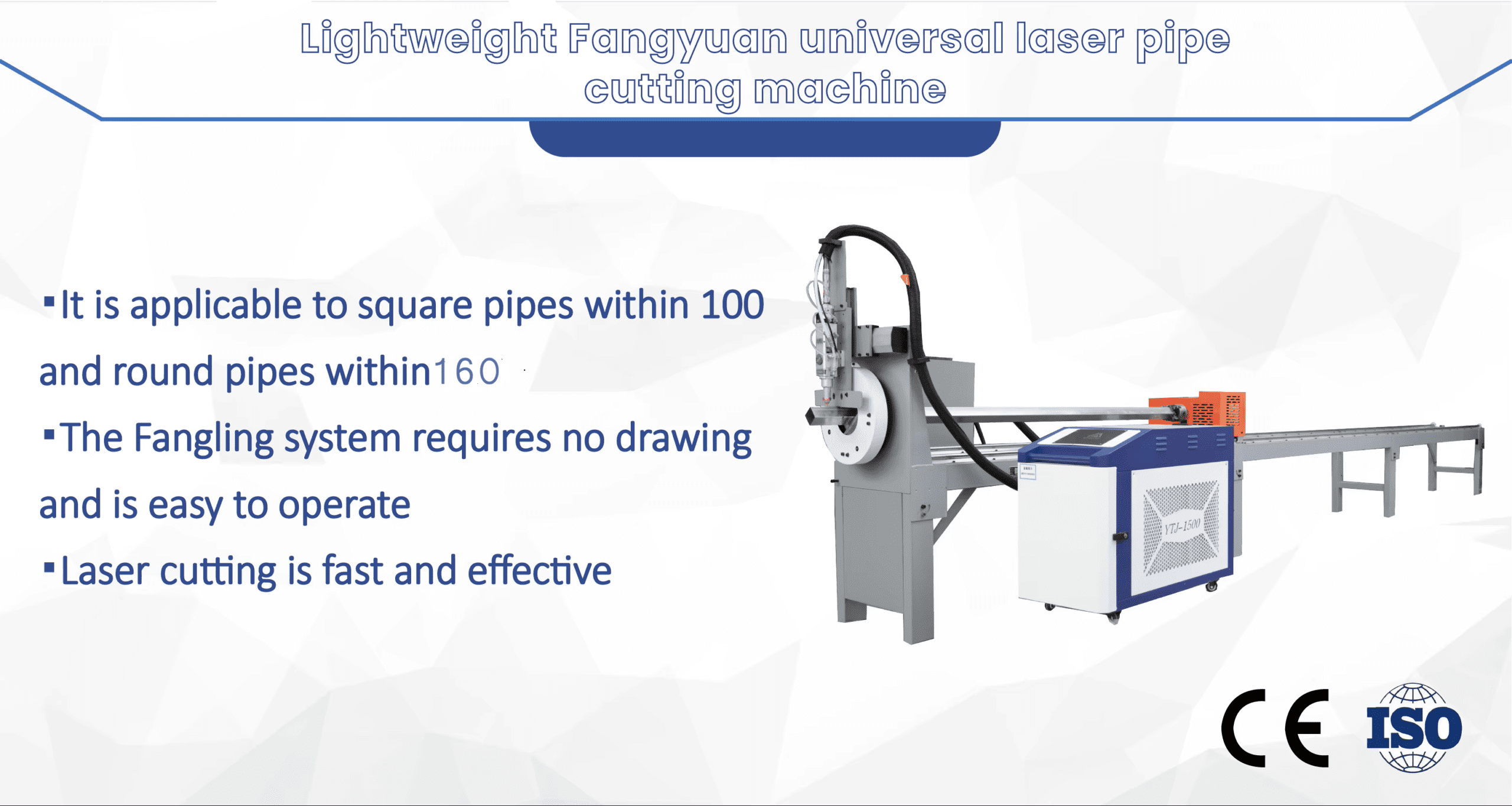 laser cutting machine MAK160″ style=”width: 100%; max-width: 800px; height: auto; margin: 20px 0;”>
The Strategic Advantage of 2kW Fiber Sources
The selection of a 2kW power rating is a strategic decision based on the physics of fiber laser cutting. Fiber lasers operate at a wavelength of approximately 1.06 microns, which is highly absorbed by carbon steel. At 2,000 watts, the laser beam possesses sufficient energy density to vaporize carbon steel up to 8mm or 10mm in thickness with high precision. This covers the vast majority of structural tubing used in the Mexican manufacturing sector.
In Puebla’s competitive market, the 2kW system offers a lower cost-per-part compared to higher-wattage machines for materials under 6mm. The electrical efficiency of fiber technology—often exceeding 30% wall-plug efficiency—ensures that operational costs remain manageable even during multi-shift operations. Furthermore, the 2kW source is robust enough to maintain high feed rates, which is essential for meeting the “Just-in-Time” (JIT) delivery requirements of the local automotive assembly plants.
Carbon Steel Material Considerations
Carbon steel, ranging from low-carbon (A36) to medium-carbon variants, is the most common substrate processed by laser cutting machines in Puebla. The material’s thermal conductivity and relatively low melting point make it ideal for fiber laser interaction. However, the quality of the cut is heavily dependent on the grade of the steel and its surface condition. In the humid or dusty environments sometimes found in industrial zones like Chachapa or Cuautlancingo, protecting the raw material from oxidation is crucial for maintaining consistent cut quality.
When processing carbon steel, the 2kW laser utilizes an exothermic reaction. By using oxygen as an assist gas, the laser initiates a combustion process that adds thermal energy to the cut, allowing for faster speeds on thicker walls. For thinner sections, nitrogen can be used to achieve a high-speed “fusion cut,” which leaves a clean, oxide-free edge ready for immediate welding or powder coating.
Technical Specifications and Performance Metrics
A professional-grade 2kW tube laser cutting machine is defined by more than just its power source. The mechanical architecture—specifically the chuck system and the bed stability—dictates the final accuracy of the part. In Puebla’s manufacturing facilities, precision is non-negotiable. Most 2kW systems feature dual pneumatic chucks that provide self-centering synchronization, ensuring that long tubes (often up to 6 meters) do not vibrate or deviate during high-speed rotations.
The cutting head, often equipped with autofocus sensors, is another critical component. As the tube rotates, the distance between the nozzle and the metal surface must remain constant to within microns. Advanced 2kW systems utilize capacitive sensing to adjust the Z-axis in real-time, compensating for any slight irregularities or bows in the carbon steel tubing. This level of automation reduces the reliance on highly skilled manual operators, a significant benefit in the growing Puebla labor market.

Assist Gas Dynamics: Oxygen vs. Nitrogen
The choice of assist gas is a fundamental engineering decision in laser cutting operations. For carbon steel, oxygen (O2) is the standard choice for thicknesses above 3mm. The oxygen reacts with the iron in the steel, generating additional heat that facilitates the removal of molten slag. This allows the 2kW laser to penetrate deeper than it would through pure light energy alone. However, this process leaves a thin layer of iron oxide on the cut edge, which may need to be removed if high-specification painting is required.
Nitrogen (N2) is increasingly popular for high-speed laser cutting of thin-walled carbon steel tubes (under 2mm). Because nitrogen is inert, it simply blows the molten metal out of the kerf without causing a chemical reaction. This results in a silver, clean edge. In Puebla, where many shops serve the food processing or aesthetic furniture industries, the ability to switch between these gases provides the versatility needed to handle diverse contracts.
The Role of the CNC Control System
The “brain” of the 2kW tube laser is the CNC control system. Modern machines utilize specialized software that handles the complex geometry of tube intersections. For example, when cutting a saddle joint where one round tube meets another at an angle, the software must calculate the varying bevel and path in real-time. In the context of Puebla’s engineering firms, the ability to import CAD files (STEP or IGES) directly into the laser cutting software reduces setup time from hours to minutes.
Nesting software is also vital for maximizing material utilization. Carbon steel is a commodity with fluctuating prices; therefore, minimizing scrap is essential for profitability. Advanced nesting algorithms can “nest” different parts onto a single length of tube, ensuring that the “remnant” or waste piece is as small as possible.
Puebla’s Industrial Landscape and Application
Puebla is uniquely positioned as a logistics and manufacturing hub. The presence of the Volkswagen de México plant and the Audi Mexico facility in San José Chiapa has created a massive secondary market for specialized racking, logistics containers, and automotive components. All of these applications rely heavily on carbon steel tubing, making the 2kW laser cutting machine an essential tool for local contractors.
Beyond automotive, the construction sector in Puebla utilizes 2kW lasers for structural hollow sections (SHS). From decorative architectural elements in the Angelópolis district to functional warehouse frames in the industrial parks, the precision of laser cutting allows for “tab-and-slot” designs. This design philosophy enables parts to self-align during assembly, drastically reducing welding time and the need for expensive jigs.
Environmental Factors: Altitude and Temperature
Operating a 2kW fiber laser in Puebla requires consideration of the local environment. Puebla sits at an altitude of approximately 2,135 meters (7,000 feet) above sea level. While fiber lasers are far less sensitive to atmospheric pressure than older CO2 technology, the cooling systems (chillers) must be rated for this altitude. Thinner air has a lower heat capacity, meaning the heat exchange process for the laser source and the cutting head must be robust to prevent overheating during the hot afternoon hours typical of the region.
Furthermore, the stability of the electrical grid in some industrial zones may necessitate the use of voltage regulators. A 2kW fiber laser is a sensitive electronic instrument; voltage spikes can damage the laser diodes or the CNC controller. Engineering teams in Puebla typically recommend a dedicated transformer and a high-quality industrial chiller to ensure the longevity of the laser cutting equipment.
Maintenance Protocols for High-Uptime Operations
To maintain the precision of laser cutting on carbon steel, a rigorous maintenance schedule is mandatory. The primary concern is the optical path. Even though the fiber laser is delivered via a sealed cable, the protective window in the cutting head is exposed to the harsh environment of the cutting zone. Dust, metal spatter, and oil residue from the carbon steel can contaminate the lens, leading to beam divergence and poor cut quality.
Optical Path and Cutting Head Maintenance
Daily inspections of the protective cover glass are required. If any spotting is detected, the glass must be cleaned in a clean-room environment or replaced immediately. For 2kW systems, even a small amount of debris on the lens can absorb enough laser energy to shatter the glass, potentially damaging the more expensive internal collimating lenses. In Puebla’s industrial settings, maintaining a clean workspace around the machine is the first line of defense for the laser cutting head.
Chiller and Cooling System Optimization
The chiller is the unsung hero of the 2kW laser system. It must maintain the laser source and the optics at a constant temperature, usually within ±1°C. In the Puebla climate, where temperatures can fluctuate significantly between morning and afternoon, the chiller’s ability to regulate temperature is vital. Operators must use deionized water and specialized additives to prevent algae growth and corrosion within the cooling loops. Monthly checks of the water levels and filter cleanliness ensure that the laser cutting process remains stable over years of operation.
Conclusion: The Future of Metal Fabrication in Central Mexico
The integration of 2kW tube laser cutting technology is no longer a luxury for Puebla’s metalworking industry; it is a necessity for survival in a globalized market. The ability to process carbon steel with high speed, extreme precision, and minimal waste allows local manufacturers to compete with international suppliers. As the region continues to attract investment in aerospace, green energy, and advanced automotive platforms, the role of fiber lasers will only expand.
Investing in a 2kW system provides a versatile platform that can grow with a business. Whether it is producing simple furniture frames or complex automotive manifolds, the fiber laser remains the most efficient tool for the job. By understanding the technical nuances of the machine, the characteristics of carbon steel, and the specific environmental conditions of Puebla, engineers can unlock the full potential of laser cutting technology, driving innovation and economic growth throughout the state.
















