
Introduction to 2kW Tube laser cutting in Monterrey’s Industrial Sector
Monterrey, Nuevo León, stands as the industrial heart of Mexico, serving as a critical hub for automotive manufacturing, structural engineering, and heavy machinery production. Within this high-stakes environment, the adoption of fiber laser technology has revolutionized how local fabricators approach tube processing. Specifically, the 2kW tube laser cutting machine has emerged as the “gold standard” for small-to-medium enterprises (SMEs) and Tier 2 suppliers who require a balance between capital investment and high-performance output. This guide explores the technical nuances of operating a 2kW system, with a specific focus on processing carbon steel—the most prevalent material in the Regiomontano manufacturing landscape.
The transition from traditional mechanical sawing and manual drilling to automated laser cutting represents a significant leap in productivity. A 2kW fiber laser provides the necessary power density to slice through various wall thicknesses of carbon steel with extreme precision, eliminating the need for secondary finishing processes. In a city where “just-in-time” delivery is the norm for the automotive and construction sectors, the speed and accuracy of a 2kW tube laser are indispensable assets.
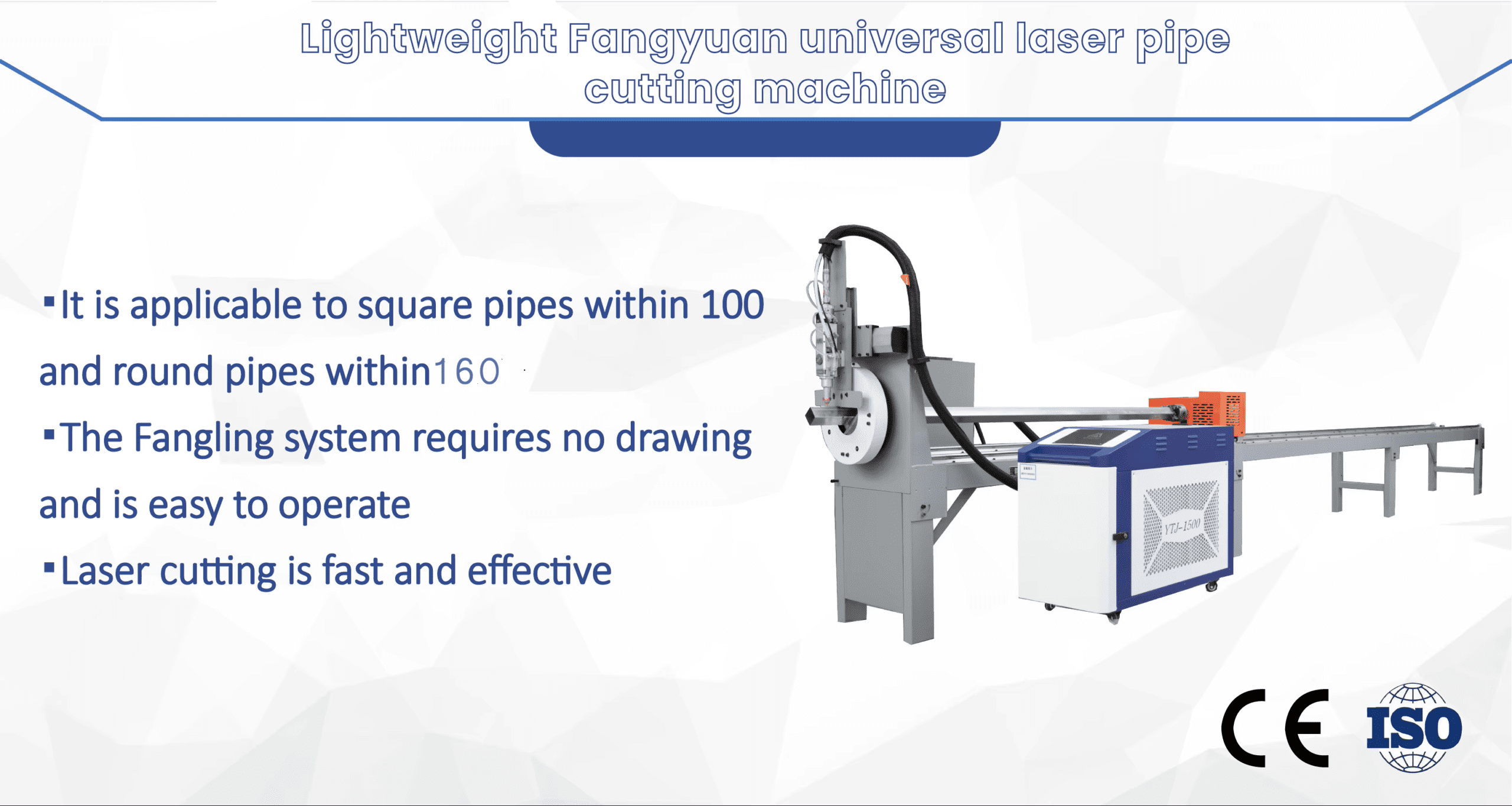
Technical Specifications and Performance of 2kW Fiber Lasers
Power Density and Material Thickness
A 2kW fiber laser source is optimized for high-speed processing of thin to medium-walled tubing. In the context of carbon steel (such as A36 or 1018 grades), a 2kW system can comfortably handle wall thicknesses up to 8mm or 9mm, with peak performance and cleanest cuts typically found in the 1mm to 6mm range. The fiber laser’s wavelength (typically around 1.06 microns) is highly absorbed by carbon steel, allowing for a concentrated heat-affected zone (HAZ) and a narrow kerf width.
Machine Architecture and Rotary Dynamics
Unlike flatbed lasers, a tube laser cutting system utilizes a rotary axis (chuck) to rotate the workpiece while the laser head moves along the X and Z axes. For Monterrey-based shops dealing with heavy-duty structural tubes, the chuck’s clamping force and centering accuracy are paramount. A 2kW machine usually features high-speed pneumatic or hydraulic chucks capable of handling round, square, rectangular, and even special-shaped profiles like D-channels or C-channels. The integration of “auto-centering” technology ensures that even if the raw carbon steel tube has slight deviations or “bowing,” the laser maintains a consistent focal point relative to the surface.
Processing Carbon Steel: The Monterrey Standard
Material Grades and Surface Quality
In Monterrey, carbon steel is sourced extensively from local giants like Ternium. Whether it is cold-rolled (CR) or hot-rolled (HR) steel, the surface condition impacts the laser cutting process. Cold-rolled steel offers a cleaner finish and more consistent results for high-precision applications. However, hot-rolled steel, often used in structural frames, may have a scale layer. A 2kW laser must be calibrated to penetrate this scale without causing excessive dross or slag on the interior of the tube. Using a “piercing” strategy with modulated frequency can help mitigate the issues caused by surface impurities.
The Role of Assist Gases
For carbon steel, Oxygen (O2) is the primary assist gas used in laser cutting. The oxygen reacts exothermically with the iron in the steel, adding thermal energy to the process and allowing for faster cutting speeds at lower laser powers. When operating a 2kW system, maintaining the correct O2 pressure (typically between 0.5 to 1.5 bar depending on thickness) is vital. If the pressure is too high, the cut becomes “over-burned”; if it is too low, the molten metal will not be fully ejected, leading to burrs. Some advanced shops in Monterrey are also experimenting with high-pressure Nitrogen (N2) or compressed air for thinner carbon steel tubes to achieve an oxide-free edge, which is essential if the parts are to be powder-coated or painted immediately after cutting.

Optimization Strategies for Monterrey’s Climate and Environment
Managing Thermal Stability
Monterrey is known for its extreme temperature fluctuations, often exceeding 40°C in the summer. For a 2kW laser cutting machine, thermal management is critical. The laser source and the cutting head must be cooled by a high-efficiency industrial chiller. It is recommended to use a dual-circuit chiller that independently regulates the temperature of the fiber source and the optics. In the humid yet dusty environment of an industrial park in Santa Catarina or Apodaca, ensuring the chiller is free of mineral deposits and the filters are cleaned weekly is a non-negotiable maintenance task.
Dust Extraction and Filtration
Laser cutting carbon steel generates a significant amount of fine iron oxide dust. Without a robust extraction system, this dust can settle on the linear guides and the rack-and-pinion system of the machine, leading to premature wear and loss of precision. Operators in Monterrey should ensure their 2kW tube laser is equipped with a high-volume dust collector and that the “fume transition” zones within the machine bed are cleared of slag regularly to maintain optimal airflow.
Software Integration and Nesting Efficiency
From CAD to Cut
The efficiency of a 2kW tube laser is largely determined by the software driving it. Professional tube nesting software allows engineers to import 3D files (STEP or IGES) and automatically calculate the best arrangement of parts on a standard 6-meter or 12-meter tube. This is particularly important for Monterrey’s automotive suppliers who must minimize scrap rates to remain competitive. Features like “common line cutting,” where two parts share a single cut path, can significantly reduce processing time and gas consumption.
Complex Geometries and Intersections
One of the greatest advantages of using a laser cutting system for tubes is the ability to cut complex “saddle” joints and interlocking tabs. In structural steel applications, these features allow for “self-jigging” assemblies, where tubes fit together like puzzle pieces before welding. This reduces the need for expensive manual layout and traditional jigs, accelerating the assembly line for local manufacturers of trailers, storage racks, and industrial furniture.
Maintenance and Longevity of the 2kW System
Optical Path Integrity
The “business end” of the 2kW laser is the cutting head, which contains sensitive focusing lenses and protective windows. In a carbon steel processing environment, the protective window (cover glass) is a consumable that must be inspected daily. Any speck of dust or splash of molten metal can cause the window to absorb laser energy and shatter. Using high-quality consumables and maintaining a clean pressurized air supply to the cutting head will extend the life of the internal optics.
Mechanical Calibration
Given the heavy vibrations associated with loading large carbon steel pipes, the mechanical alignment of the machine should be checked monthly. In Monterrey’s high-output shops, the rotary chucks should be lubricated according to the manufacturer’s schedule, and the “zero point” of the machine should be calibrated to ensure that the laser cutting remains centered on the tube’s longitudinal axis. A deviation of even 0.5mm can result in failed assemblies during the welding stage.
Economic Impact for Monterrey Fabricators
Return on Investment (ROI)
A 2kW tube laser cutting machine represents a significant but justifiable investment. When compared to plasma cutting or manual machining, the laser offers a lower cost-per-part due to its speed and the elimination of secondary deburring. For a typical fabrication shop in the Monterrey metropolitan area, the ROI is often realized within 12 to 18 months, depending on the shift structure and volume of carbon steel processed. The ability to take on high-precision contracts that were previously outsourced to foreign markets provides a distinct competitive advantage.
Scaling Production
As Monterrey continues to attract global investment through “nearshoring,” the demand for high-quality metal components is surging. A 2kW system provides the flexibility to handle prototypes and high-volume production runs with equal efficiency. By mastering the laser cutting of carbon steel, local shops can move up the value chain, offering complete sub-assemblies rather than just raw cut tubes.
Conclusion: The Future of Tube Fabrication
The 2kW tube laser cutting machine is more than just a tool; it is a cornerstone of modern manufacturing in Monterrey. By understanding the specific requirements of carbon steel—from gas dynamics to thermal management—local engineers can maximize the potential of this technology. As the industry evolves, those who leverage the precision and efficiency of laser cutting will lead the way in Mexico’s ongoing industrial transformation. Whether it is for the automotive plants in Ramos Arizpe or the skyscraper skeletons in San Pedro, the 2kW tube laser is the engine driving the next generation of Monterrey’s industrial excellence.
















