
The Strategic Advantage of 2kW Tube laser cutting in Leon’s Industrial Sector
In the heart of Mexico’s industrial Bajío region, Leon, Guanajuato, has transformed from a traditional leather and footwear hub into a sophisticated center for automotive, aerospace, and structural engineering. At the core of this transformation is the adoption of advanced fabrication technologies, most notably the 2kW tube fiber laser. This specific power rating—2000 watts—represents the “sweet spot” for many manufacturers, offering a perfect balance between capital investment, operational cost, and the ability to process carbon steel with high precision.
The 2kW tube laser cutting system is engineered to handle the rigorous demands of high-volume production. Unlike traditional sawing or manual drilling, laser cutting provides a non-contact, high-speed solution that eliminates the need for secondary finishing. For Leon’s growing network of Tier 2 and Tier 3 automotive suppliers, this technology is no longer a luxury but a fundamental requirement for maintaining competitiveness in a global supply chain.
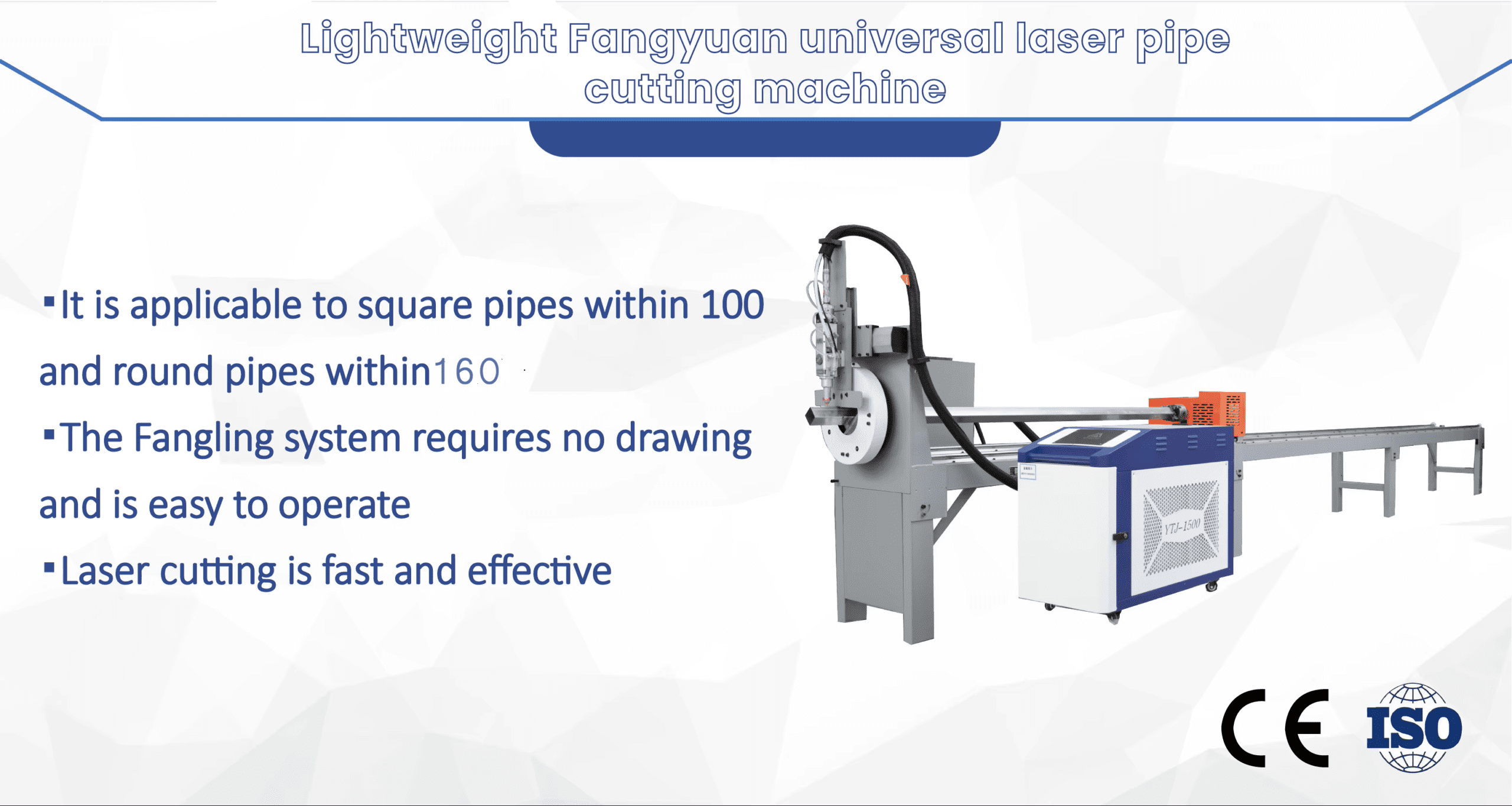 laser cutting machine MAK160″ style=”width: 100%; max-width: 800px; height: auto; margin: 20px 0;”>
Technical Specifications of the 2kW Fiber Laser Source
A 2kW fiber laser utilizes a solid-state laser source where the “gain medium” is an optical fiber doped with rare-earth elements, typically ytterbium. This configuration allows for a wavelength of approximately 1.06 microns, which is exceptionally well-absorbed by metallic surfaces, particularly carbon steel. When compared to older CO2 technology, the 2kW fiber laser cutting process is significantly more energy-efficient, boasting electrical conversion rates of over 30%.
Beam Quality and Power Density
The efficiency of laser cutting is not merely a function of raw power, but of power density. A 2kW system focuses its energy into a microscopic spot, often less than 100 microns in diameter. This results in a power density that can vaporize carbon steel almost instantaneously. This high concentration of energy minimizes the Heat Affected Zone (HAZ), ensuring that the structural integrity of the tube remains intact—a critical factor for Leon’s construction and automotive frame manufacturers.
Motion Control and Chuck Dynamics
Modern 2kW tube laser cutting machines feature sophisticated CNC-controlled chucks. These pneumatic or hydraulic systems must rotate the tube with absolute synchronization relative to the laser head’s movement along the X and Z axes. In Leon’s workshops, where square, rectangular, and oval tubes are common, the ability of the machine to compensate for slight deviations in tube straightness through “auto-centering” technology is vital for maintaining tight tolerances.
Optimizing Carbon Steel Processing in the Bajío Region
Carbon steel is the backbone of the Mexican manufacturing industry. From A36 structural steel to 1018 cold-rolled tubing, the 2kW laser is optimized for these materials. In Leon, where industrial humidity and temperature can fluctuate, the stability of the fiber laser source ensures consistent cutting quality throughout 24-hour production cycles.

Thickness Capacities for 2kW Systems
While higher-wattage machines exist, a 2kW system is particularly proficient at cutting carbon steel tubes with wall thicknesses ranging from 1mm to 8mm. For thinner gauges (1mm–3mm), the laser cutting speed can exceed 15 meters per minute, depending on the complexity of the geometry. For structural applications requiring 6mm or 8mm walls, the 2kW source provides enough “punch” to maintain a clean edge profile without excessive dross or slag accumulation on the interior of the tube.
The Role of Assist Gases: Oxygen vs. Nitrogen
The choice of assist gas is a critical engineering decision in the laser cutting process. When processing carbon steel in Leon, most operators utilize Oxygen (O2). The oxygen acts as an exothermic reactant, generating additional heat that aids the laser in melting the steel. This allows for faster speeds on thicker materials. However, for applications requiring a paint-ready surface without the need for pickling or heavy sanding, Nitrogen (N2) can be used to perform “high-pressure” cutting, which prevents oxidation of the cut edge.
Applications in Leon’s Key Industries
The versatility of the 2kW tube laser cutting machine allows it to serve multiple sectors within the Guanajuato industrial corridor. The ability to cut complex notches, holes, and end-profiles in a single pass has revolutionized how local shops approach assembly.
Automotive and Transportation
Leon is strategically located near major automotive assembly plants. The 2kW laser cutting of carbon steel tubing is essential for producing seat frames, exhaust components, and chassis reinforcements. The precision of the laser ensures that every part fits perfectly into welding fixtures, reducing the need for manual adjustment and significantly lowering the rejection rate in ISO-certified facilities.
Agricultural Machinery and Construction
The surrounding agricultural areas of the Bajío require robust machinery. 2kW laser cutting is used to fabricate heavy-duty frames for plows, harvesters, and irrigation systems. By utilizing laser-cut “tab and slot” designs, manufacturers can create self-fixturing assemblies. This means that parts can be snapped together like a puzzle before welding, ensuring perfect alignment and reducing labor costs.
Operational Excellence and Maintenance
To maintain the high standards required by Leon’s industrial clients, the 2kW tube laser cutting system requires a disciplined maintenance regimen. Unlike CO2 lasers, fiber lasers do not have internal mirrors or bellows that require frequent alignment, but other components are critical to performance.
Cooling Systems and Thermal Management
The laser source and the cutting head generate significant heat. A high-quality industrial chiller is mandatory. In Leon’s climate, the chiller must be capable of maintaining a constant temperature to prevent thermal expansion of the optical components. Any deviation in temperature can cause the laser beam to “drift,” resulting in inconsistent laser cutting quality and potential damage to the protective windows in the cutting head.
Optical Consumables
The cutting head contains several optical elements, including the focusing lens and the protective cover glass. During the laser cutting of carbon steel, sparks and molten metal can splash back toward the head. Regularly inspecting and replacing the cover glass is the simplest way to protect the expensive focusing lens and ensure the 2kW beam remains unobstructed and sharp.
The Economic Impact of Laser Cutting Investment
For a fabrication shop in Leon, the transition to a 2kW tube laser represents a significant shift in business logic. Traditional methods involve marking, cutting, drilling, and deburring—four separate processes handled by different machines and operators. A tube laser cutting machine collapses these into a single automated step.
Nesting and Material Efficiency
Modern CAD/CAM software allows for sophisticated “nesting” of parts on a single length of tube. By minimizing the “remnant” or scrap piece at the end of a 6-meter tube, manufacturers can save between 5% and 15% on raw material costs. In the high-volume world of carbon steel fabrication, these savings directly contribute to the bottom line and allow Leon-based companies to outcompete providers using legacy technology.
Reducing Lead Times
In the modern “Just-In-Time” (JIT) manufacturing environment of Guanajuato, speed is a currency. The 2kW laser cutting process allows for rapid prototyping. A design can be modified in a CAD file and a physical part can be produced in minutes. This agility allows local shops to respond faster to RFQs (Requests for Quotation) and secure contracts that would have previously gone to larger, more centralized facilities.
Conclusion: The Future of Metal Fabrication in Leon
The 2kW tube laser cutting machine is more than just a tool; it is a catalyst for industrial maturity. As Leon continues to grow as a global manufacturing powerhouse, the integration of fiber laser technology into the carbon steel supply chain will be the defining factor of success. By providing precision, speed, and material efficiency, the 2kW system empowers local engineers to push the boundaries of what is possible in tube fabrication, ensuring that “Made in Leon” remains a mark of quality and technical excellence.
















