
Mastering Brass Fabrication: A Guide to 2kW Tube laser cutting in Monterrey
The industrial landscape of Monterrey, Nuevo León, has long been the heartbeat of Mexico’s manufacturing sector. As the city evolves into a global hub for “nearshoring” and high-tech fabrication, the demand for precision in non-ferrous metal processing has skyrocketed. Among the various technologies available, the 2kW tube laser cutter has emerged as the gold standard for processing brass—a material prized for its conductivity, corrosion resistance, and aesthetic appeal but notorious for its difficulty in traditional machining. This guide explores the technical nuances, operational strategies, and regional advantages of utilizing 2kW fiber laser technology for brass tube fabrication in the Monterrey industrial corridor.
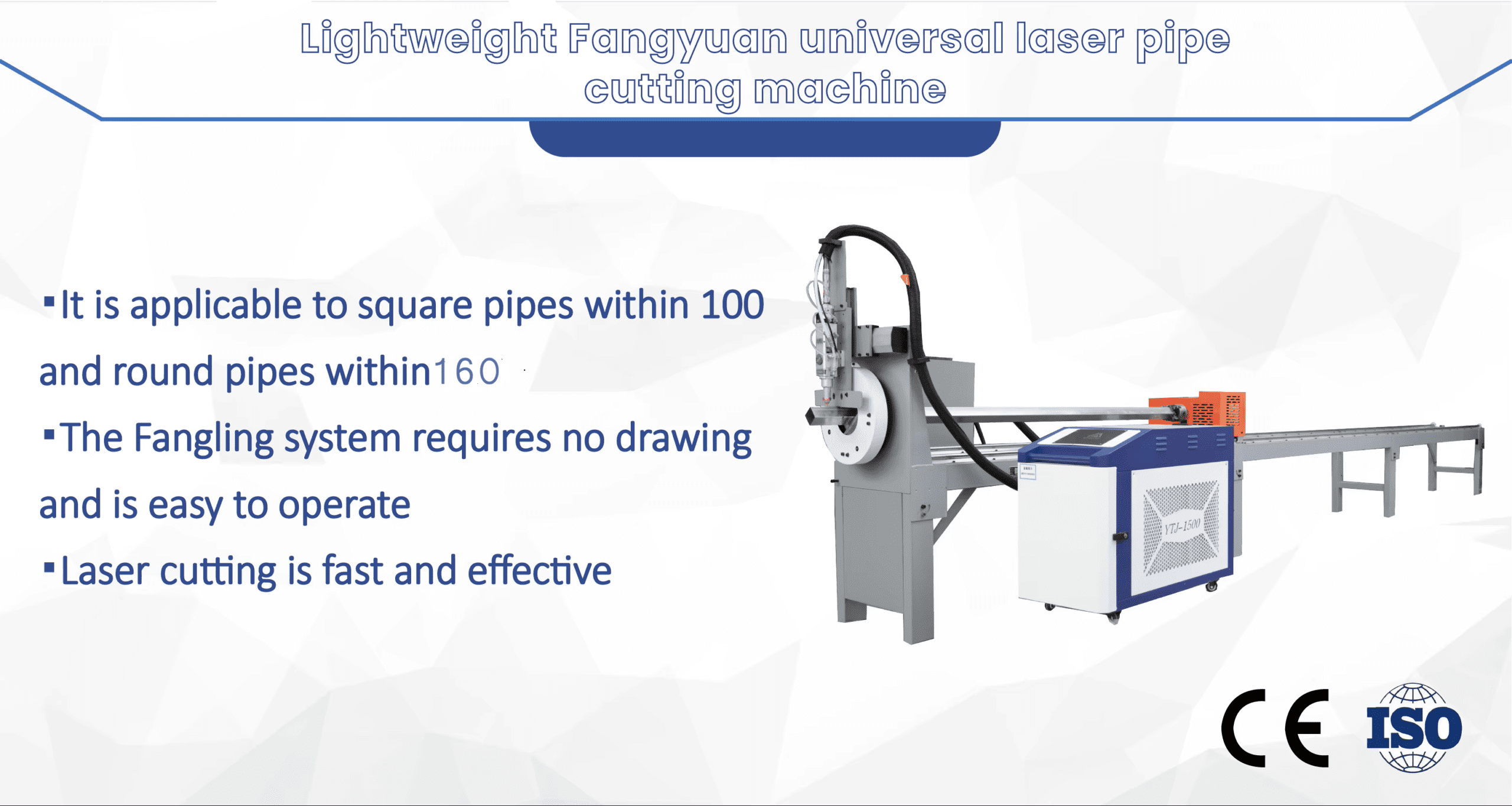 laser cutting machine MAK160″ style=”width: 100%; max-width: 800px; height: auto; margin: 20px 0;”>
The Technical Advantage of 2kW Fiber Power
In the realm of laser cutting, power selection is critical. While 1kW systems may struggle with the high reflectivity of brass, and 4kW+ systems may be overkill for many standard tube profiles, the 2kW fiber laser represents the “sweet spot” for efficiency and capital investment. Fiber lasers operate at a wavelength of approximately 1.06 microns. This specific wavelength is absorbed much more efficiently by yellow metals like brass and copper compared to the 10.6-micron wavelength of older CO2 technology.
For engineers in Monterrey’s automotive and electrical sectors, a 2kW system provides sufficient power density to pierce and cut brass tubes with wall thicknesses typically ranging from 0.5mm to 5mm. The high beam quality (M2 factor) of a 2kW source ensures a narrow kerf width, allowing for intricate geometries and tight tolerances that are essential for components like heat exchangers, decorative architectural fixtures, and heavy-duty electrical connectors.
Overcoming the Reflectivity Challenge
Brass is a highly reflective and thermally conductive alloy. During the initial phase of laser cutting, the material acts almost like a mirror, potentially reflecting the laser beam back into the delivery optics. This “back-reflection” can cause catastrophic damage to the laser source if not managed correctly. Modern 2kW tube laser cutters are equipped with back-reflection isolation systems that monitor the beam path and shut down the pulse if a dangerous level of reflected light is detected.
To optimize the process, operators must focus on the “pierce” phase. Using a high-frequency pulse with a shorter duration helps break the surface reflectivity without generating excessive heat that could lead to “self-burning” or dross accumulation. Once the beam has penetrated the material, the absorption rate increases significantly, allowing for a stable and high-speed cutting process.
Optimizing Parameters for Monterrey’s Industrial Environment
Monterrey’s climate presents unique challenges for high-precision machinery. The city experiences significant temperature fluctuations and high humidity during certain seasons. For a 2kW tube laser cutter, maintaining a stable environment is paramount. The chiller system must be robust enough to handle ambient temperatures that often exceed 40°C in the summer months. If the internal temperature of the laser source or the cutting head fluctuates, the beam focus may shift, leading to inconsistent cuts in brass.
Furthermore, the choice of assist gas is a critical variable in the laser cutting process. When cutting brass, Nitrogen (N2) is the preferred medium. High-pressure Nitrogen (typically between 15 and 20 bar) acts as a mechanical force to eject the molten metal from the kerf while preventing oxidation. This results in a clean, bright edge that requires little to no post-processing—a vital factor for Monterrey shops looking to reduce labor costs and increase throughput.

Structural Integrity and Mechanical Precision
A 2kW laser source is only as good as the motion system it is paired with. Tube laser cutting requires the synchronization of multiple axes: the longitudinal movement of the gantry, the rotation of the chucks, and the vertical adjustment of the cutting head. For brass tubes, which can be softer and more prone to deformation than steel, the clamping pressure of the pneumatic or hydraulic chucks must be precisely calibrated.
In Monterrey’s competitive landscape, machines that feature automatic centering and high-speed rotation allow for faster cycle times. When processing square, rectangular, or oval brass tubes, the software must account for the varying wall thickness at the corners. A high-end 2kW system will automatically adjust the power output and feed rate in real-time as the head navigates these transitions, ensuring a uniform cut quality across the entire profile.
Applications in Monterrey’s Key Industries
The versatility of the 2kW tube laser cutter makes it an indispensable tool for several sectors thriving in the Nuevo León region:
1. Automotive and E-Mobility
With the rise of electric vehicle manufacturing in Monterrey, brass components for battery housings, busbars, and cooling systems are in high demand. The precision of laser cutting allows for the creation of complex cooling channels in brass tubes that would be impossible to achieve with mechanical sawing or drilling.
2. Architectural and Interior Design
Monterrey’s luxury construction market frequently utilizes brass for furniture frames, handrails, and lighting fixtures. The 2kW laser provides a “mirror-like” finish on the cut edge, which is essential for high-end aesthetic applications where the metal will be polished or PVD-coated.
3. Electrical and HVAC
Brass is a staple in the HVAC industry for fittings and manifolds. The ability to perform high-speed laser cutting on round tubes with multiple intersections allows manufacturers to produce complex manifolds with perfect fitment for welding or soldering, significantly reducing assembly time.
Maintenance and Longevity of the Laser System
To ensure the longevity of a 2kW tube laser cutter in an industrial setting like Monterrey, a rigorous maintenance schedule is required. The protective windows in the cutting head must be inspected daily for dust or metallic splatter, which is particularly common when cutting reflective alloys like brass. Even a microscopic speck of debris can absorb laser energy, heat up, and crack the lens.
Additionally, the quality of the compressed air and nitrogen must be monitored. Contaminants in the gas line can lead to “striations” on the cut surface of the brass. Utilizing high-quality filtration systems and ensuring the gas delivery lines are free of moisture will maintain the 2kW system’s peak performance over thousands of operational hours.
Economic Impact and ROI
Investing in a 2kW tube laser cutter in Monterrey offers a compelling Return on Investment (ROI). Traditional methods of cutting brass tubes—such as band saws or cold saws—are slow, produce significant waste, and often require secondary deburring. Laser cutting eliminates these steps. Furthermore, the nesting software associated with modern laser systems optimizes the layout of parts on a single tube, reducing material scrap—a critical advantage given the high cost of brass per kilogram.
As Monterrey continues to attract international investment, the ability to offer high-precision laser cutting services for specialized materials like brass provides local shops with a significant competitive edge. The speed, accuracy, and repeatability of the 2kW fiber laser allow manufacturers to meet the stringent quality standards of global supply chains while maintaining the flexibility to handle small-batch custom orders.
Conclusion
The integration of 2kW tube laser cutting technology into Monterrey’s fabrication shops marks a significant step forward in material processing capabilities. By understanding the unique interactions between fiber laser light and brass alloys, and by optimizing machine parameters for the local environment, engineers can achieve unprecedented levels of productivity. Whether for automotive innovation or architectural elegance, the 2kW tube laser stands as a cornerstone of modern industrial excellence in Northern Mexico.
















