
Introduction to 2kW Tube laser cutting in Queretaro’s Industrial Landscape
The industrial sector in Queretaro, Mexico, has undergone a massive transformation over the last decade, positioning itself as a premier hub for aerospace, automotive, and appliance manufacturing. Central to this growth is the adoption of advanced fabrication technologies, specifically fiber laser cutting. Among the various configurations available, the 2kW tube laser cutter has emerged as a critical tool for workshops and Tier 1 suppliers focusing on aluminum alloy components. This guide explores the technical intricacies, operational strategies, and local economic advantages of utilizing 2kW fiber technology for tube processing in the Bajío region.
Laser cutting technology has superseded traditional mechanical sawing and plasma cutting due to its precision, speed, and ability to handle complex geometries. In Queretaro, where precision engineering is a prerequisite for entry into the global supply chain, the 2kW power rating offers an ideal balance between capital investment and processing capability. This power level is particularly effective for the wall thicknesses commonly found in automotive frames, furniture, and lightweight structural components made from aluminum alloys.
The Physics of 2kW Fiber Laser Cutting on Aluminum Alloys
Aluminum is often categorized as a “highly reflective” material in the context of laser cutting. Unlike carbon steel, aluminum reflects a significant portion of the laser beam’s energy, especially in the initial stages of the pierce. A 2kW fiber laser operates at a wavelength of approximately 1.06 microns, which is absorbed much more efficiently by aluminum compared to the 10.6 microns of older CO2 laser technology. This fundamental physical advantage allows for cleaner cuts and higher speeds.
Thermal Conductivity and Melt Dynamics
Aluminum alloys, such as the 6061 and 6063 series frequently used in Queretaro’s construction and automotive sectors, possess high thermal conductivity. This means that heat dissipates rapidly from the point of contact. A 2kW laser provides sufficient power density to overcome this heat sink effect, maintaining a stable melt pool. When laser cutting aluminum, the goal is to melt the material and immediately expel it using a high-pressure assist gas, typically nitrogen, to prevent the formation of dross or burrs on the underside of the tube.
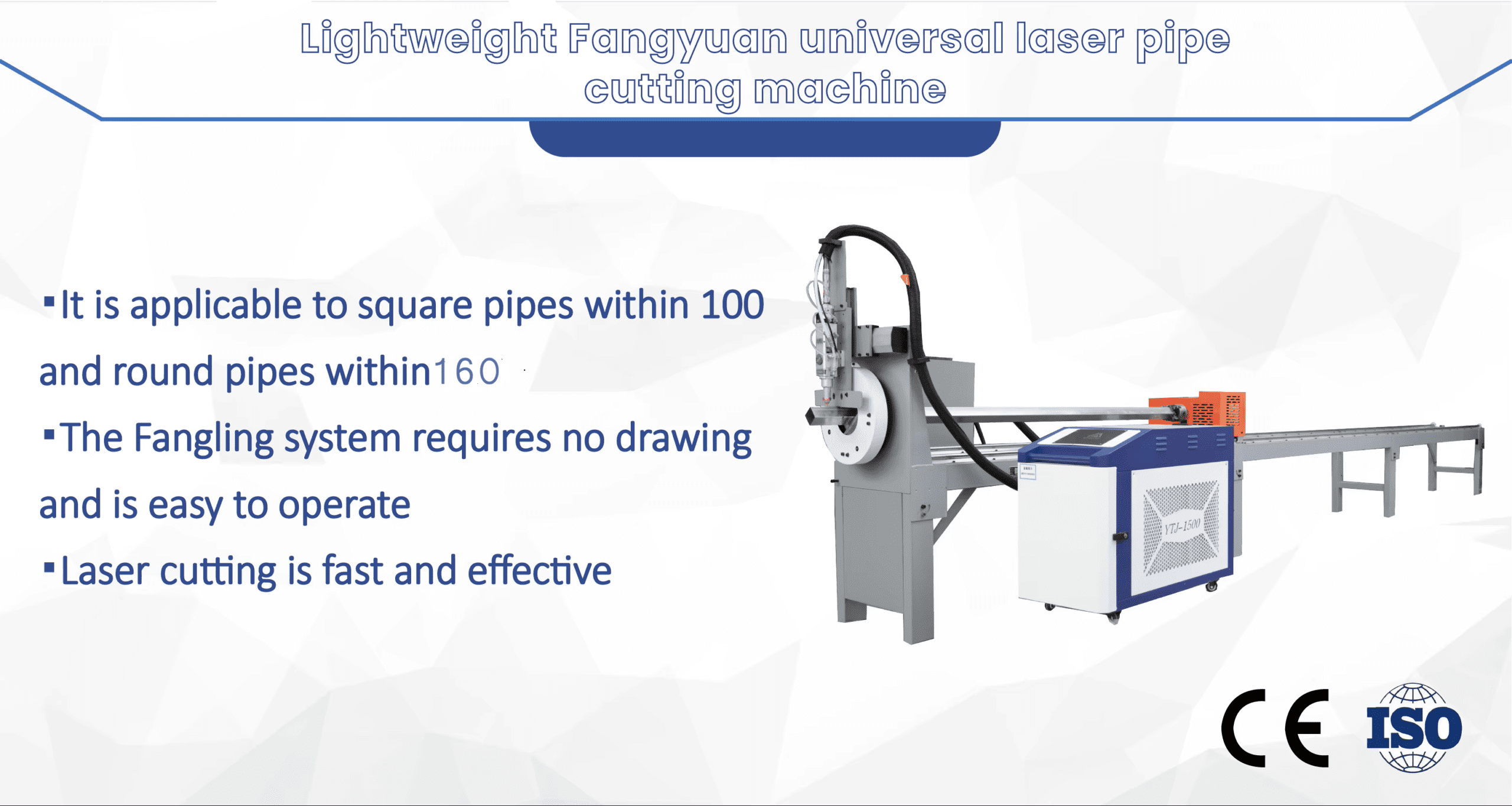 laser cutting machine MAK160″ style=”max-width: 100%; height: auto; margin: 20px 0;”>
Material Thickness and Speed Optimization
For a 2kW system, the “sweet spot” for aluminum tube laser cutting lies between 1mm and 5mm wall thickness. While the machine can often handle up to 6mm or 8mm at slower speeds, the efficiency peaks in the medium-gauge range. In Queretaro’s competitive manufacturing environment, maximizing “inches per minute” (IPM) is essential for maintaining healthy margins. At 2kW, a 2mm aluminum tube can be processed at speeds that make mechanical alternatives obsolete, ensuring that high-volume orders for the aerospace or solar energy sectors are met with precision.
Technical Specifications of the 2kW Tube Laser Cutter
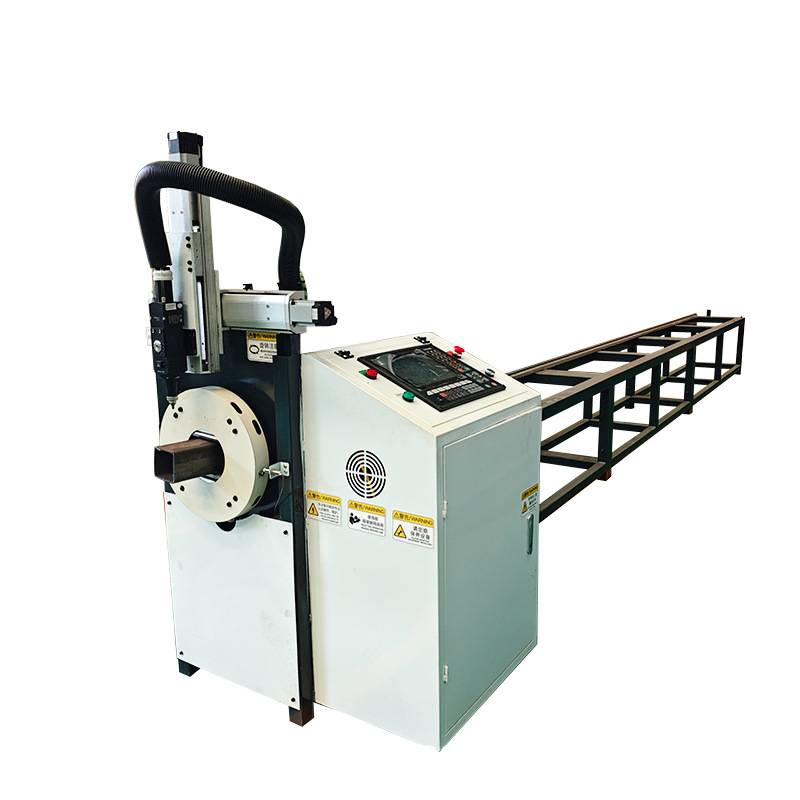
The modern 2kW tube laser cutter is a marvel of mechatronics. It integrates a fiber laser source, a cutting head with auto-focus capabilities, and a sophisticated chuck system that rotates and feeds the tube through the cutting zone. For Queretaro-based operators, understanding these components is vital for troubleshooting and process optimization.
The Fiber Laser Source
The 2kW source is usually a solid-state unit that requires minimal maintenance compared to gas lasers. It is characterized by high wall-plug efficiency, meaning it converts a higher percentage of electrical power into laser light. This is a significant cost factor in Queretaro, where industrial electricity rates can fluctuate. The stability of the 2kW beam ensures that the laser cutting process remains consistent over long production runs, which is critical for maintaining IATF 16949 standards in automotive parts production.
Automatic Chucking and Centering
Tube laser cutting involves unique challenges regarding material straightness and concentricity. Aluminum tubes, especially those extruded in large batches, may have slight bows or twists. A high-quality 2kW machine features pneumatic or electric chucks that automatically center the workpiece. This ensures that the laser cutting head maintains a constant standoff distance, which is paramount when working with reflective aluminum alloys where focal point accuracy determines the quality of the finish.
The Queretaro Advantage: Local Industry Applications
Queretaro is home to several specialized industrial parks, such as Parque Industrial Querétaro and Aerotech Industrial Park. The demand for 2kW tube laser cutting in these zones is driven by specific sectoral needs. The ability to cut round, square, rectangular, and even custom-profiled aluminum tubes on a single machine provides local shops with immense flexibility.
Aerospace and Lightweighting
The aerospace cluster in Queretaro requires components that meet stringent weight and strength requirements. Aluminum 7075 and 2024 alloys are common, and the 2kW laser cutting process allows for the creation of intricate weight-reduction patterns in structural tubing. The precision of the fiber laser ensures that the heat-affected zone (HAZ) is minimized, preserving the structural integrity of the alloy.
Automotive Sub-assemblies
As the automotive industry shifts toward Electric Vehicles (EVs), the need for lightweight aluminum frames and battery housings has surged. 2kW laser cutting is the primary method for fabricating the aluminum tubular structures used in seat frames, dashboards, and cooling systems. Local suppliers in Queretaro leverage these machines to provide just-in-time (JIT) delivery to major assembly plants in the region.
Operational Best Practices for Aluminum Tube Cutting
Achieving a mirror-like finish on an aluminum cut requires more than just high power; it requires a deep understanding of the laser cutting parameters. Operators in Queretaro must be trained to balance gas pressure, nozzle selection, and frequency modulation.
Assist Gas Selection: Nitrogen vs. Compressed Air
For high-quality aluminum laser cutting, Nitrogen is the preferred assist gas. It acts as a shielding agent, preventing the molten aluminum from reacting with oxygen. This results in a clean, oxide-free edge that is ready for secondary processes like welding or anodizing. While some shops use high-pressure compressed air to reduce costs, this can lead to a slightly rougher edge and oxidation, which may not be acceptable for high-end aerospace components produced in Queretaro.
Nozzle Geometry and Maintenance
The nozzle directs the assist gas and protects the internal optics from back-splatter. When laser cutting aluminum, “double nozzles” are often used to create a more stable gas flow. Given the reflectivity of aluminum, the protective window of the laser head must be inspected frequently. In the dusty environments of some industrial zones in Queretaro, maintaining a clean room environment for the laser source and optics is a best practice that extends the life of the 2kW system.
Software and Nesting for Tube Processing
The efficiency of 2kW laser cutting is significantly enhanced by CAD/CAM software tailored for tube processing. Modern software allows for “common line cutting,” where two parts share a single cut line, reducing material waste and processing time. In Queretaro, where material costs for high-grade aluminum alloys can be high, optimizing the nesting of parts on a 6-meter or 9-meter tube is essential for profitability.
Complex Geometry and Intersections
One of the greatest advantages of tube laser cutting is the ability to create complex “fish-mouth” joints and interlocking tabs. This simplifies the subsequent welding process, as the parts fit together with high precision. For Queretaro’s architectural and furniture manufacturers, this means faster assembly times and a higher quality final product without the need for expensive manual grinding or fitting.
Maintenance and Safety Considerations
Operating a 2kW fiber laser in an industrial setting like Queretaro requires a robust maintenance schedule and strict safety protocols. Fiber lasers are Class 4 laser products, meaning the beam is invisible and can cause permanent eye damage or fire if not properly managed.
Cooling Systems and Chiller Maintenance
The 2kW laser source and the cutting head generate significant heat during operation. A dual-circuit water chiller is used to maintain a constant temperature. In Queretaro’s climate, which can see high temperatures during the summer, ensuring the chiller is properly sized and the coolant is free of contaminants is vital. Overheating can lead to a shift in the laser’s wavelength or power output, negatively impacting the laser cutting quality on sensitive aluminum alloys.
Dust Extraction and Filtration
Laser cutting aluminum produces a fine metallic dust that is not only a respiratory hazard but can also be explosive under certain conditions (aluminum dross). A high-capacity dust extraction system with spark arrestors is a non-negotiable component of a 2kW tube laser setup. Facilities in Queretaro must adhere to local environmental and safety regulations regarding the disposal of this byproduct.
Economic Impact and ROI for Queretaro Fabricators
The investment in a 2kW tube laser cutter is significant, but the Return on Investment (ROI) in a high-demand area like Queretaro is often realized within 18 to 24 months. By consolidating multiple operations—sawing, drilling, milling, and deburring—into a single laser cutting process, shops can drastically reduce labor costs and lead times.
Increasing Market Competitiveness
With a 2kW system, a small-to-medium enterprise (SME) in Queretaro can compete for contracts that were previously only accessible to large-scale manufacturers. The ability to offer precision laser cutting of aluminum tubes allows these shops to enter the supply chains of global giants in the aerospace and appliance industries located in the Bajío region. Furthermore, the reduced scrap rate associated with laser technology directly improves the bottom line.
Conclusion: The Future of Laser Cutting in the Bajío
The 2kW tube laser cutter represents the perfect intersection of power, precision, and practicality for processing aluminum alloys. In the vibrant industrial ecosystem of Queretaro, this technology is not just an upgrade; it is a necessity for firms looking to maintain a competitive edge. By mastering the nuances of fiber laser technology, local manufacturers can continue to drive the region’s reputation as a leader in advanced manufacturing and engineering excellence. As the demand for lightweight, high-strength aluminum components continues to grow, the role of 2kW laser cutting will only become more central to the success of Queretaro’s industrial future.
















