
Introduction to 2kW Fiber Laser Technology in Puebla’s Industrial Sector
The industrial landscape of Puebla, Mexico, has undergone a significant transformation over the last decade. As a primary hub for automotive manufacturing, aerospace components, and heavy construction materials, the demand for precision metal fabrication has never been higher. At the center of this technological evolution is the 2kW fiber laser cutting system. This specific power rating—2,000 watts—represents a critical “sweet spot” for small to medium enterprises (SMEs) and large-scale suppliers alike, offering a perfect balance between capital investment and high-speed processing capabilities for sheet metal.
In the context of Puebla’s manufacturing ecosystem, which is dominated by Tier 1 and Tier 2 automotive suppliers, the ability to process galvanized steel with high repeatability and minimal distortion is paramount. Laser cutting technology has largely superseded traditional plasma and mechanical shearing methods due to its superior kerf control and the elimination of secondary finishing processes. This guide explores the technical nuances of utilizing a 2kW fiber laser specifically for galvanized steel within the unique environmental and economic conditions of the Puebla region.
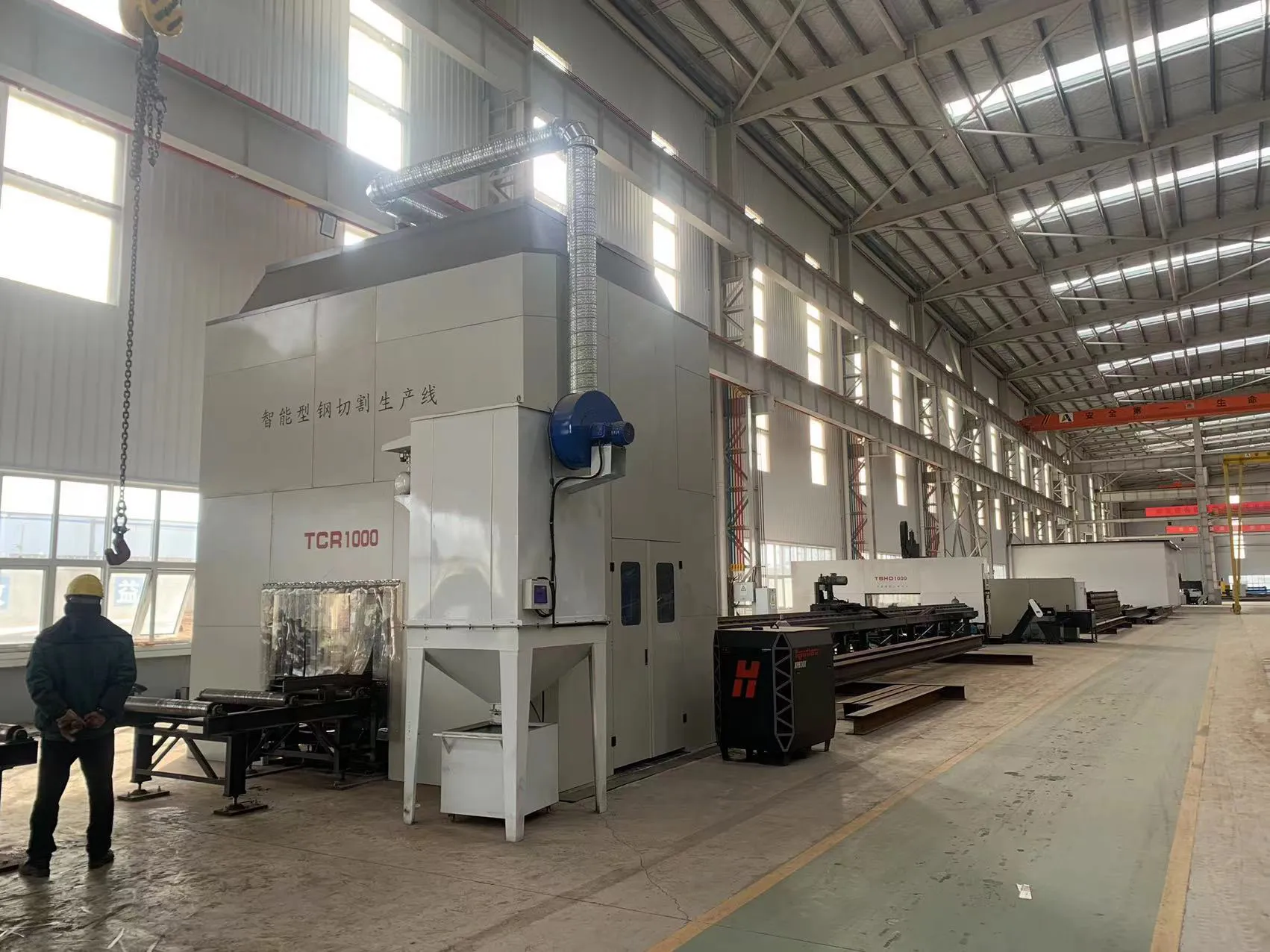
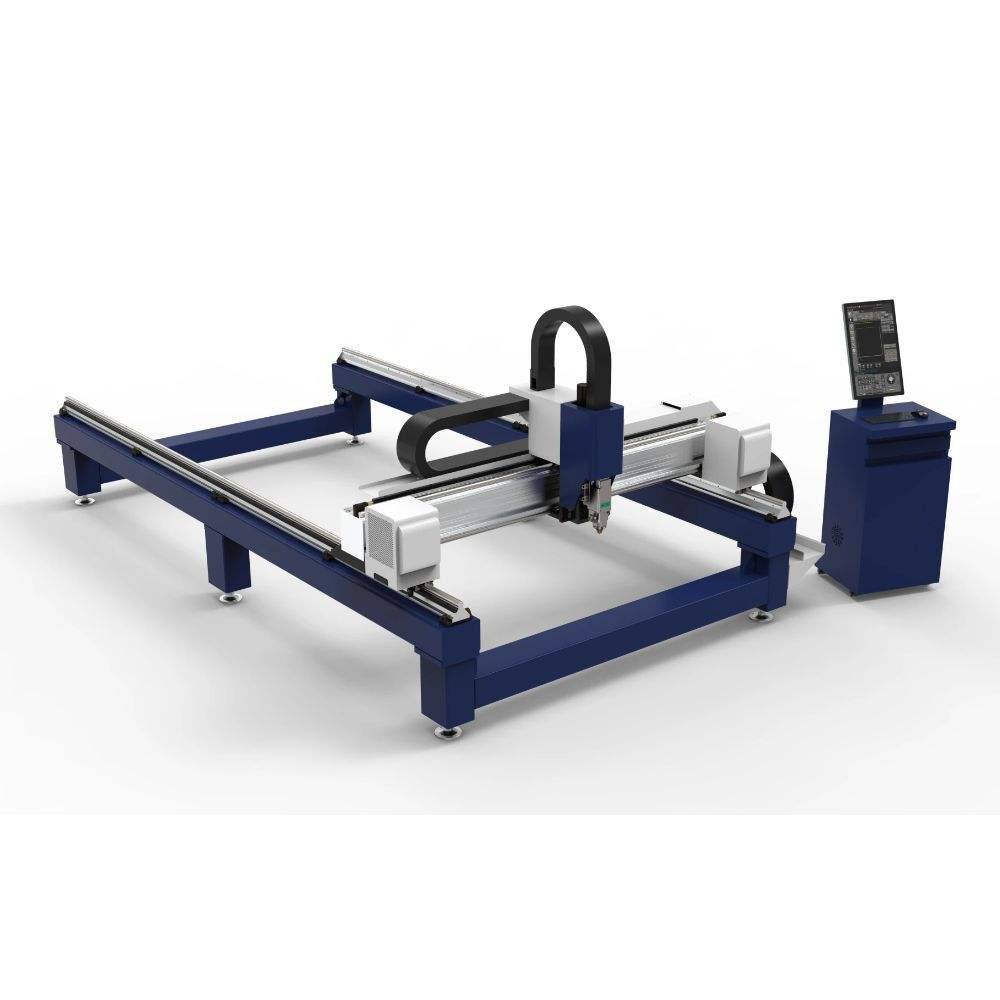
Technical Specifications of the 2kW Fiber Laser
A 2kW fiber laser operates at a wavelength of approximately 1.06 microns. This short wavelength is highly absorbed by metallic surfaces compared to the 10.6 microns of older CO2 lasers. For sheet metal applications, this translates to higher cutting speeds and the ability to process reflective materials with greater safety and efficiency. A 2kW system is typically optimized for sheet thicknesses ranging from 0.5mm to 6mm for galvanized steel, though it can pierce thicker plates of mild steel if necessary.
Beam Quality and Focus
The beam quality, often measured by the M2 factor, determines how tightly the laser can be focused. In a 2kW system, a high-quality beam allows for a very small spot size, which increases the power density at the point of contact. This is essential for laser cutting galvanized steel, as the laser must rapidly vaporize the zinc coating before melting the underlying steel substrate. Precision focus ensures that the heat-affected zone (HAZ) remains narrow, preserving the structural integrity of the part.
Drive Systems and Acceleration
In the competitive Puebla market, throughput is everything. Most 2kW machines are equipped with high-precision linear motors or rack-and-pinion systems capable of accelerations up to 1.5G. When cutting complex geometries in sheet metal, the ability of the machine to maintain accuracy during rapid directional changes is what separates industrial-grade equipment from entry-level tools. This is particularly vital for the automotive brackets and HVAC ductwork commonly produced in the region.
The Challenges of Cutting Galvanized Steel
Galvanized steel is mild steel coated with a layer of zinc to prevent corrosion. While excellent for longevity, this coating presents unique challenges for laser cutting. The boiling point of zinc (approx. 907°C) is significantly lower than the melting point of steel (approx. 1500°C). As the laser moves, the zinc layer vaporizes violently, which can interfere with the stability of the laser beam and the assist gas flow.
Zinc Vapor and Spatter
One of the primary issues engineers face in Puebla workshops is the accumulation of zinc oxide on the laser nozzle. As the zinc vaporizes, it can blow back and solidify on the nozzle tip or the protective window. This changes the gas flow dynamics and can lead to “dross”—unmelted metal adhering to the bottom of the cut. To mitigate this, 2kW systems require precise nozzle height control and high-pressure assist gases to clear the kerf effectively.
Fume Management
Health and safety regulations in Mexico, governed by STPS (Secretaría del Trabajo y Previsión Social), are increasingly stringent regarding air quality. Cutting galvanized steel releases zinc oxide fumes, which can cause “metal fume fever” if inhaled. A robust filtration and extraction system is not an optional add-on for a 2kW laser in Puebla; it is a core requirement of the installation to ensure a safe working environment and compliance with local environmental standards.
Optimizing the Laser Cutting Process in Puebla
Operating a fiber laser in Puebla requires adjustments for the local climate and altitude. Puebla sits at approximately 2,135 meters above sea level. The lower atmospheric pressure can affect the cooling efficiency of chillers and the behavior of assist gases. Engineers must calibrate their 2kW systems to account for these variables to maintain consistent edge quality.
Assist Gas Selection: Oxygen vs. Nitrogen
The choice of assist gas is the most significant factor in the quality of the laser cutting edge. For galvanized steel, two primary strategies are used:
- Oxygen (O2): Acts as an exothermic heat source, increasing cutting speed. However, it leaves an oxidized edge that may require cleaning if the part is to be painted or powder-coated. In Puebla’s construction sector, where speed is often prioritized over aesthetic finish, oxygen is frequently used for thicker galvanized sheets.
- Nitrogen (N2): Uses high pressure to blow away molten metal without a chemical reaction. This results in a clean, silver edge that is ready for immediate welding or painting. For the high-end automotive components produced for the Volkswagen and Audi supply chains in Puebla, nitrogen is the industry standard, despite the higher cost per cubic meter.
Nozzle Selection and Stand-off Distance
For a 2kW laser, using a double-layer nozzle is often recommended for galvanized materials. This design helps stabilize the gas flow and protects the internal optics from zinc back-splash. Maintaining a consistent stand-off distance (the gap between the nozzle and the metal) of 0.5mm to 1.0mm is crucial. Capacitive height sensing technology allows the machine to follow the natural undulations of sheet metal, preventing nozzle crashes and ensuring a uniform cut.
Economic Impact for Puebla’s Metalworking Industry
The adoption of 2kW fiber lasers has democratized high-precision manufacturing in Puebla. Previously, only large corporations could afford the maintenance and power requirements of high-wattage CO2 lasers. Today, a 2kW fiber system offers significantly lower operational costs. Fiber lasers are approximately 30% to 40% more energy-efficient than their CO2 predecessors, a vital factor given the fluctuating energy costs in Central Mexico.
ROI and Market Competitiveness
For a local workshop in Puebla, the return on investment (ROI) for a 2kW system is typically realized within 18 to 24 months. By bringing laser cutting in-house, shops can eliminate the lead times associated with outsourcing, reduce material waste through advanced nesting software, and offer tighter tolerances to their clients. This capability is essential for securing contracts in the burgeoning aerospace corridor of the Bajío and Central regions.
Maintenance and Long-term Reliability
To maintain peak performance of a 2kW laser in an industrial environment like Puebla, a rigorous maintenance schedule is required. The region’s dust and volcanic ash (from Popocatépetl) can be detrimental to sensitive optical components and mechanical rails if not properly managed.
Optical Path Integrity
While fiber lasers have a “sealed” beam path compared to CO2 lasers, the external optics—specifically the protective window (cover glass)—must be inspected daily. Any contamination from zinc spatter or ambient dust will absorb laser energy, heat up, and eventually crack, potentially damaging the expensive cutting head. Using high-purity gases and maintaining a clean-room environment for lens changes is standard engineering practice.
Cooling Systems
The chiller is the heart of the 2kW system, regulating the temperature of both the laser source and the cutting head. In Puebla’s temperate but variable climate, the chiller must be capable of maintaining a constant temperature within ±1°C. Using deionized water and specialized additives prevents algae growth and corrosion within the internal cooling channels, ensuring the laser source operates within its optimal thermal window.
Conclusion: The Future of Metal Fabrication in Puebla
The 2kW sheet metal laser has proven to be a transformative tool for the Puebla industrial sector. Its ability to handle the complexities of galvanized steel—ranging from thin-gauge HVAC components to robust automotive structural parts—makes it an indispensable asset. As the region continues to grow as a global manufacturing powerhouse, the integration of fiber laser cutting technology will remain a cornerstone of industrial efficiency and precision.
By understanding the metallurgical challenges of zinc coatings, optimizing assist gas parameters for high-altitude operation, and maintaining strict adherence to safety and maintenance protocols, engineers in Puebla can maximize the potential of their 2kW systems. The result is a more competitive local industry, capable of meeting the highest international standards of quality and productivity.
















