Introduction to 2kW laser cutting in the Mexican Industrial Landscape
In the heart of Mexico’s manufacturing sector, Mexico City (CDMX) and its surrounding metropolitan areas like Naucalpan, Tlalnepantla, and Vallejo have seen a significant technological shift. The adoption of the 2kW fiber laser cutting system has become a cornerstone for small to medium-sized enterprises (SMEs) specializing in sheet metal fabrication. This specific power rating—2,000 watts—offers an optimal balance between capital investment and processing capability, particularly when handling one of the region’s most common materials: galvanized steel.
Galvanized steel, known for its corrosion resistance thanks to its zinc coating, is a staple in the Mexican construction, HVAC, and automotive industries. However, laser cutting this material presents unique engineering challenges that are further complicated by the geographic and atmospheric conditions of Mexico City. This guide provides a technical deep dive into optimizing 2kW laser cutting operations for galvanized sheet metal within the high-altitude environment of the Valley of Mexico.

Technical Specifications of the 2kW Fiber Laser
A 2kW fiber laser source produces a high-density beam with a wavelength typically around 1.06 microns. At this power level, the machine is exceptionally efficient at processing thin to medium-gauge sheet metal. For galvanized steel, a 2kW system can comfortably handle thicknesses ranging from 0.5mm to 4.0mm with high precision and speed. The “fiber” technology is superior to older CO2 systems because the beam is delivered via a flexible fiber optic cable, maintaining high beam quality (BPP) and allowing for a smaller spot size, which is critical for the intricate geometries often required in modern Mexican architectural and industrial designs.
Processing Galvanized Steel: The Zinc Challenge
Galvanized steel is essentially carbon steel coated with a layer of zinc. While the zinc protects the underlying metal from the oxidation common in CDMX’s rainy seasons, it complicates the laser cutting process. Zinc has a much lower melting point (approx. 419°C) and boiling point (approx. 907°C) than the base steel (approx. 1500°C). When the laser beam hits the surface, the zinc vaporizes before the steel melts.
Managing Zinc Vapor and Dross
During the laser cutting of galvanized sheets, the vaporized zinc can interfere with the laser beam’s stability and contaminate the protective windows of the cutting head. Furthermore, the molten zinc can mix with the molten steel at the bottom of the kerf, leading to the formation of “dross” or burrs. In a 2kW system, managing the “stand-off” distance and the focal point is essential to ensure that the vapor is pushed away from the cut zone effectively.
Assist Gas Selection: Oxygen vs. Nitrogen
The choice of assist gas is the most critical variable in Mexico City’s fabrication shops.
- Oxygen (O2): Often used for thicker sheets. The exothermic reaction between oxygen and the steel adds thermal energy, allowing for faster cutting. However, it results in a charred, oxidized edge that requires cleaning before painting or welding.
- Nitrogen (N2): For high-quality galvanized parts, nitrogen is the preferred choice. It acts as a mechanical force to blow away molten material without causing oxidation. This leaves a clean, shiny edge. Given the 2kW power limit, nitrogen cutting of galvanized steel is typically most effective for sheets up to 2.5mm or 3.0mm.
The Mexico City Factor: Altitude and Atmospheric Pressure
Operating a 2kW laser cutting machine in Mexico City requires adjustments that a technician in a coastal city like Veracruz or Mazatlán might ignore. CDMX sits at an average elevation of 2,240 meters (7,350 feet). This high altitude results in lower atmospheric pressure and lower air density.
Impact on Cooling Systems
Fiber lasers are highly sensitive to temperature. The chillers used to cool the 2kW laser source and the cutting head rely on heat exchange with the ambient air. At higher altitudes, the thinner air is less efficient at carrying heat away. Engineering teams in CDMX must ensure that chillers are slightly oversized or have enhanced airflow to prevent “thermal tripping,” which can halt production during the hot afternoons of the estiaje (dry season).
Compressed Air and Gas Dynamics
If the shop uses compressed air as an assist gas, the altitude affects the compressor’s efficiency. A compressor in Mexico City must work harder to achieve the same PSI/Bar levels as one at sea level. For 2kW laser cutting, where high-pressure nitrogen or air is often used to clear the zinc-rich melt, ensuring a stable gas flow is paramount. Fluctuations in pressure due to altitude-related compressor lag can lead to inconsistent cut quality and increased dross on galvanized parts.
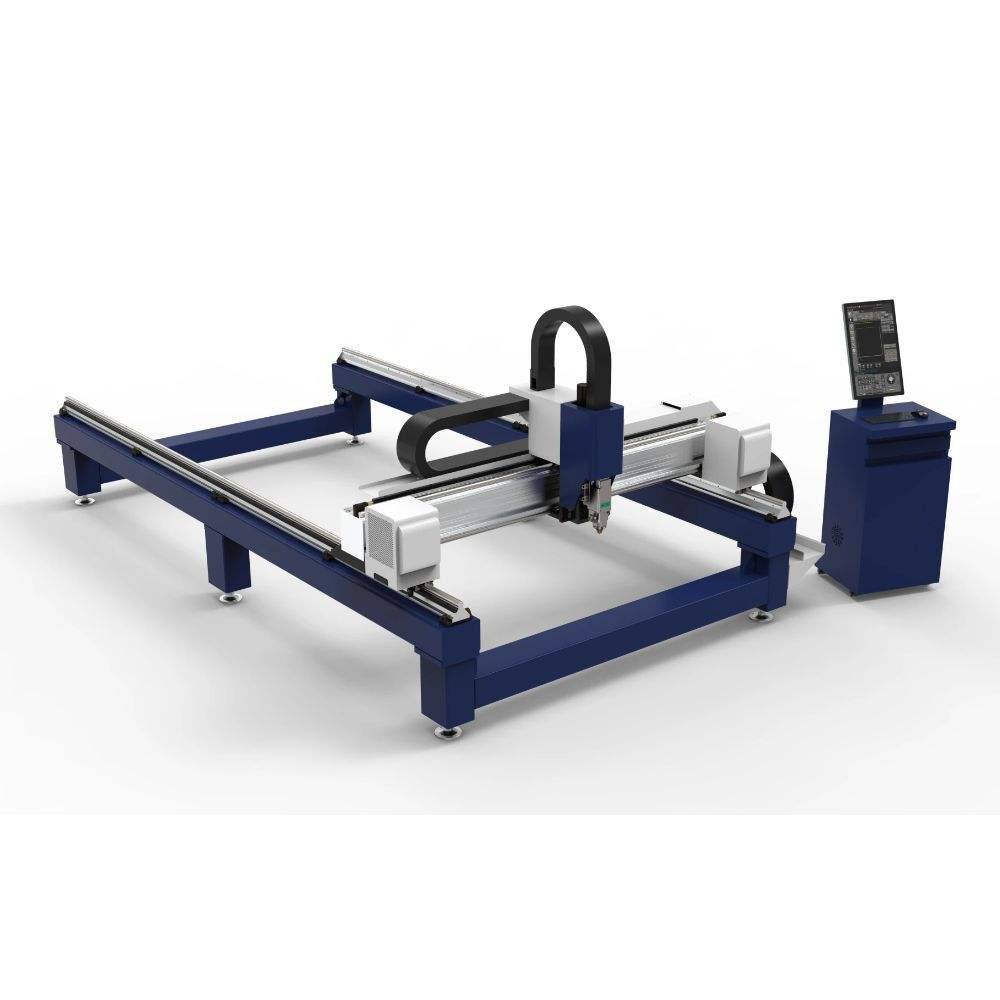
Optimization Parameters for 2kW Systems
To achieve the best results on galvanized steel, operators in Mexico City should adhere to specific parameter sets tailored for 2kW fiber sources. These parameters focus on minimizing the “heat affected zone” (HAZ) and protecting the optics from zinc splatter.
Focal Position and Nozzle Selection
For galvanized steel, the focal point is usually set slightly below the surface of the material when using nitrogen. This helps in widening the bottom of the kerf to allow the zinc-steel mixture to exit freely. Nozzle selection is equally important; a double-layer nozzle is often recommended for oxygen cutting, while a larger diameter single-layer nozzle is preferred for high-pressure nitrogen cutting to ensure a high-volume gas flow.
Cutting Speed and Feed Rates
In a 2kW system, speed is your ally against zinc. Cutting too slowly allows heat to build up, which vaporizes more zinc than necessary and can lead to “self-burning” of the material. For 1.5mm galvanized sheet, a 2kW laser cutting machine can typically achieve speeds of 15-20 meters per minute using nitrogen. Precision tuning of the lead-in and lead-out paths is also necessary to prevent “blowouts” at the corners, a common issue in thin-gauge galvanized ductwork fabrication.
Maintenance Protocols for the CDMX Environment
The environmental conditions in Mexico City—characterized by high particulate matter and varying humidity—necessitate a rigorous maintenance schedule for 2kW laser cutting equipment. For galvanized steel processing, the maintenance load is even higher due to the corrosive nature of zinc dust.
Optical Health and Zinc Contamination
The vaporization of zinc creates a fine, conductive dust. If the cutting head’s seal is not perfect, this dust can settle on the protective lens. Even a microscopic layer of zinc dust can absorb laser energy, leading to thermal lens deformation or a catastrophic lens crack. In CDMX, where dust levels are naturally higher, lenses should be inspected every shift and cleaned with high-purity isopropyl alcohol.
Filtration and Ventilation
Cutting galvanized steel produces zinc oxide fumes, which are toxic (leading to “metal fume fever”). High-efficiency particulate air (HEPA) filtration systems are mandatory. In the high-altitude environment of Mexico City, the extraction fans must be calibrated to handle the lower air density to ensure that fumes are effectively pulled away from the operator and the machine’s internal components.
Economic Considerations for Fabricators in Mexico
The 2kW laser cutting machine represents a “sweet spot” for the Mexican market. While 6kW or 12kW machines offer higher speeds for thick plate, the 2kW unit’s lower electricity consumption is a significant advantage given the rising energy costs in the Mexican industrial sector. Furthermore, the ability to process galvanized steel efficiently allows shops to bid for lucrative contracts in the Mexican construction sector, specifically for roofing, cladding, and HVAC systems.
Return on Investment (ROI)
For a typical workshop in Iztapalapa or Tlalnepantla, the ROI on a 2kW fiber laser cutting machine is often realized within 18 to 24 months. This is driven by the reduction in secondary finishing processes. Unlike plasma cutting, which leaves a heavy dross on galvanized steel, the 2kW fiber laser produces a part that is often ready for assembly immediately. In the competitive “maquila” environment, this speed-to-market is a critical differentiator.
Conclusion
The 2kW sheet metal laser is a transformative tool for the Mexican metalworking industry. By understanding the specific metallurgical challenges of galvanized steel and the atmospheric challenges of Mexico City’s altitude, engineers can maximize the efficiency and longevity of their equipment. Precision laser cutting of galvanized materials is no longer a specialty service but a standard requirement, and the 2kW fiber laser remains the most reliable and cost-effective solution for achieving world-class results in the heart of Mexico.