
Introduction to 2kW laser cutting in the Leon Industrial Sector
The industrial landscape of Leon, Guanajuato, has undergone a massive transformation over the last decade. Historically known as the “Shoe Capital of the World,” the region has successfully diversified into the automotive, aerospace, and heavy machinery sectors. Central to this evolution is the adoption of advanced fabrication technologies, specifically the 2kW fiber laser. For local manufacturers, the 2kW sheet metal laser represents the “sweet spot” of efficiency—offering enough power to handle structural components while maintaining the precision required for intricate decorative and functional parts.
In the context of Leon’s manufacturing hub, the demand for galvanized steel processing has surged. Galvanized steel, prized for its corrosion resistance, is a staple in automotive chassis components, HVAC ducting, and construction brackets. However, processing this material requires a nuanced understanding of laser physics. This guide provides a comprehensive technical overview of utilizing a 2kW system for laser cutting galvanized steel, ensuring local shops can maximize their throughput and quality.
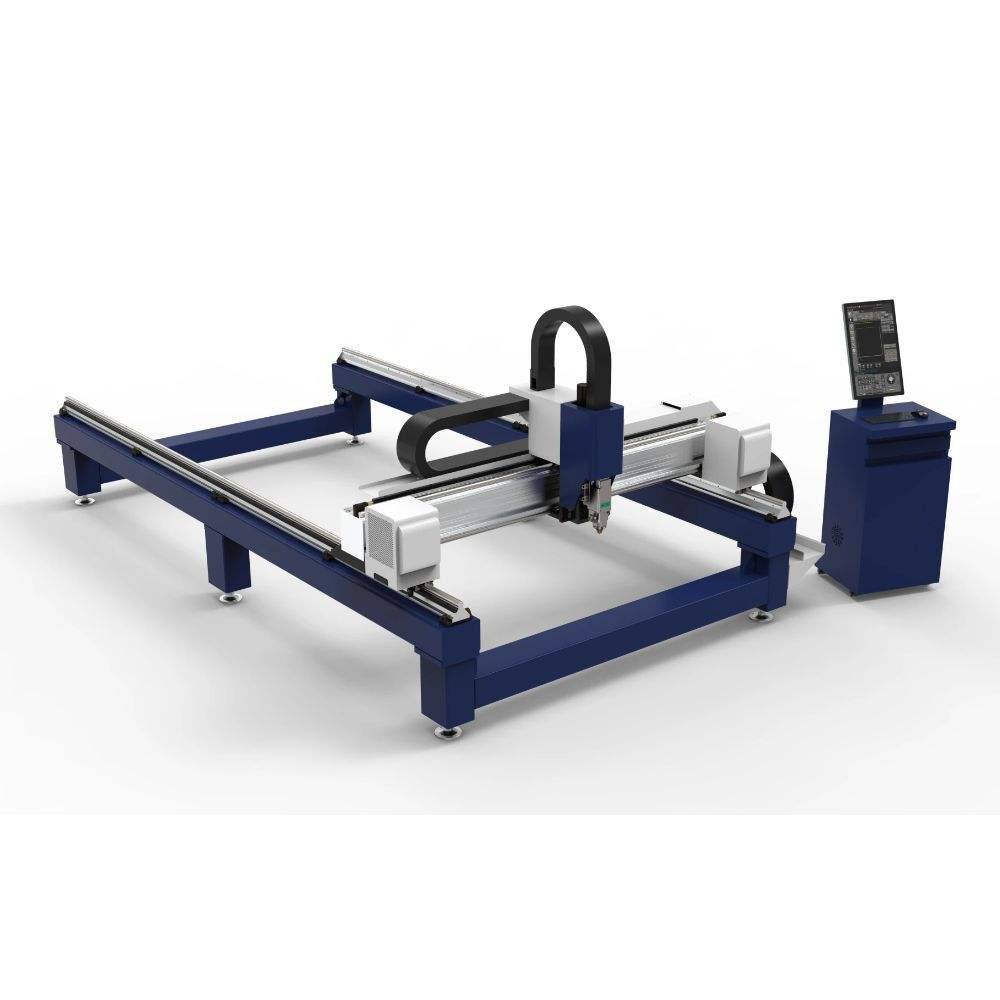
 laser cutting machine” style=”width: 100%; max-width: 800px; height: auto; margin: 20px 0;”>
The Physics of 2kW Fiber Lasers
A 2kW fiber laser operates by generating a high-intensity beam through a series of laser diodes, which is then amplified in a fiber optic cable doped with rare-earth elements like ytterbium. The resulting beam has a wavelength of approximately 1.06 microns. This short wavelength is highly absorbed by metallic surfaces, making it significantly more efficient than older CO2 technology for laser cutting reflective and coated materials.
For a 2kW system, the power density at the focal point is immense. This allows for high-speed processing of thin to medium-gauge sheet metal. In Leon’s competitive market, speed is a primary differentiator. A 2kW source can comfortably cut 1mm to 4mm galvanized steel at speeds that satisfy high-volume production schedules without the massive electricity overhead associated with 6kW or 10kW “ultra-high power” systems.
Processing Galvanized Steel: The Zinc Challenge
Galvanized steel is essentially carbon steel coated with a layer of zinc. While this coating provides excellent protection against oxidation, it introduces significant variables into the laser cutting process. Zinc has a much lower melting point (approx. 419°C) and boiling point (approx. 907°C) compared to the underlying steel (approx. 1500°C).
Vaporization and Plasma Formation
When the laser hits the material, the zinc coating vaporizes before the steel melts. This vapor can interfere with the laser beam’s stability and can lead to “spatter” or “dross” on the underside of the cut. In Leon’s fabrication shops, the most common issue reported is the “fuming” effect, where the vaporized zinc creates a cloud that can contaminate the protective window of the laser head. High-quality 2kW systems mitigate this through optimized nozzle designs and high-pressure gas delivery.
Assist Gas Selection: Nitrogen vs. Oxygen
The choice of assist gas is critical when laser cutting galvanized steel in an industrial setting. For most 2kW applications in Leon, Nitrogen is the preferred choice. Nitrogen acts as a shielding gas, blowing away the molten metal and zinc vapor without allowing an exothermic reaction. This results in a “clean” or “bright” cut edge that requires no post-processing before welding or painting.
Oxygen can be used for thicker sections of the base steel, but it often leads to oxidation of the edge and can cause the zinc to flare up, resulting in a rougher finish. Given the aesthetic and functional requirements of Leon’s automotive suppliers, Nitrogen at high pressure (typically 12-18 bar) is the standard for 2kW operations.
Optimizing 2kW Parameters for Local Production
To achieve the best results in the Leon climate—where altitude and humidity can slightly affect gas density—operators must fine-tune their machine parameters. A 2kW fiber laser offers a versatile range, but the following factors are non-negotiable for galvanized sheet metal.
Focal Position and Nozzle Size
For galvanized steel, the focal point is usually set slightly below the surface of the material. This ensures that the energy is concentrated where the melt pool forms, helping to push the vaporized zinc through the kerf. Nozzle selection is equally vital; a double-layer nozzle is often recommended for laser cutting coated steels as it provides a more stable gas flow, reducing the turbulence that causes dross.
Feed Rate and Power Modulation
At 2kW, a 1.5mm galvanized sheet can be cut at speeds exceeding 20 meters per minute. However, pushing the machine to its absolute limit can result in “micro-joints” or slag. Local engineers recommend running at 85-90% of the maximum theoretical speed to maintain edge perpendicularity. Power modulation is also used during cornering; the CNC controller reduces power as the machine slows down for a turn, preventing the “over-burn” that often occurs in thin galvanized sheets.
Health, Safety, and Environmental Considerations in Leon
The laser cutting of galvanized steel produces zinc oxide fumes. These fumes are not only a nuisance but a health hazard, potentially causing “metal fume fever” if not properly managed. For shops in Leon, compliance with SEMARNAT and local environmental regulations is mandatory.
Advanced Filtration Systems
A 2kW laser installation must be paired with a high-capacity dust collector and filtration system. Because zinc oxide particles are extremely fine, HEPA-grade filters are often required. Furthermore, the internal cabinet of the laser should maintain a negative pressure environment to ensure that no fumes escape into the shop floor, protecting the health of the operators and the longevity of the surrounding machinery.
Reflective Back-Reflection Protection
Galvanized steel is more reflective than standard cold-rolled steel. While fiber lasers are better equipped to handle reflections than CO2 lasers, a 2kW system should still be monitored for back-reflection. Modern fiber sources include optical isolators that protect the laser diodes from damage caused by light bouncing back up the delivery fiber. This is particularly important when piercing the material, as the initial reflection is at its highest.
The Economic Impact for Leon Fabricators
Investing in a 2kW laser cutting system provides a significant Return on Investment (ROI) for small to medium enterprises (SMEs) in Leon. Compared to outsourcing or using traditional punching and shearing methods, in-house laser processing reduces lead times from weeks to days.
Cost per Part Analysis
The 2kW power level is highly cost-effective regarding “cost per meter.” It consumes less nitrogen than higher-power machines while maintaining competitive speeds on the gauges most commonly used in the local footwear and construction industries (0.8mm to 3.0mm). By reducing the need for secondary grinding or cleaning of the galvanized edge, labor costs are slashed by up to 40%.
Versatility and Market Expansion
A 2kW machine is not limited to galvanized steel. Leon shops can easily pivot to stainless steel for the food processing industry or aluminum for the automotive sector. This versatility allows businesses to bid on a wider array of contracts, ensuring the machine remains a profit center rather than a specialized tool that sits idle. The ability to switch between materials with a simple change of gas and parameter settings is the hallmark of the modern fiber laser cutting workflow.
Maintenance Protocols for Longevity
To ensure the 2kW laser maintains its precision in the industrial environment of Leon, a rigorous maintenance schedule is required. The presence of zinc dust makes this even more critical than when cutting clean carbon steel.
Daily and Weekly Checks
- Optical Path: Inspect the protective window daily. Any speck of zinc dust can be burned onto the glass by the 2kW beam, leading to a cracked lens or damaged cutting head.
- Slat Cleaning: Galvanized dross tends to build up on the support slats faster than standard steel. Clean slats prevent “back-splash” marks on the underside of the sheet.
- Chiller Maintenance: The 2kW source and the cutting head are water-cooled. Ensure the conductivity of the coolant is within the manufacturer’s specs to prevent internal corrosion.
Conclusion: The Future of Fabrication in Leon
The 2kW sheet metal laser has become an indispensable tool for the Leon manufacturing community. Its ability to precisely handle the complexities of galvanized steel makes it a cornerstone of modern production. As the region continues to attract international investment, the adoption of high-efficiency laser cutting technology will be the deciding factor in which local shops thrive. By mastering the technical parameters, safety requirements, and maintenance needs of these systems, Leon’s fabricators are well-positioned to remain leaders in the global supply chain.
Whether you are producing structural components for a new warehouse in the Silao corridor or intricate parts for the automotive plants in the Bajío, the 2kW fiber laser offers the perfect balance of power, precision, and profitability. As technology advances, we can expect these systems to become even more integrated with AI-driven nesting and automated loading, further cementing Leon’s status as a hub of industrial excellence.
















