
Mastering 2kW laser cutting for Carbon Steel in Toluca’s Industrial Sector
The industrial landscape of Toluca, State of Mexico, represents one of the most significant manufacturing hubs in North America. As a center for automotive, aerospace, and heavy machinery production, the demand for precision metal fabrication has never been higher. At the heart of this evolution is the 2kW fiber laser cutting machine. This specific power rating—2,000 watts—has emerged as the “industrial workhorse” for small to medium enterprises (SMEs) and Tier 2 suppliers who require a balance between capital investment and high-performance output, particularly when processing carbon steel.
Laser cutting technology has transitioned from a luxury to a necessity in the Toluca-Lerma industrial corridor. With the pressure of just-in-time manufacturing and the stringent quality standards of the USMCA (T-MEC) trade agreement, local fabricators must leverage tools that offer repeatability, speed, and minimal material waste. The 2kW sheet metal laser is uniquely positioned to handle the most common gauges of carbon steel used in structural brackets, automotive frames, and electrical enclosures.
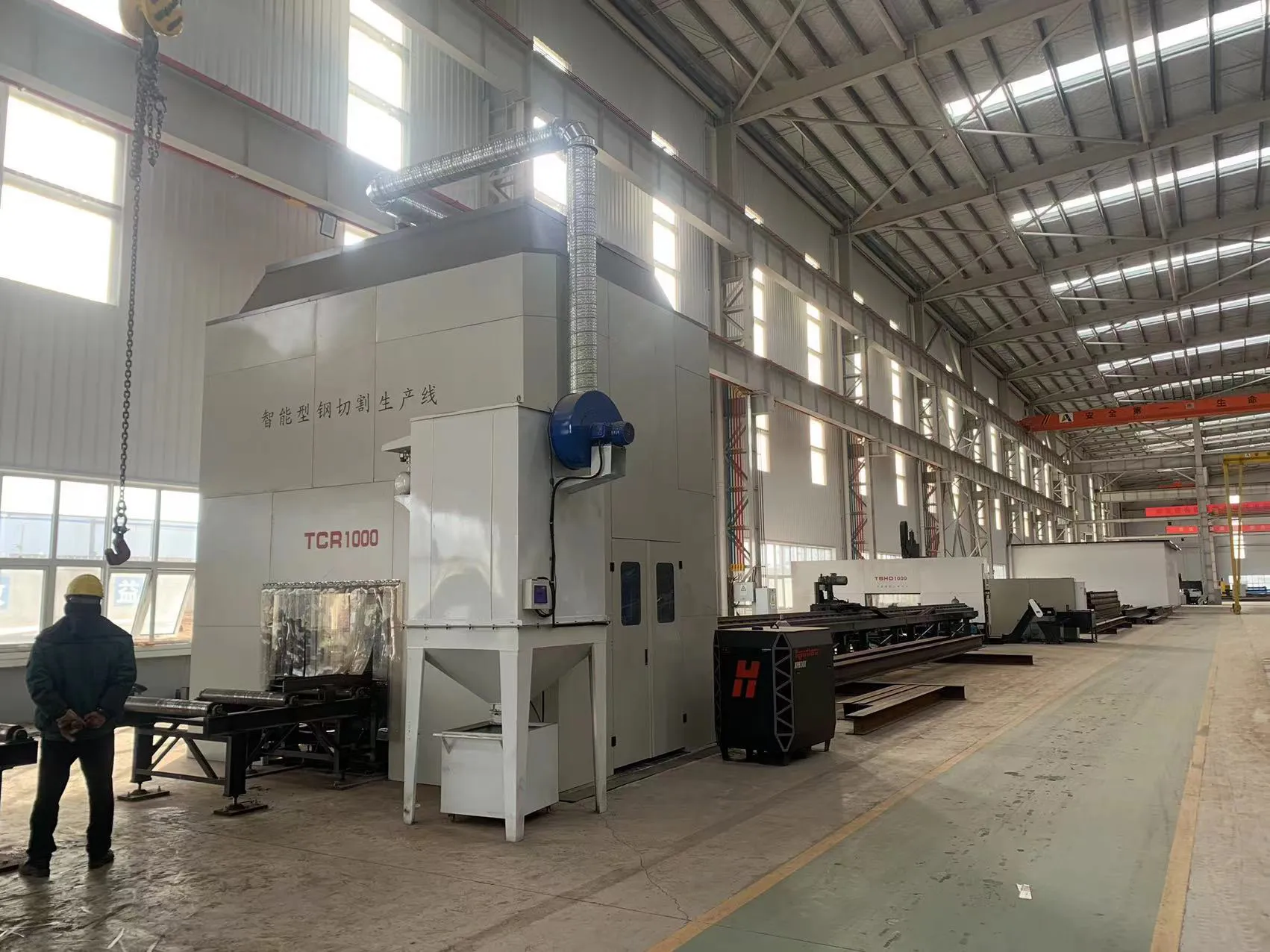
The Technical Superiority of 2kW Fiber Lasers
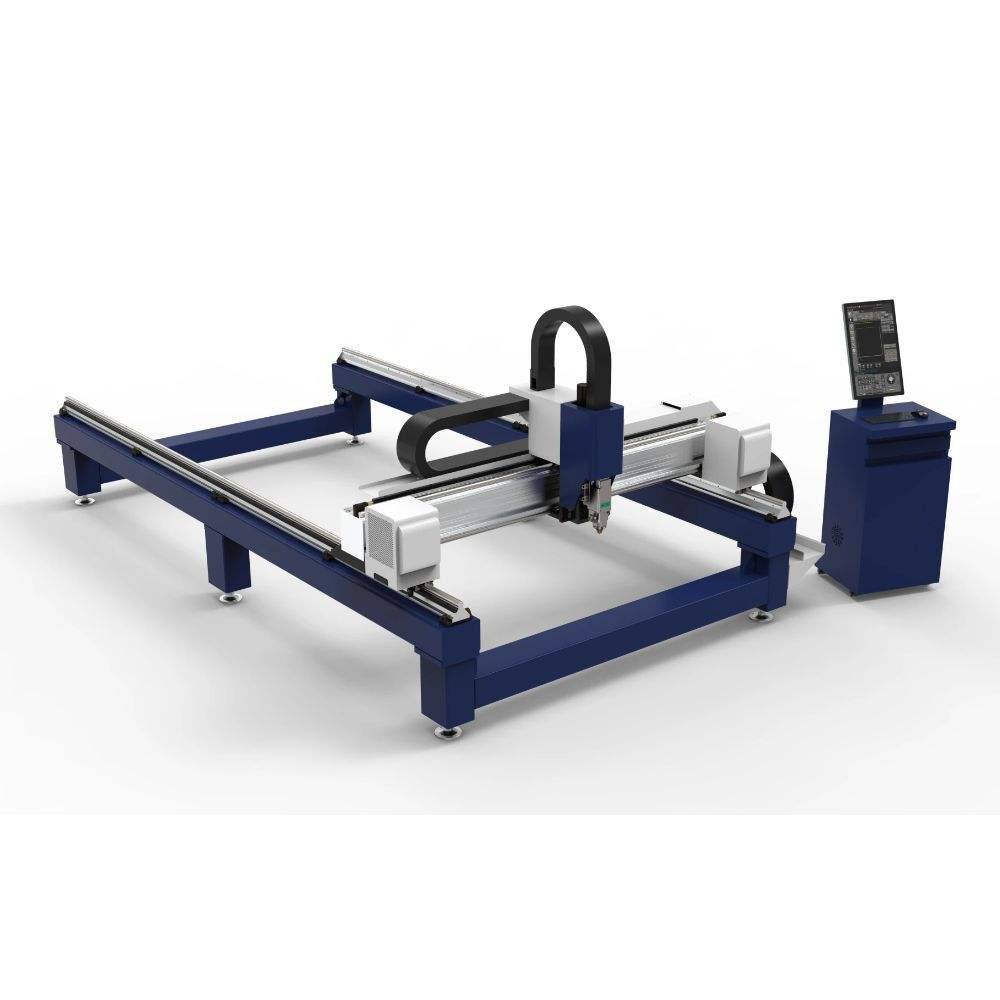
A 2kW fiber laser utilizes an optical fiber doped with rare-earth elements to amplify light. Unlike older CO2 technology, fiber lasers operate at a wavelength of approximately 1.06 microns. This shorter wavelength is more readily absorbed by carbon steel, leading to faster cutting speeds and higher energy efficiency. For a fabrication shop in Toluca, this translates to lower electricity bills—a critical factor given the rising energy costs in industrial zones.
In the context of laser cutting, a 2kW source provides enough power density to “vaporize” or melt through carbon steel with extreme precision. The beam quality (BPP) of a 2kW system allows for a smaller spot size, which results in a narrower kerf. This means tighter nesting of parts on a single sheet of metal, maximizing material utilization and reducing the cost per part.
Carbon Steel Processing: Thickness and Speed Parameters
Carbon steel, often referred to as “black steel” in local workshops, is the primary material for the construction and automotive sectors in Toluca. A 2kW fiber laser is optimized for the following thicknesses:
- Thin Gauge (1mm – 3mm): At these thicknesses, the 2kW laser operates at lightning speeds, often exceeding 20-30 meters per minute depending on the motion system. The finish is clean, with virtually no heat-affected zone (HAZ).
- Medium Gauge (4mm – 10mm): This is the “sweet spot” for 2kW machines. The laser provides a stable cut with a smooth edge profile. Most structural components for industrial racking and automotive sub-assemblies fall into this range.
- Maximum Capacity (12mm – 16mm): While a 2kW laser can cut up to 16mm or even 20mm carbon steel under ideal conditions, the speed drops significantly. For production environments in Toluca focusing on heavy plate, 12mm is generally considered the reliable production limit for maintaining high-quality edges without excessive dross.
Optimizing the Cutting Process: Oxygen vs. Nitrogen
When performing laser cutting on carbon steel in an environment like Toluca, the choice of assist gas is paramount. Because carbon steel contains iron that reacts with oxygen, the cutting process is often “exothermic.”
Oxygen (O2) Cutting: This is the standard for carbon steel. The oxygen reacts with the heated metal, adding thermal energy to the cut. This allows the 2kW laser to pierce and cut thicker plates (up to 16mm) using relatively low gas pressure. However, oxygen leaves a thin oxide layer on the cut edge, which must be removed if the part is to be powder-coated or painted to ensure proper adhesion.
Nitrogen (N2) or High-Pressure Air: For thinner gauges (under 3mm), many Toluca-based shops are moving toward nitrogen or dry compressed air. Nitrogen acts as a cooling agent and prevents oxidation, resulting in a “bright” edge that is immediately ready for welding or painting. While it requires more power to maintain speed without the exothermic reaction of oxygen, the 2kW fiber laser is efficient enough to make this a viable high-speed option for thin-sheet production.
Environmental Considerations in Toluca
Toluca is situated at an altitude of approximately 2,660 meters above sea level. For engineering equipment, this high-altitude environment introduces specific challenges. The air is thinner, which can affect the cooling efficiency of traditional air-cooled chillers. When installing a 2kW laser cutting system in Toluca, it is essential to ensure the water chiller is rated for the local atmospheric pressure to prevent the laser source from overheating during long production shifts.
Furthermore, the dust and particulate matter common in industrial zones like Lerma can interfere with the sensitive optics of a fiber laser. A 2kW machine must be equipped with a high-quality dust extraction system and a pressurized cutting head to prevent contamination of the protective windows. Local engineers recommend regular maintenance cycles to check the focal lens and nozzle alignment, ensuring the beam remains centered for consistent cutting quality.
Economic Impact and ROI for Local Fabricators
For a metal shop in the State of Mexico, the transition to a 2kW sheet metal laser represents a significant leap in competitiveness. Compared to plasma cutting, the 2kW fiber laser offers superior precision (tolerances within +/- 0.1mm), eliminating the need for secondary grinding or finishing. This reduces labor costs and accelerates the “time-to-market” for custom components.
The Return on Investment (ROI) for a 2kW system in Toluca is typically realized within 12 to 24 months, depending on shift volume. By bringing laser cutting capabilities in-house, companies avoid the lead times and markups of outsourcing to Mexico City or Queretaro. Additionally, the 2kW power level is sufficient to handle 90% of the common carbon steel requirements found in the local automotive supply chain, making it the most cost-effective entry point for high-tech fabrication.
Maintenance and Best Practices for Longevity
To maintain peak performance of a 2kW laser in a carbon steel environment, several engineering protocols should be followed:
1. Nozzle Management
The nozzle is the final point of contact between the machine and the process. For carbon steel, using a double-layer nozzle with oxygen is standard. Operators must inspect the nozzle for “spatter” every few hours. Even a microscopic deformation in the nozzle orifice can cause the assist gas to flow turbulently, leading to “burrs” or a rough surface finish on the steel.
2. Piercing Strategies
Piercing is the most volatile part of the laser cutting process, especially in thick carbon steel. Utilizing a 2kW source requires multi-stage piercing—starting with a low-power “soft” pierce to create a pilot hole, followed by a high-power blast. This prevents “blowouts” and protects the ceramic ring and nozzle from reflected heat.
3. Software and Nesting
Modern CAD/CAM software allows Toluca’s engineers to implement “common line cutting” and “bridge cutting.” By sharing a single cut line between two parts, the 2kW laser travels a shorter distance, saving time and gas. This is particularly effective for carbon steel plates where material costs fluctuate; saving even 5% of a sheet can result in thousands of pesos in monthly savings.
Conclusion: The Future of Fabrication in Toluca
The integration of 2kW fiber laser cutting technology is transforming Toluca from a traditional manufacturing hub into a center for high-precision engineering. As carbon steel remains the backbone of industrial growth, the ability to process it with speed, accuracy, and efficiency is the defining factor for success.
Whether it is producing structural components for the sprawling warehouses in Lerma or intricate parts for the automotive plants in the region, the 2kW sheet metal laser provides the versatility required for the modern market. By understanding the technical nuances of altitude, gas selection, and material properties, Toluca’s fabricators can continue to lead the Mexican manufacturing sector into a more productive and technologically advanced future.
















