
Introduction to 2kW Fiber laser cutting in the Tijuana Industrial Sector
The manufacturing landscape of Tijuana, Mexico, has undergone a significant transformation over the last decade, evolving from basic assembly plants to high-tech fabrication hubs. At the center of this evolution is the implementation of fiber laser cutting technology. Specifically, the 2kW (2000-watt) fiber laser has emerged as the “sweet spot” for many medium-to-heavy fabrication shops specializing in carbon steel components. This guide explores the technical nuances, operational strategies, and regional considerations for deploying a 2kW sheet metal laser in the Tijuana industrial corridor.
Tijuana’s proximity to the United States and its robust infrastructure in the Otay Mesa and Florido regions make it a primary destination for nearshoring. For companies producing automotive brackets, electronic enclosures, and structural components, the 2kW fiber laser offers an ideal balance between capital investment and processing capability. While higher-wattage machines exist, the 2kW system provides the precision and speed necessary for the high-volume throughput required by the maquiladora industry.
Technical Specifications of the 2kW Fiber Laser
A 2kW fiber laser source operates at a wavelength of approximately 1.06 microns. This short wavelength is highly absorbed by metallic surfaces, particularly carbon steel, which allows for efficient energy transfer. In the context of sheet metal laser cutting, the power density at the focal point is sufficient to melt and vaporize steel almost instantaneously.
Thickness Capabilities and Speed
For carbon steel, a 2kW system is generally rated for high-quality production cutting up to 16mm (5/8 inch), though its peak efficiency is found in the range of 1mm to 12mm.
- Thin Gauge (1-3mm): At these thicknesses, the 2kW laser can achieve speeds exceeding 15-20 meters per minute when using nitrogen as an assist gas.
- Medium Gauge (4-8mm): The machine maintains a stable kerf and high edge quality, often utilizing oxygen to facilitate an exothermic reaction that aids the cutting process.
- Heavy Plate (10-16mm): While the 2kW can pierce and cut 16mm carbon steel, the feed rate slows significantly, and thermal management becomes a critical factor to prevent slag buildup.
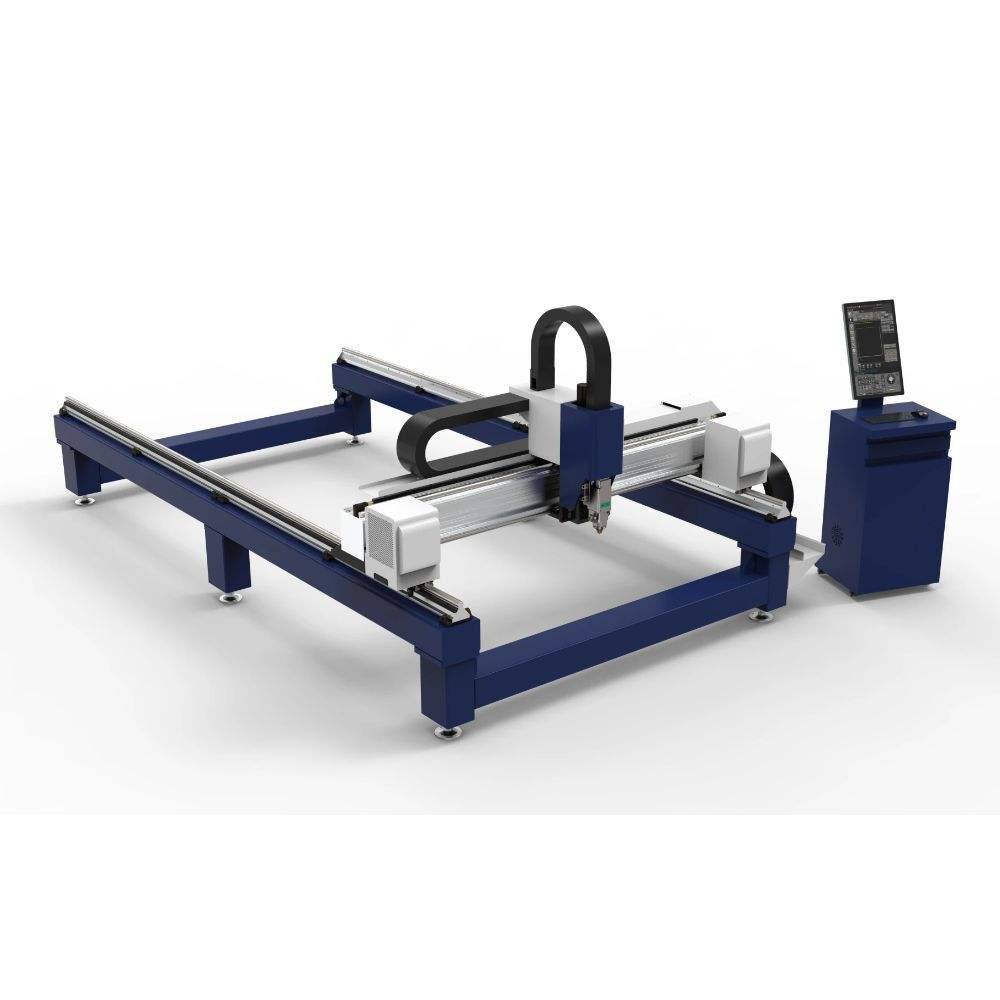
Processing Carbon Steel: Material Dynamics
Carbon steel is the most common material processed in Tijuana’s metal fabrication shops. Its high iron content makes it highly reactive to the laser cutting process, but it also presents specific challenges regarding heat accumulation and oxidation.
The Role of Assist Gases
The choice of assist gas is the most influential factor in the quality of the cut edge. In Tijuana’s competitive market, balancing gas costs with finishing requirements is essential.
Oxygen (O2) Cutting
When cutting thicker carbon steel (above 4mm), oxygen is the standard assist gas. The oxygen reacts with the iron in the steel, creating an exothermic reaction that adds thermal energy to the cut. This allows the 2kW laser to penetrate thicker plates than it could through melt-and-blow methods alone. However, this process leaves a thin layer of iron oxide on the cut edge, which must be removed if the part is to be powder-coated or painted.
Nitrogen (N2) Cutting
For thinner gauges where speed and edge cleanliness are paramount, nitrogen is preferred. Nitrogen acts as a shielding gas, preventing oxidation. The resulting edge is “bright” and ready for immediate welding or painting. Using a 2kW laser with nitrogen requires higher pressure (often 15-20 bar), necessitating a robust gas delivery system or an on-site nitrogen generator—a common sight in modern Tijuana factories.
Optimizing Laser Cutting Parameters for A36 and 1018 Steel
Most carbon steel processed in the region consists of A36 structural steel or 1018 cold-rolled steel. Each requires specific parameter tuning to ensure the 2kW source is utilized effectively.
Focus Position and Nozzle Selection
For carbon steel, the focus position is typically set slightly above or at the surface of the material when using oxygen, and deeper into the material when using nitrogen. Nozzle selection is equally critical; a double nozzle is often used for oxygen cutting to stabilize the gas flow and prevent “self-burning” of the material. In Tijuana’s high-production environments, automated nozzle changers are highly recommended to reduce downtime between different material thicknesses.
Piercing Strategies
Piercing is often where most laser cutting errors occur. For a 2kW system, multi-stage piercing is used for thicker carbon steel. This involves a high-frequency, low-duty cycle pulse to “drill” through the metal without creating a large crater of molten slag. Proper piercing prevents nozzle damage and ensures the subsequent cut starts from a clean point.

Environmental and Logistical Considerations in Tijuana
Operating high-precision laser cutting machinery in Tijuana presents unique environmental challenges that engineers must address to maintain machine longevity and part accuracy.
Climate and Humidity Control
Tijuana’s coastal climate can lead to significant fluctuations in humidity. For a fiber laser, humidity is the enemy of the optical path. While the fiber itself is enclosed, the external optics (collimator and focus lens) and the chiller system are sensitive. Condensation on the laser head can lead to catastrophic lens failure. It is imperative that shops in Tijuana use industrial-grade chillers with precise temperature control, usually set to 1-2 degrees Celsius above the ambient dew point.
Power Stability
The industrial power grid in certain sectors of Tijuana can experience voltage fluctuations. A 2kW fiber laser requires a stable power supply to ensure the beam quality remains consistent. The installation of a high-capacity voltage stabilizer and an isolation transformer is standard practice to protect the sensitive IPG or Raycus laser sources commonly found in these machines.
Maintenance Protocols for High-Uptime Operations
In a 24/7 maquiladora environment, maintenance is not optional. A 2kW sheet metal laser represents a significant investment that must be protected through rigorous daily, weekly, and monthly checks.
Optical Path Integrity
The protective window (cover glass) is the most frequently replaced consumable. In carbon steel cutting, “back-splatter” from piercing can pit the glass. Operators must inspect the cover glass every shift. Even a microscopic speck of dust can absorb laser energy, heat up, and crack the glass, potentially allowing contaminants to reach the focus lens.
Slat Maintenance
The support slats of the machine bed accumulate “dross” or slag over time. If the slats are not cleaned or replaced, the back-reflection from the laser hitting the slag can damage the underside of the workpiece or even the laser head itself. Using a slat cleaner or automated slag removal system is highly recommended for shops running 2kW lasers at high capacity.
Chiller and Filtration Systems
The deionized water in the chiller must be replaced periodically, and the filters checked for particulate matter. Similarly, the dust extraction system (fume extractor) must be maintained to ensure the laser cutting environment remains clear of smoke. Carbon steel cutting generates significant fine particulate matter that can settle on the machine’s linear guides and rack-and-pinion systems, causing premature wear.
Economic Impact: Why 2kW is the Right Choice for Tijuana
From an engineering economics perspective, the 2kW fiber laser offers the fastest Return on Investment (ROI) for many small-to-medium enterprises (SMEs) in Tijuana. While 6kW or 12kW machines offer blistering speeds on 20mm plate, the 2kW machine covers 80% of the standard sheet metal requirements in the automotive and appliance sectors at a fraction of the operating cost.
Labor and Training
Tijuana boasts a skilled workforce familiar with CNC operations. However, fiber laser cutting requires specialized training in nesting software and beam parameter optimization. Many local distributors offer bilingual training, ensuring that operators can maximize the machine’s “green light time.” Efficient nesting is particularly important in carbon steel processing to minimize scrap rates, as material costs are a significant portion of the per-part cost.
Integration with Industry 4.0
Modern 2kW systems are equipped with IoT capabilities, allowing plant managers in Tijuana to monitor machine performance remotely. Data on gas consumption, power usage, and cutting hours can be integrated into ERP systems to provide real-time cost analysis—a critical advantage for companies operating on the thin margins typical of the contract manufacturing sector.
Safety Standards and Regulatory Compliance
Operating a Class 4 laser requires strict adherence to safety protocols. In Mexico, NOM (Normas Oficiales Mexicanas) standards dictate workplace safety.
- Enclosures: All 2kW fiber lasers should be fully enclosed to prevent accidental exposure to reflected beams.
- PPE: Operators must wear laser-safe eyewear (OD6+ rating for 1064nm) when performing maintenance with the enclosure open.
- Fume Mitigation: Carbon steel cutting produces iron oxide dust. A high-efficiency particulate air (HEPA) filtration system is necessary to maintain air quality and comply with environmental regulations in the Baja California region.
Conclusion: The Future of Metal Fabrication in Baja California
The 2kW sheet metal fiber laser has become a cornerstone of the Tijuana manufacturing ecosystem. Its ability to process carbon steel with high precision, combined with its relatively low operating cost, makes it an indispensable tool for the region’s fabricators. As the demand for rapid prototyping and “just-in-time” manufacturing continues to grow in the North American market, the role of laser cutting technology will only expand.
For engineers and business owners in Tijuana, the successful implementation of a 2kW laser involves more than just purchasing the hardware. It requires a deep understanding of material science, a commitment to rigorous maintenance, and an adaptation to the local environmental and logistical landscape. By mastering these elements, Tijuana’s fabrication shops can continue to compete on a global scale, delivering high-quality carbon steel components to the world’s most demanding industries.
















