
Comprehensive Guide to 2kW Sheet Metal laser cutting for Carbon Steel in Queretaro
The industrial landscape of Queretaro has evolved into one of North America’s most sophisticated manufacturing hubs. From the aerospace corridors to the booming automotive supply chain in industrial parks like El Marqués and Balvanera, the demand for precision fabrication is at an all-time high. At the heart of this manufacturing revolution is the 2kW fiber laser cutting system. This specific power rating represents a strategic “sweet spot” for small to medium enterprises (SMEs) and specialized job shops focusing on carbon steel processing. This guide explores the technical nuances, operational strategies, and local environmental factors that influence the success of 2kW laser cutting operations in the Bajío region.
The Technical Profile of the 2kW Fiber Laser
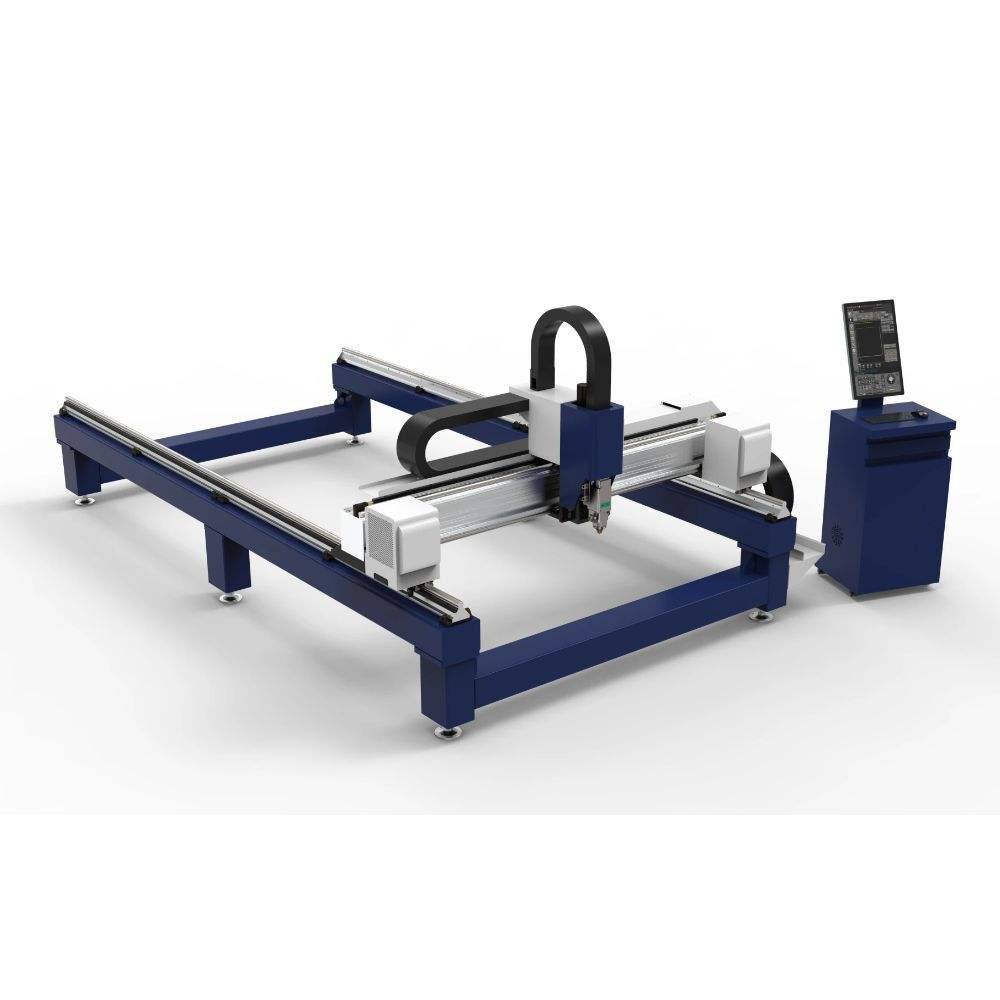
A 2kW fiber laser source provides a robust balance between capital investment and processing capability. Unlike CO2 lasers of the past, modern fiber laser technology utilizes a solid-state gain medium, resulting in a beam with a shorter wavelength (typically around 1.06 microns). This wavelength is more readily absorbed by carbon steel, allowing for higher cutting speeds and improved efficiency. In a 2kW configuration, the machine is optimized for sheet thicknesses ranging from 0.5mm to 16mm, though its peak production efficiency is found in the 1mm to 12mm range.
 laser cutting machine” style=”max-width: 100%; height: auto; margin: 20px 0;”>
For carbon steel, the 2kW power level allows for high-speed nitrogen cutting on thinner gauges (under 3mm) to achieve oxide-free edges, and oxygen-assisted cutting for thicker plates. The beam quality, often measured by the M2 factor, is critical here. A high-quality 2kW beam ensures a narrow kerf width, which minimizes material waste and allows for the fabrication of intricate geometries that were previously impossible with plasma or waterjet cutting.
Carbon Steel Processing Fundamentals
Carbon steel, specifically grades like A36, 1018, and 1045, is the backbone of the Queretaro construction and automotive sectors. When laser cutting these materials, the chemical composition of the steel plays a vital role. Elements such as silicon and phosphorus can affect the consistency of the cut and the smoothness of the finish. High-quality “laser-grade” carbon steel is often preferred to minimize dross and ensure a clean piercing process.
The interaction between the 2kW beam and carbon steel is an exothermic process when using oxygen as an assist gas. The laser heats the material to its ignition temperature, and the oxygen stream promotes a chemical reaction that adds thermal energy to the cut, allowing the 2kW system to penetrate thicknesses up to 16mm. However, for precision components that require post-process welding or painting, nitrogen is often used to prevent the formation of a brittle oxide layer on the cut edge.
Optimizing Assist Gas Strategies
In the context of laser cutting in Queretaro, gas management is a significant operational cost. For a 2kW system, the choice between Oxygen (O2), Nitrogen (N2), and even Compressed Air can define the profitability of a project. Oxygen is the standard for carbon steel over 4mm; it requires lower pressures (typically 0.5 to 2.0 bar) but limits cutting speed compared to high-pressure nitrogen. Nitrogen cutting, while requiring significantly higher pressures (10 to 20 bar), allows the 2kW laser to “melt and blow” the material, resulting in a silver, weld-ready edge.
Many shops in Queretaro are now adopting high-pressure air cutting for carbon steel gauges up to 3mm. This approach utilizes a dedicated high-pressure compressor and filtration system to provide a cost-effective alternative to bottled nitrogen, significantly reducing the “cost per part” in high-volume production runs.
Environmental Considerations in Queretaro
Operating a 2kW laser cutting system in Queretaro presents unique environmental challenges. The city’s altitude (approximately 1,820 meters above sea level) affects air density, which can impact the cooling efficiency of chillers and the performance of air compressors. Furthermore, the region’s climate can fluctuate between extreme dry heat and sudden humidity during the rainy season.
For fiber lasers, temperature stability is paramount. The 2kW laser source and the cutting head optics must be kept within a narrow temperature range to prevent thermal lensing—a phenomenon where the focus point shifts due to heat-induced changes in the refractive index of the lenses. High-quality dual-circuit chillers are mandatory in Queretaro to manage the heat load of the resonator and the external optics independently. Additionally, dust filtration is critical; the industrial dust prevalent in many Mexican industrial parks can quickly contaminate sensitive optics if the machine’s housing and pressurized bellows are not properly maintained.
Advanced Parameters for 2kW Systems
Achieving a “mirror finish” or dross-free cut on carbon steel requires precise parameter tuning. For a 2kW laser cutting carbon steel, the following variables must be synchronized:
- Focus Position: For oxygen cutting of thick carbon steel, the focus is usually set above the material surface to create a wider kerf that facilitates dross removal. For nitrogen cutting of thin sheets, the focus is often buried deep within or at the bottom of the plate.
- Nozzle Selection: Double nozzles are typically used for oxygen cutting to stabilize the gas flow, while single nozzles are preferred for high-pressure nitrogen cutting.
- Pulse Frequency: When cutting sharp corners or intricate details, reducing the frequency and duty cycle prevents “over-burning” of the material, preserving the geometric integrity of the part.
Maintenance Protocols for High-Performance Shops
In the competitive Queretaro market, machine downtime is the enemy of growth. A 2kW fiber laser is a precision instrument that requires a disciplined maintenance schedule. The most critical component is the protective window (cover glass) in the cutting head. This consumable protects the expensive internal lenses from back-splatter during the piercing process. In carbon steel processing, especially with oxygen, piercing can be violent; operators must inspect the cover glass every few hours of operation.
Furthermore, the beam delivery fiber must be protected from tight bends or vibrations. The motion system—linear guides, racks, and pinions—requires regular lubrication to maintain the ±0.03mm positioning accuracy expected of modern laser cutting machines. Given the electrical grid variability in some parts of the Bajío, installing a voltage stabilizer and a dedicated grounding rod is highly recommended to protect the sensitive CNC electronics and the laser source from power surges.
The Economic Impact of 2kW Lasers in Queretaro
Investing in a 2kW sheet metal laser offers a rapid Return on Investment (ROI) for Queretaro-based fabricators. The ability to bring laser cutting in-house reduces lead times from days to hours, allowing shops to respond faster to the “Just-In-Time” (JIT) requirements of the local automotive industry. Compared to a 1kW system, the 2kW model offers nearly double the cutting speed on 3mm to 6mm carbon steel, which are the most common gauges for brackets, chassis components, and industrial enclosures.
Moreover, the 2kW power level is energy-efficient. Fiber lasers typically convert about 30% of electrical energy into laser light, compared to 10% for CO2 lasers. In a region where energy costs are a significant factor in operational overhead, the efficiency of the 2kW fiber laser provides a direct competitive advantage.
Safety and Compliance Standards
Laser safety is a non-negotiable aspect of modern manufacturing. A 2kW fiber laser is a Class 4 laser product, capable of causing permanent eye damage and skin burns even from reflected beams. In Queretaro, facilities must adhere to NOM (Normas Oficiales Mexicanas) standards regarding workplace safety. This includes the use of fully enclosed machine cabins with laser-safe viewing windows, interlocked doors, and proper fume extraction systems. Cutting carbon steel generates fine particulate matter and iron oxide dust, which must be filtered before the air is exhausted to protect both the operators and the environment.
Conclusion
The 2kW sheet metal laser is a transformative tool for the carbon steel fabrication industry in Queretaro. By understanding the interplay between laser physics, material science, and local environmental conditions, manufacturers can achieve unprecedented levels of precision and productivity. Whether you are producing components for the next generation of electric vehicles or structural elements for the city’s expanding infrastructure, mastering 2kW laser cutting is a definitive step toward manufacturing excellence in the heart of Mexico.
















