Introduction to 2kW Fiber Laser Technology in Puebla’s Industrial Sector
The industrial landscape of Puebla, Mexico, has undergone a significant transformation over the last decade. As a primary hub for automotive manufacturing and heavy engineering, the region demands high-precision tools that balance operational costs with high-volume output. The 2kW fiber laser cutting system has emerged as the “sweet spot” for many medium-to-large enterprises in the region, particularly those specializing in carbon steel fabrication. This power level provides the necessary torque to handle structural components while maintaining the agility required for intricate automotive brackets and assemblies.
Puebla’s manufacturing corridor, home to global giants like Volkswagen and Audi, relies on a vast network of Tier 1 and Tier 2 suppliers. For these suppliers, the adoption of 2kW laser cutting technology represents a leap in efficiency over traditional plasma or mechanical shearing methods. Fiber lasers offer superior beam quality, lower maintenance requirements, and significantly higher energy efficiency, making them the ideal choice for the competitive Mexican market.
 laser cutting machine” style=”max-width: 100%; height: auto; margin: 20px 0;”>
Technical Specifications and Power Dynamics
A 2kW fiber laser source generates a high-intensity beam with a wavelength typically around 1.06 microns. This wavelength is highly absorbed by metallic materials, especially carbon steel, which allows for rapid heating and vaporization. In the context of sheet metal processing, “2kW” refers to the continuous wave output power of the laser resonator. This power level is specifically optimized for carbon steel thicknesses ranging from 0.5mm to 16mm, though the highest efficiency and edge quality are usually achieved in the 1mm to 12mm range.
Processing Carbon Steel: Material Science and Laser Interaction
Carbon steel remains the most widely used material in Puebla’s construction and automotive sectors due to its weldability, strength, and cost-effectiveness. When subjected to laser cutting, carbon steel reacts differently than stainless steel or aluminum. The presence of carbon influences the thermal conductivity and the viscosity of the molten pool during the cut.
The Role of Oxygen as an Assist Gas
For 2kW systems cutting carbon steel, oxygen (O2) is the primary assist gas. Unlike nitrogen, which acts as an inert shield, oxygen reacts exothermically with the heated carbon steel. This chemical reaction adds thermal energy to the cutting process, allowing the 2kW laser to penetrate thicker plates than would be possible with inert gases alone. This “active” cutting process results in a thin layer of iron oxide on the cut edge, which is generally acceptable for structural applications, though it may require removal if high-quality powder coating is the next step in production.
Achieving Superior Edge Quality
Edge quality is a critical metric for engineers in Puebla’s quality-controlled environments. To achieve a “mirror-like” finish on carbon steel using a 2kW laser, operators must fine-tune the focal position and gas pressure. On thinner gauges (under 3mm), the laser cutting speed can be exceptionally high, often exceeding 20 meters per minute. As thickness increases, the focus must be adjusted deeper into the material to ensure the kerf remains wide enough for the molten slag to be ejected efficiently by the assist gas.
Optimizing for Puebla’s Environmental and Industrial Conditions
Operating high-precision machinery in Puebla presents unique geographical challenges. The city’s elevation—approximately 2,135 meters above sea level—affects atmospheric pressure and air density. This can influence the cooling efficiency of the laser’s chiller units and the behavior of assist gases. Engineering teams must ensure that their 2kW systems are equipped with robust cooling circuits and stabilized gas delivery systems to compensate for these variables.
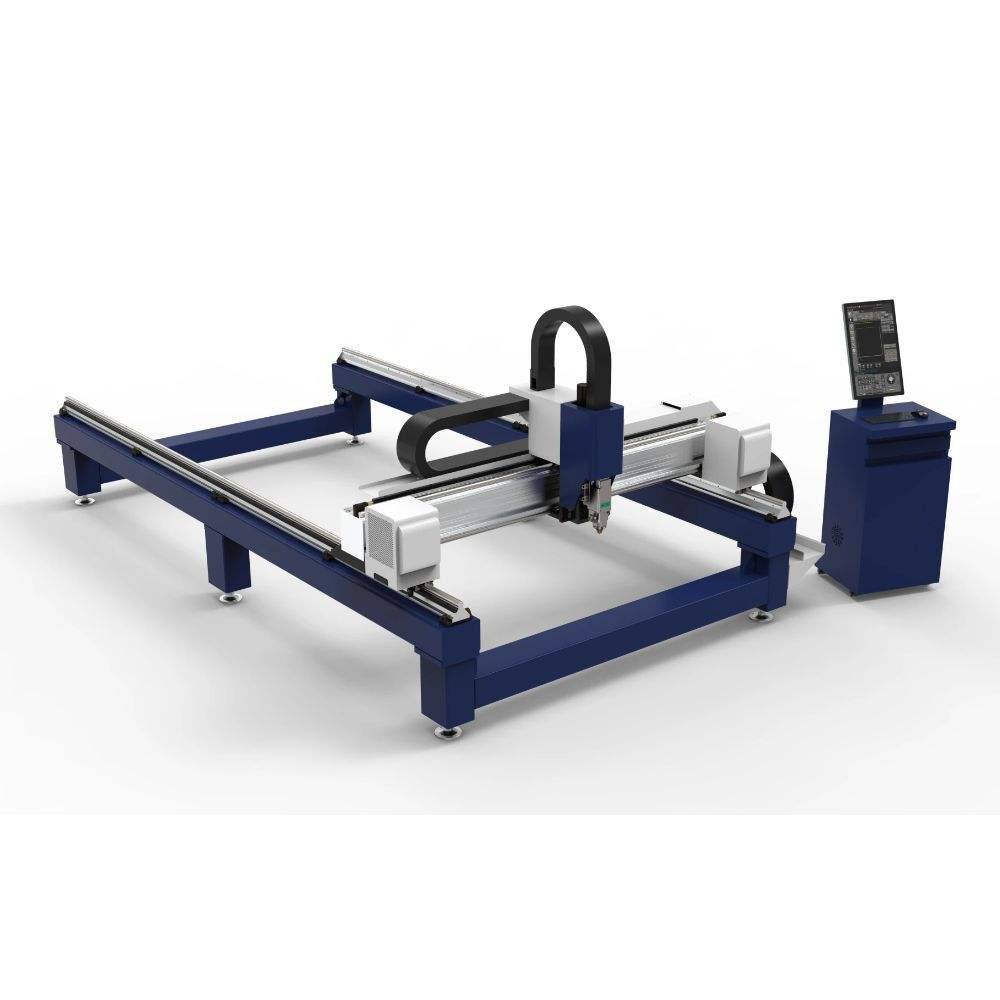
Integration with Local Supply Chains
The availability of high-purity oxygen and nitrogen in the Puebla-Tlaxcala valley is excellent, but logistics must be managed to ensure continuous operation. A 2kW laser cutting machine is a hungry consumer of assist gas when running multi-shift operations. Implementing bulk liquid gas tanks rather than individual cylinders is a standard engineering recommendation for shops in the region to reduce downtime and lower the per-cubic-meter cost of gas.
Material Sourcing: ASTM A36 and SAE 1010
Most carbon steel processed in Puebla follows ASTM or SAE standards. The consistency of the steel’s surface—specifically the presence of scale or rust—greatly affects laser cutting performance. 2kW lasers are sensitive to surface imperfections. Local fabricators are encouraged to source “pickled and oiled” (P&O) steel or cold-rolled steel for thinner components to ensure the laser beam maintains a consistent absorption rate, preventing “blowouts” or dross accumulation.
Operational Parameters for 2kW Carbon Steel Cutting
To maximize the ROI of a 2kW fiber laser, engineering managers must establish standardized cutting parameters. These parameters are not static; they must be adjusted based on the specific grade of carbon steel and the desired throughput.
Piercing Strategies
Piercing is often the most time-consuming part of the laser cutting cycle for thicker carbon steel plates. For a 2kW system, “stage piercing” is recommended for plates over 8mm. This involves a multi-step process where the laser power and gas pressure are modulated to gradually melt through the material, preventing the “crater” effect that can occur with high-power blast piercing. This protects the nozzle and the protective window of the laser head from back-splash of molten metal.
Nozzle Selection and Centering
For carbon steel, double-layer nozzles are typically utilized. The diameter of the nozzle orifice (usually between 1.2mm and 2.5mm for 2kW systems) must be matched to the material thickness. Precise centering of the nozzle is paramount; even a slight misalignment can lead to asymmetrical dross or a slanted cut edge, which is unacceptable in precision automotive engineering.
Maintenance and Longevity in a High-Production Environment
The reliability of fiber laser technology is one of its primary selling points in the Mexican market. Unlike CO2 lasers, which require complex mirror alignments and gas refills for the resonator, a 2kW fiber laser is largely solid-state. However, maintenance cannot be ignored.
Optical Path Integrity
The most vulnerable component of the laser cutting system is the cutting head’s protective window. In the dusty environments sometimes found in industrial parks around Puebla, ensuring a clean-room environment for lens changes is vital. Contamination on the optics can lead to thermal lensing, where the beam deforms under its own heat, resulting in poor cut quality and potential damage to the fiber cable itself.
Chiller Maintenance
The 2kW fiber source and the cutting head generate significant heat. In Puebla’s temperate but variable climate, the chiller must maintain the coolant at a precise temperature (usually around 22-25°C) to prevent condensation and ensure the stability of the laser wavelength. Regular flushing of the coolant and inspection of the heat exchangers are mandatory preventive maintenance tasks.
Economic Impact: Why 2kW is the Right Investment for Puebla
From a financial engineering perspective, the 2kW laser cutting machine offers a rapid payback period for Puebla-based workshops. While 6kW or 12kW machines offer faster speeds on very thick materials, they come with significantly higher purchase prices and higher electrical consumption.
Energy Efficiency and Operating Costs
A 2kW fiber laser typically consumes about 15-20kW of total wall-plug power (including the chiller and CNC controller). Compared to a CO2 laser of equivalent cutting capacity, which might consume 60kW or more, the fiber laser provides a massive reduction in utility costs. In Mexico, where industrial electricity rates can be volatile, this energy efficiency is a major competitive advantage.
Labor and Automation
Modern 2kW systems are often paired with shuttle tables or automated loading systems. This allows fabricators in Puebla to run “lights-out” operations or minimize the labor-per-part ratio. Given the skilled labor shortage in high-tech manufacturing, the ease of use and CNC integration of fiber lasers allow operators to be trained quickly, ensuring that production lines remain active even as the local labor market fluctuates.
Conclusion: The Future of Metal Fabrication in Puebla
The 2kW sheet metal laser has solidified its place as a cornerstone of the manufacturing infrastructure in Puebla. By providing a perfect balance of power, precision, and operational economy, it allows local businesses to meet the rigorous standards of international automotive and aerospace OEMs. As carbon steel remains the backbone of industrial construction, the ability to process it with the speed and accuracy of a fiber laser is no longer a luxury—it is a requirement for survival in the modern global economy.
For engineers and business owners in the region, focusing on the optimization of laser cutting parameters, investing in quality assist gases, and maintaining rigorous maintenance schedules will ensure that their 2kW systems continue to drive growth and innovation for years to come. The transition to fiber technology is not just an upgrade in machinery; it is an upgrade in the industrial capability of the entire Puebla region.