
Introduction to 2kW Fiber laser cutting in the Mexican Industrial Sector
The industrial landscape of Mexico City (CDMX) and its surrounding metropolitan areas, such as Naucalpan, Tlalnepantla, and Vallejo, has undergone a significant technological transformation. At the heart of this evolution is the adoption of fiber laser technology. Specifically, the 2kW sheet metal laser has emerged as the “workhorse” for small to medium-sized enterprises (SMEs) specializing in metal fabrication. This power level offers an optimal balance between capital investment and processing capability, particularly when dealing with carbon steel, the most widely used material in the region’s construction and automotive supply chains.
Laser cutting technology has largely superseded traditional methods like plasma cutting or mechanical shearing for high-precision applications. A 2kW fiber source provides the necessary energy density to process carbon steel with high edge quality and minimal thermal distortion. For engineers and shop managers in Mexico City, understanding the intersection of machine physics, material science, and local environmental variables is essential for maximizing Return on Investment (ROI).
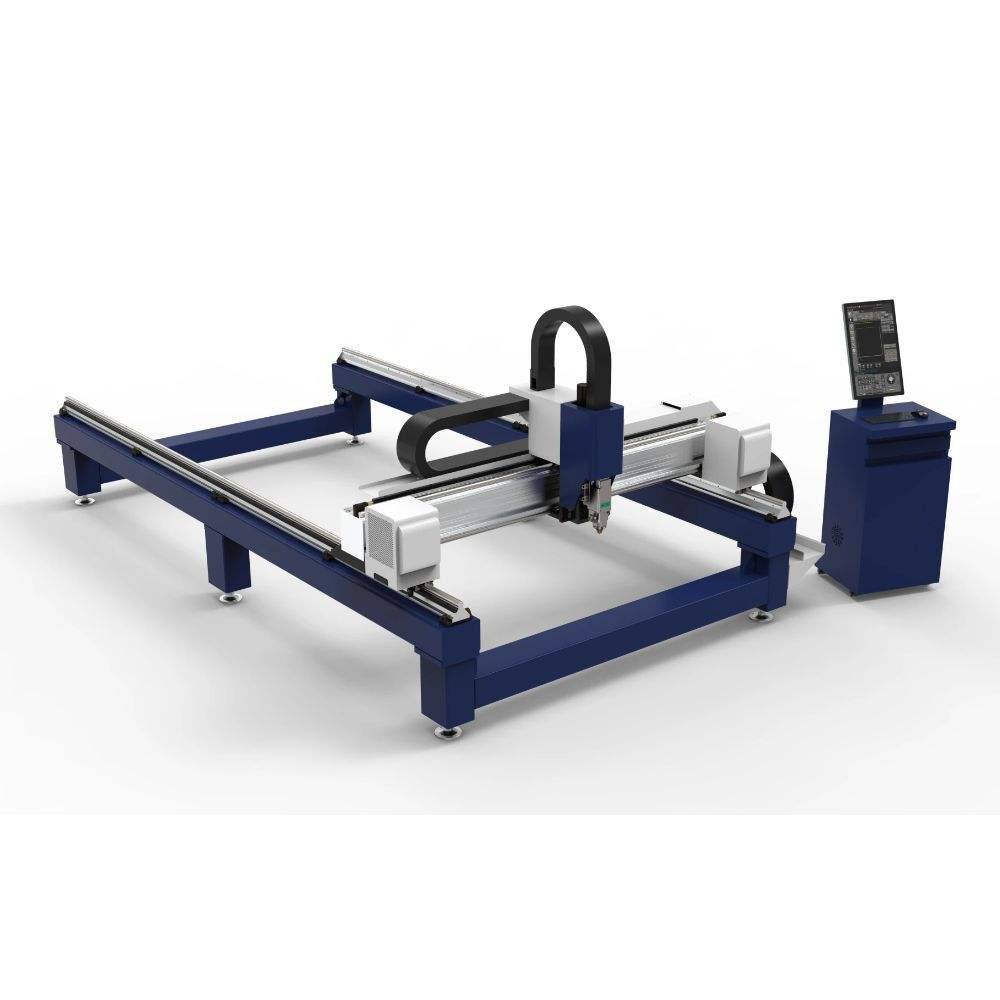
 laser cutting machine” style=”width: 100%; max-width: 800px; height: auto; margin: 20px 0;”>
Technical Specifications of 2kW Systems for Carbon Steel
A 2kW fiber laser operates at a wavelength of approximately 1.064 microns. This wavelength is highly absorbed by metallic materials, especially carbon steel, compared to the 10.6 microns of legacy CO2 lasers. This high absorption rate allows for faster processing speeds and the ability to cut thinner gauges with extreme precision.
Thickness Capacities and Performance
When processing carbon steel (often ASTM A36 or SAE 1018 in the Mexican market), a 2kW system typically achieves the following benchmarks:
- Maximum Piercing Capacity: Up to 16mm or 20mm, depending on the oxygen pressure and nozzle configuration.
- Production Cutting Range: The “sweet spot” for high-quality, high-speed production lies between 1mm and 12mm.
- Edge Quality: For thicknesses up to 8mm, the edge remains smooth with negligible dross. As thickness increases toward the 16mm limit, the heat-affected zone (HAZ) becomes more pronounced, requiring finer adjustment of the pulse frequency and duty cycle.
The Role of the Fiber Source
The fiber source (typically IPG, Raycus, or nLIGHT) generates the beam within an ytterbium-doped optical fiber. This beam is then delivered via a flexible transport fiber to the cutting head. For a 2kW system, the beam parameter product (BPP) is optimized to maintain a small focal spot, which is critical for maintaining high power density when laser cutting through the thick mill scale often found on hot-rolled carbon steel plates.
Environmental Considerations: The Mexico City Factor
Operating high-precision laser cutting machinery in Mexico City presents unique engineering challenges that are often overlooked in standard manuals. The two primary factors are altitude and power grid stability.
Altitude and Gas Dynamics
Mexico City sits at an average elevation of 2,240 meters above sea level. At this altitude, the atmospheric pressure is significantly lower than at sea level (approx. 0.75 atm). This affects the fluid dynamics of the assist gases (Oxygen and Nitrogen) used during the laser cutting process. Engineers must recalibrate gas pressure settings; often, a higher flow rate is required to compensate for the lower air density to effectively “flush” the molten metal out of the kerf. Furthermore, the cooling efficiency of air-cooled components is reduced, placing a higher reliance on the industrial chiller unit.
Power Stability and Humidity
The industrial electrical grid in the Valley of Mexico can experience voltage fluctuations and harmonic distortions. For a 2kW fiber laser, which relies on sensitive high-frequency power electronics to drive the diodes, a voltage stabilizer and an isolation transformer are non-negotiable. Additionally, while CDMX is not as humid as coastal regions like Veracruz, the rainy season brings significant moisture. High-quality air dryers are essential to prevent condensation within the pneumatic lines, which could contaminate the protective windows of the laser head.
Material Science: Cutting Carbon Steel Effectively
Carbon steel is the primary material for structural components in Mexico’s infrastructure. However, not all carbon steel is created equal. The success of the laser cutting process depends heavily on the surface condition and chemical composition of the steel.
The Impact of Mill Scale and Rust
Hot-rolled carbon steel often features a layer of magnetite (black oxide) known as mill scale. This scale has a different absorption coefficient than the underlying steel. If the scale is uneven or flaky, it can cause the laser beam to scatter or cause “blowouts” during the piercing phase. In many Mexico City workshops, pre-treating the steel with a light pickling process or using “laser-grade” steel (which has a thinner, more uniform scale) is recommended for high-precision components.
Assist Gas Selection: Oxygen vs. Nitrogen
For carbon steel, Oxygen (O2) is the standard assist gas. The process is exothermic; the oxygen reacts with the iron, generating additional heat that aids the laser in melting the metal. This allows for lower laser power (like 2kW) to cut relatively thick sections. However, this leaves an oxide layer on the cut edge, which must be removed if the part is to be painted or powder-coated—a common requirement in the local furniture and appliance industries. Alternatively, Nitrogen (N2) can be used for high-pressure “clean cutting” of thin carbon steel (up to 3mm-4mm), resulting in a silver, oxide-free edge at the cost of higher gas consumption.
Optimizing the Cutting Parameters
To achieve peak performance with a 2kW laser cutting system, operators must master the interplay between several variables:
Focus Position
For carbon steel, the focus is typically set at or slightly above the material surface for thin sheets, and moved deeper into the material as the thickness increases. On a 2kW machine, precise focus control (often automated via a dedicated cutting head like Precitec or Raytools) ensures that the energy is concentrated exactly where the exothermic reaction needs to be sustained.
Nozzle Selection
A double-layer nozzle is standard for oxygen cutting of carbon steel. The inner nozzle directs the laser beam and a high-velocity gas stream, while the outer layer helps stabilize the gas flow. In the high-altitude environment of CDMX, using a slightly larger nozzle diameter (e.g., 1.5mm to 2.5mm) can sometimes help maintain the necessary gas volume to prevent dross buildup on the bottom of the cut.
Maintenance and Longevity in an Urban Industrial Environment
The longevity of a 2kW laser in an environment like Tlalnepantla or Xochimilco depends on a rigorous maintenance schedule. Urban dust, containing metallic particles and pollutants, is the enemy of optical components.
Optical Path Integrity
Even though fiber lasers have a “closed” delivery system, the cutting head contains several lenses and a protective window. These must be inspected daily in a clean-room-like environment. Any speck of dust that lands on the protective window can absorb the 2kW of energy, heat up, and shatter the glass, potentially damaging the collimating lenses above.
Chiller Maintenance
The chiller is responsible for maintaining the temperature of both the laser source and the cutting head. In Mexico City’s climate, the chiller must be filled with high-quality deionized water and anti-corrosion additives. Given the altitude, the cooling fans on the chiller should be checked for obstructions, as the thinner air reduces the mass flow rate of cooling air across the heat exchanger coils.
Economic Impact and Market Applications in Mexico
The deployment of 2kW laser cutting machines has empowered Mexican manufacturers to compete on a global scale, particularly within the USMCA (T-MEC) framework. By reducing the cost per part compared to traditional machining, local shops can provide faster turnaround times for the automotive, aerospace, and heavy machinery sectors.
Common applications in the Mexico City metropolitan area include:
- Automotive Tier 2 & 3 Suppliers: Brackets, supports, and structural reinforcements.
- Construction: Custom gussets, base plates, and decorative architectural panels.
- Electrical Enclosures: High-precision cabinets for the growing data center market in nearby Querétaro.
Conclusion: The Future of 2kW Laser Technology
The 2kW sheet metal laser remains a cornerstone of modern fabrication. While higher power levels (12kW, 20kW+) are becoming available, the 2kW system offers the most efficient path for processing the gauges of carbon steel most commonly used in regional manufacturing. By accounting for the unique atmospheric conditions of Mexico City and maintaining strict adherence to material science principles, engineers can ensure that their laser cutting operations remain productive, precise, and profitable for years to come.
As the industry moves toward Industry 4.0, the integration of these machines with local ERP systems and nesting software will further enhance the competitive edge of the Mexican metalworking sector, solidifying its position as a hub of North American manufacturing excellence.
















