
Introduction to 2kW Fiber laser cutting in Leon’s Industrial Landscape
The industrial sector in Leon, Guanajuato, has undergone a massive transformation over the last decade. Historically known for its leather and footwear industries, the region has pivoted toward high-tech automotive and aerospace manufacturing. At the heart of this evolution is the adoption of advanced laser cutting technology. Specifically, the 2kW fiber laser has emerged as the “gold standard” for small to medium-sized fabrication shops focusing on carbon steel components.
A 2kW fiber laser system offers a unique balance between capital investment and operational throughput. For engineers and facility managers in Leon’s industrial parks, such as Puerto Interior or the Leon-Bajío Industrial Park, understanding the nuances of this power level is critical for optimizing production lines. This guide explores the technical specifications, material interactions, and economic advantages of utilizing 2kW laser cutting systems specifically for carbon steel applications.
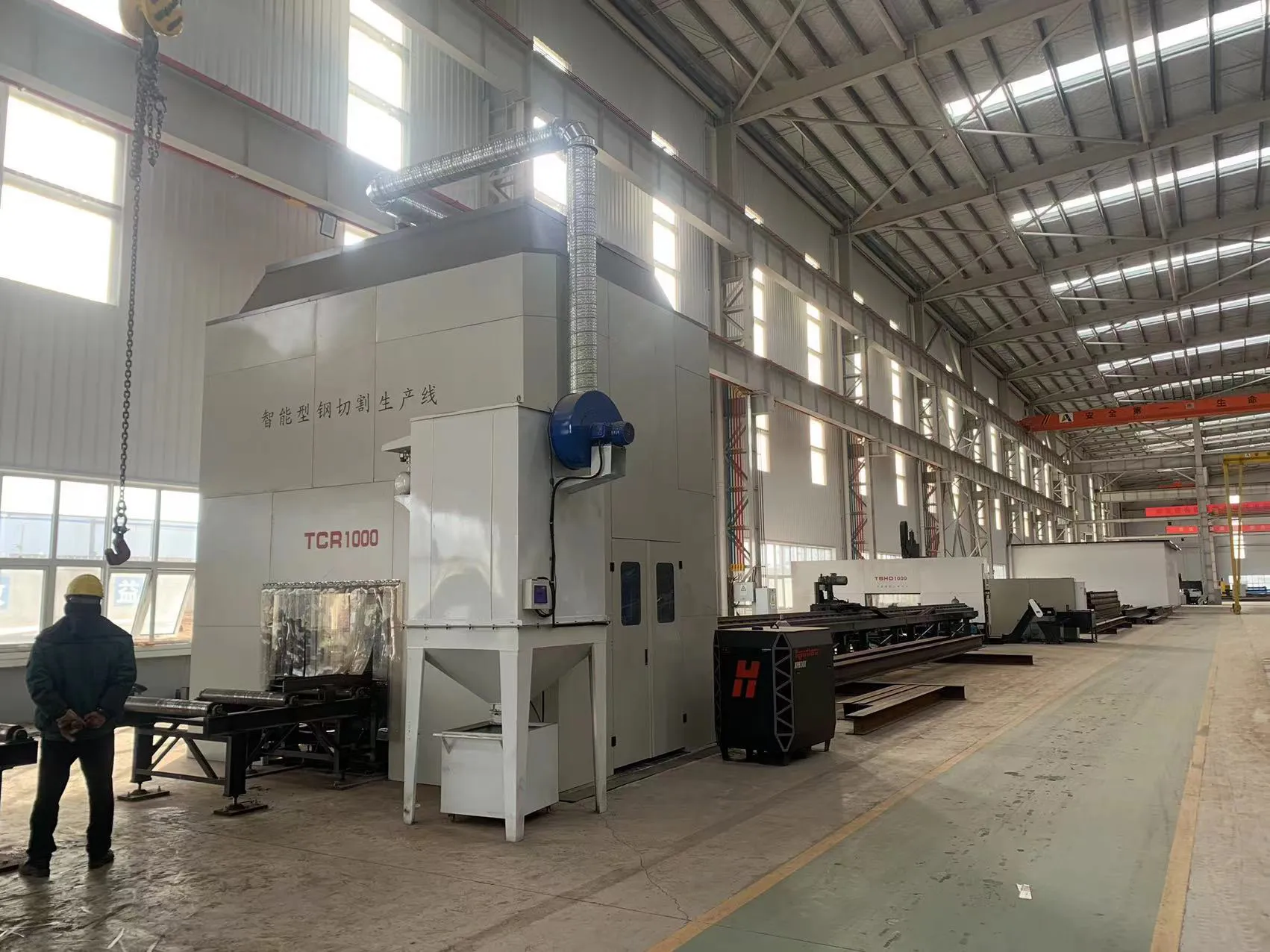 laser cutting machine for Sheet Metal”>
The Physics of 2kW Fiber Lasers on Carbon Steel
Fiber lasers operate at a wavelength of approximately 1.064 microns. This wavelength is highly absorbed by carbon steel, making it significantly more efficient than the legacy CO2 lasers that were once common in the Bajío region. When a 2kW beam is focused onto a carbon steel sheet, the energy density is sufficient to instantly melt and vaporize the metal. In laser cutting, the 2kW power rating refers to the continuous wave output of the resonator, which dictates the maximum thickness and the speed at which the material can be processed.
For carbon steel, the interaction is not just thermal but also chemical. When using oxygen as an assist gas, an exothermic reaction occurs. This reaction adds thermal energy to the cutting process, allowing a 2kW machine to cut through thicker sections of carbon steel than it could through stainless steel or aluminum of the same thickness.
Technical Specifications and Thickness Capacity
When engineering a workflow for a 2kW system, it is vital to define the “sweet spot” for material thickness. While a 2kW fiber laser can technically pierce and cut up to 16mm or even 20mm carbon steel under perfect conditions, its peak efficiency lies in the 1mm to 12mm range.
Optimal Cutting Ranges
- Thin Gauge (1mm – 3mm): In this range, a 2kW laser is incredibly fast. Cutting speeds can exceed 20-30 meters per minute. This is ideal for automotive brackets, electronic enclosures, and HVAC ductwork common in Leon’s manufacturing sector.
- Medium Plate (4mm – 8mm): This is the primary operational zone. The 2kW power provides enough “punch” to maintain high edge quality with minimal dross. Laser cutting at this thickness provides a superior finish that often requires no secondary grinding.
- Heavy Plate (10mm – 16mm): Here, the process slows down significantly. The 2kW system must rely heavily on the oxygen purity and precise focal positioning. While capable, shops in Leon processing these thicknesses daily might eventually consider 4kW or 6kW systems for higher volume.
Edge Quality and Heat Affected Zone (HAZ)
One of the primary concerns for engineers in the automotive supply chain is the Heat Affected Zone (HAZ). Carbon steel is susceptible to metallurgical changes when exposed to high heat. The 2kW fiber laser, due to its concentrated beam diameter, minimizes the HAZ compared to plasma cutting. This ensures that the structural integrity of the carbon steel remains intact, which is crucial for safety-critical components manufactured in the Guanajuato industrial corridor.

Optimization of Assist Gases for Carbon Steel
In the context of laser cutting in Leon, gas management is often the difference between a profitable shop and one that struggles with overhead. For carbon steel, there are three primary choices for assist gases.
Oxygen (O2) Cutting
Oxygen is the standard assist gas for carbon steel. It facilitates an exothermic reaction that assists the laser beam in melting the metal. For a 2kW system, oxygen allows for lower gas pressures (typically 0.5 to 2.0 bar), which reduces operating costs. However, oxygen cutting leaves a thin oxide layer on the cut edge. If the parts are to be powder-coated or painted—a common requirement for Leon’s metal-mechanic industry—this oxide layer must be removed to ensure paint adhesion.
Nitrogen (N2) and High-Pressure Air
While nitrogen is usually reserved for stainless steel, it can be used on thin carbon steel (up to 3mm) to produce an oxide-free edge. However, this requires significantly higher pressures and a 2kW laser may struggle with speed compared to oxygen. High-pressure compressed air is becoming a popular alternative in Leon due to its cost-effectiveness. By using a high-pressure compressor and filtration system, shops can achieve fast laser cutting on thin gauges with a finish that is ready for immediate welding or coating.
Maintenance and Environmental Considerations in Leon
Leon’s climate and industrial environment present specific challenges for 2kW fiber lasers. The region can be dusty, and temperatures during the summer months can fluctuate significantly. These factors impact the longevity and precision of the laser cutting equipment.
Chiller and Thermal Management
A 2kW fiber laser generates heat within the resonator and the cutting head. The chiller unit is the most critical peripheral component. In Leon’s high-altitude environment, ensure the chiller is rated for the ambient temperatures. Using deionized water and specialized additives prevents algae growth and mineral buildup in the cooling lines, which could otherwise lead to catastrophic failure of the fiber source.
Optical Integrity
The “business end” of the laser cutting machine is the cutting head. It contains sensitive protective windows and focusing lenses. In Leon’s industrial zones, airborne particulates can settle on these optics. A 2kW beam hitting a speck of dust on a lens will cause the lens to thermal-crack instantly. Implementing a strict clean-room protocol for lens replacement is mandatory for maintaining uptime.
Power Stability
The electrical grid in some parts of the Bajío region can experience fluctuations. For a 2kW fiber laser, which relies on precise electronic control of the diodes, a voltage stabilizer and a dedicated grounding system are not optional—they are essential for protecting the resonator from power surges that could lead to expensive repairs.
The Economic Impact for Leon’s Manufacturers
Transitioning to 2kW laser cutting represents a significant leap in productivity for local fabricators. Compared to traditional punching or mechanical shearing, the laser offers unparalleled flexibility. In Leon, where “Just-In-Time” (JIT) manufacturing is the standard for automotive suppliers, the ability to switch from cutting 2mm shims to 10mm structural plates in a matter of minutes is a competitive necessity.
Nesting and Material Utilization
Modern CAD/CAM software integrated with 2kW lasers allows for advanced nesting. Because the kerf (the width of the cut) of a 2kW fiber laser is extremely narrow (approx. 0.1mm to 0.2mm), parts can be placed very close together on a sheet of carbon steel. This reduces scrap rates significantly. Given the fluctuating prices of steel in the Mexican market, a 5% to 10% improvement in material utilization can pay for the machine’s financing costs over time.
Labor and Secondary Operations
The precision of laser cutting eliminates the need for secondary processes like drilling, deburring, or manual filing. A 2kW laser can cut complex geometries, including small diameter holes (down to a 1:1 ratio with material thickness) that are ready for tapping. This allows shops in Leon to reallocate their skilled labor to higher-value tasks like assembly and precision welding.
Conclusion: The Future of Metal Fabrication in the Bajío
The 2kW sheet metal laser is more than just a tool; it is a catalyst for industrial growth in Leon. As the region continues to attract international investment, the demand for high-precision carbon steel components will only increase. By mastering the technical parameters of 2kW laser cutting—from gas selection to optical maintenance—local manufacturers can position themselves as world-class suppliers.
Investing in this technology ensures that Leon remains at the forefront of Mexico’s “Mindfacturing” movement, moving beyond simple assembly to sophisticated, high-precision engineering and fabrication. Whether you are producing components for the heavy machinery used in the local agricultural sector or precision parts for the next generation of electric vehicles, the 2kW fiber laser remains the most versatile and efficient solution for carbon steel processing today.
















