
Introduction to 2kW Fiber laser cutting for Brass in Toluca’s Industrial Sector
The industrial landscape of Toluca, State of Mexico, has undergone a significant transformation over the last decade. As one of Mexico’s primary hubs for automotive, aerospace, and electronics manufacturing, the demand for precision components has skyrocketed. Among the various technologies driving this growth, the 2kW fiber laser cutting system stands out as a versatile and efficient solution, particularly when processing non-ferrous metals like brass. This guide explores the technical intricacies, operational parameters, and localized advantages of deploying a 2kW sheet metal laser for brass applications within the Toluca valley.
Brass, an alloy of copper and zinc, is prized for its electrical conductivity, corrosion resistance, and aesthetic appeal. However, it is also categorized as a “highly reflective” metal. Historically, this made laser cutting difficult for traditional CO2 lasers. The advent of fiber laser technology, specifically in the 2kW power range, has revolutionized the ability to process brass with high speed and exceptional edge quality. For manufacturers in Toluca, where supply chain efficiency and precision are paramount, understanding the synergy between 2kW power and brass metallurgy is essential for maintaining a competitive edge.
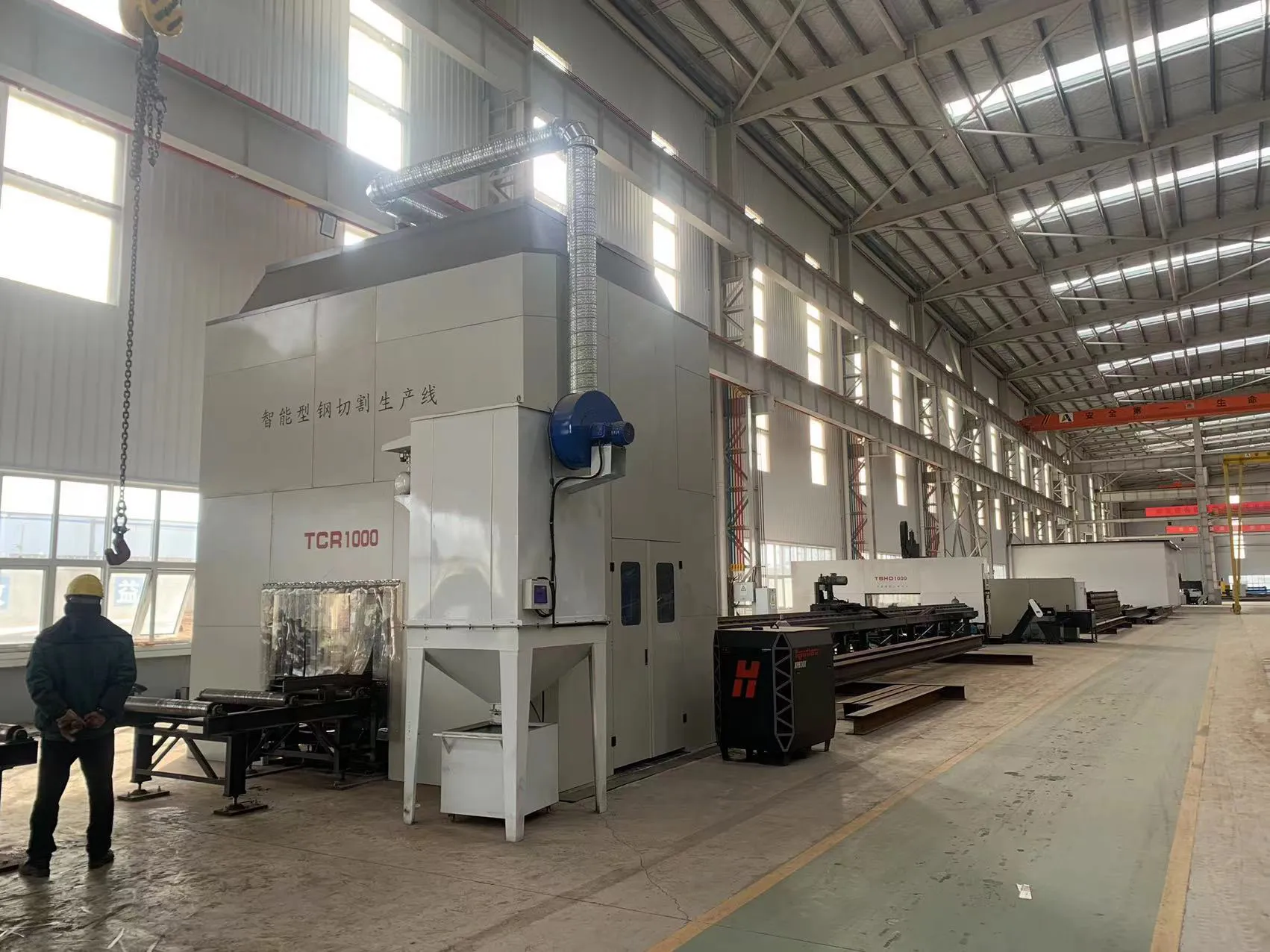
The Mechanics of 2kW Fiber Laser Technology
A 2kW fiber laser operates at a wavelength of approximately 1.06 microns. This wavelength is significantly shorter than that of a CO2 laser (10.6 microns), which allows for much higher absorption rates in reflective materials like brass. When the laser beam hits the surface of the brass sheet, the high energy density of the 2kW source quickly overcomes the material’s reflectivity, initiating a stable melt pool.
The “2kW” designation refers to the continuous wave power output. In the context of sheet metal laser cutting, this power level is often considered the “sweet spot” for small to medium-sized enterprises (SMEs) in Toluca. It provides enough energy to cut through brass thicknesses of up to 5mm or 6mm while remaining energy-efficient and requiring a lower initial investment compared to 6kW or 12kW systems. The beam quality, often measured by the M2 factor, ensures that the kerf width remains narrow, allowing for the intricate geometries required in electronic connectors or decorative architectural panels.
Challenges and Solutions in Cutting Brass
Brass presents unique challenges due to its high thermal conductivity and reflectivity. When laser cutting brass, the material tends to dissipate heat rapidly away from the cut zone, which can lead to dross formation or incomplete cuts if the parameters are not perfectly tuned. Furthermore, back-reflection—where the laser light bounces off the brass and travels back into the delivery fiber—can damage the laser source if the machine is not equipped with proper optical isolation.
Reflectivity and Back-Reflection Protection
Modern 2kW fiber lasers used in Toluca’s manufacturing plants are equipped with advanced back-reflection sensors and isolators. These systems detect reflected light in real-time and can shut down the laser in milliseconds to prevent damage. When laser cutting brass, it is standard engineering practice to use a “beam on” delay or a specific piercing ramp-up to ensure the material begins absorbing the energy before the full 2kW of power is applied. This minimizes the risk to the equipment while ensuring a clean start to the cut.
Gas Selection: Nitrogen vs. Oxygen
The choice of assist gas is critical for brass. Nitrogen is the most common choice for 2kW systems because it acts as a cooling agent and prevents oxidation of the cut edge. This results in a bright, clean finish that often requires no post-processing. However, for thicker brass sheets (above 4mm), some operators in Toluca may experiment with oxygen to utilize the exothermic reaction, although this can lead to a darker, oxidized edge. In most precision engineering contexts, high-pressure nitrogen (typically 15-20 bar) is the preferred medium for laser cutting brass to maintain high conductivity and aesthetic standards.
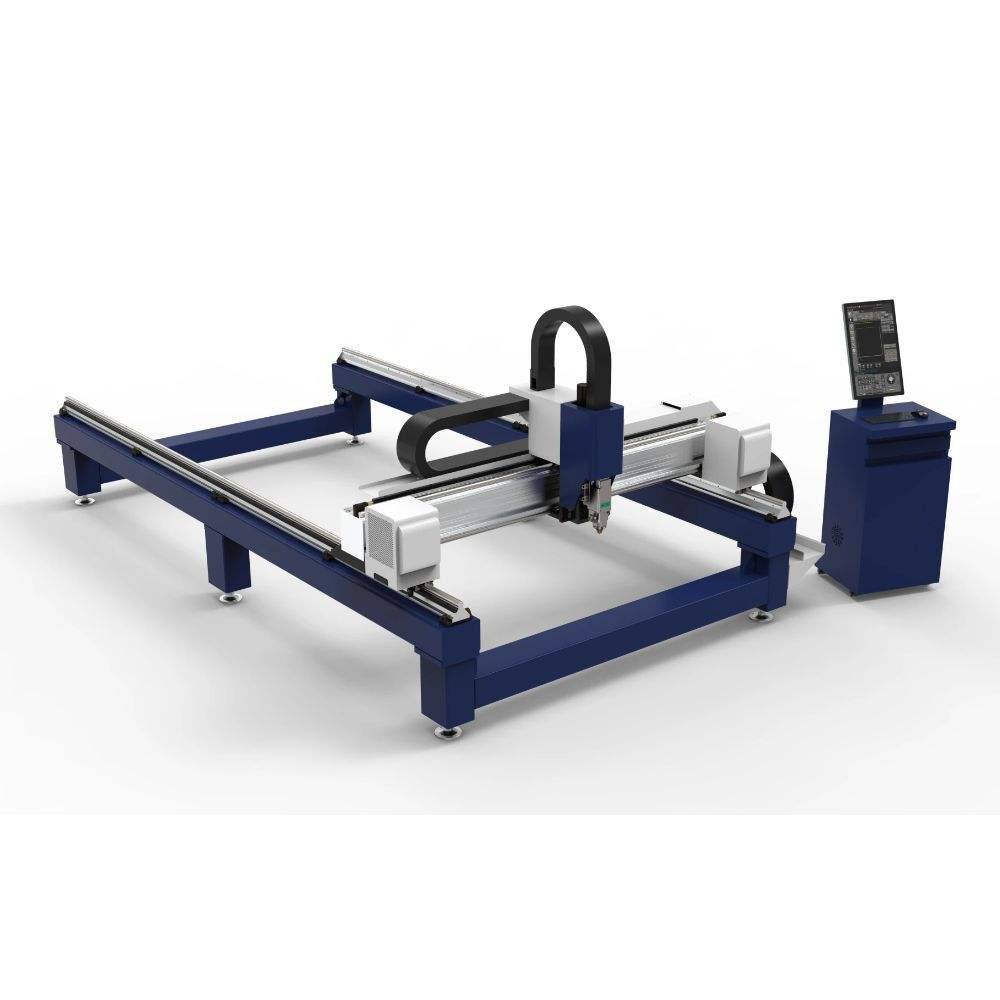
Optimizing Parameters for the Toluca Environment
Operating a 2kW sheet metal laser in Toluca requires consideration of the local environment. Toluca sits at an altitude of approximately 2,660 meters above sea level. The lower atmospheric pressure at this altitude can affect the behavior of assist gases and the cooling efficiency of the laser’s chiller units.
Altitude and Gas Dynamics
In high-altitude environments like Toluca, the density of the air is lower. This can subtly influence the fluid dynamics of the assist gas as it exits the nozzle. Engineers must often calibrate their gas pressure settings slightly higher than those recommended at sea level to achieve the same kinetic energy required to blow the molten brass out of the kerf. Precision nozzle alignment becomes even more critical to prevent turbulence that could mar the edge quality of the brass parts.
Thermal Management and Cooling
The 2kW laser source and the cutting head generate significant heat. While Toluca generally has a temperate climate, the diurnal temperature swings can be significant. It is vital to use a high-quality dual-circuit chiller. One circuit cools the laser source to a stable 22-25°C, while the other cools the cutting optics to prevent thermal shift. Thermal shift can cause the focal point to drift during long production runs, which is particularly problematic when laser cutting brass, as the focal position must be maintained precisely at or slightly below the material surface for optimal results.
Applications of Brass Laser Cutting in Toluca
The diversity of Toluca’s industrial base provides numerous applications for 2kW laser cutting technology. From heavy-duty automotive components to delicate electronic hardware, brass remains a staple material.
Automotive and Electrical Components
Toluca is home to several major automotive OEMs and Tier 1 suppliers. Brass is frequently used in the production of terminals, connectors, and bushings due to its excellent electrical properties and low friction coefficient. A 2kW fiber laser allows these suppliers to prototype and produce small to medium batches of components with zero tooling costs, unlike traditional stamping methods. The ability to rapidly iterate designs is a major advantage in the fast-paced automotive sector.
Architectural and Decorative Hardware
Beyond heavy industry, there is a growing market in Central Mexico for high-end architectural hardware. Brass is a preferred material for signage, luxury furniture accents, and decorative screens. The precision of the 2kW sheet metal laser enables the creation of intricate “filigree” patterns that would be impossible or cost-prohibitive to achieve with mechanical milling or waterjet cutting. The narrow kerf of the laser cutting process ensures that even the most complex designs are rendered with sharp corners and smooth curves.
Maintenance and Safety Protocols
To ensure the longevity of a 2kW laser system in a demanding industrial environment like Toluca, a rigorous maintenance schedule is mandatory. This is especially true when working with brass, as the process can generate fine metallic dust and fumes.
Optical Integrity
The protective windows (cover slides) in the cutting head must be inspected daily. When laser cutting brass, the risk of “spatter” is higher during the piercing phase. Any contamination on the lens can absorb laser energy, leading to thermal cracking. Operators should be trained to clean optics in a clean-room environment or a dedicated clean bench to prevent dust ingress.
Fume Extraction and Filtration
Cutting brass produces zinc oxide fumes, which can be hazardous if inhaled and can also settle on the machine’s motion components (linear guides and racks). A high-capacity dust collector with HEPA filtration is essential. In Toluca, where environmental regulations are increasingly aligned with international standards, ensuring that the laser cutting system is equipped with an efficient extraction unit is both a safety requirement and a regulatory necessity.
Economic Impact and ROI for Toluca Manufacturers
Investing in a 2kW fiber laser for brass processing offers a compelling Return on Investment (ROI) for Toluca-based shops. The primary drivers of this ROI are speed, material utilization, and versatility. Compared to a 1kW system, the 2kW laser can cut 2mm brass nearly twice as fast, significantly reducing the “cost per part.”
Furthermore, the nesting software integrated with modern laser cutting systems allows for maximum material utilization. Given the high cost of brass scrap compared to steel, reducing waste by even 5% can result in thousands of dollars in annual savings. For a job shop in Toluca, the ability to switch between cutting thin gauge brass for electronics and thicker stainless steel for food processing equipment—all on the same 2kW machine—provides the flexibility needed to weather market fluctuations.
Conclusion: The Future of Metal Fabrication in Toluca
The integration of 2kW fiber laser technology into the brass fabrication workflow represents a significant step forward for the industry in Toluca. By mastering the technical requirements of laser cutting reflective alloys—such as managing back-reflection, optimizing gas pressures for high altitude, and maintaining optical purity—manufacturers can produce world-class components that meet the rigorous standards of global supply chains.
As Toluca continues to grow as a center for technological excellence, the reliance on precise, efficient, and flexible tools like the 2kW sheet metal laser will only increase. Whether it is for the next generation of electric vehicles or high-end architectural projects, the marriage of brass and fiber laser technology is set to remain a cornerstone of the region’s manufacturing prowess.
















